
Weird & wonderful · South East England
Long Man of Wilmington
In or near Alfriston.
72-metre chalk hill figure on the South Downs, largest in Western Europe.

Marathon — CC BY-SA 2.0 via Wikimedia Commons licence

Plan your visit
- Typical visit
- 1 h–2 h
- Nearest railway station
- Mungo's Central Station · 2.3 km
- Family-friendly
Getting there & planning your visit
The nearest railway station is Mungo's Central Station, located 2.3 km away. The postcode for the Long Man of Wilmington is BN26 5SW. Entry is free, and there is no specific information about accessibility.
About
The Long Man of Wilmington is the chalk hill figure on the steep north-facing slope of Windover Hill in the South Downs, near Eastbourne. At 72 m tall — the largest representation of the human form in Western Europe — he holds two staves and faces the visitor with deliberately distorted proportions to look correct from below. The figure's age is contested: 16th-century survey hints suggest he may be early modern rather than prehistoric, but his presence in the South Downs landscape is unmissable from the A27.
Photo gallery
Protected designations
- Site of Special Scientific Interest: Wilmington Downs SSSI
- National Nature Reserve: SEVEN SISTERS
Designations sourced from Natural England open data under OGL v3.
From the Wikipedia article
The Long Man of Wilmington or Wilmington Giant is a hill figure on the steep slopes of Windover Hill near Wilmington, East Sussex, England. It is 6 miles (9.7 km) northwest of Eastbourne and 1⁄3 mile (540 m) south of Wilmington. Locally, the figure was once often called the Green Man. The Long Man is 235 feet (72 m) tall, holds two "staves", and is designed to look in proportion when viewed from below. Formerly thought to originate in the Iron Age or even the Neolithic period, a 2003 archaeological investigation showed that the figure may have been cut in the Early Modern era – the 16th or 17th century AD. From afar the figure appears to have been carved from the underlying chalk, but the modern figure is formed from white-painted breeze blocks and lime mortar. The Long Man is one of two major extant human hill figures in England; the other is the Cerne Abbas Giant, north of Dorchester. Both are scheduled monuments. Two other hill figures that include humans are the Osmington White Horse and the Fovant regimental badges. The Long Man is one of two hill figures in East Sussex; the other is the Litlington White Horse, three miles south-west of the Long Man.
Excerpt from Wikipedia under CC BY-SA 4.0. See the source article linked in Sources below.
Background
History
The origin of the Long Man is unclear. For many years the earliest known record was a drawing made by William Burrell when he visited Wilmington Priory, near Windover (or Wind-door) Hill, in 1766. Burrell's drawing shows a figure holding a rake and a scythe, both shorter than the present staves. In 1993, another drawing was discovered in the Devonshire Collections at Chatsworth House which had been made by the surveyor John Rowley in 1710, the earliest date the figure is known to have existed. An early suggestion, sometimes stated to be a local tradition, was that the Long Man had been cut by monks from nearby Wilmington Priory, and represented a pilgrim. This was not widely believed by…
Sourced from Wikipedia under CC BY-SA 4.0.
- Coordinates
- 50.8101, 0.1881
- County
- East Sussex
- District
- Wealden
- Parish
- Long Man
- Postcode
- BN26 5SW
- Parliamentary constituency
- Lewes
- Established
- 1710
- Nearest railway station
- Mungo's Central Station — 2.3 km
Sources
- manual: long-man-of-wilmington (manual)
- wikipedia: Long Man of Wilmington (CC BY-SA 4.0)
Featured in these 2 guides
Other places nearby

Long Man of Wilmington
Archaeological sites · 0.1 km

Wilmington Hill
Mountains & hills · 0.6 km
Wilmington Hill
Mountains & hills · 0.6 km

Wilmington Priory
Abbeys & priories · 0.8 km

Wilmington Priory
Archaeological sites · 0.8 km

St Mary and St Peter's Church.
Historic churches · 0.8 km
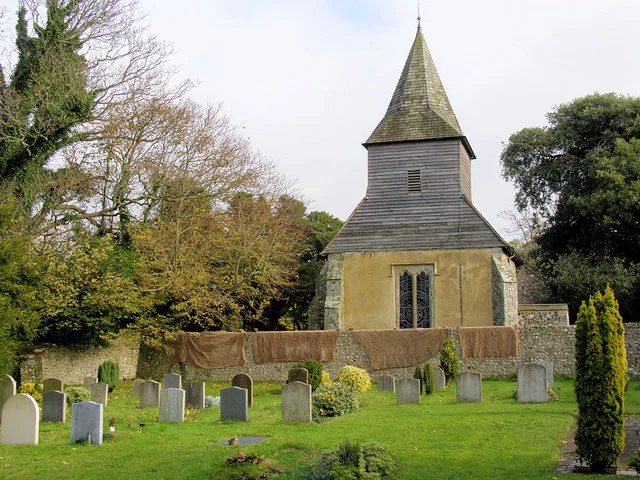
St Mary and St Peter's Church, Wilmington
Historic churches · 0.8 km

The Wilmington Yew
Natural landmarks · 0.9 km

Wilmington
Villages · 1.1 km

Burlough Castle
Castles · 1.4 km

Burghlow
Castles · 1.4 km
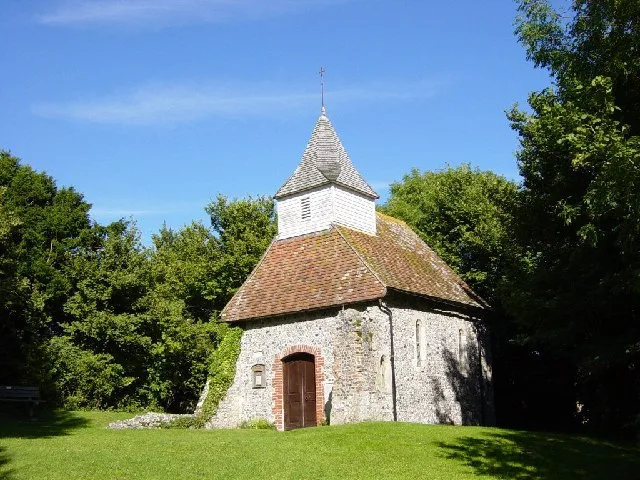
Lullington Church
Historic churches · 1.5 km
Nearby
📷 5Archaeological sites · South East England
Long Man of Wilmington
Long Man of Wilmington — archaeological in england south east.
📷 5Mountains & hills · South East England
Wilmington Hill
Wilmington Hill — mountain in england south east. Elevation: 214 m.
📷 5Mountains & hills · South East England
Wilmington Hill
Wilmington Hill — a hill or mountain in england south east.
📷 5Abbeys & priories · South East England
Wilmington Priory
Wilmington Priory — an abbey in South East England, United Kingdom.
📷 5Archaeological sites · South East England
Wilmington Priory
Wilmington Priory — archaeological in england south east.
📷 5Historic churches · South East England
St Mary and St Peter's Church.
St Mary and St Peter's Church. — a church in South East England, United Kingdom.
Where to eat & stay near Long Man of Wilmington
Places to stay
 📷 7
📷 7 📷 7
📷 7Hotels · South East England
Star Inn
Star Inn — a hotel in england south east.
 📷 7
📷 7Hotels · South East England
Deans Place
Deans Place — a hotel in england south east.
 📷 5
📷 5Caravan parks · South East England
Alfriston Camping Park
Alfriston Camping Park — a caravan park in england south east.
 📷 5
📷 5Campsites · South East England
Alfriston Camping Park
Alfriston Camping Park — a campsite in england south east.
 📷 5
📷 5Campsites · South East England
Bramley Park Camping
Bramley Park Camping — a campsite in england south east.
Places to eat & drink
 📷 5
📷 5Historic pubs · South East England
The Plough And Harrow Inn
The Plough And Harrow Inn in England South East, United Kingdom.
 📷 5
📷 5Historic pubs · South East England
The Eight Bells Inn
The Eight Bells Inn in England South East, United Kingdom.
 📷 5
📷 5Historic pubs · South East England
Rose Cottage Inn
Rose Cottage Inn in England South East, United Kingdom.
 📷 7
📷 7 📷 5
📷 5Historic pubs · South East England
The Rainbow
The Rainbow in England South East, United Kingdom.
 📷 5
📷 5Historic pubs · South East England
The George Hotel
The George Hotel in England South East, United Kingdom.
Other places from this era
 Flagship📷 10
Weird & wonderful · London
Hamleys
The world's oldest toy shop, seven floors of Regent Street since 1760.
 ★ Iconic📷 10
Weird & wonderful · South East England
Bekonscot Model Village & Railway
The world's oldest model village — a frozen 1930s England in miniature.
 ★ Iconic📷 10
Weird & wonderful · South East England
Shell Grotto
A 4.6-million-shell underground passage of unknown origin, discovered in 1835.
 ★ Iconic📷 3
Weird & wonderful · Yorkshire & the Humber
The Forbidden Corner
A four-acre folly garden of mazes, tunnels and surreal sculptures in the Yorkshire Dales.
Frequently asked questions
- Where is Long Man of Wilmington?
- Long Man of Wilmington is in East Sussex, South-East England, United Kingdom (postcode BN26 5SW), in the parish of Long Man.
- What is Long Man of Wilmington?
- 72-metre chalk hill figure on the South Downs, largest in Western Europe.
- How do I get to Long Man of Wilmington?
- The nearest railway station is Mungo's Central Station, about 2.3 km away. The nearest town is Alfriston. Drivers can use postcode BN26 5SW.
- When was Long Man of Wilmington built?
- Built or established in 1710.
- Who owns Long Man of Wilmington?
- Long Man of Wilmington is owned by Sussex Archaeological Society.
- Is Long Man of Wilmington a protected site?
- Yes — Long Man of Wilmington is part of the Wilmington Downs SSSI Site of Special Scientific Interest and the SEVEN SISTERS National Nature Reserve.
- How do I get to Long Man of Wilmington?
- The nearest railway station is Mungo's Central Station, about 2.3 km away. Drivers can navigate to postcode BN26 5SW.