
Weird & wonderful · South West England
Weird and wonderful Britain: 12 oddities
Chalk giants, follies, marble mountains and a 4-million-shell underground passage.
The British Isles run deep on eccentricity. This guide collects 12 of the strangest visitable places in the country — places that tell you more about Britain's relationship with its own history than any National Trust property ever will.
Places in this guide
 📷 5
📷 5Hill forts · South West England
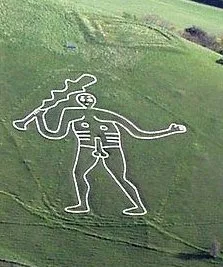
Cerne Abbas Giant
Cerne Abbas Giant — hill figure near the village of Cerne Abbas in Dorset, England, UK.
 ★ Iconic📷 10
Weird & wonderful · South East England
Long Man of Wilmington
72-metre chalk hill figure on the South Downs, largest in Western Europe.
 📷 5
📷 5Hill forts · South East England
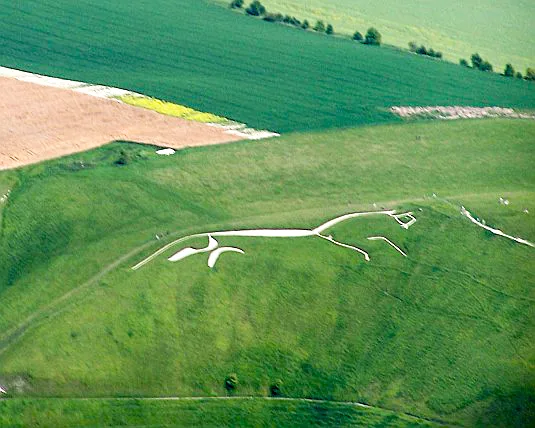
Uffington White Horse
Uffington White Horse — prehistoric carving in Uffington, England.
 ★ Iconic📷 3
Weird & wonderful · Yorkshire & the Humber
The Forbidden Corner
A four-acre folly garden of mazes, tunnels and surreal sculptures in the Yorkshire Dales.
 ★ Iconic📷 5
Follies · Central Scotland
The Dunmore Pineapple
An 18th-century garden folly topped with a giant stone pineapple — Scotland's strangest building.
 ★ Iconic📷 4
Weird & wonderful · North West England
Derwent Pencil Museum
The story of the pencil, told in Keswick where graphite was first discovered.
 ★ Iconic📷 10
Weird & wonderful · South East England
Shell Grotto
A 4.6-million-shell underground passage of unknown origin, discovered in 1835.
 Flagship📷 3
Weird & wonderful · South West England
House of Marbles
The UK's only working marble factory, with a free 200,000-marble museum.
 ★ Iconic📷 10
Weird & wonderful · South East England
Bekonscot Model Village & Railway
The world's oldest model village — a frozen 1930s England in miniature.
 ★ Iconic📷 4
Memorials & monuments · Central Scotland
The Kelpies
Two 30-metre stainless-steel horse-head sculptures — the world's largest equine sculptures.
 Flagship📷 5
Stone circles · South East England
The Rollright Stones
Three Neolithic monuments turned to stone by a witch, according to local legend.
 ★ Iconic📷 10
Family attractions · South East England
Blackgang Chine
The UK's oldest amusement park, opened on the Isle of Wight in 1843.