
Wildlife reserves · East of England
Cley Marshes
In or near Blakeney.
Cley Marshes — nature reserve on the North Sea coast of England.

Wikimedia Commons contributors — see linked file page for photographer and licence licence

Plan your visit
- Typical visit
- 2 h–4 h
- Best time of year
- Autumn & winter (migration & wildfowl)
- Nearest railway station
- Kelling Heath Park · 6.2 km
- Free entry
- Family-friendly
- Dog-friendly
- Limited wheelchair access
Getting there & planning your visit
Cley Marshes is located in North Norfolk, postcode NR25 7SB, and the nearest railway station is Kelling Heath Park, which is 6.2 km away. Entry to the reserve is free, but wheelchair accessibility is limited.
About
Cley Marshes is a wildlife reserve in the United Kingdom. Records date its origin to 1926. It covers approximately 176 km². Owned by Norfolk Wildlife Trust. Managed by Norfolk Wildlife Trust. Wikidata describes it as: "nature reserve on the North Sea coast of England". Coordinates: 52.9590°, 1.0560°.
Photo gallery
Summary from the official site
Cley Marshes is a nature reserve known for its expansive marshlands, diverse birdlife, and scenic coastal views. Visitors can explore the area, enjoy walks, and observe various bird species in their natural habitat.
Read more on the official property page.
Protected designations
- Site of Special Scientific Interest: North Norfolk Coast SSSI
- Area of Outstanding Natural Beauty: Norfolk Coast
- Ramsar wetland: North Norfolk Coast
Designations sourced from Natural England open data under OGL v3.
From the Wikipedia article
Cley Marshes is a 176-hectare (430-acre) nature reserve on the North Sea coast of England just outside the village of Cley next the Sea, Norfolk. A reserve since 1926, it is the oldest of the reserves belonging to the Norfolk Wildlife Trust (NWT), which is itself the oldest county Wildlife Trust in the United Kingdom. Cley Marshes protects an area of reed beds, freshwater marsh, pools and wet meadows and is part of the North Norfolk Coast Site of Special Scientific Interest (SSSI), Special Area of Conservation (SAC), Special Protection Area (SPA), and Ramsar Site due to the large numbers of birds it attracts. The reserve is important for some scarce breeding species, such as pied avocets on the islands, and western marsh harriers, Eurasian bitterns and bearded reedlings in the reeds, and is also a major migration stopoff and wintering site. There are also several nationally or locally scarce invertebrates and plants specialised for this coastal habitat. It has five bird hides and an environmentally friendly visitor centre and further expansion is planned through the acquisition of neighbouring land and improvements to visitor facilities. The site has a long history of human occupation, from prehistoric farming to its use as a prisoner of war camp in the Second World War. The reserve attracts large numbers of visitors, contributing significantly to the economy of Cley village. Despite centuries of embankment to reclaim land and protect the village, the marshes have been flooded many times, and the southward march of the coastal shingle bank and encroachment by the sea make it inevitable that the reserve will eventually be lost. New wetlands are being created further inland to compensate for the loss of coastal habitats.
Excerpt from Wikipedia under CC BY-SA 4.0. See the source article linked in Sources below.
Background
Visiting
The reserve is to the north of the A149 coast road just east of the village of Cley next the Sea, 6 km (3.7 mi) north of Holt. The visitor centre and car park are to the south of the road, opposite the reserve. The reserve can be reached by public transport using the bus service that stops outside the visitor centre. The reserve is viewable from the visitor centre, footpaths next to the A149 and down the East Bank, the beach and the road running from the beach back to the main road. It can be accessed by footpaths at three points, each leading to one or more bird hides. Beach Road and the beach itself form part of the Peddars Way long distance footpath. The present visitor centre, which…
Sourced from Wikipedia under CC BY-SA 4.0.
- Coordinates
- 52.9590, 1.0560
- County
- Norfolk
- District
- North Norfolk
- Parish
- Cley Next The Sea
- Postcode
- NR25 7SB
- Parliamentary constituency
- North Norfolk
- Established
- 1926
- Nearest railway station
- Kelling Heath Park — 6.2 km
- Official site
- www.norfolkwildlifetrust.org.uk
Sources
- wikidata: Q2979003 (CC0)
- wikipedia: Cley Marshes (CC BY-SA 4.0)
- commons: Cley Marshes Nature Reserve - geograph.org.uk - 1405631.jpg (CC BY-SA 4.0)
Featured in these 2 guides
Other places nearby

Cley Marshes
Forests & woodlands · 0.2 km

Vera
Museums · 0.8 km

Cley Windmill
Windmills · 1.0 km

Whaleborne House
Historic houses · 1.1 km

Blakeney Chapel
Chapels · 1.2 km

Cley next the Sea
Villages · 1.4 km

Rectory Hill
Campsites · 1.4 km
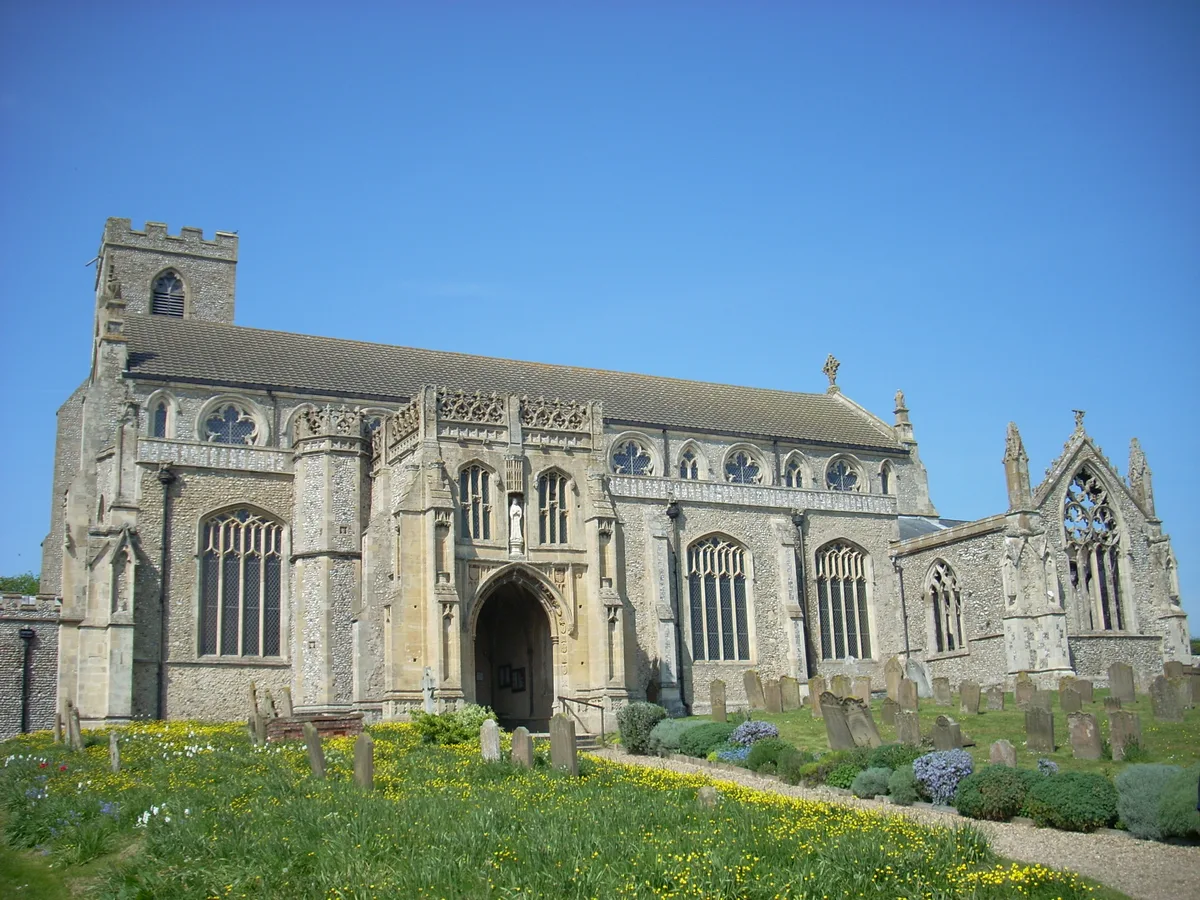
St Margaret's, Cley
Historic churches · 1.5 km

The Sheiling
Caravan parks · 1.7 km
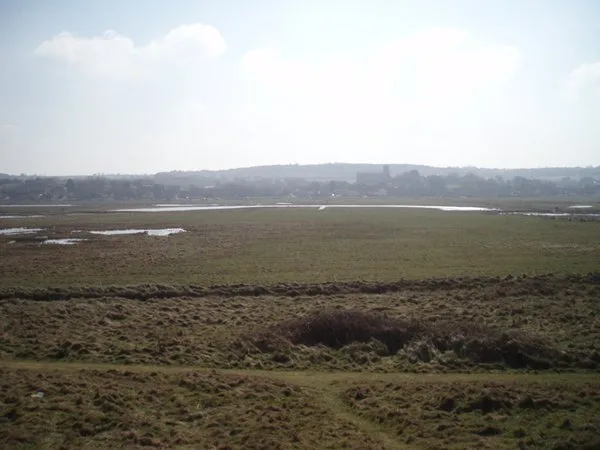
Salthouse Marshes
Wildlife reserves · 1.8 km

Wiveton War Memorial
Memorials & monuments · 2.0 km

Wiveton
Villages · 2.1 km
Nearby
📷 5Forests & woodlands · East of England
Cley Marshes
Cley Marshes is a forest or woodland in the United Kingdom.
📷 5📷 3📷 3Historic houses · East of England
Whaleborne House
Whaleborne House — house in Cley Next the Sea, North Norfolk, England, UK.
📷 3Chapels · East of England
Blakeney Chapel
Blakeney Chapel — Ruined building on the North Norfolk coast of England.
📷 5Where to eat & stay near Cley Marshes
Places to stay
📷 5📷 5 📷 5
📷 5Caravan parks · East of England
Friary Farm Caravan Park
Friary Farm Caravan Park — a caravan park in england east midlands.
 📷 5
📷 5 📷 5
📷 5 📷 5
📷 5Places to eat & drink
 📷 5
📷 5Historic pubs · East of England
White Horse Public House
White Horse Public House in England East, United Kingdom.
 📷 5
📷 5 📷 5
📷 5Historic pubs · East of England
The Bluebell
The Bluebell in England East, United Kingdom.
 📷 5
📷 5 📷 5
📷 5Historic pubs · East of England
Oxford Stores Public House
Oxford Stores Public House in England East, United Kingdom.
 📷 5
📷 5Historic pubs · East of England
Black Boys Public House
Black Boys Public House in England East, United Kingdom.
More places run by Norfolk Wildlife Trust
 📷 5
📷 5Wildlife reserves · East of England
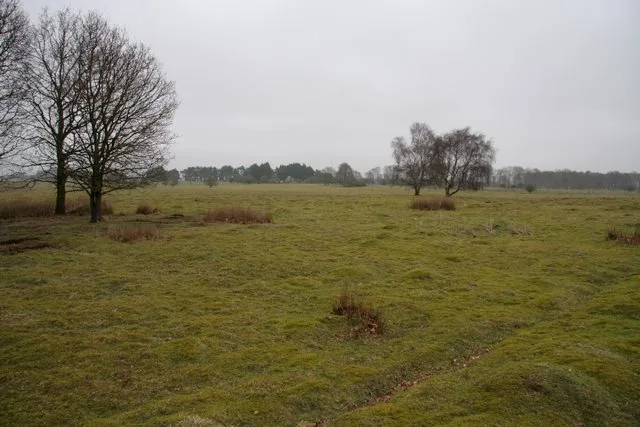
East Wretham Heath
East Wretham Heath — nature reserve near Thetford.
 📷 5Flagship📷 5
Wildlife reserves · East of England
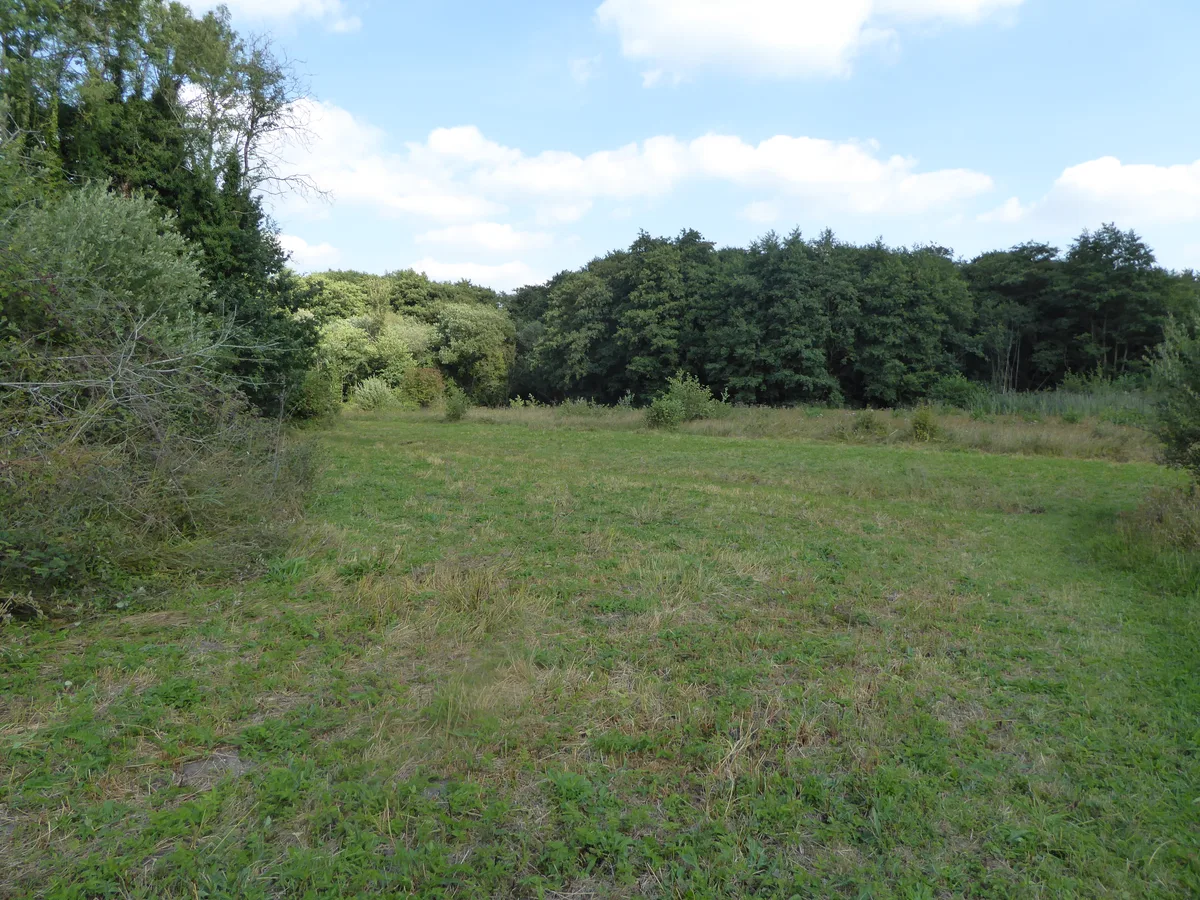
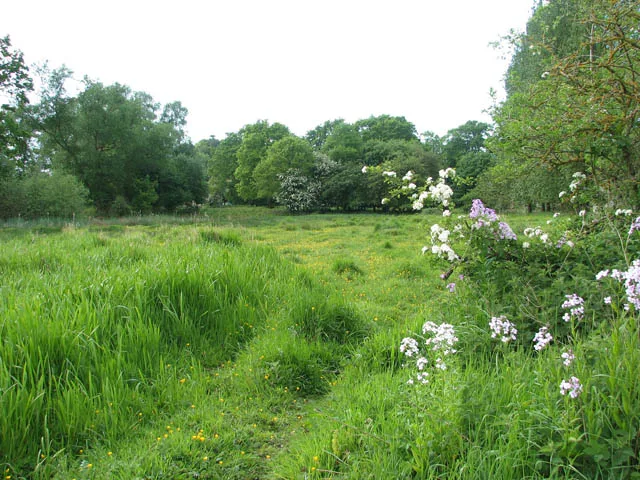
Salthouse Marshes
Salthouse Marshes — nature reserve in Norfolk, England.
 📷 5
📷 5Wildlife reserves · East of England
Hoe Rough
Hoe Rough — nature reserve in Norfolk, England, UK.
Other places from this era
 Flagship📷 9
Wildlife reserves · London
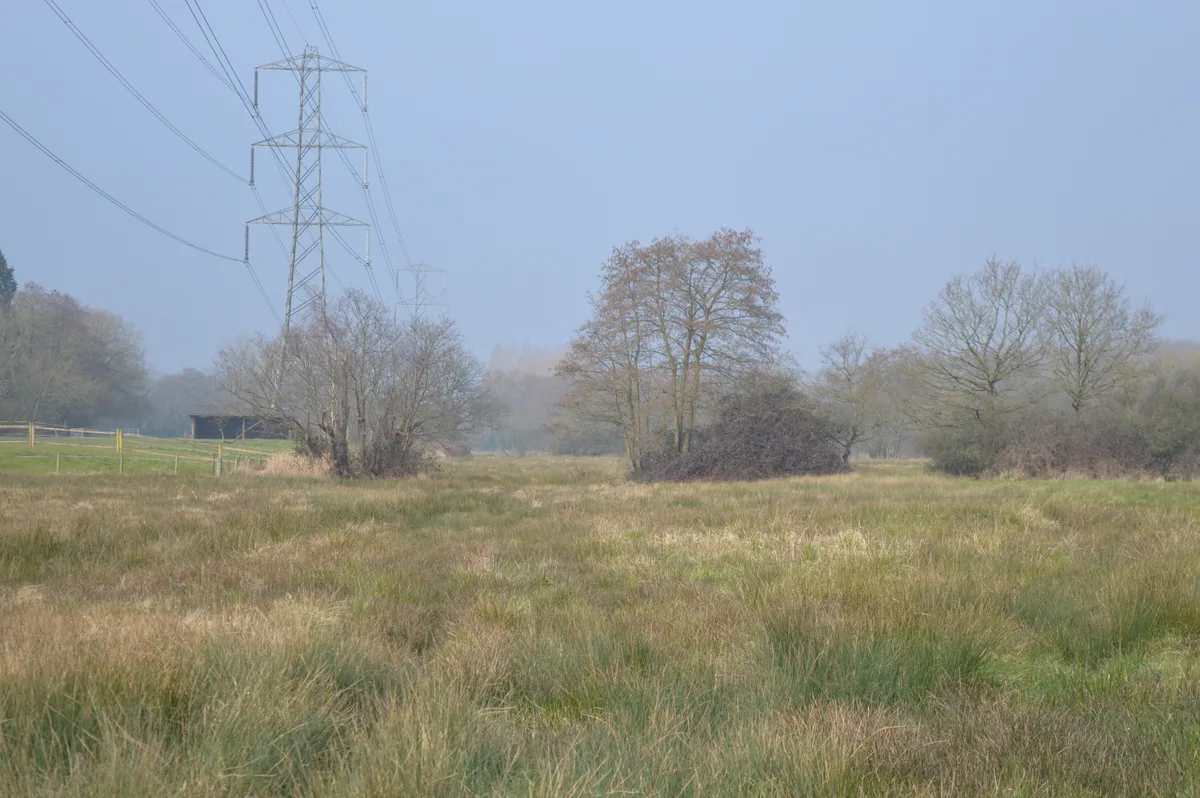
Kingcup Meadows and Oldhouse Wood
Kingcup Meadows and Oldhouse Wood is a wildlife reserve in the United Kingdom.
 Flagship📷 10
Wildlife reserves · London
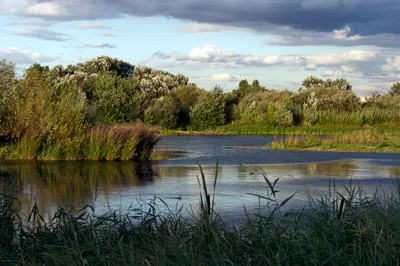
WWT London Wetland Centre
WWT London Wetland Centre — wetland reserve in the Barnes area of the London Borough of Richmond upon Thames.
 📷 5
📷 5Wildlife reserves · South East England
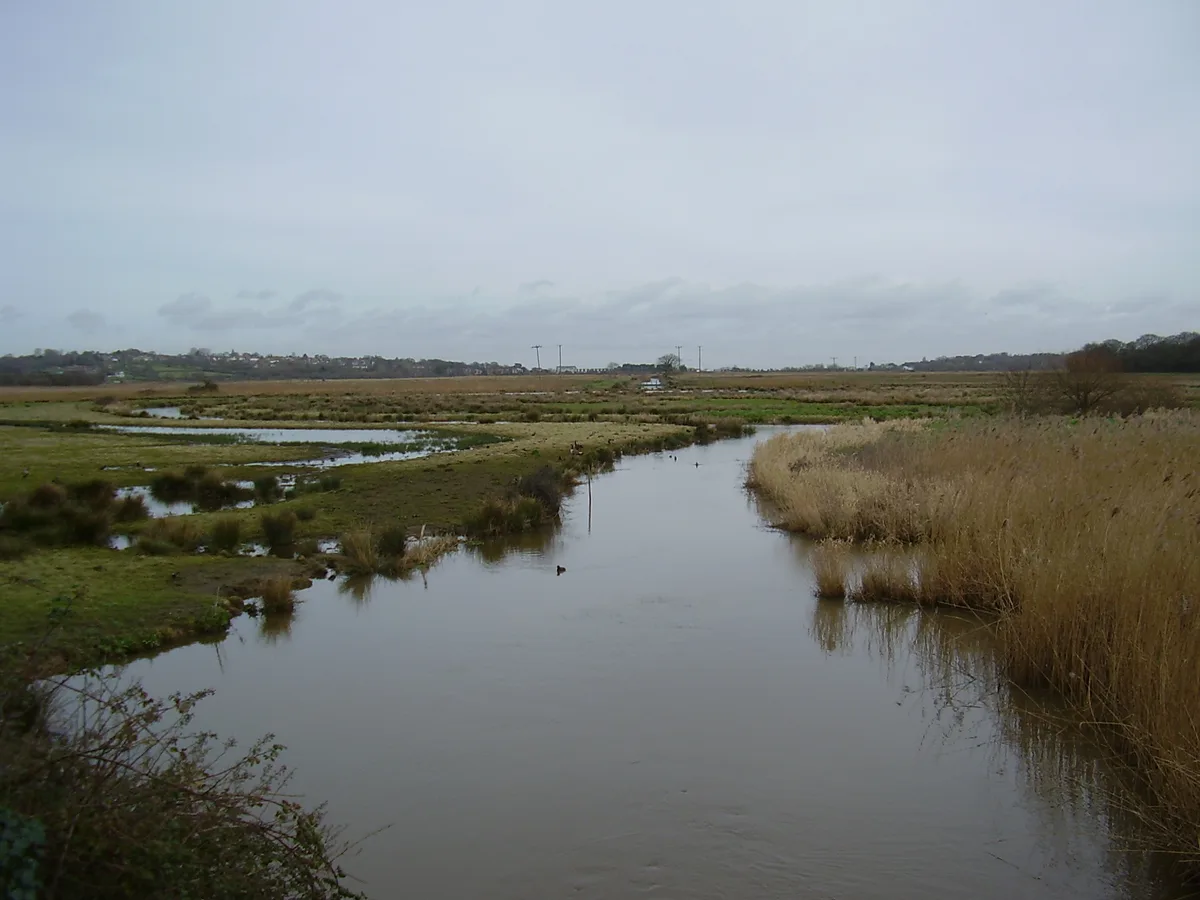
Brading Marshes RSPB reserve
Brading Marshes RSPB reserve — RSPB nature reserve on the Isle of Wight.
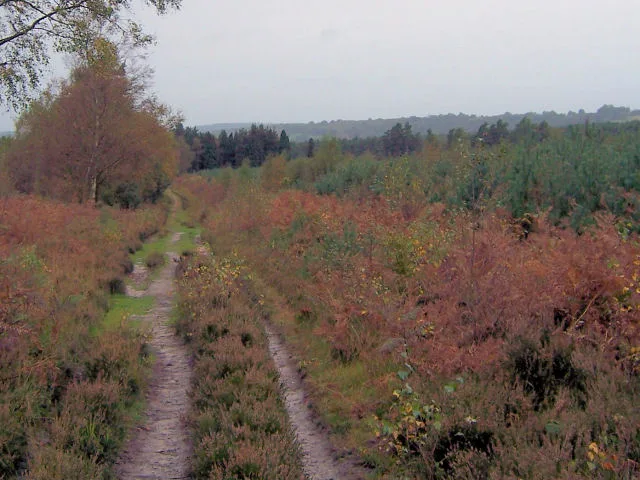 📷 5
📷 5Wildlife reserves · South East England
Broadwater Warren RSPB Reserve
Broadwater Warren RSPB Reserve — RSPB nature reserve in the United Kingdom.
More places in this region
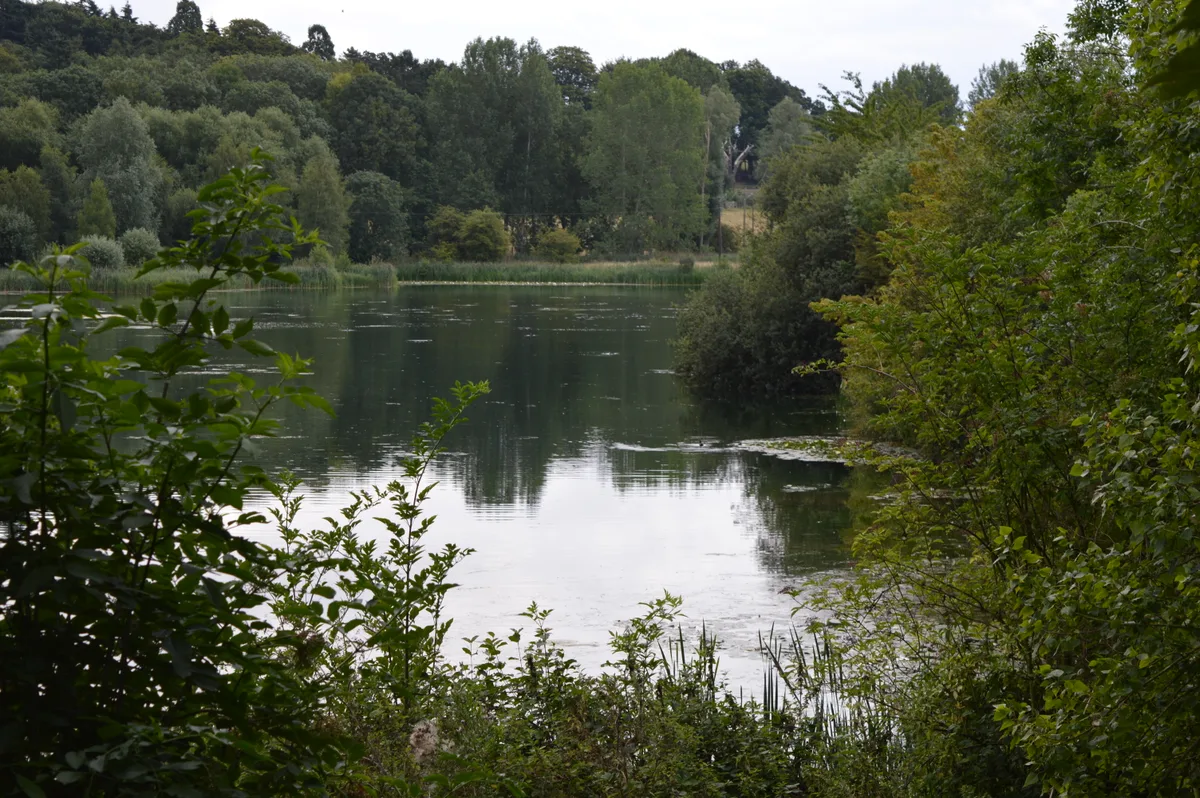 Flagship📷 10
Wildlife reserves · East of England
Amwell Quarry
Amwell Quarry — nature reserve in United Kingdom.
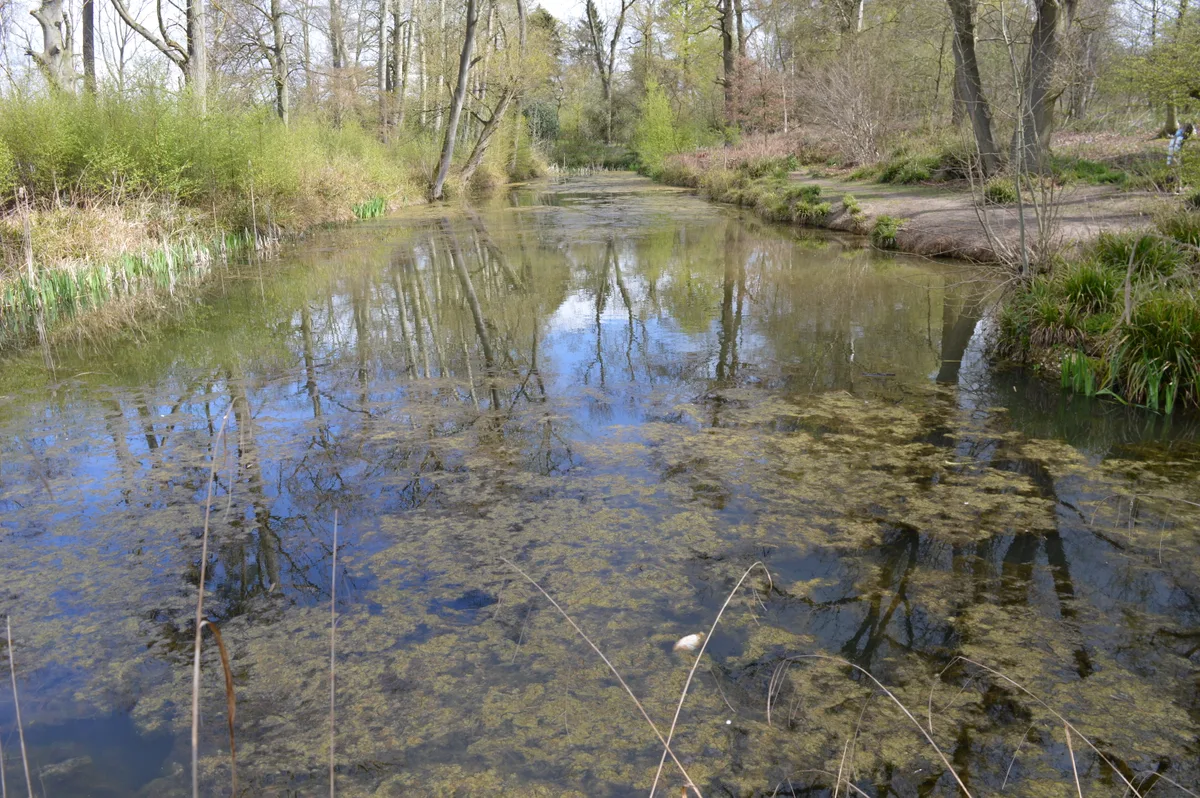 Flagship📷 10
Wildlife reserves · East of England
Aubrey Buxton Nature Reserve
Aubrey Buxton Nature Reserve — Essex Wildlife Trust Nature reserve.
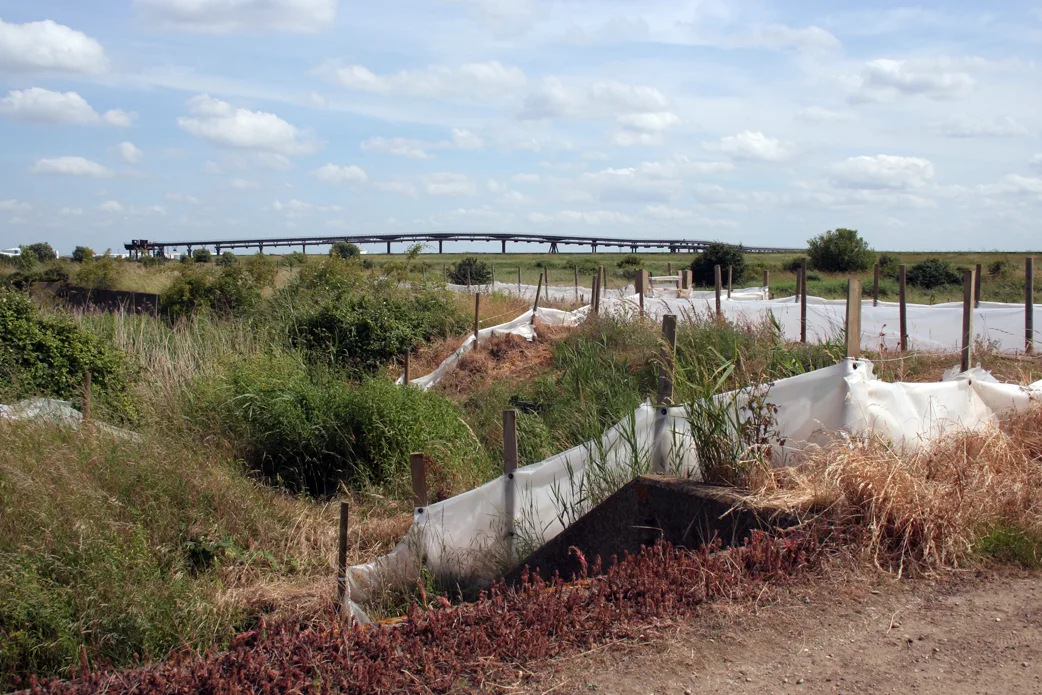 Flagship📷 10
Wildlife reserves · East of England
Canvey Wick
Canvey Wick — nature reserve in Essex, United Kingdom.
 Flagship📷 10
Wildlife reserves · East of England
Crowsheath Wood
Crowsheath Wood — Essex Wildlife Trust Nature reserve.
Frequently asked questions
- Where is Cley Marshes?
- Cley Marshes is in Norfolk, East of England, United Kingdom (postcode NR25 7SB), in the parish of Cley Next The Sea.
- What is Cley Marshes?
- Cley Marshes — nature reserve on the North Sea coast of England.
- How do I get to Cley Marshes?
- The nearest railway station is Kelling Heath Park, about 6.2 km away. The nearest town is Blakeney. Drivers can use postcode NR25 7SB.
- When was Cley Marshes built?
- Built or established in 1926.
- Who runs Cley Marshes?
- Cley Marshes is operated by Norfolk Wildlife Trust.
- Is Cley Marshes a protected site?
- Yes — Cley Marshes is part of the North Norfolk Coast SSSI Site of Special Scientific Interest and the Norfolk Coast National Landscape (AONB).
- Is Cley Marshes free to visit?
- Yes, Cley Marshes is free to enter.
- How do I get to Cley Marshes?
- The nearest railway station is Kelling Heath Park, about 6.2 km away. Drivers can navigate to postcode NR25 7SB.