
Archaeological sites · South West England
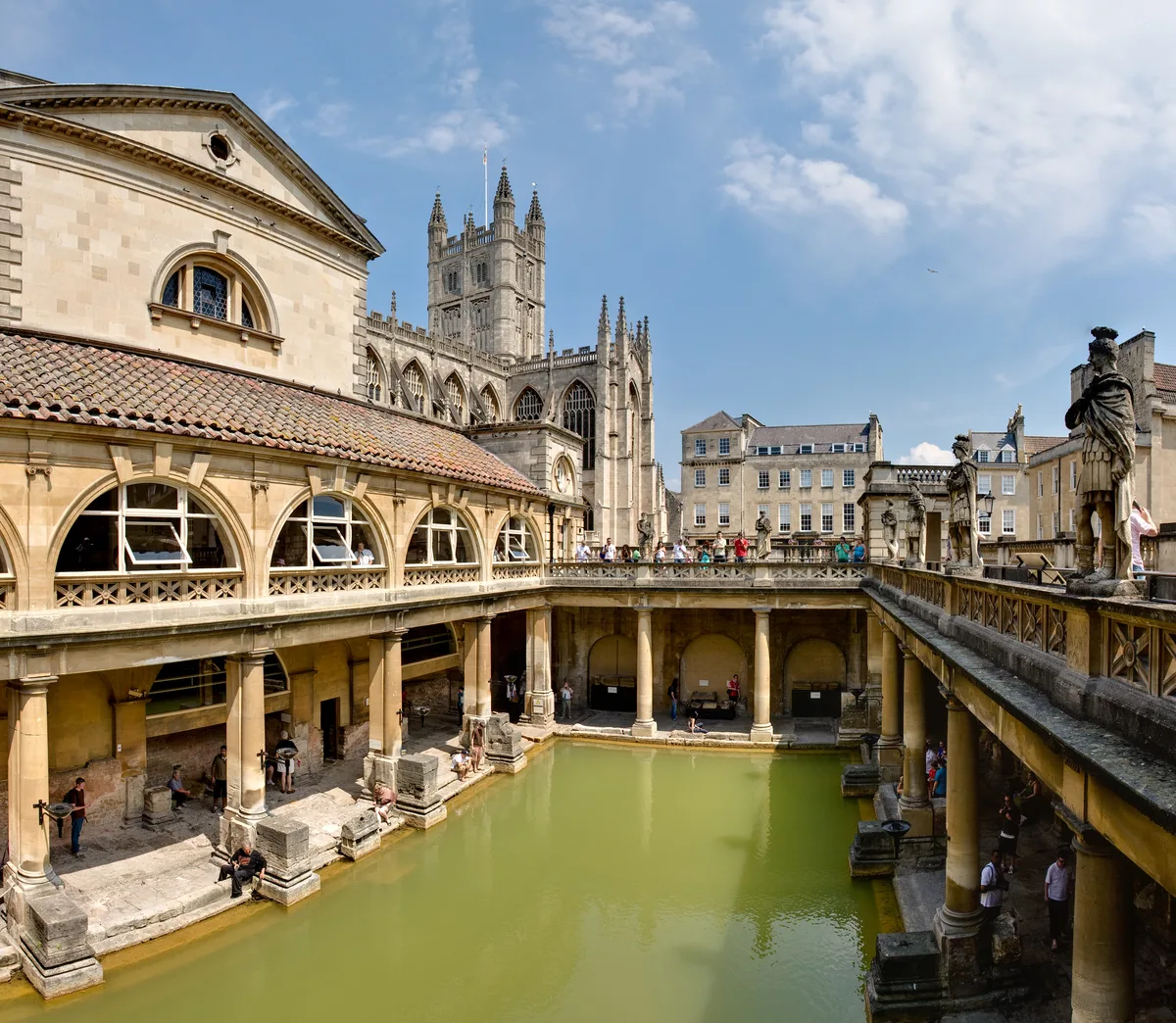
The Roman Baths
In or near Bathford.
Britain's best-preserved Roman bathing complex.

Neil Owen — CC BY-SA 2.0 via Wikimedia Commons licence

Plan your visit
- Typical visit
- 45 min–1.5 h
- Nearest railway station
- Bath Spa · 0.4 km
- Free entry
- Family-friendly
- Dog-friendly
Getting there & planning your visit
The Roman Baths is located in Bath and North East Somerset, postcode BA1 1NN. The nearest railway station is Bath Spa, which is 0.4 km away. Entry is free, but please note that the site is not wheelchair accessible.
About
The Roman Baths in the centre of Bath are the best-preserved Roman bathing complex in northern Europe, fed by a hot spring that produces 1.17 million litres of 46°C water a day. Built around 70 AD as Aquae Sulis; the Great Bath, sacred spring, and Temple of Sulis Minerva survive substantially intact. The Pump Room above (1789) is the Georgian assembly room where Bath's spa society met. UNESCO World Heritage Site.
Photo gallery
Official information
The Roman Baths is an ancient site that showcases the ruins of a Roman bathhouse and temple. Visitors can explore the well-preserved remains, learn about the history of Roman bathing culture, and see artifacts from the period.
Protected designations
- Site of Special Scientific Interest: Combe Down and Bathampton Down Mines SSSI
- Area of Outstanding Natural Beauty: Cotswolds
Designations sourced from Natural England open data under OGL v3.
From the Wikipedia article
The Roman Baths are well-preserved thermae in the city of Bath, Somerset, England. A temple was constructed on the site between 60 and 70 AD in the first few decades of Roman Britain. Its presence led to the development of the small Roman urban settlement known as Aquae Sulis around the site. The Roman baths—designed for public bathing—were used until the end of Roman rule in Britain in the 5th century AD. According to the Anglo-Saxon Chronicle, the original Roman baths were in ruins a century later. The area around the natural springs was redeveloped several times during the Early and Late Middle Ages. The Roman Baths are preserved in four main features: the Sacred Spring, the Roman Temple, the Roman Bath House, and a museum which holds artefacts from Aquae Sulis. However, all buildings at street level date from the 19th century. It is a major tourist attraction in the UK, and together with the Grand Pump Room, receives more than 1 million visitors annually. Visitors can tour the baths and museum but cannot enter the water due to the presence of the Naegleria fowleri pathogen.
Excerpt from Wikipedia under CC BY-SA 4.0. See the source article linked in Sources below.
Background
History
overlooking the King's Bath]] Archaeological evidence indicates that the site of the baths may have been a centre of worship used by Celts; the springs were dedicated to the goddess Sulis, who was locally identified with Minerva. Geoffrey of Monmouth in his largely fictional describes how the spring was discovered by the pre-Roman British king Bladud, who built the baths there. Early in the 18th century Geoffrey's obscure legend was given great prominence as a royal endorsement of the waters' qualities, with the embellishment that the spring had cured Bladud and his herd of pigs of leprosy through wallowing in the warm mud.
Sourced from Wikipedia under CC BY-SA 4.0.
- Coordinates
- 51.3811, -2.3592
- District
- Bath and North East Somerset
- Parish
- Bath and North East Somerset, unparished area
- Postcode
- BA1 1NN
- Parliamentary constituency
- Bath
- Phone
- 07753 378 325
- Established
- 1897
- Nearest railway station
- Bath Spa — 0.4 km
Sources
- manual: the-roman-baths (manual)
- wikipedia: Roman Baths (Bath) (CC BY-SA 4.0)
Featured in these 4 guides
Itinerary
Iconic Britain: a 7-day greatest-hits tour
Stonehenge, Bath, Edinburgh, Hadrian's Wall, the Lake District, Snowdonia, London.
Itinerary
A weekend in Bath
Roman baths, Georgian crescents and Jane Austen — Britain's only UNESCO city.
Itinerary
Roman roads you can still walk
Stane Street, the Fosse Way, Watling Street and Ermine Street.
Itinerary
Britain's historic spa towns
Bath, Buxton, Cheltenham, Tunbridge Wells, Royal Leamington Spa.
Other places nearby

Temple of Sulis Minerva
Archaeological sites · 0.0 km
Roman Baths
Museums · 0.0 km

44AD Art Gallery and Studios
Galleries · 0.0 km
Aquae Sulis
Hill forts · 0.0 km
Bath Abbey
Abbeys & priories · 0.0 km

King's Bath
Historic houses · 0.0 km
Bath
UNESCO World Heritage · 0.0 km

Ralph Allen's Town House
Historic houses · 0.1 km
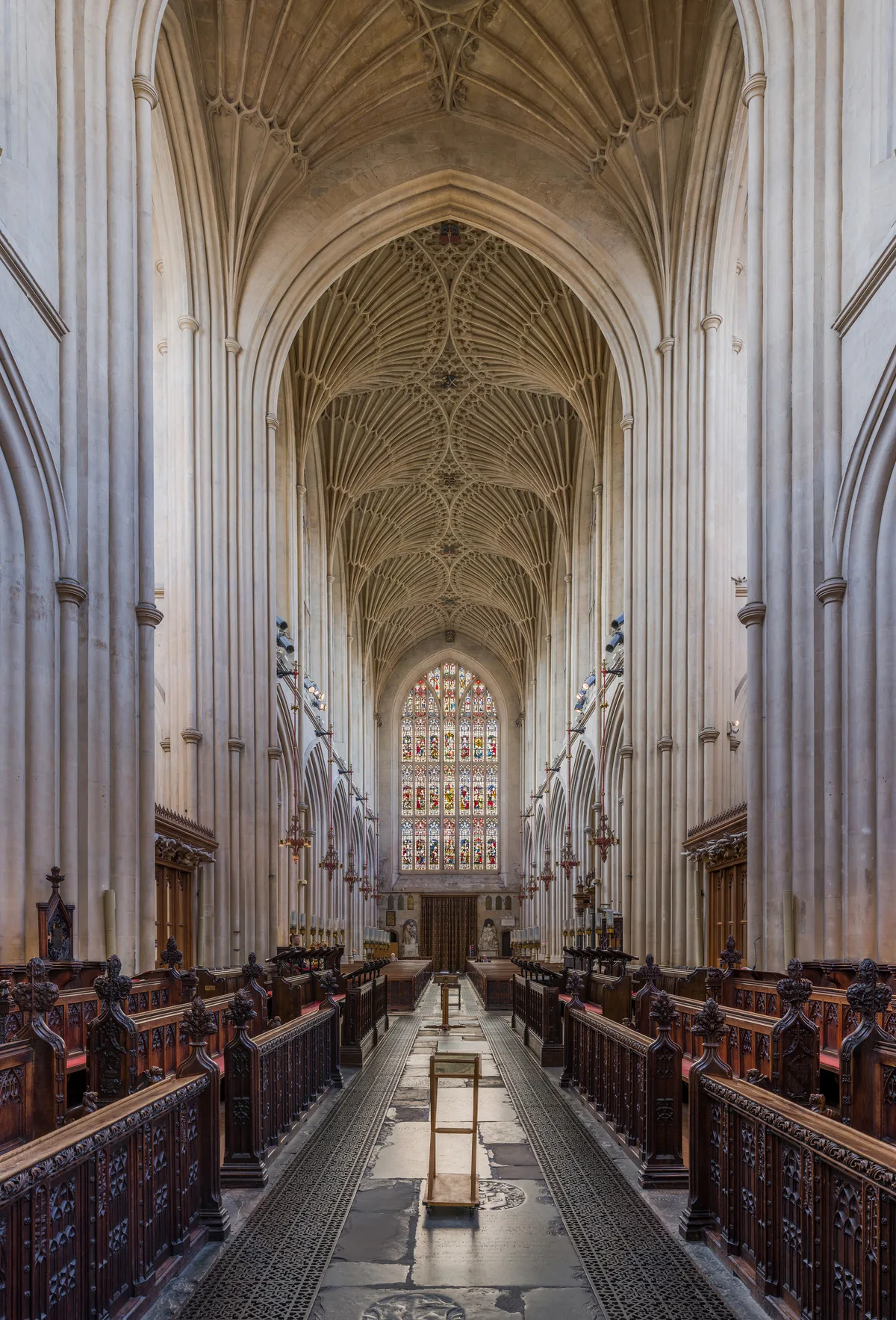
Bath Cathedral Priory
Cathedrals · 0.1 km

General Wade's House
Historic houses · 0.1 km

Rebecca Fountain
National landscapes (AONB) · 0.1 km

Bath World Heritage Centre
Museums · 0.1 km
Nearby
📷 5Archaeological sites · South West England
Temple of Sulis Minerva
Temple of Sulis Minerva — an archaeological site in South West England, United Kingdom.
📷 5Museums · South West England
Roman Baths
Roman Baths — museum and site in Bath, United Kingdom.
📷 5Galleries · South West England
44AD Art Gallery and Studios
44AD Art Gallery and Studios — a gallery in South West England, United Kingdom.
📷 5Hill forts · South West England
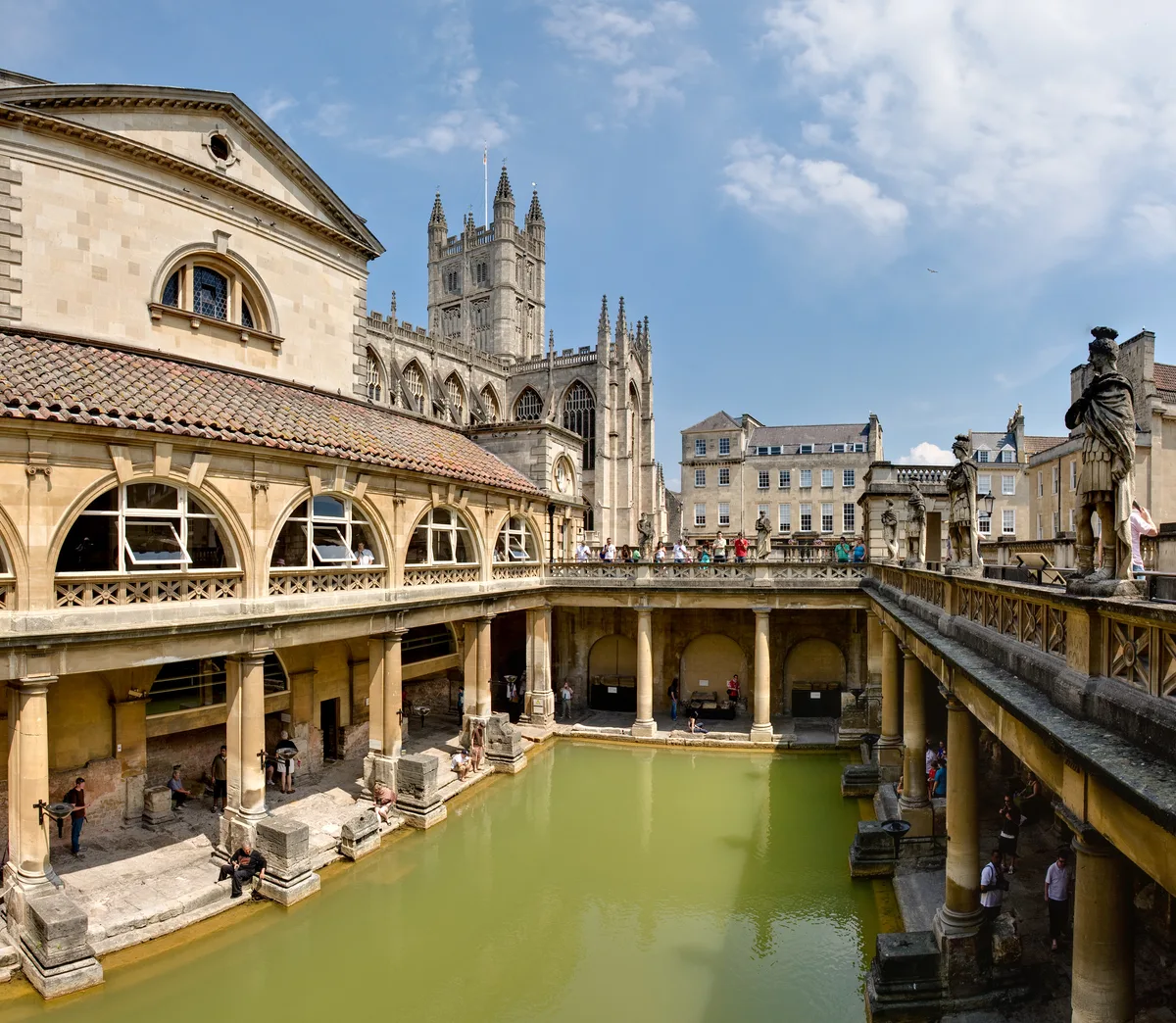
Aquae Sulis
Aquae Sulis — town in Roman Britain on the site of Bath, England.
★ Iconic📷 5Abbeys & priories · South West England
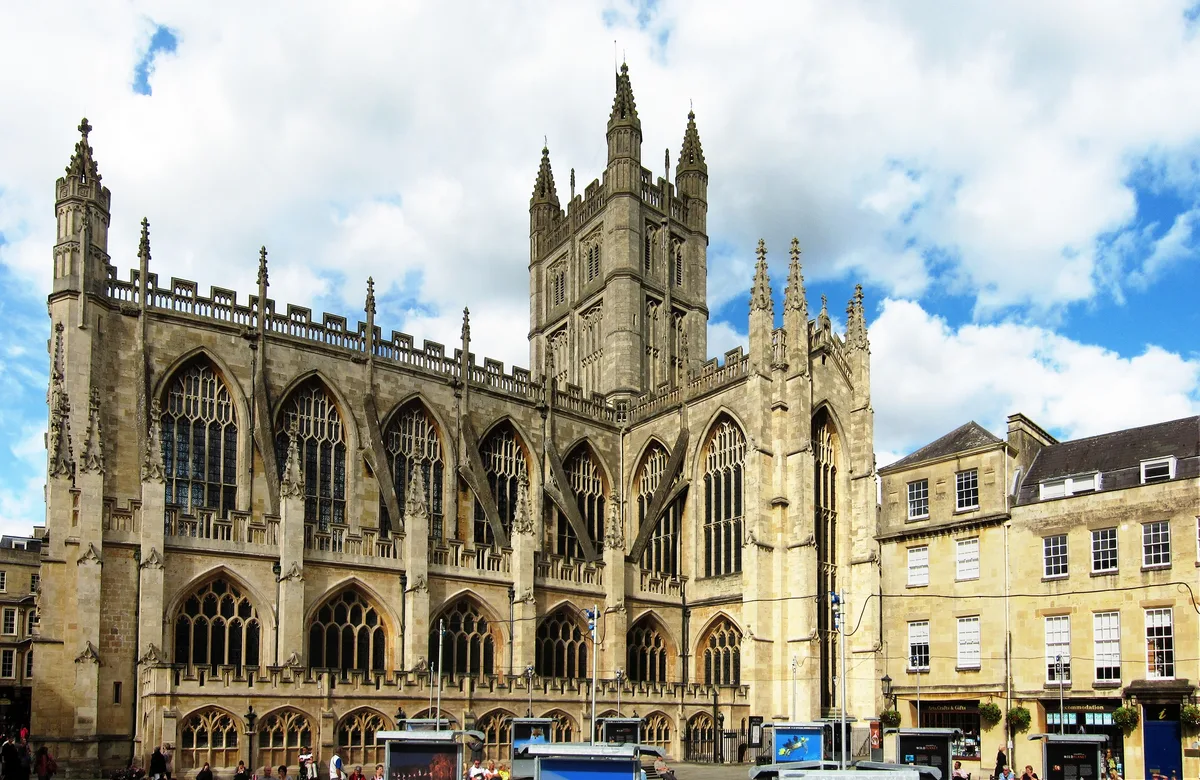
Bath Abbey
Bath Abbey — church building in Bath, Somerset, England, UK.
📷 5Historic houses · South West England
King's Bath
King's Bath — a Grade I-listed historic house in england-south-east, United Kingdom.
Where to eat & stay near The Roman Baths
Places to stay
 📷 6
📷 6 📷 5
📷 5B&Bs · South West England
eight
eight — a bed-and-breakfast in england south east.
 📷 7
📷 7 📷 5
📷 5Hostels · South West England
Bath Backpackers
Bath Backpackers — a hostel in england south east.
 📷 5
📷 5Hotels · South West England
The Gainsborough Bath Spa
The Gainsborough Bath Spa — a hotel in england south east.
 📷 7
📷 7Places to eat & drink
 📷 5📷 5
 📷 5
📷 5Restaurants · South West England
Indian Temptation
Indian Temptation — a restaurant in england south east.
 📷 5
📷 5Cafés · South West England
Cafe Pastel
Cafe Pastel — a café in england south east.
 📷 7
📷 7Cafés · South West England
The Mad Hatter's Tea Party
The Mad Hatter's Tea Party — a café in england south east.
 📷 7
📷 7Restaurants · South West England
Kokoro
Kokoro — a restaurant in england south east.
Other archaeological sites from this era
 📷 3
📷 3Archaeological sites · South West England
Romano-Celtic temple in Chedworth Woods
Romano-Celtic temple in Chedworth Woods — Romano-Celtic temple near Chedworth villa.
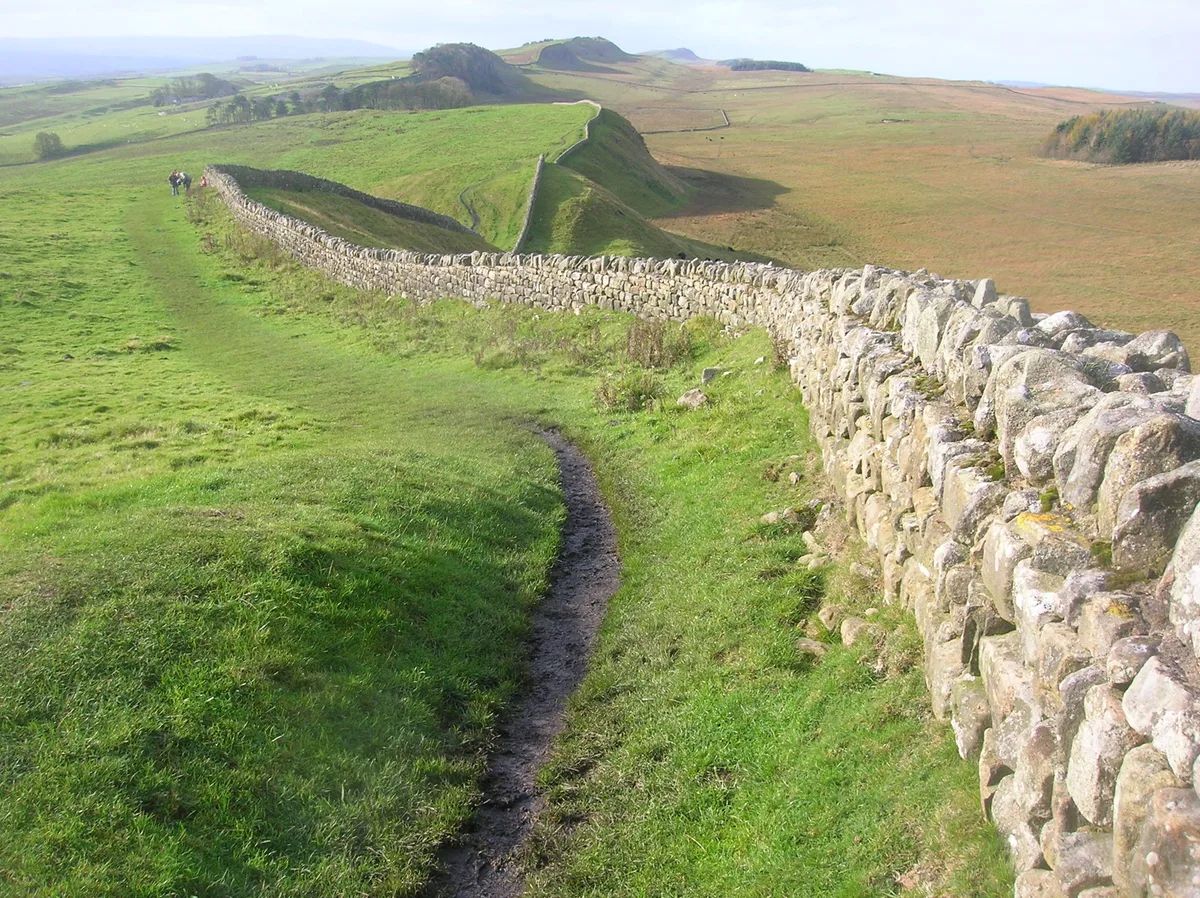 ★ Iconic📷 4
Archaeological sites · North East England
Hadrian's Wall
73-mile UNESCO World Heritage Roman frontier wall — Britain's most extensive Roman monument.
More archaeological sites in this region
 📷 5
📷 5Archaeological sites · South West England
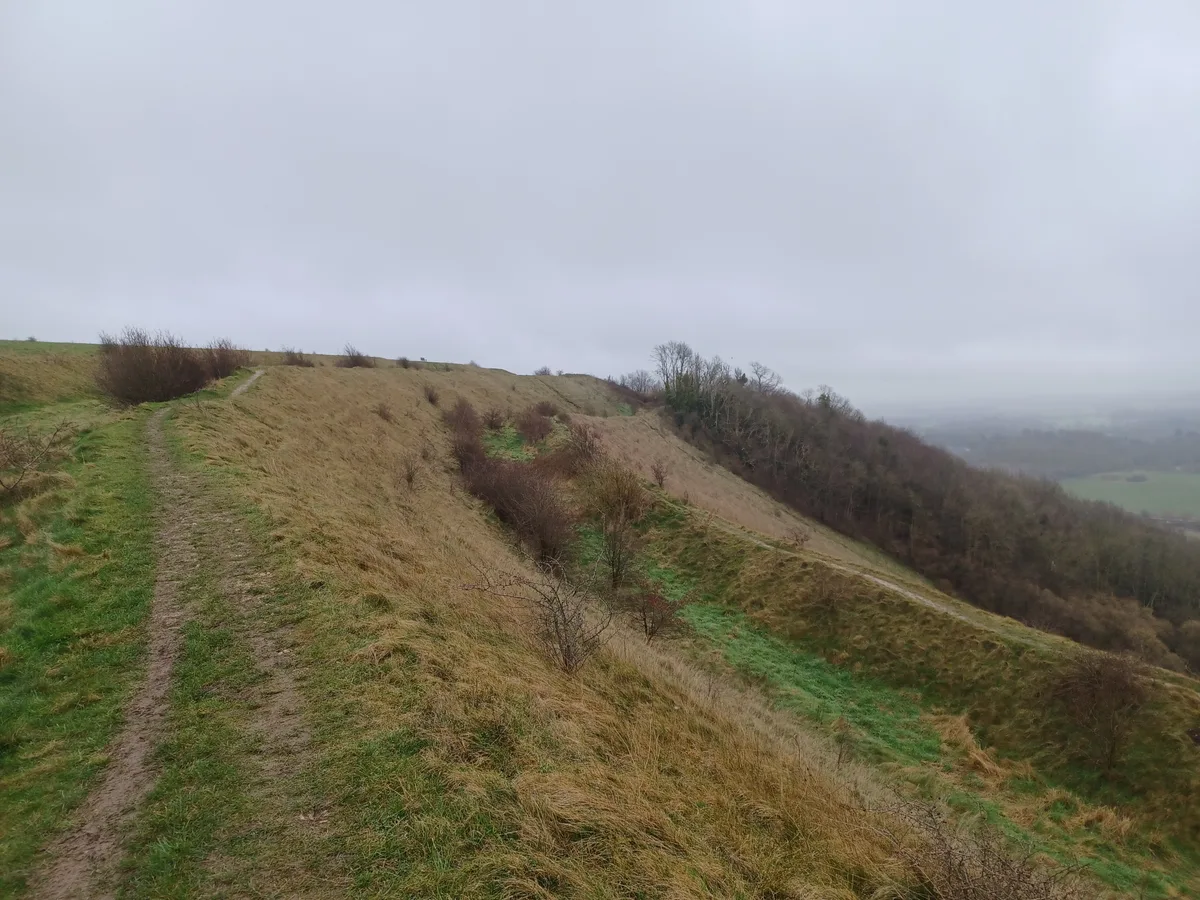
Battlesbury Camp Monuments: hillfort, settlement, cemetery, barrows, enclosure, and field systems
Battlesbury Camp Monuments: hillfort, settlement, cemetery, barrows, enclosure, and field systems — archaeological site in Warminster, Wiltshire, England, UK.
 📷 5
📷 5Archaeological sites · South West England
Blandford Forest
Blandford Forest — forest in Blandford Forum, England.
 📷 5
📷 5Archaeological sites · South West England
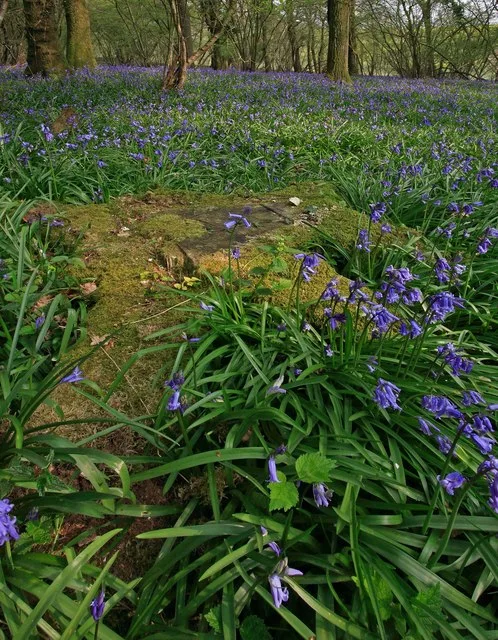
Boulsbury Wood
Boulsbury Wood — protected area in Dorset and Hampshire, England.
.jpg?width=1200) 📷 5
📷 5Archaeological sites · South West England
Cranborne Chase
Cranborne Chase — Plateau in southern England.
Frequently asked questions
- Where is The Roman Baths?
- The Roman Baths is in South-West England, United Kingdom (postcode BA1 1NN), in the parish of Bath and North East Somerset, unparished area.
- What is The Roman Baths?
- Britain's best-preserved Roman bathing complex.
- How do I get to The Roman Baths?
- The nearest railway station is Bath Spa, about 0.4 km away. The nearest town is Bathford. Drivers can use postcode BA1 1NN.
- When was The Roman Baths built?
- Built or established in 1897.
- Is The Roman Baths a protected site?
- Yes — The Roman Baths is part of the Combe Down and Bathampton Down Mines SSSI Site of Special Scientific Interest and the Cotswolds National Landscape (AONB).
- Is The Roman Baths free to visit?
- Yes, The Roman Baths is free to enter.
- How do I get to The Roman Baths?
- The nearest railway station is Bath Spa, about 0.4 km away. Drivers can navigate to postcode BA1 1NN.