
Archaeological sites · North East England
Roman roads you can still walk
Stane Street, the Fosse Way, Watling Street and Ermine Street.
The Roman road network is still visible across Britain, often as modern A-roads (the A5 follows Watling Street). But sections survive as walkable footpaths: Wheeldale Moor's exposed metalling on the Wade's Causeway (North York Moors), Stane Street across the South Downs, and the long straight Roman Ridge near Pontefract. Walking them lets you stand on 2,000-year-old paving.
Places in this guide
 ★ Iconic📷 4
Archaeological sites · North East England
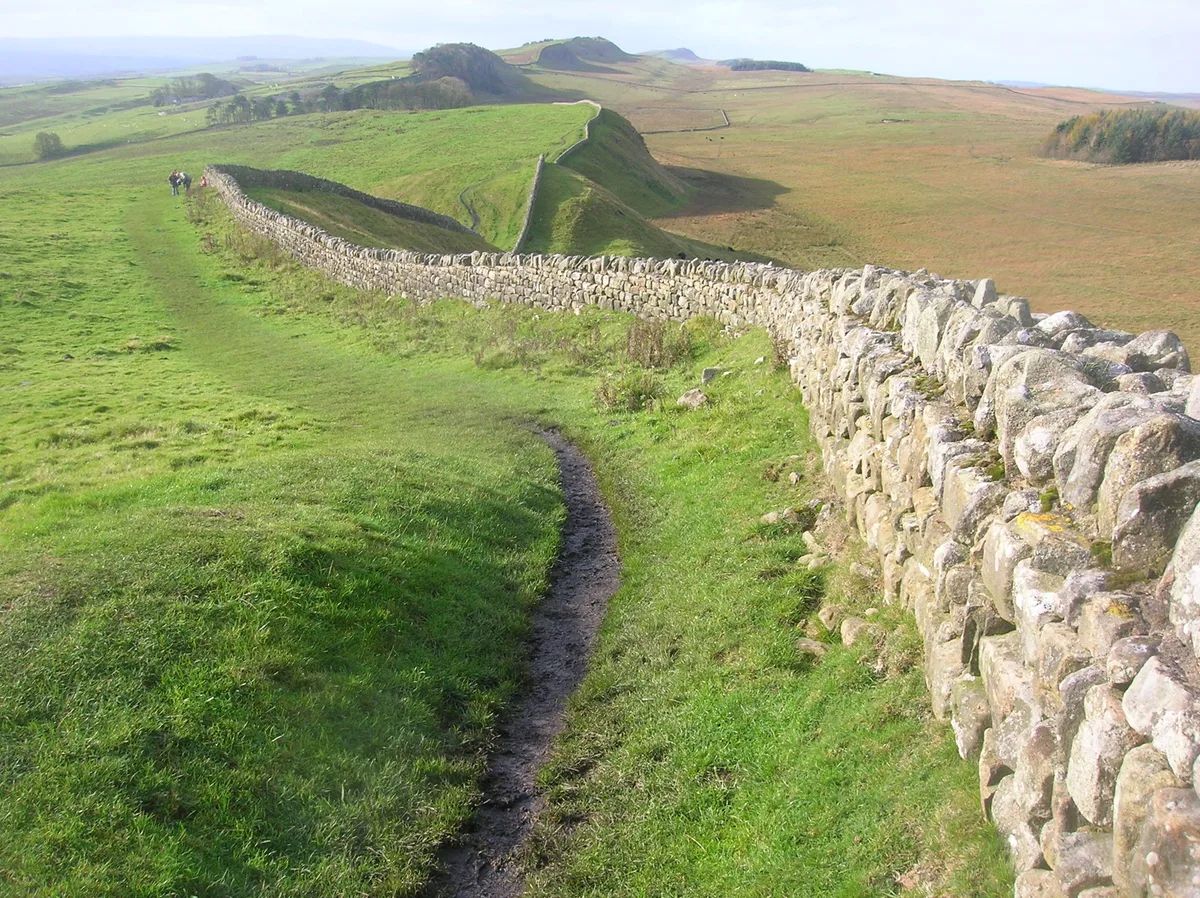
Hadrian's Wall
73-mile UNESCO World Heritage Roman frontier wall — Britain's most extensive Roman monument.
 ★ Iconic📷 5
Archaeological sites · South West England
The Roman Baths
Britain's best-preserved Roman bathing complex.
 ★ Iconic📷 3
Archaeological sites · Scottish Islands
Mousa Broch
Shetland's 13m Iron Age broch — the best-preserved in Scotland, 2,000 years old.
 Flagship📷 10
Archaeological sites · South East England
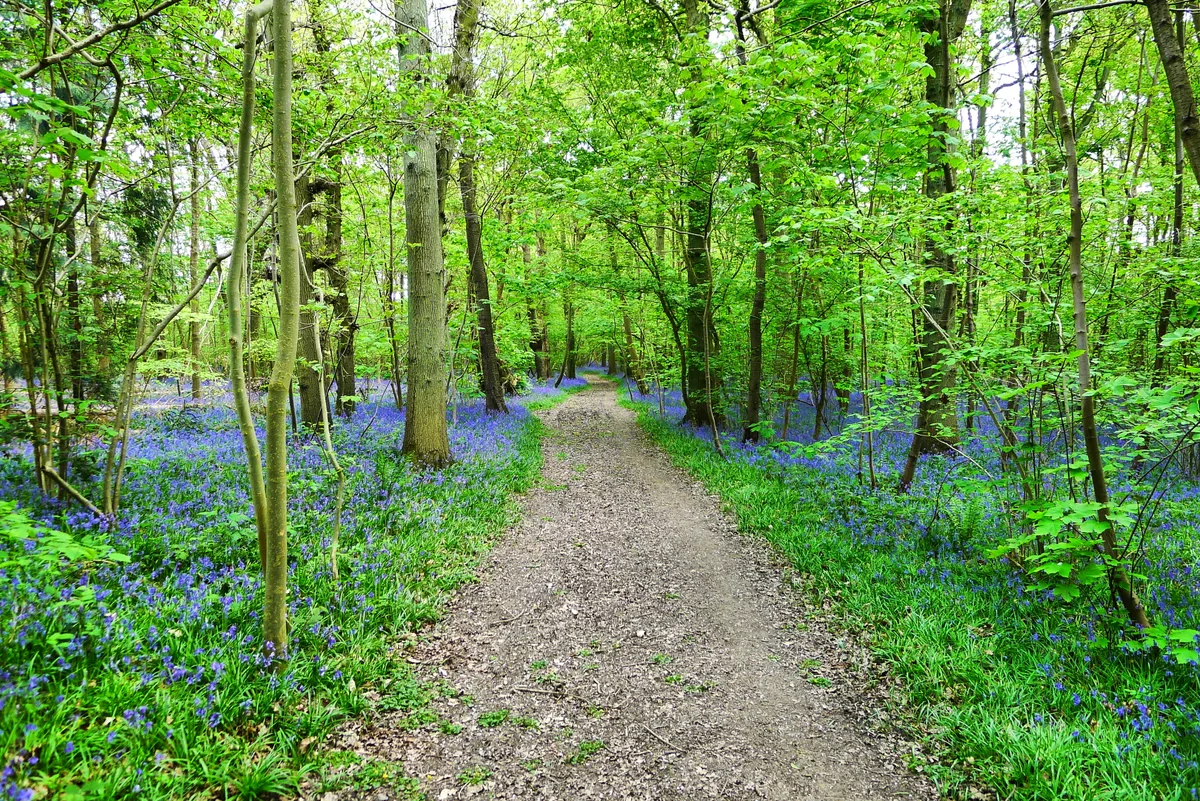
Bisham Woods
Bisham Woods — woodland in Berkshire, England.
 Flagship📷 10
Archaeological sites · London
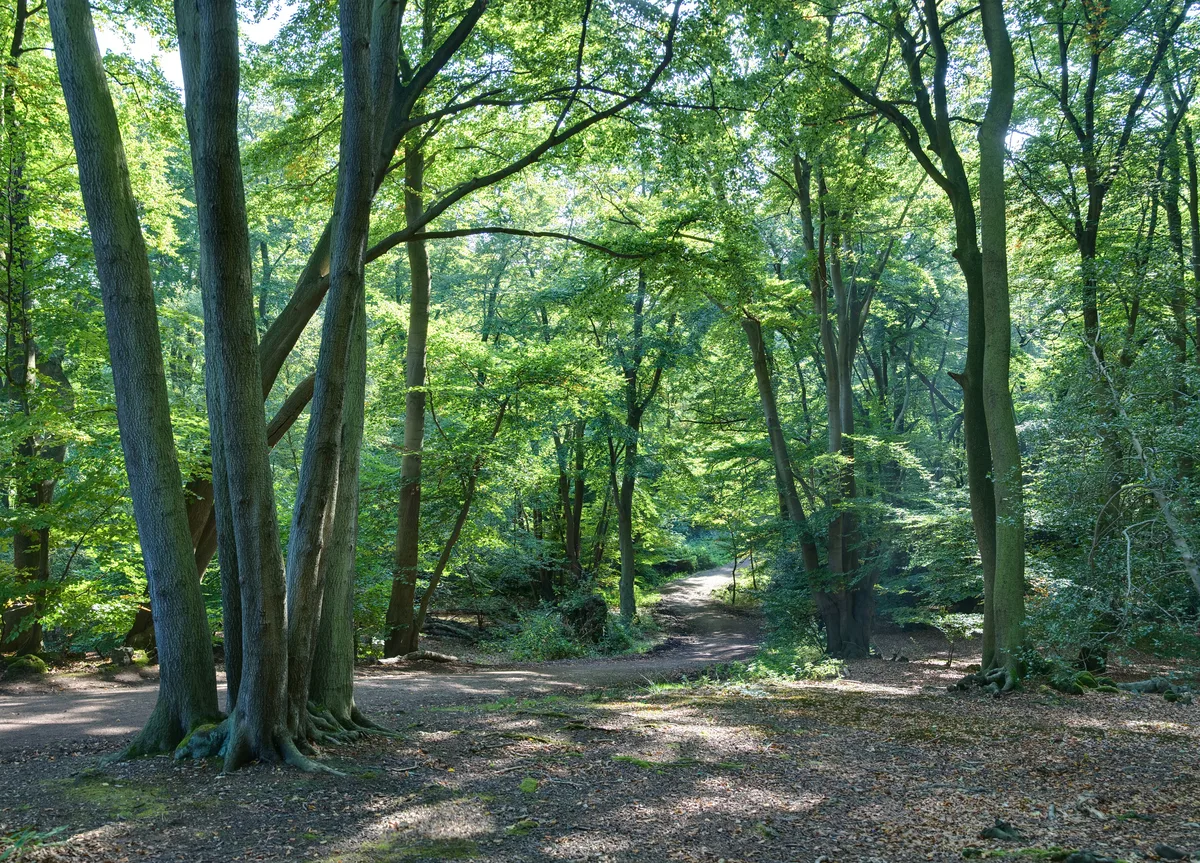
Epping Forest
Epping Forest — royal forest in England.
 📷 5
📷 5Archaeological sites · Scottish Highlands
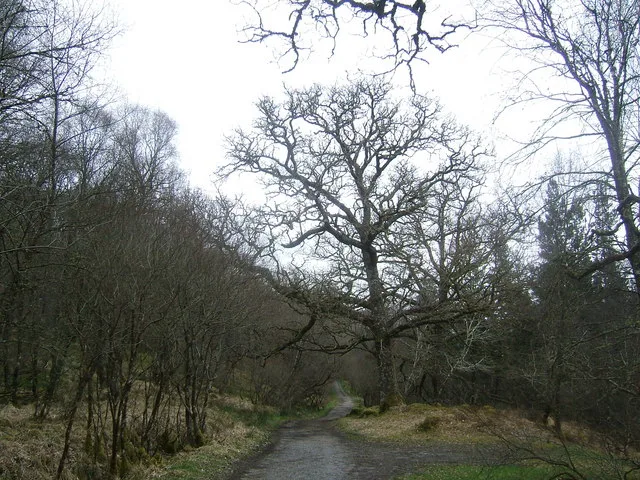
Ariundle Oakwood National Nature Reserve
Ariundle Oakwood National Nature Reserve — forested nature reserve in Highland, Scotland, UK.
 Flagship📷 5
Archaeological sites · Northern Ireland
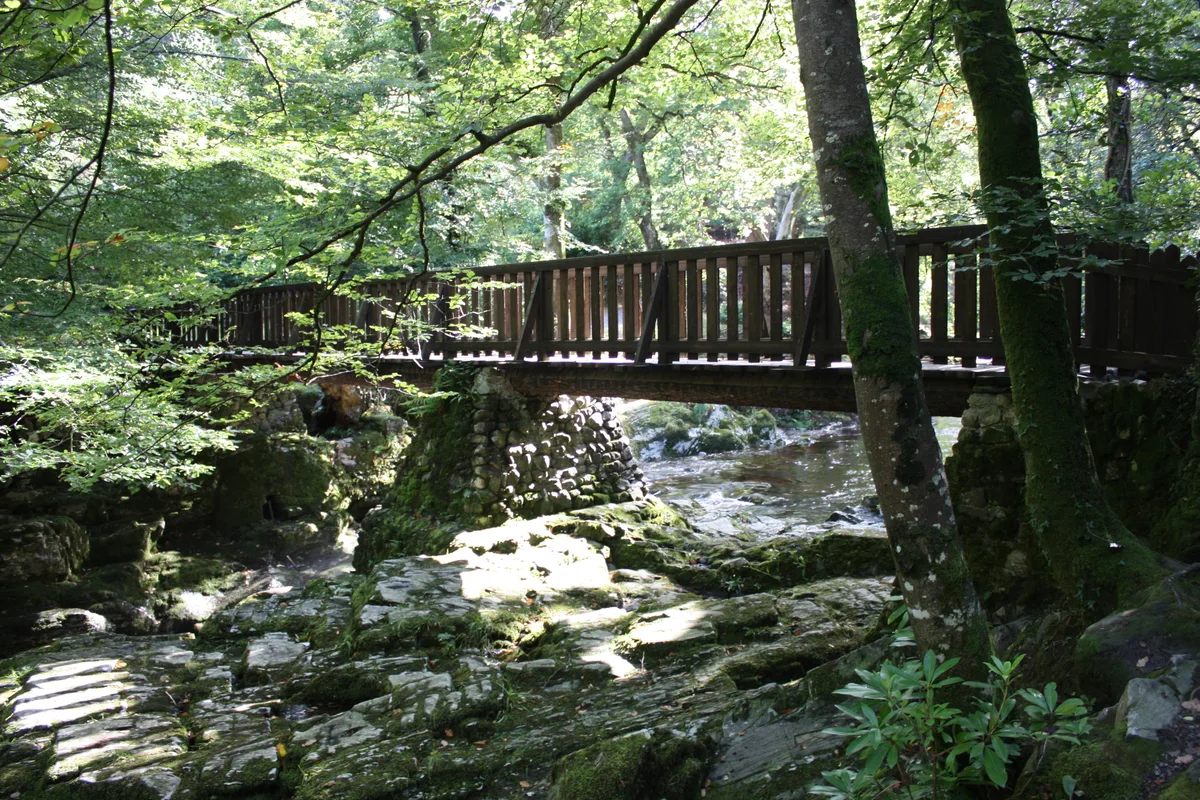
Tollymore Forest Park
Tollymore Forest Park — park in the United Kingdom.
 Flagship📷 5
Archaeological sites · East Midlands
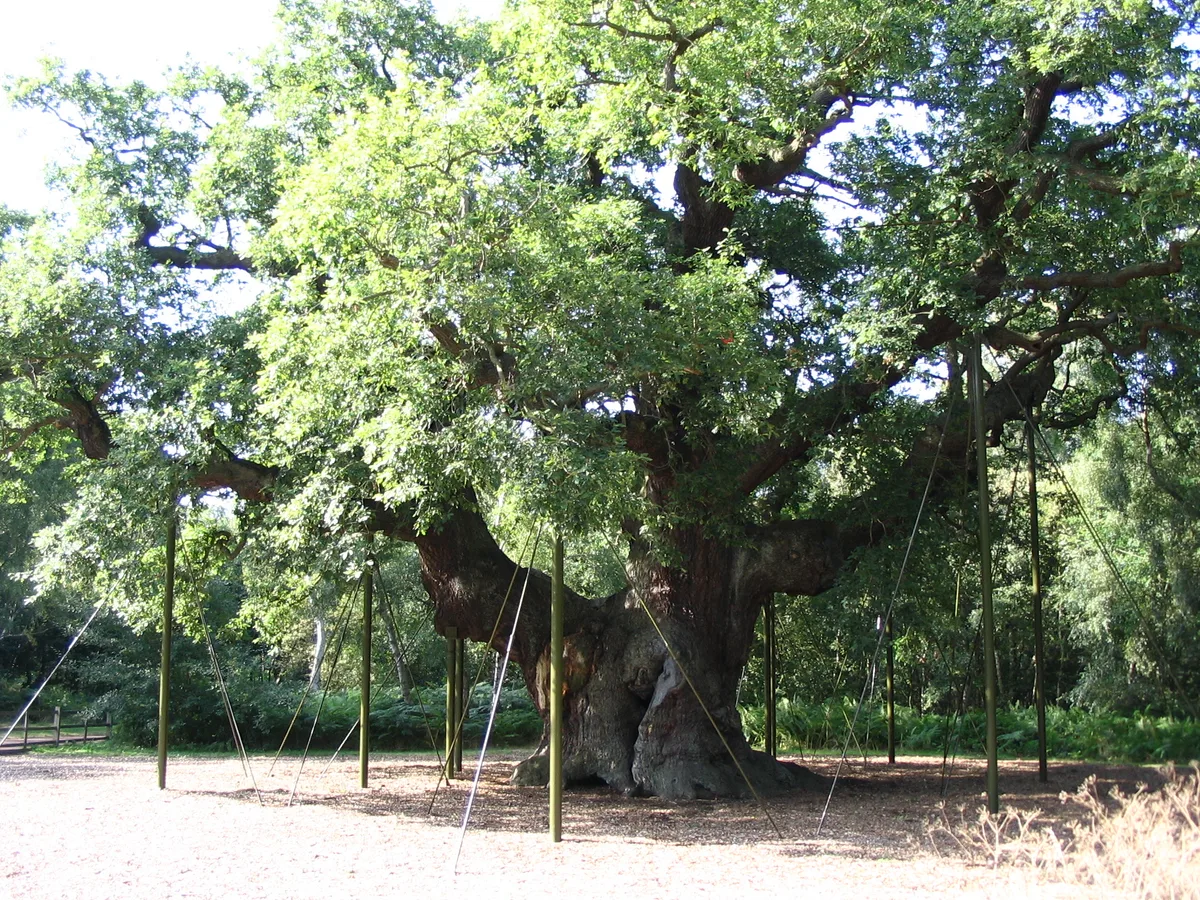
Sherwood Forest
Sherwood Forest is a archaeological site in the United Kingdom.
 Flagship📷 10
Archaeological sites · South East England
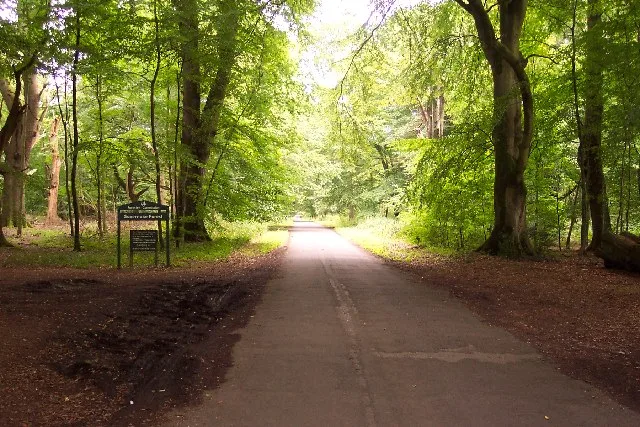
Savernake Forest
Savernake Forest — 4500 acre forest in Wiltshire, England.
 Flagship📷 10
Archaeological sites · East of England
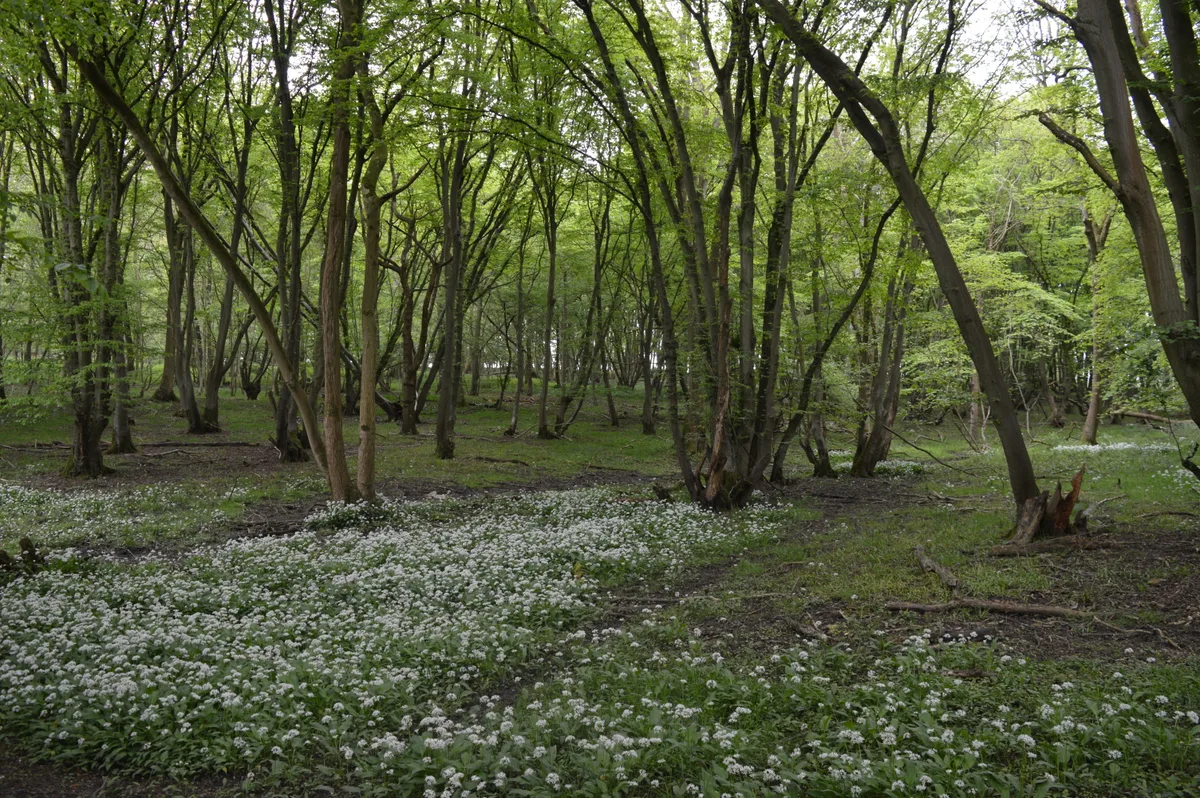
Nunn Wood
Nunn Wood — woods in Essex, England, a Site of Special Scientific Interest.