
Islands · South West England
Eddystone Rocks
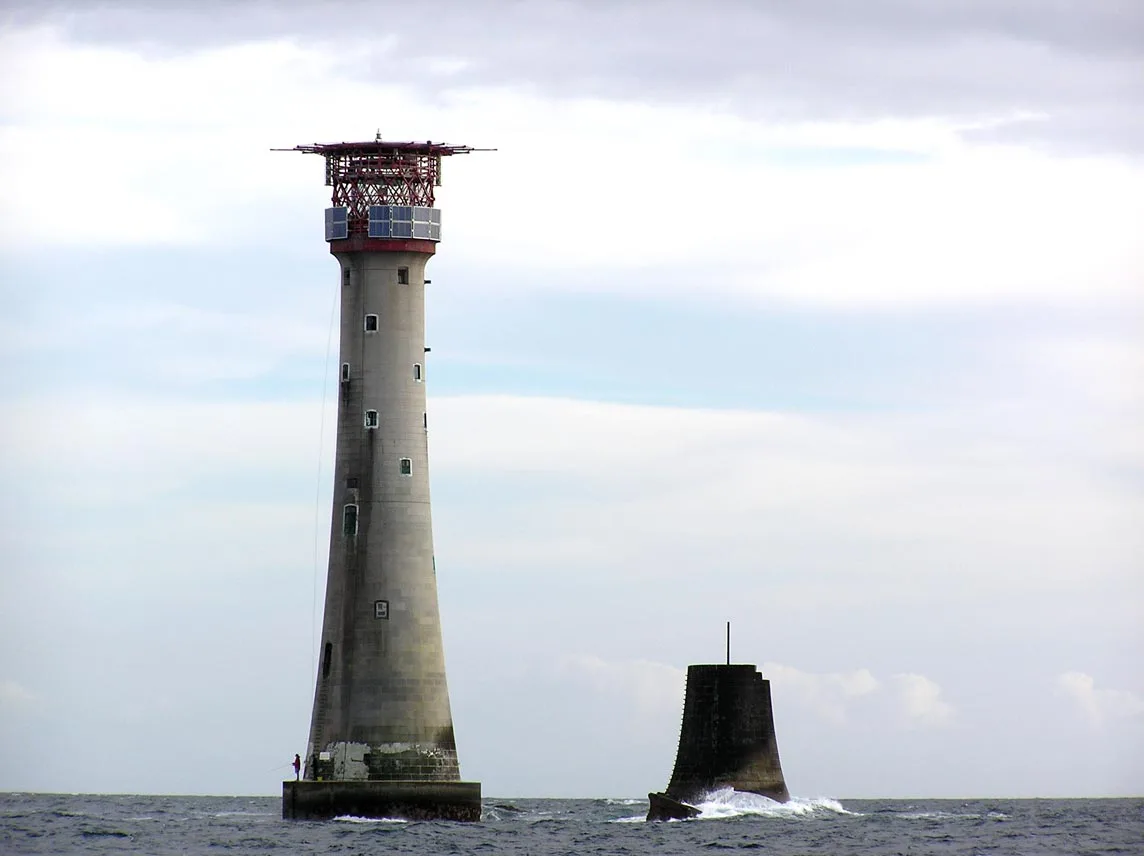
Eddystone Rocks — seaswept and heavily eroded group of rocks southwest of Rame Head, in Cornwall, England, UK.

Wikimedia Commons contributors — see linked file page for photographer and licence licence

Plan your visit
- Typical visit
- 4 h–12 h
- Free entry
- Dog-friendly
About
Eddystone Rocks is a island in the United Kingdom. Wikidata describes it as: "seaswept and heavily eroded group of rocks southwest of Rame Head, in Cornwall, England, UK". Coordinates: 50.1808°, -4.2660°.
Photo gallery
Protected designations
- Area of Outstanding Natural Beauty: Cornwall
Designations sourced from Natural England open data under OGL v3.
From the Wikipedia article
The Eddystone or Eddystone Rocks are a seaswept and eroded group of rocks ranging 9 miles (14 km) southwest of Rame Head in Cornwall, England, United Kingdom. Although the nearest point on the mainland to the Eddystone is in Cornwall, the rocks fall within the city limits of Plymouth, and hence within the county of Devon. For centuries the rocks have been a hazard for the ships in the approaches to the English Channel and the port city of Plymouth. There have been four lighthouses on the Eddystone Rocks. Winstanley (two versions; the second replaced the top of the structure), Rudyard, Smeaton and finally the Douglass Lighthouse, which is the present one. When the Douglass Lighthouse was completed, the people of Plymouth paid for the dismantling of the Smeaton Lighthouse from the red rocks of Eddystone and its reassembly at Plymouth Hoe, where it is a popular tourist attraction today. The stub of the Smeaton lighthouse still remains on the rocks. In the 1970s, the question of geographical ownership (between England and France) was left undecided and was instead considered part of 'the provisional equidistance line for the continental shelf'. The reef, inclusive of the area between the Devon coastline and Start Point, is home to many different fauna that have been the subject of scientific studies from 1895 to the present day. One particular study in 2012 investigated the relationships between the environment of the rocks and bottom deposits and marine inhabitants, with particular emphasis on rare specimens of gobies. As regards geology, the Eddystone Rocks are composed of garnetiferous gneissic rock which is part of a considerable underwater outcrop of mica-schists and granitoid gneisses which are not found elsewhere in South West England. Research into the wave impact on these rocks has also been conducted, noting the weathering of the rocks and the lighthouses from these impacts. Research has also been conducted to test the metallic pollution of the sediments…
Excerpt from Wikipedia under CC BY-SA 4.0. See the source article linked in Sources below.
Background
History
(background)]] During the years 1877 to 1878, a correspondence between the Corporation of Trinity House to the Board of Trade was engaged in order to discuss the possible destruction of the reef as opposed to restoring the Eddystone Lighthouse. At the time, the tides had washed away the rocks below the lighthouse, raising concern for the stability of the structure itself. Due to the pressing economical and architectural issues, this correspondence discussed the proposal put forward by engineer T, P. Aston to blast the rocks away to allow ships to pass through into the English Channel, thereby rendering the presence of a lighthouse unnecessary. Economically, consultant engineer Jas. N.…
Sourced from Wikipedia under CC BY-SA 4.0.
- Coordinates
- 50.1808, -4.2660
- Address
- Devon, England
Sources
- wikidata: Q4171798 (CC0)
- wikipedia: Eddystone Rocks (CC BY-SA 4.0)
- commons: Phare-d-Eddystone-Rocks.jpg (CC BY-SA 4.0)
Other places nearby
Nearby
 📷 5
📷 5Lighthouses · South West England
Eddystone Lighthouse
Eddystone Lighthouse — lighthouse on the Eddystone Rocks, England.
 📷 4
📷 4Lighthouses · South West England
Eddystone Rocks Light
Eddystone Rocks Light — a lighthouse in england south west.
 📷 5
📷 5Vineyards · South West England
Rame Head
Rame Head — a UK vineyard in england south west, producing English or Welsh wine from cool-climate grape varieties.
 📷 5
📷 5Chapels · South West England
Chapel Of St Michael
Chapel Of St Michael — chapel in Maker-with-Rame, Cornwall, England, UK.
 📷 3
📷 3Historic houses · South West England
WW2 Chain Home Low Radar Station (remains of)
WW2 Chain Home Low Radar Station (remains of) — a historic house in South West England, United Kingdom.
 📷 5
📷 5Memorials & monuments · South West England
Polhawn Fort
Polhawn Fort is a memorial in the United Kingdom.
Where to eat & stay near Eddystone Rocks
Places to stay
 📷 5
📷 5Campsites · South West England
Whitsand Bay Holiday Park
Whitsand Bay Holiday Park — a campsite in england south west.
 📷 5
📷 5 📷 5
📷 5 📷 7
📷 7Hotels · South West England
Whitsand Bay Hotel
Whitsand Bay Hotel — a hotel in england south west.
 📷 5
📷 5 📷 5
📷 5Places to eat & drink
 📷 3
📷 3Historic pubs · South West England
The Devonport Inn
The Devonport Inn — Historic pub — listed building or notable heritage status.
 📷 5
📷 5Cafés · South West England
The Orangery
The Orangery — a café in england south west.
 📷 7
📷 7 📷 7
📷 7Historic pubs · South West England
The Lugger Public House
The Lugger Public House in England South West, United Kingdom.
 📷 7
📷 7 📷 7
📷 7More places in this region
 Flagship📷 10
Islands · South West England
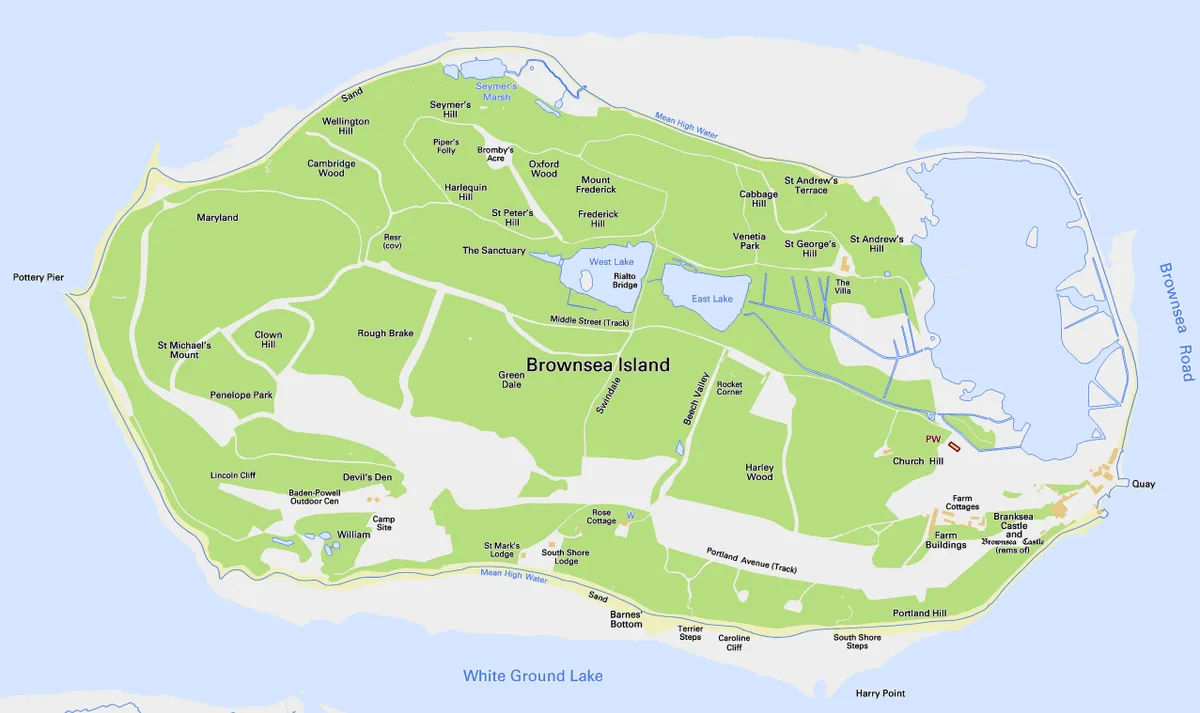
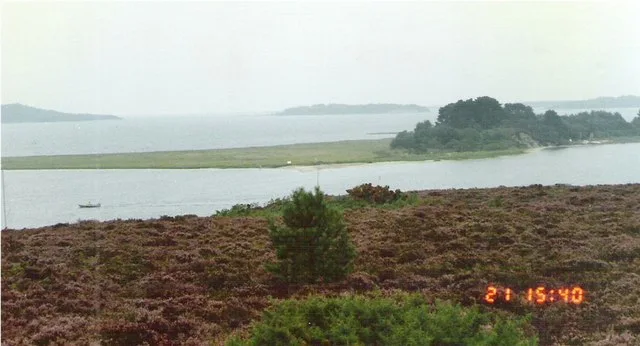
Brownsea Island
Brownsea Island — island in Poole Harbour, Dorset, England, UK.
 Flagship📷 10
 📷 5
📷 5 📷 4
📷 4Frequently asked questions
- Where is Eddystone Rocks?
- Eddystone Rocks is in South-West England, United Kingdom.
- What is Eddystone Rocks?
- Eddystone Rocks — seaswept and heavily eroded group of rocks southwest of Rame Head, in Cornwall, England, UK.
- How do I get to Eddystone Rocks?
- Its coordinates are 50.1808°, -4.2660°.
- Is Eddystone Rocks a protected site?
- Yes — Eddystone Rocks is part of the Cornwall National Landscape (AONB).
- Is Eddystone Rocks free to visit?
- Yes, Eddystone Rocks is free to enter.