
Cathedrals · North East England
Durham Cathedral
Also known as: Ard-Eaglais Durham
In or near Durham.
The greatest Romanesque building in Britain, shrine of St Cuthbert.

Christine Johnstone — CC BY-SA 2.0 via Wikimedia Commons licence

Plan your visit
- Typical visit
- 1 h–2 h
- Best time of year
- Year-round
- Nearest railway station
- Durham · 0.8 km
- Free entry
- Family-friendly
- Wheelchair accessible
Getting there & planning your visit
To visit Durham Cathedral, the nearest railway station is Durham, located 0.8 km away. The postcode for sat-nav is DH1 3RH, and entry is paid. The cathedral is wheelchair accessible.
About
Durham Cathedral is the Norman cathedral of the Bishop of Durham, begun in 1093 and substantially complete by 1133 — the most architecturally important Romanesque building in Britain and a UNESCO World Heritage Site. The cathedral holds the shrine of St Cuthbert and the tomb of the Venerable Bede; the world's earliest surviving rib-vaulted ceiling spans the choir; the nine altars at the eastern end and the central tower are unique in English Gothic. Built on a peninsula in the River Wear above Durham Castle.
Photo gallery
360° view
Imagery © Mapillary contributors, CC BY-SA 4.0
Summary from the official site
Durham Cathedral is a historic Anglican cathedral known for its stunning architecture and rich history. Visitors can explore the cathedral's treasures, including ancient artifacts and the Shrine of St Cuthbert, as well as participate in various services and events.
Read more on the official property page.
From the Wikipedia article
Durham Cathedral, formally the Cathedral Church of Christ, Blessed Mary the Virgin and St Cuthbert of Durham, is a Church of England cathedral in the city of Durham, England. The cathedral is the seat of the bishop of Durham and is the mother church of the diocese of Durham. It also contains the shrines of the Anglo-Saxon saints Cuthbert and Bede. There are daily Church of England services at the cathedral, and it received 393,090 visitors in 2024. It is a grade I listed building and forms part of the Durham Castle and Cathedral World Heritage Site. The cathedral is the successor to the Anglo-Saxon Lindisfarne Priory, which was established c. 635 but abandoned in 875 in the face of Viking raids. The monks settled at Chester-le-Street from 882 until 995, when they moved to Durham. The cathedral remained a monastery until it was dissolved in 1541, since when it has been governed by a dean and chapter. The cathedral precinct formed part of Durham Castle from the eleventh century. During the Wars of the Three Kingdoms the cathedral housed 3,000 Scottish prisoners of war, 1,700 of whom died in the building. A substantial part of the present building was completed between 1093 and 1133, replacing the Anglo-Saxon "White Church". It is a significant example of the Romanesque architectural style, and the nave ceiling is the earliest surviving example of a pointed rib vault. The Galilee chapel was added to the west end of the cathedral in the 1170s, and the western towers built in approximately 1200. The east end was expanded in the Early English Gothic style in the 1230s, and the Perpendicular Gothic central tower was built in two stages in the fifteenth century. Important furnishings include the medieval bishop's throne and Neville screen, Prior Castell's Clock, and the seventeenth-century choir stalls and font cover installed by Bishop Cosin. Many of the monastic buildings survive; the monks' refectory now contains part of the cathedral library, which holds significant…
Excerpt from Wikipedia under CC BY-SA 4.0. See the source article linked in Sources below.
Background
Architecture
There is some evidence that the aisle of the choir had the earliest rib vaults in England, as was argued by John Bilson, English architect, at the end of the nineteenth century. Since then it has been argued that other buildings like Lessay Abbey in north-west France provided the early experimental ribs that created the high technical level shown in Durham. There is evidence in the clerestory walls of the choir that the high vault had ribs. There is controversy between John James and Malcolm Thurlby on whether these rib vaults were four-part or six-part, which remains unresolved. The building is notable for the ribbed vault of the nave, with some of the earliest transverse pointed arches…
Sourced from Wikipedia under CC BY-SA 4.0.
- Coordinates
- 54.7733, -1.5760
- District
- County Durham
- Parish
- City of Durham
- Postcode
- DH1 3RH
- Parliamentary constituency
- City of Durham
- Nearest railway station
- Durham — 0.8 km
- Opening
- Monday - Saturday 09:30am to 4:30pm; Sunday 12:00pm to 4:00pm
- Official site
- durhamcathedral.co.uk
Sources
- manual: durham-cathedral (manual)
- wikipedia: Durham Cathedral (CC BY-SA 4.0)
Featured in these 4 guides
Itinerary
England's great cathedrals
From Norman austerity at Durham to Wren's dome at St Paul's.
Itinerary
Britain's pilgrim routes
Canterbury, Walsingham, St Davids, Lindisfarne — the country's medieval pilgrim destinations.
Itinerary
The 12 great English cathedrals
From Norman austerity at Durham to Wren's dome at St Paul's.
Itinerary
UK cathedrals by architectural style
Norman, Gothic, Perpendicular, Baroque — one cathedral each.
Other places nearby

Durham War Memorial
Memorials & monuments · 0.1 km

Durham Priory
Cathedrals · 0.1 km

The Bailey
Castles · 0.1 km

Durham Cathedral Museum
Museums · 0.1 km
_07.jpg?width=1200)
Langford House
Historic houses · 0.1 km
Bailey college
Natural landmarks · 0.1 km
St Chad's College
Historic churches · 0.1 km

Lightfoot House
Historic houses · 0.1 km
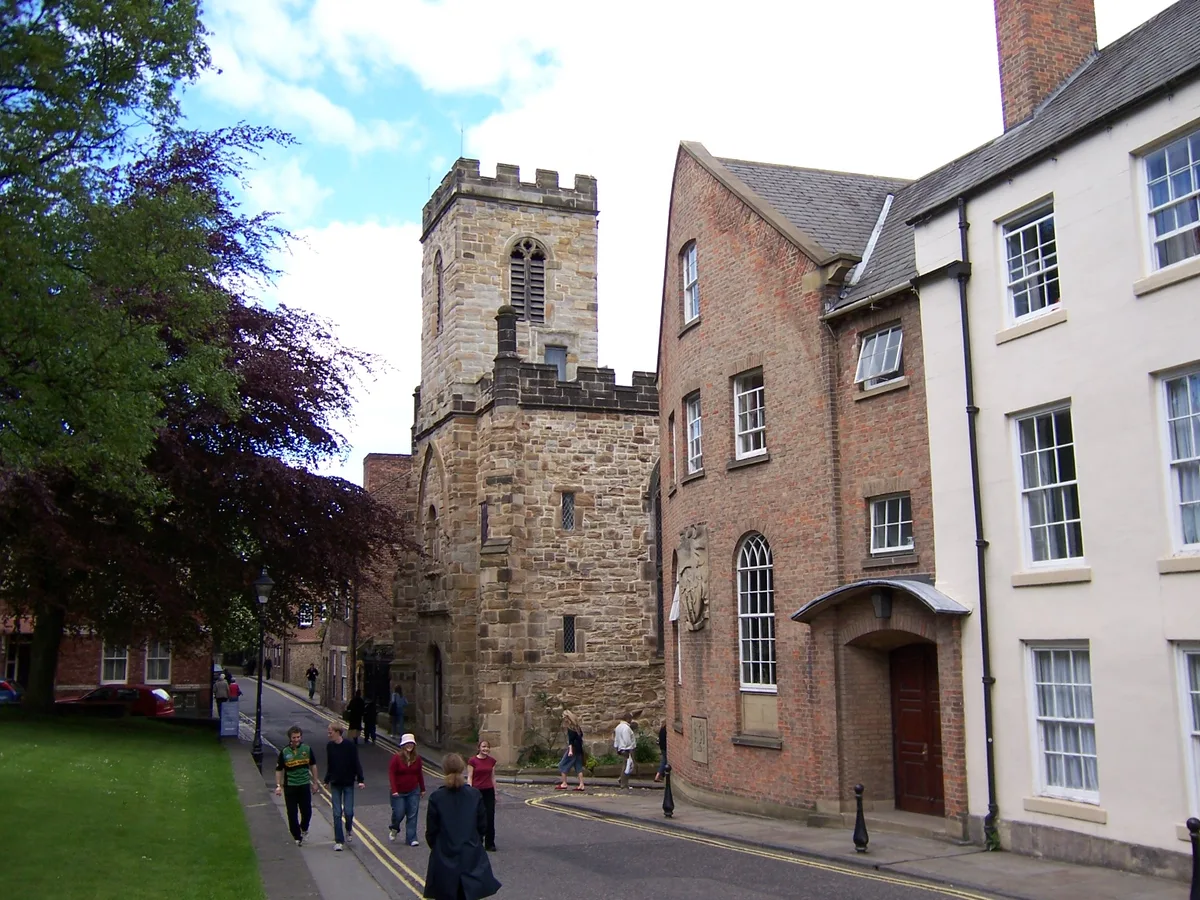
Durham Museum
Museums · 0.1 km

Durham Museum, Durham
Museums · 0.1 km
_(33000219414).jpg?width=1200)
Durham Light Infantry South African War Memorial
Memorials & monuments · 0.1 km
Ramsey House
Historic houses · 0.1 km
Nearby
📷 3Memorials & monuments · North East England
Durham War Memorial
Durham War Memorial is a memorial in the United Kingdom.
📷 4📷 4📷 3Museums · North East England
Durham Cathedral Museum
Durham Cathedral Museum — a museum in North East England, United Kingdom.
📷 3Historic houses · North East England
Langford House
Langford House — building in Durham, England, UK.
📷 3Natural landmarks · North East England
Bailey college
Bailey college in England North East, United Kingdom.
Where to eat & stay near Durham Cathedral
Places to stay
 📷 5
📷 5Hotels · North East England
Durham Marriott Hotel Royal County
Durham Marriott Hotel Royal County — a hotel in scotland lowlands.
 📷 5
📷 5B&Bs · North East England
Castle View Guest House
Castle View Guest House — a bed-and-breakfast in scotland lowlands.
 📷 5
📷 5Hotels · North East England
Hotel Indigo Durham
Hotel Indigo Durham — a hotel in scotland lowlands.
 📷 5
📷 5B&Bs · North East England
The Georgian Town House
The Georgian Town House — a bed-and-breakfast in scotland lowlands.
 📷 5
📷 5Hotels · North East England
Radisson Blu
Radisson Blu — a hotel in scotland lowlands.
 📷 5
📷 5Campsites · North East England
Durham Amateur Rowing Club
Durham Amateur Rowing Club — a campsite in scotland lowlands.
Places to eat & drink
 📷 7
📷 7Restaurants · North East England
Shaheen's Indian
Shaheen's Indian — a restaurant in scotland lowlands.
 📷 5📷 6
Cafés · North East England
Flat White Kitchen
Flat White Kitchen — a café in scotland lowlands.
 📷 7
📷 7Restaurants · North East England
Fat Hippo
Fat Hippo — a restaurant in scotland lowlands.
 📷 5
📷 5 📷 6
📷 6Other cathedrals from this era
 📷 5
📷 5Cathedrals · South East England
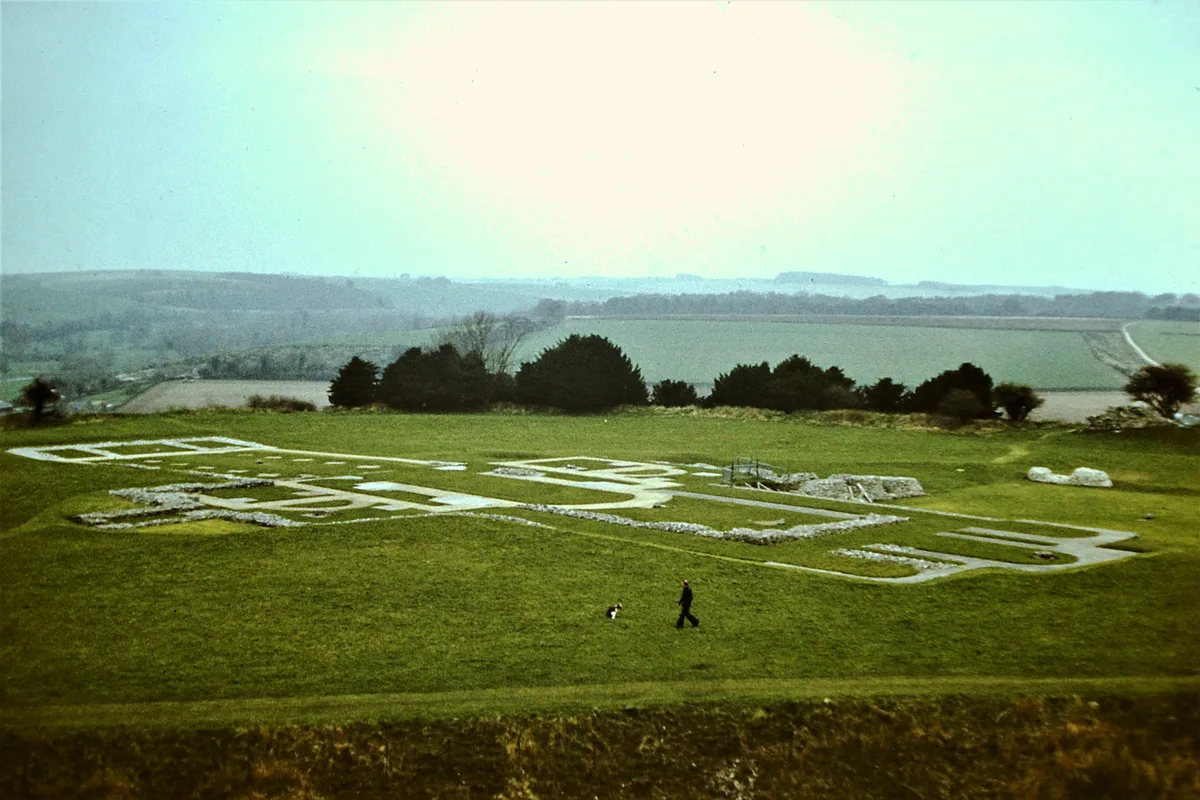
Old Sarum Cathedral
Old Sarum Cathedral — Grade I listed former cathedral in Salisbury, Wiltshire, England, UK.
 📷 3
📷 3Cathedrals · South East England
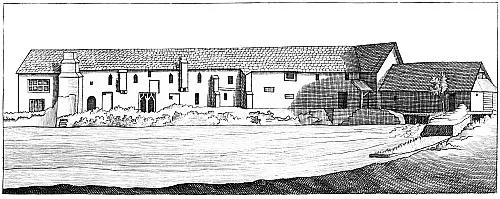
Osney Abbey
Osney Abbey — house of Augustinian canons at Osney in Oxfordshire, England, UK.
 ★ Iconic📷 4
Cathedrals · South West England
Salisbury Cathedral
Britain's tallest spire, single-style Early English Gothic, holds a Magna Carta original.
 ★ Iconic📷 4
Cathedrals · South West England
Wells Cathedral
First all-Gothic English cathedral, with the famous scissor arches and a 1390 clock.
More cathedrals in this region
 Flagship📷 5
Cathedrals · North East England
Egglestone Abbey
Egglestone Abbey is a cathedral in the United Kingdom.
 Flagship📷 4
Cathedrals · North East England
Richmond (Yorks)
Richmond (Yorks) in England North East, United Kingdom.
 📷 5
📷 5 📷 3
📷 3Cathedrals · North East England
Newton Aycliffe and Spennymoor
Newton Aycliffe and Spennymoor in England North East, United Kingdom.
Frequently asked questions
- Where is Durham Cathedral?
- Durham Cathedral is in North-East England, United Kingdom (postcode DH1 3RH), in the parish of City of Durham.
- What is Durham Cathedral?
- The greatest Romanesque building in Britain, shrine of St Cuthbert.
- How do I get to Durham Cathedral?
- The nearest railway station is Durham, about 0.8 km away. The nearest town is Durham. Drivers can use postcode DH1 3RH.
- When was Durham Cathedral built?
- Dates from the medieval period.
- Is Durham Cathedral a listed building?
- Durham Cathedral is officially recognised as Grade I listed.
- Is Durham Cathedral free to visit?
- Yes, Durham Cathedral is free to enter.
- How do I get to Durham Cathedral?
- The nearest railway station is Durham, about 0.8 km away. Drivers can navigate to postcode DH1 3RH.