
Castles · South West England
Cranmore Castle
In or near Bickleigh.
Cranmore Castle is an Iron Age earthwork situated on a hillside above the Devon town of Tiverton in south-west England. Its National Grid reference is SS958118. It is an English Heritage scheduled mon

Lewis Clarke — CC BY-SA 2.0 via Wikimedia Commons licence

Plan your visit
- Typical visit
- 1.5 h–3 h
- Nearest railway station
- Riverside Halt · 4.6 km
- Family-friendly
- Limited wheelchair access
Getting there & planning your visit
To visit Cranmore Castle, the nearest railway station is Riverside Halt, located 4.6 km away. The postcode for sat-nav is EX16 4LW. Accessibility is limited for wheelchair users.
About
Cranmore Castle is an Iron Age earthwork situated on a hillside above the Devon town of Tiverton in south-west England. Its National Grid reference is SS958118. It is an English Heritage scheduled monument, and has been given a National Monument number of 34256. The earthwork is widely described in guidebooks and histories as an Iron Age hill fort though more recent archaeological evaluations and histories, such as Mike Sampson's recently published work, point out that it seems inefficient as a fortification, since it is overlooked from the south by the higher slope of Exeter Hill/Newtes Hill. The earthwork is also unusual in that the area it encloses slopes from 120 metres (390 ft) to 170 metres (560 ft) above sea level. This arrangement does however offer clear lines of sight to Cadbury Castle, Castle Close below Stoodleigh up the Exe Valley, Huntsham Castle, Hembury fort and other significant hills and earthworks, suggesting that all were contemporary. It also manages to overlook the confluence of the rivers Lowman and Exe and the forded crossings on those rivers, which a higher position would not allow. The hillside that Cranmore Castle stands above is called Skrink Hills or Shrink Hills in various early histories of the area. and it is from there that Thomas Fairfax's artillery laid siege to Tiverton Castle. The promontory of land that links Cranmore to the edge of Newtes Hill is traversed by the old Exeter Road, which travels past the earthwork on its way from Tiverton…
Photo gallery
From the Wikipedia article
Cranmore Castle is an Iron Age earthwork situated on a hillside above the Devon town of Tiverton in south-west England. Its National Grid reference is SS958118. It is an English Heritage scheduled monument, and has been given a National Monument number of 34256. The earthwork is widely described in guidebooks and histories as an Iron Age hill fort though more recent archaeological evaluations and histories, such as Mike Sampson's recently published work, point out that it seems inefficient as a fortification, since it is overlooked from the south by the higher slope of Exeter Hill/Newtes Hill. The earthwork is also unusual in that the area it encloses slopes from 120 metres (390 ft) to 170 metres (560 ft) above sea level. This arrangement does however offer clear lines of sight to Cadbury Castle, Castle Close below Stoodleigh up the Exe Valley, Huntsham Castle, Hembury fort and other significant hills and earthworks, suggesting that all were contemporary. It also manages to overlook the confluence of the rivers Lowman and Exe and the forded crossings on those rivers, which a higher position would not allow. The hillside that Cranmore Castle stands above is called Skrink Hills or Shrink Hills in various early histories of the area. and it is from there that Thomas Fairfax's artillery laid siege to Tiverton Castle. The promontory of land that links Cranmore to the edge of Newtes Hill is traversed by the old Exeter Road, which travels past the earthwork on its way from Tiverton to Exeter. The hill and road have latterly been known as Exeter Hill, and this road almost certainly follows the path of a prehistoric trackway. Current theories about the nature of the earthwork suggest that it might have been a winter enclosure for livestock or a market site, though the earthworks are very substantial for such applications and could even point to a tribal oppidum. Certainly the area would be large enough. The Ordnance Survey Map of Southern Britain in the Iron Age shows…
Excerpt from Wikipedia under CC BY-SA 4.0. See the source article linked in Sources below.
- Coordinates
- 50.8960, -3.4820
- County
- Devon
- District
- Mid Devon
- Parish
- Tiverton
- Postcode
- EX16 4LW
- Parliamentary constituency
- Tiverton and Minehead
- Nearest railway station
- Riverside Halt — 4.6 km
Sources
- wikipedia: Cranmore Castle (CC BY-SA 4.0)
Other places nearby

Cranmore Castle
Vineyards · 0.0 km

Mid Devon
Museums · 0.7 km

Grand Western Canal County Park
Parks · 0.7 km

Tiverton Museum of Mid Devon Life
Museums · 0.7 km

The Tivoli
Cinemas · 0.8 km

Gotham House
Historic houses · 0.8 km

St George's Church, Tiverton
Historic churches · 0.8 km

Edward the Peacemaker 1841-1910
Memorials & monuments · 0.8 km

Lowman Bridge
Historic bridges · 0.8 km

Grand Western Canal Visitor Centre
Natural landmarks · 0.8 km

Tiverton Memorial Hall
Memorials & monuments · 0.9 km

Tiverton, Devon
Museums · 0.9 km
Nearby
📷 5Vineyards · South West England
Cranmore Castle
Cranmore Castle — a UK vineyard in england south west, producing English or Welsh wine from cool-climate grape varieties.
📷 5📷 5Parks · South West England
Grand Western Canal County Park
Grand Western Canal County Park — park in the United Kingdom.
📷 3Museums · South West England
Tiverton Museum of Mid Devon Life
Tiverton Museum of Mid Devon Life — a museum in england-south-west, United Kingdom.
📷 5📷 5Historic houses · South West England
Gotham House
Gotham House — house in Tiverton, Mid Devon, England, UK.
Where to eat & stay near Cranmore Castle
Places to stay
 📷 5
📷 5Campsites · South West England
Valleyside Escapes
Valleyside Escapes — a campsite in england south west.
 📷 7
📷 7 📷 5
📷 5Campsites · South West England
Diggerland’s Campsite
Diggerland’s Campsite — a campsite in england south west.
 📷 7
📷 7 📷 5
📷 5Caravan parks · South West England
Minnows Touring Park
Minnows Touring Park — a caravan park in england south west.
 📷 5
📷 5B&Bs · South West England
The Silverton Inn
The Silverton Inn — a bed-and-breakfast in england south west.
Places to eat & drink
 📷 7
📷 7Historic pubs · South West England
The White Ball Public House
The White Ball Public House in England South West, United Kingdom.
 📷 5
📷 5Historic pubs · South West England
Barley Mow Public House
Barley Mow Public House in England South West, United Kingdom.
 📷 7
📷 7Historic pubs · South West England
The Queens Head (Number 20)
The Queens Head (Number 20) in England South West, United Kingdom.
 📷 7
📷 7Historic pubs · South West England
Trout Inn And Cobweb
Trout Inn And Cobweb in England South West, United Kingdom.
 📷 5
📷 5Historic pubs · South West England
The Fisherman's Cot
The Fisherman's Cot in England South West, United Kingdom.
 📷 7
📷 7Restaurants · South West England
China Orchid
China Orchid — a restaurant in england south west.
More castles in this region
 Flagship📷 10
Castles · South West England
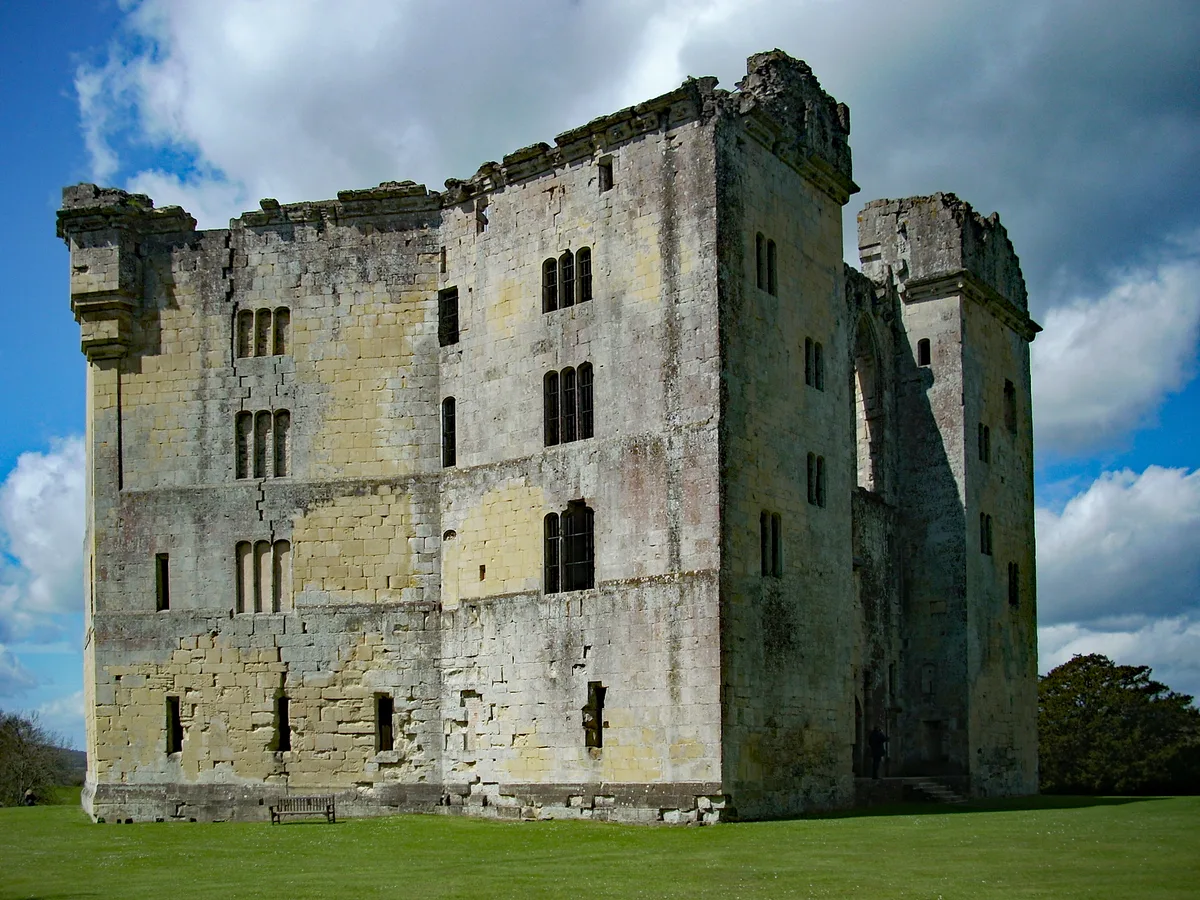
Old Wardour Castle
Old Wardour Castle — Grade I listed castle in Wardour, Wiltshire, England, UK.
 📷 5
📷 5Castles · South West England
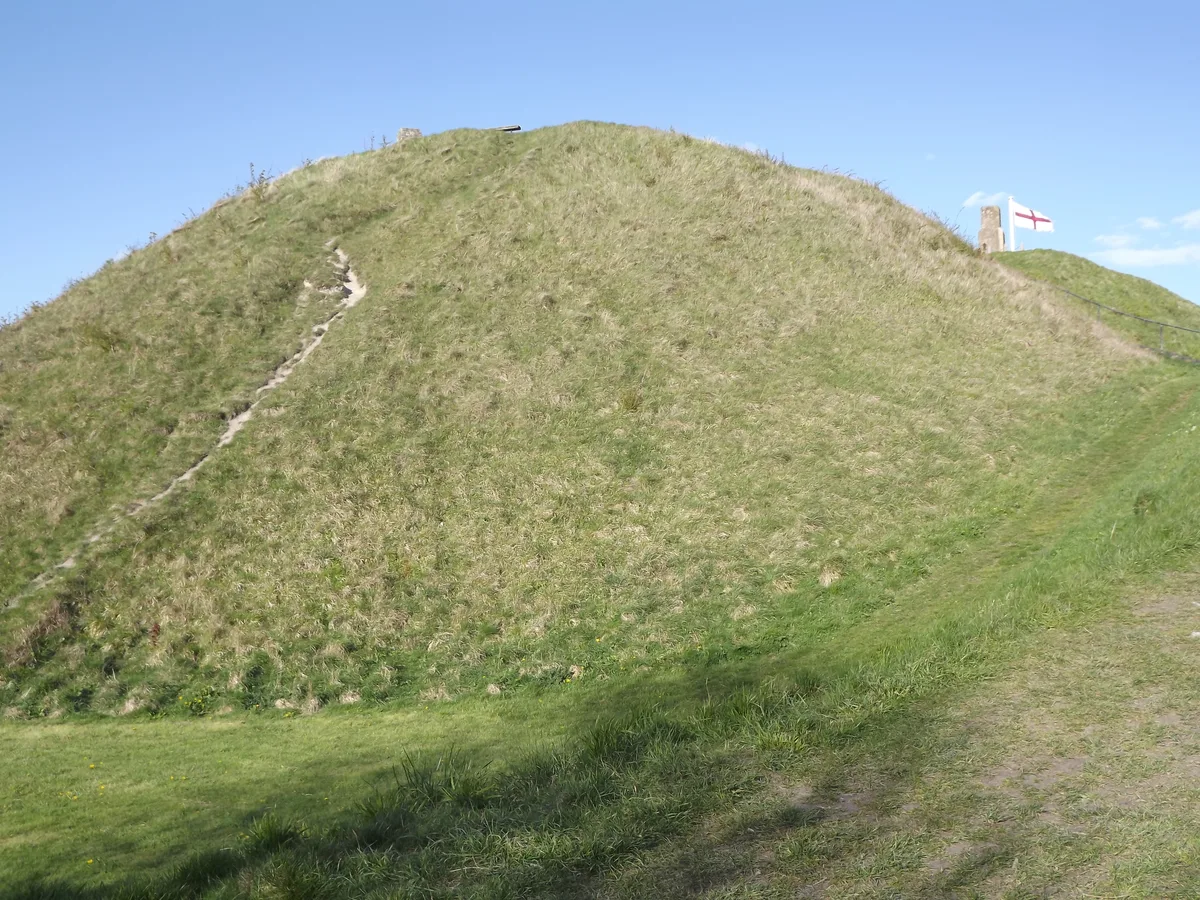
Ballands Castle
Ballands Castle — former castle in Somerset, England, UK.
 📷 5
📷 5Castles · South West England
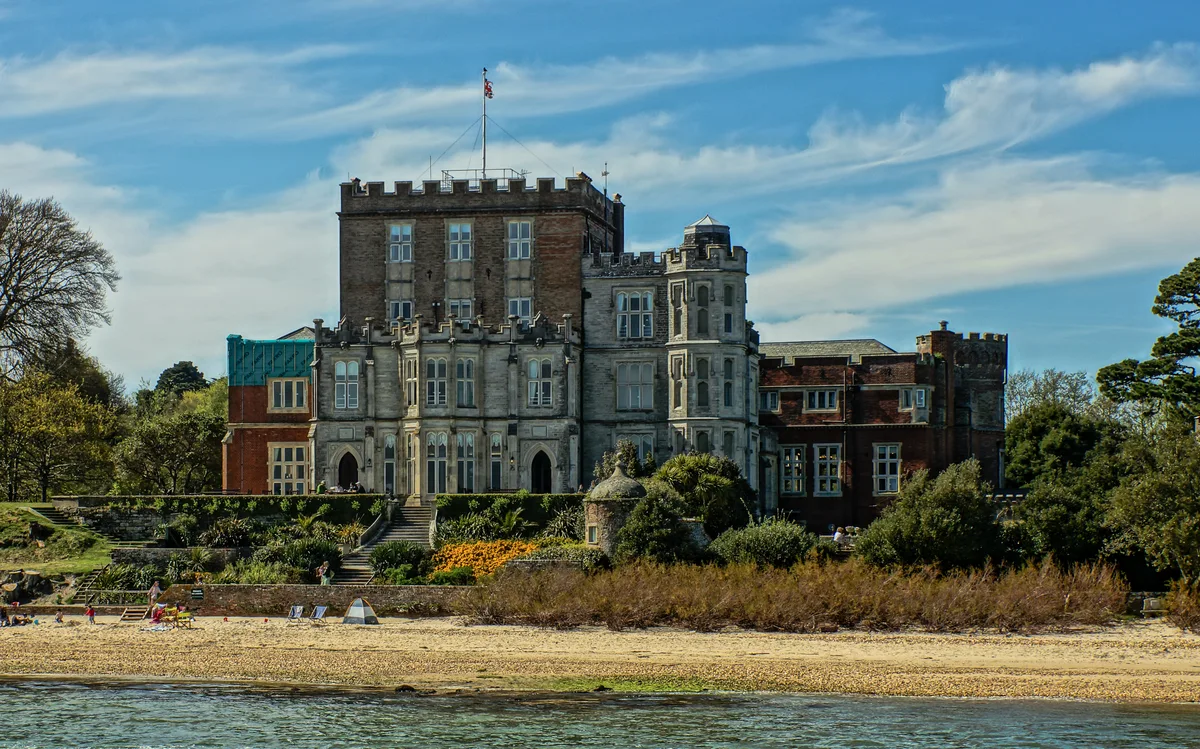
Brownsea Castle
Brownsea Castle — grade II listed Device Fort in Purbeck, United Kingdom.
 📷 5
📷 5Frequently asked questions
- Where is Cranmore Castle?
- Cranmore Castle is in Devon, South-West England, United Kingdom (postcode EX16 4LW), in the parish of Tiverton.
- What is Cranmore Castle?
- Cranmore Castle is an Iron Age earthwork situated on a hillside above the Devon town of Tiverton in south-west England. Its National Grid reference is SS958118. It is an English Heritage scheduled mon
- How do I get to Cranmore Castle?
- The nearest railway station is Riverside Halt, about 4.6 km away. The nearest town is Bickleigh. Drivers can use postcode EX16 4LW.
- Does Cranmore Castle charge admission?
- Cranmore Castle typically charges admission. Check the official site for current ticket prices and opening hours.
- How do I get to Cranmore Castle?
- The nearest railway station is Riverside Halt, about 4.6 km away. Drivers can navigate to postcode EX16 4LW.