
Museums · South East England
Butser Ancient Farm
In or near Ditcham.
Butser Ancient Farm is an archaeological open-air museum and experimental archaeology site located near Petersfield in Hampshire, southern England. Butser features experimental reconstructions of preh

Rob Farrow — CC BY-SA 2.0 via Wikimedia Commons licence

Plan your visit
- Typical visit
- 1.5 h–3 h
- Best time of year
- Year-round
- Nearest railway station
- Rowlands Castle · 5.8 km
- Free entry
- Family-friendly
- Limited wheelchair access
Getting there & planning your visit
To visit Butser Ancient Farm, the nearest railway station is Rowlands Castle, which is 5.8 km away. The postcode for sat-nav is PO8 0QF. Please note that wheelchair accessibility is limited.
About
Butser Ancient Farm is an archaeological open-air museum and experimental archaeology site located near Petersfield in Hampshire, southern England. Butser features experimental reconstructions of prehistoric, Romano-British and Anglo-Saxon buildings. Examples of Neolithic dwellings, Iron Age roundhouses, a Romano-British villa and an early Saxon house are on display. The site is used as both a tourist attraction and a site for the undertaking of experimental archaeology. In this latter capacity, it was designed so that archaeologists could learn more about the agricultural and domestic economy in Britain during the millennium that lasted from circa 400 BCE to 400 CE, in what was the Late British Iron Age and Romano-British periods. Founded in 1970 by the Council for British Archaeology, in 1972 they recruited experimental archaeologist Peter J. Reynolds to run the site as project director. It was initially located on the site of a Bronze and Iron Age farmstead on Butser Hill, but in 1989 relocated to Hillscombe Down, and in 1991 to Bascombe Copse on the slopes of Windmill Hill. The farm is open to the public and runs various events throughout the year. Archaeologist Mick Aston commented that "Virtually all the reconstruction drawings of Iron Age settlements now to be seen in books are based" on the work at Butser Farm, and that it "revolutionised the way in which the pre-Roman Iron Age economy was perceived".
Photo gallery
Summary from the official site
Butser Ancient Farm is a living history site that allows visitors to explore 10,000 years of human history through reconstructed ancient buildings and demonstrations of traditional crafts. The farm hosts various events and workshops that celebrate ancient skills and folk traditions, providing an immersive experience of everyday life in the past.
Read more on the official property page.
From the Wikipedia article
Butser Ancient Farm is an archaeological open-air museum and experimental archaeology site located near Petersfield in Hampshire, southern England. Butser features experimental reconstructions of prehistoric, Romano-British and Anglo-Saxon buildings. Examples of Neolithic dwellings, Iron Age roundhouses, a Romano-British villa and an early Saxon house are on display. The site is used as both a tourist attraction and a site for the undertaking of experimental archaeology. In this latter capacity, it was designed so that archaeologists could learn more about the agricultural and domestic economy in Britain during the millennium that lasted from circa 400 BCE to 400 CE, in what was the Late British Iron Age and Romano-British periods. Founded in 1970 by the Council for British Archaeology, in 1972 they recruited experimental archaeologist Peter J. Reynolds to run the site as project director. It was initially located on the site of a Bronze and Iron Age farmstead on Butser Hill, but in 1989 relocated to Hillscombe Down, and in 1991 to Bascombe Copse on the slopes of Windmill Hill. The farm is open to the public and runs various events throughout the year. Archaeologist Mick Aston commented that "Virtually all the reconstruction drawings of Iron Age settlements now to be seen in books are based" on the work at Butser Farm, and that it "revolutionised the way in which the pre-Roman Iron Age economy was perceived".
Excerpt from Wikipedia under CC BY-SA 4.0. See the source article linked in Sources below.
Background
History
Butser Ancient Farm was founded in 1970 by the Council for British Archaeology: the driving force behind its foundation was the RCHME archaeologist Collin Bowen. In 1972, they recruited experimental archaeologist Peter J. Reynolds (1939–2001) as director. The farm was named after its original site at Little Butser, a northerly spur of Butser Hill, a few kilometres from Petersfield in Hampshire. In the original Bronze and Iron Ages, a farmstead had been found on Little Butser, whose occupants had farmed the valley to the north and east. In 2006/7, a management team was assembled, and with Christine's guidance, took over the running of the Butser Project. The management team consists of Simon…
Sourced from Wikipedia under CC BY-SA 4.0.
- Coordinates
- 50.9430, -0.9770
- County
- Hampshire
- District
- East Hampshire
- Parish
- Clanfield
- Postcode
- PO8 0QF
- Parliamentary constituency
- East Hampshire
- Established
- 1970
- Nearest railway station
- Rowlands Castle — 5.8 km
- Official site
- www.butserancientfarm.co.uk
Sources
- wikipedia: Butser Ancient Farm (CC BY-SA 4.0)
Other places nearby

Butser Ancient Farm
Archaeological sites · 0.0 km

Windmill Hill
Mountains & hills · 0.5 km

Windmill Hill Farm
Windmills · 0.5 km
Chalton Windmill
Windmills · 0.5 km
Windmill Hill
Mountains & hills · 0.6 km

Clanfield Earthwork
Literary houses · 0.7 km

Chalton
Villages · 1.2 km

Roman Villa
Archaeological sites · 1.4 km

Clanfield
Villages · 1.6 km

Chalton Down
Mountains & hills · 2.0 km

Queen Elizabeth Off Road Cycle Trail
Mountain bike trails · 2.1 km

Horndean Off Road Cycle Trail (shortcut)
Mountain bike trails · 2.2 km
Nearby
📷 5Archaeological sites · South East England
Butser Ancient Farm
Butser Ancient Farm — archaeological in england south east.
📷 5Mountains & hills · South East England
Windmill Hill
Windmill Hill — mountain in england south east. Elevation: 194 m.
📷 5Windmills · South East England
Windmill Hill Farm
Windmill Hill Farm is a windmill in the United Kingdom.
📷 5Windmills · South East England
Chalton Windmill
Chalton Windmill — a Grade II-listed windmill in england-south-east, United Kingdom.
📷 5Mountains & hills · South East England
Windmill Hill
Windmill Hill — a hill or mountain in england south east.
📷 5Literary houses · South East England
Clanfield Earthwork
Clanfield Earthwork — a literary house museum in england south east.
Where to eat & stay near Butser Ancient Farm
Places to stay
 📷 5
📷 5Campsites · South East England
Upper Parsonage Farm
Upper Parsonage Farm — a campsite in england south east.
 📷 5
📷 5Campsites · South East England
The Sustainability Centre
The Sustainability Centre — a campsite in england south east.
📷 5 📷 5
📷 5Campsites · South East England
Pit Hill Farm Campsite.
Pit Hill Farm Campsite. — a campsite in england south east.
 📷 5
📷 5Campsites · South East England
1st Harting Scout HQ
1st Harting Scout HQ — a campsite in england south east.
 📷 5
📷 5Campsites · South East England
Grenville at Wallops Wood
Grenville at Wallops Wood — a campsite in england south east.
Places to eat & drink
 📷 7
📷 7Historic pubs · South East England
The Five Bells Public House
The Five Bells Public House in England South East, United Kingdom.
 📷 7
📷 7Historic pubs · South East England
Bat & Ball Inn
Bat & Ball Inn in England South East, United Kingdom.
 📷 7
📷 7Historic pubs · South East England
The Market Inn
The Market Inn in England South East, United Kingdom.
 📷 5
📷 5Historic pubs · South East England
The Red Lion Hotel
The Red Lion Hotel in England South East, United Kingdom.
 📷 7
📷 7Historic pubs · South East England
The Good Intent
The Good Intent in England South East, United Kingdom.
 📷 5
📷 5Historic pubs · South East England
The Harrow
The Harrow in England South East, United Kingdom.
More museums in this region
 📷 5
📷 5Museums · South East England
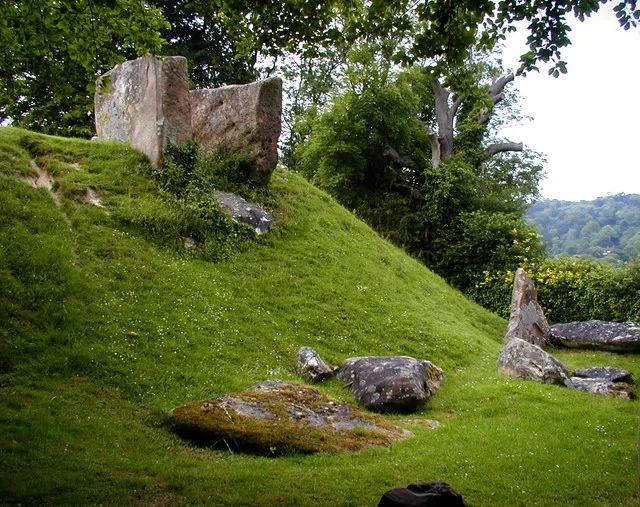
Coldrum Long Barrow
Coldrum Long Barrow — neolithic chambered long barrow near Trottiscliffe, Kent, England, UK.
 📷 5
📷 5Museums · South East England
Guildford House
Guildford House — house in Guildford, Surrey, England, UK.
 📷 5
📷 5Museums · South East England
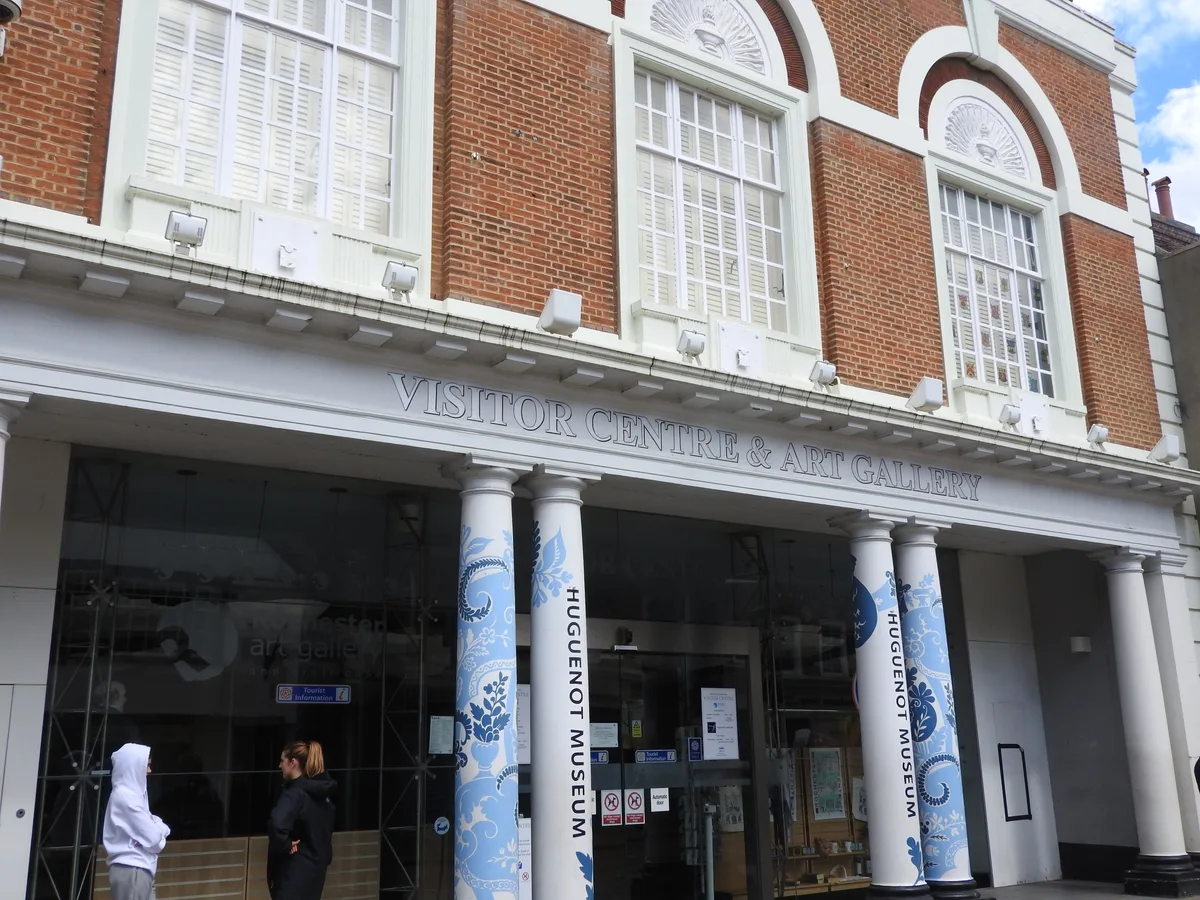
Huguenot Museum
Huguenot Museum — museum in Rochester, England, UK.
 📷 5
📷 5Museums · South East England
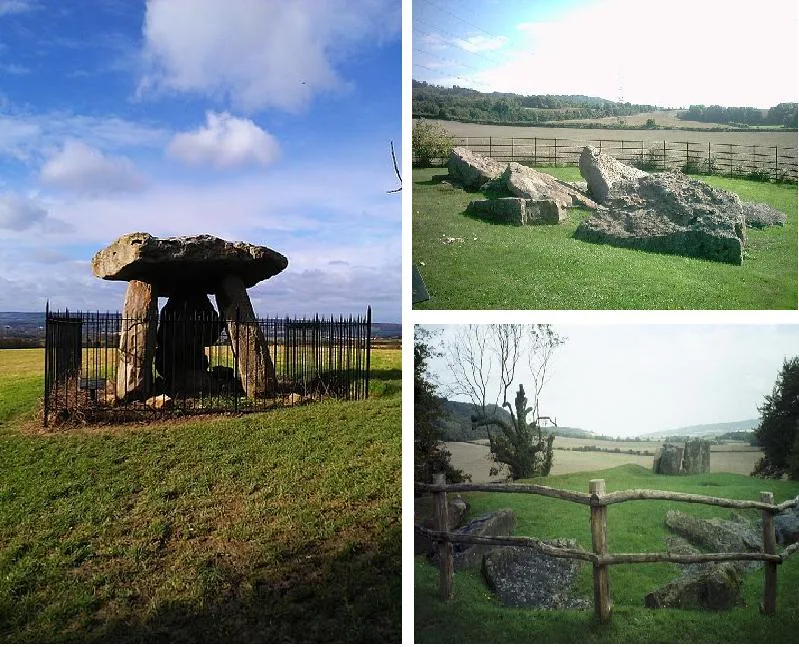
Medway megaliths
Medway megaliths — group of long barrows in Kent, England.
Frequently asked questions
- Where is Butser Ancient Farm?
- Butser Ancient Farm is in Hampshire, South-East England, United Kingdom (postcode PO8 0QF), in the parish of Clanfield.
- What is Butser Ancient Farm?
- Butser Ancient Farm is an archaeological open-air museum and experimental archaeology site located near Petersfield in Hampshire, southern England. Butser features experimental reconstructions of preh
- How do I get to Butser Ancient Farm?
- The nearest railway station is Rowlands Castle, about 5.8 km away. The nearest town is Ditcham. Drivers can use postcode PO8 0QF.
- When was Butser Ancient Farm built?
- Built or established in 1970.
- Is Butser Ancient Farm free to visit?
- Yes, Butser Ancient Farm is free to enter.
- How do I get to Butser Ancient Farm?
- The nearest railway station is Rowlands Castle, about 5.8 km away. Drivers can navigate to postcode PO8 0QF.