
Memorials & monuments · London
William Gladstone
In or near Covent Garden.
William Gladstone — a memorial in London, United Kingdom.

Peter Trimming — CC BY-SA 2.0 via Wikimedia Commons licence

Plan your visit
- Typical visit
- 15 min–45 min
- Nearest railway station
- Temple · 0.2 km
- Free entry
- Dog-friendly
- Wheelchair accessible
Getting there & planning your visit
To visit the William Gladstone memorial in Westminster, London, you can take the train to Temple station, which is just 0.2 km away. Entry to the memorial is free, and it is wheelchair accessible. The postcode for sat-nav is WC2R 1BH.
About
William Gladstone is a memorial located in London, United Kingdom. Sourced from OpenStreetMap (ODbL licence); see local listings for visitor information, opening hours and admission details.
Photo gallery
See it from the streetimagery from 2019
Imagery © Mapillary contributors, CC BY-SA 4.0
From the Wikipedia article
William Ewart Gladstone ( YOO-ərt GLAD-stən; 29 December 1809 – 19 May 1898) was a British statesman who served four times as Prime Minister of the United Kingdom. He began in politics as a Conservative Member of Parliament (MP) for Newark and ended as the face of the Liberal Party. His four non-consecutive terms — the most of any British prime minister — took place between 1868 and 1894. He also served four times as Chancellor of the Exchequer, five times as Leader of the House of Commons, and MP for over 60 years, from 1832 to 1845 and from 1847 to 1895, representing a total of five constituencies. His political career thus spanned nearly the entire Victorian era. Gladstone was born in Liverpool to the prominent Scottish merchant and slaveholder Sir John Gladstone. A graduate of Eton and Oxford, Gladstone first entered the House of Commons in 1832 as a High Tory, a grouping that joined the Conservative Party under Sir Robert Peel in 1834. Gladstone served as a minister in both of Peel's governments, and in 1846 joined the breakaway Peelite faction that merged into the new Liberal Party in 1859. He was chancellor under Lord Aberdeen (1852–1855), Lord Palmerston (1859–1865) and Lord Russell (1865–1866). Gladstone's own political doctrine – which promoted equality of opportunity and the repeal of taxes and protectionist trade barriers – came to be known as Gladstonian liberalism. His popularity among the working class earned him the sobriquet "The People's William". In 1868, Gladstone became prime minister for the first time. His ministry passed many reforms, including the disestablishment of the Church of Ireland and the introduction of secret voting. After electoral defeat in 1874, Gladstone resigned as leader of the Liberal Party. From 1876 he began a comeback based on moral opposition to the Ottoman Empire's massacres of revolting Bulgarians. His Midlothian speaking campaign of 1879–1880 was an early example of many modern political campaigning techniques. After the 1880 general election, Gladstone formed his second ministry (1880–1885), which saw the passage of the Third Reform Act as well as crises in Ireland — where his government passed repressive measures but also improved the legal rights of tenant farmers — and Egypt, where public outrage at the death of General Gordon in the Siege of Khartoum forced him to resign. Gladstone's brief 1886 premiership was dominated by his proposal of home rule for Ireland that was defeated in the House of Commons and caused Liberal Unionists to break from his party. This helped keep the Liberals out of office for 20 years, barring the minority cabinet Gladstone formed in 1892. This time, the Government of Ireland Bill 1893 passed through the Commons but was defeated by a wide margin in the House of Lords. Gladstone resigned in March 1894, aged 84, as the oldest ever prime minister. His successor, Lord Rosebery, was defeated in a landslide in the subsequent year's election. Gladstone left Parliament in 1895 and died three years later. A powerful orator, Gladstone was called by some the "G.O.M." (to his supporters, the "Grand Old Man"; to his rivals, "God's Only Mistake"). Historians often rank Gladstone as one of the greatest prime ministers in British history. His devoutness, charitable work (particularly with fallen women) and nonfiction texts on subjects ranging from the Oxford Movement to classical civilisation have also attracted attention.
Excerpt from Wikipedia under CC BY-SA 4.0. See the source article linked in Sources below.
- Coordinates
- 51.5130, -0.1145
- District
- Westminster
- Parish
- Westminster, unparished area
- Postcode
- WC2R 1BH
- Parliamentary constituency
- Cities of London and Westminster
- Phone
- +44 20 7641 2000
- Nearest railway station
- Temple — 0.2 km
Sources
- osm: node/1928917133 (ODbL)
- wikipedia: William Gladstone (CC BY-SA 4.0)
Other places nearby

Arthur Harris
Historic churches · 0.0 km

Lord Dowding
Battlefields & battle sites · 0.0 km
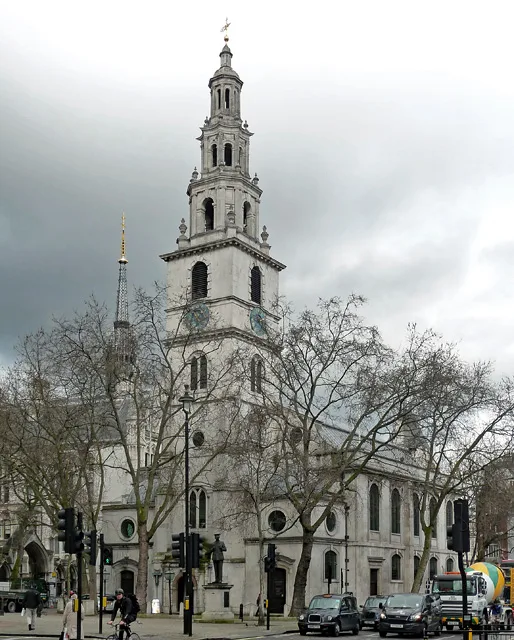
St Clement Danes
Historic churches · 0.0 km

The Awakening of Australia
Cathedrals · 0.0 km
.jpg?width=1200)
The Prosperity of Australia
Cathedrals · 0.0 km

Phoebus driving the Horses of the Sun
Public art & sculpture · 0.0 km

Screen Walls, Gates, Railings And Lamps To The Law Courts
Holy wells · 0.1 km

Samuel Johnson
Memorials & monuments · 0.1 km

High Commission of Australia, London
Gardens · 0.1 km

Essex Street
Memorials & monuments · 0.1 km

Opera Comique
Open-air theatres · 0.1 km
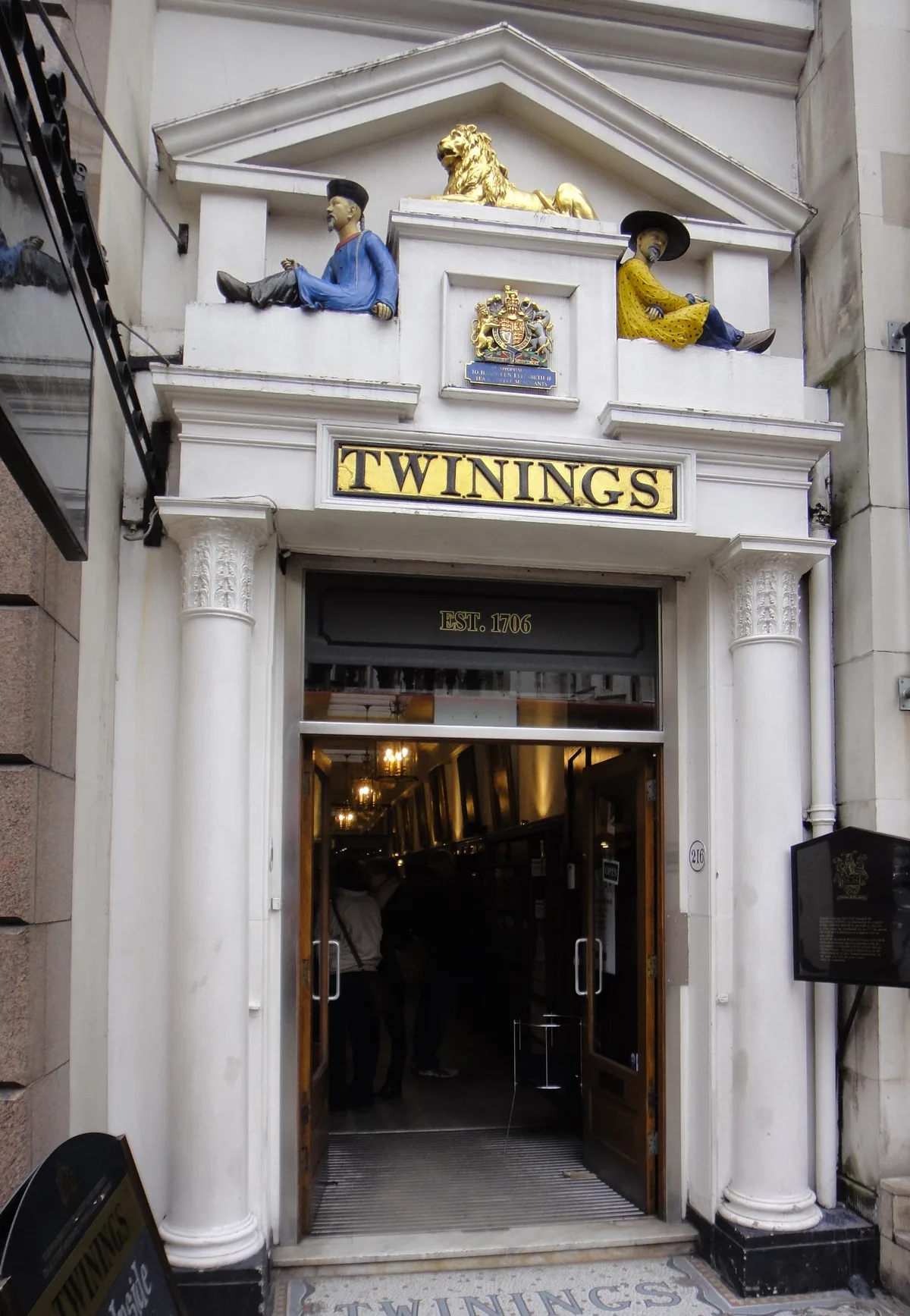
Twinings Museum
Museums · 0.1 km
Nearby
📷 5📷 5📷 5Historic churches · London
St Clement Danes
St Clement Danes — Anglican church in the City of Westminster, London, England, UK.
📷 5Cathedrals · London
The Awakening of Australia
The Awakening of Australia — Public artwork (sculpture) by Harold Parker.
📷 5Cathedrals · London
The Prosperity of Australia
The Prosperity of Australia — Public artwork (sculpture) by Harold Parker.
📷 5Public art & sculpture · London
Phoebus driving the Horses of the Sun
Phoebus driving the Horses of the Sun — Public artwork (sculpture) by Bertram Mackennal.
Where to eat & stay near William Gladstone
Places to stay
 📷 5
📷 5 📷 7
📷 7Hotels · London
Apex Temple Court Hotel
Apex Temple Court Hotel — a hotel in england london.
 📷 5
📷 5Hotels · London
Strand Palace Hotel
Strand Palace Hotel — a hotel in england london.
 📷 5
📷 5 📷 5📷 5
Places to eat & drink
 📷 5
📷 5 📷 7
📷 7Cafés · London
The Fleet Street Press
The Fleet Street Press — a café in england london.
 📷 5
📷 5 📷 5
📷 5Historic pubs · London
The Seven Stars
The Seven Stars — Historic pub — listed building or notable heritage status.
 📷 7
📷 7Historic pubs · London
The Old Bank of England
The Old Bank of England — Historic pub — listed building or notable heritage status.
 📷 7
📷 7More memorials in this region
.jpg?width=1200) 📷 5
📷 5Memorials & monuments · London
1st Surrey Rifles War Memorial
1st Surrey Rifles War Memorial is a memorial in the United Kingdom.
 📷 5
📷 5Memorials & monuments · London
24th East Surrey Division War Memorial
24th East Surrey Division War Memorial is a memorial in the United Kingdom.
 📷 5
📷 5Memorials & monuments · London
Abney Park Cemetery CWGC Cross
Abney Park Cemetery CWGC Cross is a memorial in the United Kingdom.
 📷 5
📷 5Memorials & monuments · London
Admiral Sir John Franklin
Admiral Sir John Franklin is a memorial in the United Kingdom.
Frequently asked questions
- Where is William Gladstone?
- William Gladstone is in London, United Kingdom (postcode WC2R 1BH), in the parish of Westminster, unparished area.
- What is William Gladstone?
- William Gladstone — a memorial in London, United Kingdom.
- How do I get to William Gladstone?
- The nearest railway station is Temple, about 0.2 km away. The nearest town is Covent Garden. Drivers can use postcode WC2R 1BH.
- Is William Gladstone free to visit?
- Yes, William Gladstone is free to enter.
- How do I get to William Gladstone?
- The nearest railway station is Temple, about 0.2 km away. Drivers can navigate to postcode WC2R 1BH.