
Memorials & monuments · Yorkshire & the Humber
The Cenotaph
Also known as: Goole Cenotaph
In or near Laxton.
The Cenotaph is a memorial in the United Kingdom.

Wikimedia Commons contributors — see linked file page for photographer and licence licence

Plan your visit
- Typical visit
- 15 min–45 min
- Nearest railway station
- Goole · 0.6 km
- Free entry
- Dog-friendly
Getting there & planning your visit
The Cenotaph is located in East Riding of Yorkshire, postcode DN14 6AL. The nearest railway station is Goole, which is 0.6 km away. Entry to the memorial is free.
About
The Cenotaph is a public memorial in Yorkshire, recording local sacrifice and named in the parish register of war and civic monuments. The site is a designated Site of Special Scientific Interest, and is a Ramsar wetland of international importance. It sits within the Goole and Pocklington parliamentary constituency. The nearest railway station is Goole, about 0.6 km away. Postcode area DN14.
Photo gallery
See it from the streetimagery from 2025
Imagery © Mapillary contributors, CC BY-SA 4.0
Official information
The Cenotaph is a war memorial located in Goole, commemorating those who lost their lives in conflicts. Visitors can pay their respects and reflect on the sacrifices made by servicemen and women.
Protected designations
- Site of Special Scientific Interest: Humber Estuary - 2000480 SSSI
- Ramsar wetland: Humber Estuary
Designations sourced from Natural England open data under OGL v3.
From the Wikipedia article
The Cenotaph is a war memorial on Whitehall in London, England. Designed by Sir Edwin Lutyens, it was unveiled in 1920 as the United Kingdom's national memorial to the dead of Britain and the British Empire of the First World War. It was rededicated in 1946 to include those of the Second World War, and has since come to represent the Commonwealth casualties from those and later conflicts. The word cenotaph is derived from Greek, meaning 'empty tomb'. Most of the dead were buried close to where they fell; thus, the Cenotaph symbolises their absence and is a focal point for public mourning. The original temporary Cenotaph was erected in 1919 for a parade celebrating the end of the First World War, at which more than 15,000 servicemen, including French and American soldiers, saluted the monument. More than a million people visited the site within a week of the parade. Calls for the Cenotaph to be rebuilt in permanent form began almost immediately. After some debate, the government agreed and construction work began in May 1920. Lutyens added entasis (curvature) but otherwise made minimal design alterations. The Cenotaph is built from Portland stone. It takes the form of a tomb chest atop a rectangular pylon, which diminishes as it rises. Three flags hang from each of the long sides. The memorial is austere, containing almost no decoration. The permanent Cenotaph was unveiled by King George V on 11 November 1920 in a ceremony combined with the repatriation of the Unknown Warrior, an unidentified British serviceman to be interred in Westminster Abbey. After the unveiling, millions more people visited the Cenotaph and the Unknown Warrior. The memorial met with public acclaim and has largely been praised by academics, though some Christian organisations disapproved of its lack of overt religious symbolism. The Cenotaph has been revered since its unveiling, and while nationally important has been the scene of several political protests and vandalised with spray paint twice in the 21st century. The National Service of Remembrance is held annually at the site on Remembrance Sunday; it is also the scene of other remembrance services. The Cenotaph is a Grade I listed building and forms part of a national collection of Lutyens's war memorials. Dozens of replicas were built in Britain and other Commonwealth countries. While there was no set or agreed standard for First World War memorials, the Cenotaph proved to be one of the most influential models for such structures. Lutyens designed several other cenotaphs, which all shared common features with that at Whitehall. The Cenotaph has been the subject of several artworks and has featured in multiple works of literature, including a novel and several poems. The public acclaim for the monument was responsible for Lutyens becoming a national figure, and the Royal Institute of British Architects awarded him its Royal Gold Medal in 1921. For several years afterwards much of his time was taken up with war memorial commissions.
Excerpt from Wikipedia under CC BY-SA 4.0. See the source article linked in Sources below.
Background
History
The First World War produced casualties on a scale previously unseen by developed nations. More than 1.1million men from the British Empire were killed. In the war's aftermath, thousands of war memorials were erected across Britain and its empire, and on the former battlefields. Amongst the most prominent designers of war memorials was Sir Edwin Lutyens, described by Historic England as "the foremost architect of his day". In 1917, he travelled to France under the auspices of the IWGC and was horrified by the scale of destruction. The experience influenced his later designs for war memorials and led him to the conclusion that a different form of architecture was required to properly…
Architecture
The Cenotaph is made from Portland stone formed as a pylon on a rectangular plan (two long sides and two short ones), with gradually diminishing tiers, culminating in a sculpted tomb chest (the empty tomb suggested by the name cenotaph) on which is carved laurel wreath. The structure rises to a height of just over 35 ft and is about 4.5 by at the base. Lutyens described it as "an empty tomb uplifted on a high pedestal". The pylon's mass decreases with its height; the sides becoming narrower towards the bottom of the coffin. The base is in four stages from the top of the steps starting with the plinth, which connects to the base block. The plinth projects 3 in from the base block on all four…
Sourced from Wikipedia under CC BY-SA 4.0.
- Coordinates
- 53.7072, -0.8829
- District
- East Riding of Yorkshire
- Parish
- Goole
- Postcode
- DN14 6AL
- Parliamentary constituency
- Goole and Pocklington
- Nearest railway station
- Goole — 0.6 km
Sources
- osm: n3972383327 (ODbL)
- commons: War Memorial, Goole - geograph.org.uk - 2249581.jpg (CC BY-SA 4.0)
- wikipedia: The Cenotaph (CC BY-SA 4.0)
Other places nearby

Goole Cenotaph
Memorials & monuments · 0.0 km

Percy Jeeves
Memorials & monuments · 0.1 km

Windmill Tower At Number 145 (Timm And Son Ltd)
Windmills · 0.2 km

St Paul's Players
Theatres · 0.2 km
Gate Arts Theatre
Theatres · 0.3 km

Concrete Water Tower
Memorials & monuments · 0.6 km

Carlton Picture House
Theatres · 0.6 km

Junction (Theatre/Cinema)
Cinemas · 0.8 km

Cinema Palace
Theatres · 0.8 km

Goole Market Hall
Farmers’ markets · 0.8 km
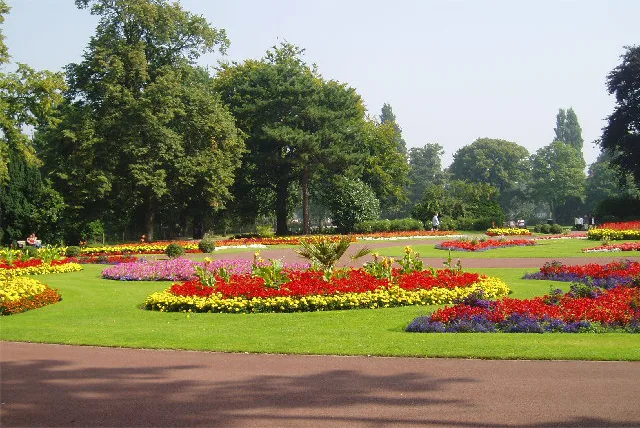
West Park
Country parks · 0.8 km

Clock Tower
Memorials & monuments · 0.8 km
Nearby
📷 3Memorials & monuments · Yorkshire & the Humber
Goole Cenotaph
Goole Cenotaph — Grade II listed building-listed memorial in england-yorkshire, United Kingdom.
📷 4Memorials & monuments · Yorkshire & the Humber
Percy Jeeves
Percy Jeeves — a memorial in Yorkshire & the Humber, United Kingdom.
📷 3Windmills · Yorkshire & the Humber
Windmill Tower At Number 145 (Timm And Son Ltd)
Windmill Tower At Number 145 (Timm And Son Ltd) — Grade II listed building-listed windmill in england-yorkshire, United Kingdom.
📷 3Theatres · Yorkshire & the Humber
St Paul's Players
St Paul's Players is a theatre in the United Kingdom.
📷 3Theatres · Yorkshire & the Humber
Gate Arts Theatre
Gate Arts Theatre in England Yorkshire, United Kingdom.
📷 5Memorials & monuments · Yorkshire & the Humber
Concrete Water Tower
Concrete Water Tower — a water tower in england-yorkshire, United Kingdom.
Where to eat & stay near The Cenotaph
Places to stay
 📷 5
📷 5Campsites · Yorkshire & the Humber
Dobella Lane Farm Camping
Dobella Lane Farm Camping — a campsite in england yorkshire.
 📷 5
📷 5Caravan parks · Yorkshire & the Humber
Brenda House Touring Caravan Park
Brenda House Touring Caravan Park — a caravan park in england yorkshire.
 📷 5
📷 5Campsites · Yorkshire & the Humber
Whitgift Hall Caravan Site and Fishery
Whitgift Hall Caravan Site and Fishery — a campsite in england yorkshire.
 📷 5
📷 5Caravan parks · Yorkshire & the Humber
Cliffe Meadows Holiday Park
Cliffe Meadows Holiday Park — a caravan park in england yorkshire.
 📷 5
📷 5Campsites · Yorkshire & the Humber
Apple Blossom Caravan and Camping
Apple Blossom Caravan and Camping — a campsite in england yorkshire.
 📷 5
📷 5Caravan parks · Yorkshire & the Humber
Ranch Caravan Park
Ranch Caravan Park — a caravan park in england yorkshire.
Places to eat & drink
 📷 4
📷 4Historic pubs · Yorkshire & the Humber
The Royal
The Royal — Historic pub — listed building or notable heritage status.
 📷 7
📷 7Restaurants · Yorkshire & the Humber
The Lowther Hotel
The Lowther Hotel — a restaurant in england yorkshire.
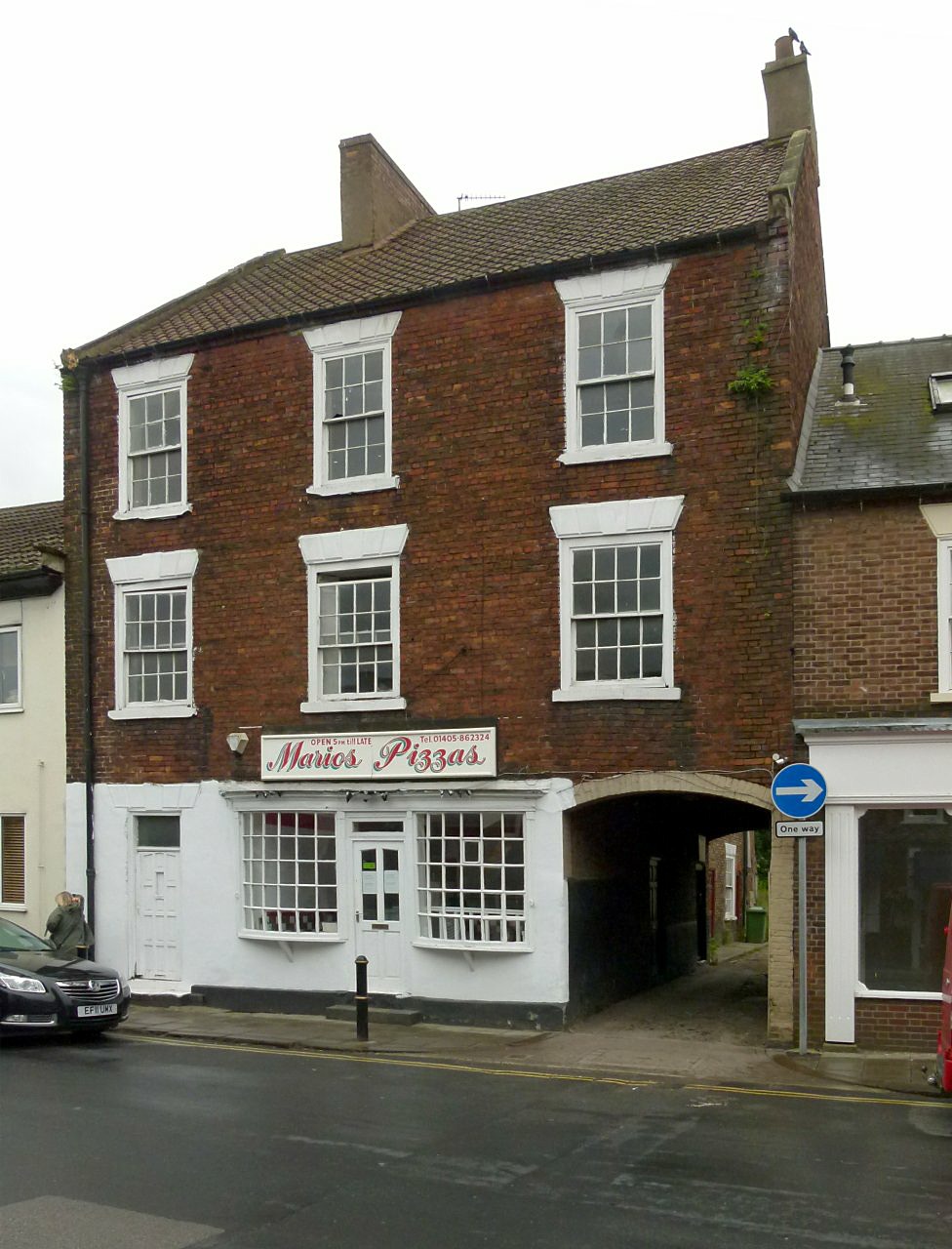 📷 7
📷 7Historic pubs · Yorkshire & the Humber
The Plough Inn
The Plough Inn in England Yorkshire, United Kingdom.
 📷 5
📷 5Historic pubs · Yorkshire & the Humber
The Blacksmith Arms
The Blacksmith Arms in England Yorkshire, United Kingdom.
 📷 7
📷 7Historic pubs · Yorkshire & the Humber
The Berkeley
The Berkeley in England Yorkshire, United Kingdom.
 📷 5
📷 5Historic pubs · Yorkshire & the Humber
The Cross Keys
The Cross Keys in England Yorkshire, United Kingdom.
More memorials in this region
 📷 3
📷 3Memorials & monuments · Yorkshire & the Humber
Disley War Memorial
Disley War Memorial — War memorial, dating to 1920.
 📷 3
📷 3Memorials & monuments · Yorkshire & the Humber
Hyde war memorial
Hyde war memorial is a memorial in the United Kingdom.
 📷 3
📷 3Memorials & monuments · Yorkshire & the Humber
Audenshaw War Memorial
Audenshaw War Memorial — Grade II listed building-listed memorial in england-west-midlands, United Kingdom.
 📷 3
📷 3Memorials & monuments · Yorkshire & the Humber
War memorial to front of Church of St Paul
War memorial to front of Church of St Paul — Grade II listed building-listed memorial in england-west-midlands, United Kingdom.
Frequently asked questions
- Where is The Cenotaph?
- The Cenotaph is in Yorkshire, United Kingdom (postcode DN14 6AL), in the parish of Goole.
- What is The Cenotaph?
- The Cenotaph is a memorial in the United Kingdom.
- How do I get to The Cenotaph?
- The nearest railway station is Goole, about 0.6 km away. The nearest town is Laxton. Drivers can use postcode DN14 6AL.
- Is The Cenotaph a protected site?
- Yes — The Cenotaph is part of the Humber Estuary - 2000480 SSSI Site of Special Scientific Interest and the Humber Estuary Ramsar wetland.
- Is The Cenotaph free to visit?
- Yes, The Cenotaph is free to enter.
- How do I get to The Cenotaph?
- The nearest railway station is Goole, about 0.6 km away. Drivers can navigate to postcode DN14 6AL.