
Wildlife reserves · Scottish Highlands
St Cyrus National Nature Reserve
In or near St Cyrus.
St Cyrus National Nature Reserve — Scottish nature reserve.

Wikimedia Commons licence
Plan your visit
- Typical visit
- 2 h–4 h
- Best time of year
- Autumn & winter (migration & wildfowl)
- Nearest railway station
- Montrose · 6.6 km
- Free entry
- Dog-friendly
Getting there & planning your visit
To visit St Cyrus National Nature Reserve, the nearest railway station is Montrose, located 6.6 km away. Entry to the reserve is free.
About
St Cyrus National Nature Reserve is a wildlife reserve in the United Kingdom. Wikidata describes it as: "Scottish nature reserve". Coordinates: 56.7638°, -2.4183°.
Photo gallery
Official information
St Cyrus National Nature Reserve is a protected area that showcases diverse habitats including coastal cliffs, sandy beaches, and grasslands. Visitors can enjoy walking trails and observe a variety of wildlife, particularly birds, in their natural environment.
From the Wikipedia article
St Cyrus National Nature Reserve is situated between the village of St Cyrus and the North Sea in the far south of the council area of Aberdeenshire in Scotland. The national nature reserve (NNR) comprises a narrow strip of land that is 3.5 km long and less than 500 m across at its widest point: the total area is 92 hectares (230 acres), most of which is only a few metres above sea level and bounded by cliffs to the west. It forms the northern third of Montrose Bay, with the River North Esk marking its southern boundary. The reserve was declared in 1962, and is managed by NatureScot. The cliffs and dunes provide a nationally important habitat for flowering plants and insects, many of which are at their northern limit in Britain. The reserve is one of the most important botanical sites on the north-east coast of Scotland, supporting over 300 plant species. A visitor centre run by NatureScot is located within an old lifeboat station, which also provides educational facilities for groups of school children, bird watchers and botanists. The centre opened in 1989 and underwent a major upgrade in 2004. As of 2008 around over 15,000 people visited the centre annually. NatureScot has waymarked a 1.5 km path known as the Tyrie Trail, and there several other paths across the reserve.
Excerpt from Wikipedia under CC BY-SA 4.0. See the source article linked in Sources below.
Background
History
There are no archaeological remains on the NNR itself, however the reserve almost completely surrounds the old graveyard known as the Nether Kirkyard, which is associated with former church of Ecclesgreig. No trace remains of the church itself, which was consecrated in 1242, although some early gravestones remain in-situ. Also close to the reserve is a cave used by Neolithic people, located in the cliffs adjacent to the visitor centre. Bones found within the cave are believed to come from a midden that was in use between 4,000 and 3,000 BC. The bones were identified as coming from a variety of different creatures, and pieces of pottery and an amulet were also found. A lifeboat station was…
Sourced from Wikipedia under CC BY-SA 4.0.
- Coordinates
- 56.7638, -2.4183
- District
- Aberdeenshire
- Postcode
- DD10 0DA
- Parliamentary constituency
- West Aberdeenshire and Kincardine
- Established
- 1962
- Nearest railway station
- Montrose — 6.6 km
- Official site
- sitelink.nature.scot
Sources
- wikidata: Q65090412 (CC0)
- wikipedia: St Cyrus National Nature Reserve (CC BY-SA 4.0)
Other places nearby

George Beattie Memorial & Grave
Memorials & monuments · 0.2 km
Ecclesgreig Old Church and Burial Ground, St Cyrus
Historic houses · 0.2 km
Graveyard Watch House
Historic houses · 0.2 km

Sands of St Cyrus
Beaches · 0.4 km

St Cyrus War Memorial
Memorials & monuments · 1.2 km
St Cyrus Church, St Cyrus
Historic churches · 1.2 km
St Cyrus, Old Parish Church
Historic churches · 1.2 km

Montrose Bay
Natural landmarks · 1.2 km

Saint Cyrus
Villages · 1.3 km

St Cyrus
Towns & cities · 1.3 km

Beach Road
Historic bridges · 1.3 km

St Cyrus Uf Church, Main Road, St Cyrus
Historic churches · 1.3 km
Nearby
📷 3Memorials & monuments · Scottish Highlands
George Beattie Memorial & Grave
George Beattie Memorial & Grave — a memorial in scotland-highlands, United Kingdom.
📷 3Historic houses · Scottish Highlands
Ecclesgreig Old Church and Burial Ground, St Cyrus
Ecclesgreig Old Church and Burial Ground, St Cyrus — a historic house in scotland-highlands, United Kingdom.
📷 3Historic houses · Scottish Highlands
Graveyard Watch House
Graveyard Watch House — a historic house in scotland-highlands, United Kingdom.
📷 3Beaches · Scottish Highlands
Sands of St Cyrus
Sands of St Cyrus is a beach in the United Kingdom.
📷 3Memorials & monuments · Scottish Highlands
St Cyrus War Memorial
St Cyrus War Memorial — a memorial in scotland-highlands, United Kingdom.
📷 5Historic churches · Scottish Highlands
St Cyrus Church, St Cyrus
St Cyrus Church, St Cyrus — category B listed building-listed church in scotland-highlands, United Kingdom.
Where to eat & stay near St Cyrus National Nature Reserve
Places to stay
 📷 5
📷 5Caravan parks · Scottish Highlands
Ecclesgreig Holiday Park
Ecclesgreig Holiday Park — a caravan park in scotland highlands.
 📷 5
📷 5Caravan parks · Scottish Highlands
St Cyrus Holiday Park
St Cyrus Holiday Park — a caravan park in scotland highlands.
 📷 5
📷 5Campsites · Scottish Highlands
Miltonhaven Seaside Caravan Park & Campsite
Miltonhaven Seaside Caravan Park & Campsite — a campsite in scotland highlands.
 📷 5
📷 5Caravan parks · Scottish Highlands
Tayock Park
Tayock Park — a caravan park in scotland highlands.
 📷 5
📷 5Caravan parks · Scottish Highlands
South Links Holiday Park
South Links Holiday Park — a caravan park in scotland highlands.
 📷 5
📷 5Campsites · Scottish Highlands
Wairds Park Campsite
Wairds Park Campsite — a campsite in scotland highlands.
Places to eat & drink
 📷 5
📷 5Historic pubs · Scottish Highlands
95 High Street, Montrose
95 High Street, Montrose in Scotland Highlands, United Kingdom.
 📷 5
📷 5Historic pubs · Central Scotland
The Corn Exchange
The Corn Exchange in Scotland Highlands, United Kingdom.
More places in this region
 📷 3
📷 3Wildlife reserves · Scottish Highlands
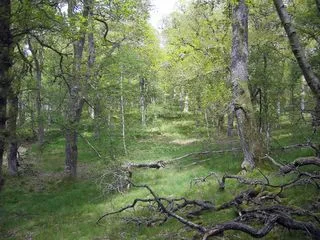
Dinnet Oakwood Special Area of Conservation
Dinnet Oakwood Special Area of Conservation — Special Area of Conservation in Aberdeenshire, Scotland, UK.
 Flagship📷 5
Wildlife reserves · Scottish Highlands
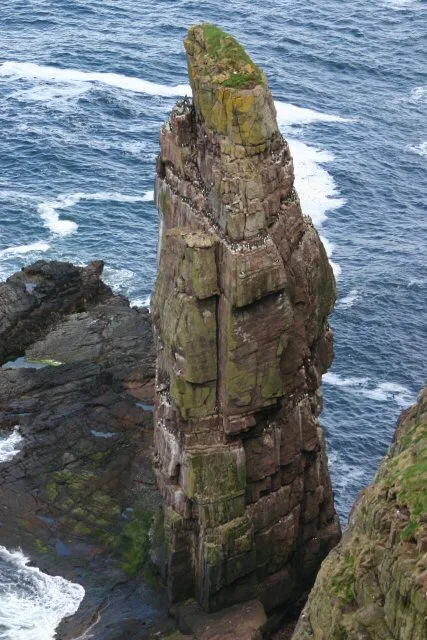
Handa Island
Handa Island — island off the west coast of Sutherland, Scotland.
 📷 3
📷 3Wildlife reserves · Scottish Highlands
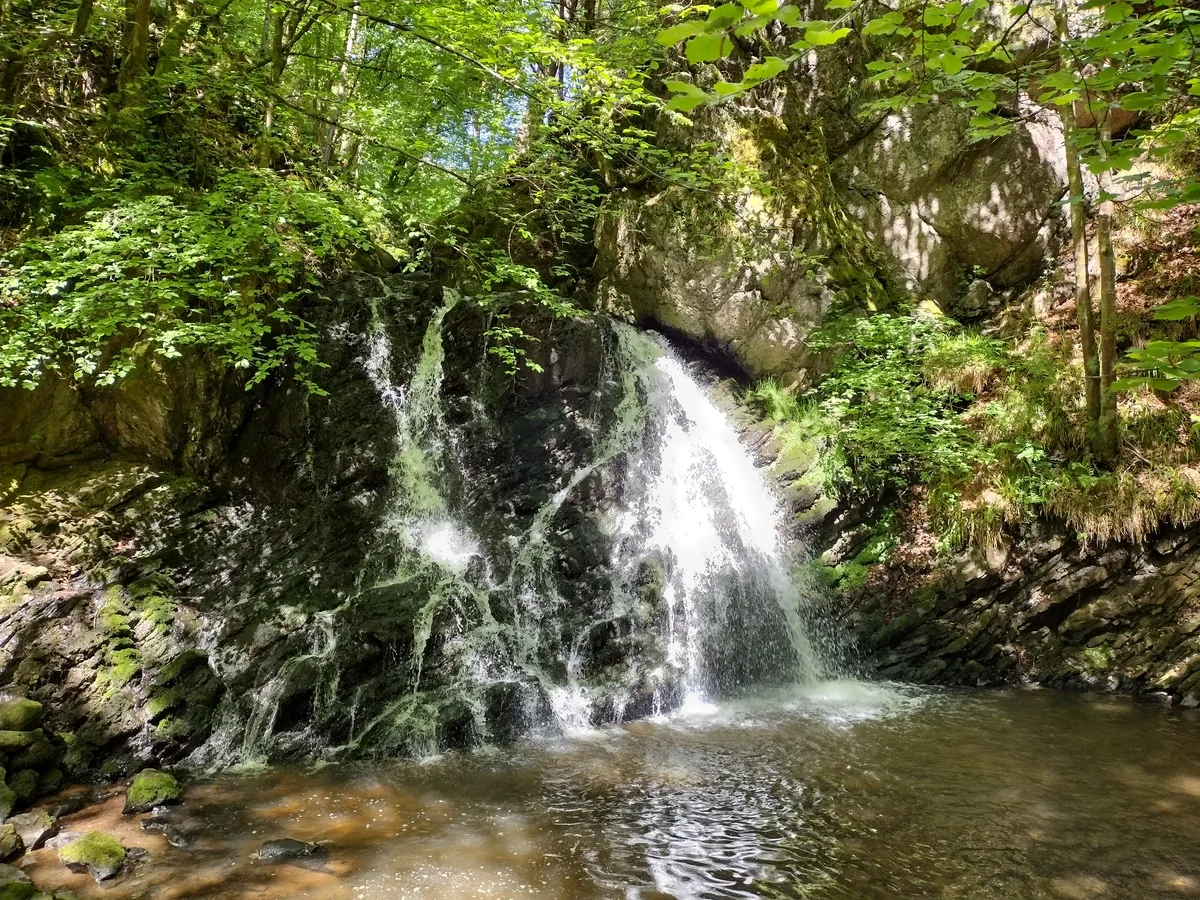
Fairy Glen, Rosemarkie
Fairy Glen, Rosemarkie — RSPB reserve in Scotland.
 📷 3
📷 3Wildlife reserves · Scottish Highlands
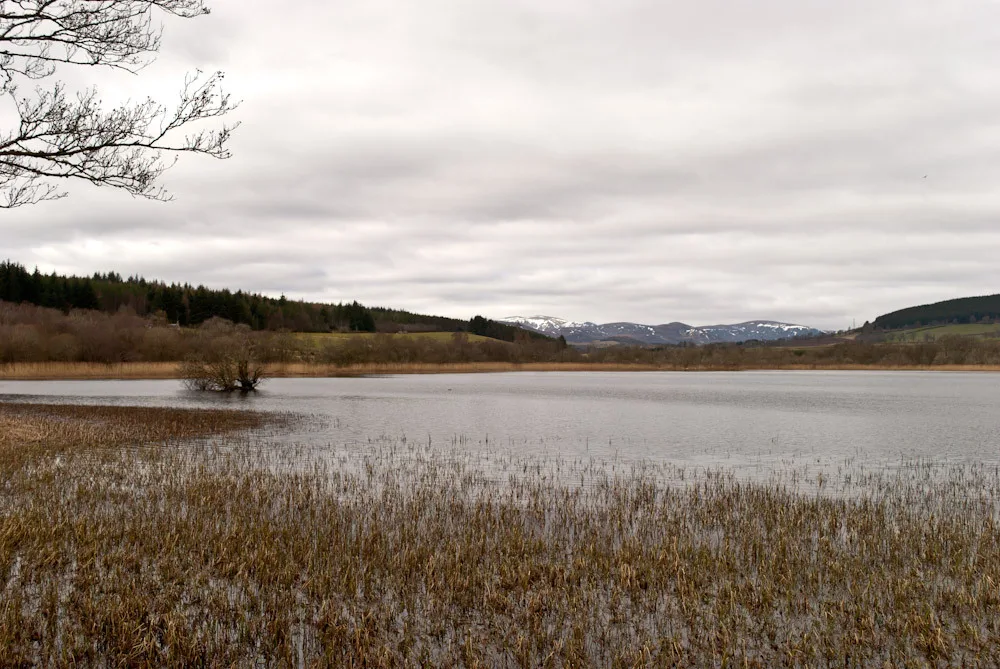
Loch Achnacloich
Loch Achnacloich — lake in Highland, Scotland, UK, on and outflowsing east to Burn of Achnacloich.
Frequently asked questions
- Where is St Cyrus National Nature Reserve?
- St Cyrus National Nature Reserve is in the Scottish Highlands, United Kingdom (postcode DD10 0DA).
- What is St Cyrus National Nature Reserve?
- St Cyrus National Nature Reserve — Scottish nature reserve.
- How do I get to St Cyrus National Nature Reserve?
- The nearest railway station is Montrose, about 6.6 km away. The nearest town is St Cyrus. Drivers can use postcode DD10 0DA.
- When was St Cyrus National Nature Reserve built?
- Built or established in 1962.
- Who owns St Cyrus National Nature Reserve?
- St Cyrus National Nature Reserve is owned by NatureScot.
- Is St Cyrus National Nature Reserve free to visit?
- Yes, St Cyrus National Nature Reserve is free to enter.
- How do I get to St Cyrus National Nature Reserve?
- The nearest railway station is Montrose, about 6.6 km away. Drivers can navigate to postcode DD10 0DA.
- Are dogs allowed at St Cyrus National Nature Reserve?
- Most wildlife reserves allow dogs on lead only, with restrictions during ground-nesting bird season (March-July). Check signage at the reserve.