
Memorials & monuments · London
Raymond Chandler
In or near Shortlands.
Raymond Chandler — a memorial in London, United Kingdom.

Stephen Craven — CC BY-SA 2.0 via Wikimedia Commons licence

Plan your visit
- Typical visit
- 15 min–45 min
- Nearest railway station
- Crystal Palace · 1.0 km
- Free entry
- Dog-friendly
Getting there & planning your visit
To visit the Raymond Chandler memorial in Croydon, London, the nearest railway station is Crystal Palace, located 1 km away. Entry to the memorial is free. The postcode for sat-nav is SE19 2BY.
About
Raymond Chandler is a memorial located in London, United Kingdom. Sourced from OpenStreetMap (ODbL licence); see local listings for visitor information, opening hours and admission details.
Photo gallery
From the Wikipedia article
Raymond Thornton Chandler (July 23, 1888 – March 26, 1959) was an American-British novelist and screenwriter. In 1932, at the age of forty-four, Chandler became a detective fiction writer after losing his job as an oil company executive during the Great Depression. His first short story, "Blackmailers Don't Shoot", was published in 1933 in Black Mask, a pulp magazine. His first novel, The Big Sleep, was published in 1939. In addition to his short stories, Chandler published seven novels during his lifetime (an eighth, in progress at the time of his death, was completed by Robert B. Parker). All but Playback have been made into motion pictures, some more than once. Chandler had an immense stylistic influence on American popular literature. He is a founder of the hardboiled school of detective fiction, along with Dashiell Hammett, James M. Cain and other Black Mask writers. The protagonist of his novels, Philip Marlowe, like Hammett's Sam Spade, is considered by some to be synonymous with "private detective". Both were played in films by Humphrey Bogart, whom many consider to be the quintessential Marlowe. The Big Sleep placed second on the Crime Writers' Association poll of the 100 best crime novels; Farewell, My Lovely (1940), The Lady in the Lake (1943) and The Long Goodbye (1953) also made the list. The latter novel was praised in an anthology of American crime stories as "arguably the first book since Hammett's The Glass Key, published more than twenty years earlier, to qualify as a serious and significant mainstream novel that just happened to possess elements of mystery". Chandler was also a perceptive critic of detective fiction; his "The Simple Art of Murder" is the canonical essay in the field. In it he wrote: "Down these mean streets a man must go who is not himself mean, who is neither tarnished nor afraid. The detective must be a complete man and a common man and yet an unusual man. He must be, to use a rather weathered phrase, a man of honor—by instinct, by inevitability, without thought of it, and certainly without saying it. He must be the best man in his world and a good enough man for any world." Parker wrote that, with Marlowe, "Chandler seems to have created the culminating American hero: wised up, hopeful, thoughtful, adventurous, sentimental, cynical and rebellious—an innocent who knows better, a Romantic who is tough enough to sustain Romanticism in a world that has seen the eternal footman hold its coat and snicker. Living at the end of the Far West, where the American dream ran out of room, no hero has ever been more congruent with his landscape. Chandler had the right hero in the right place, and engaged him in the consideration of good and evil at precisely the time when our central certainty of good no longer held."
Excerpt from Wikipedia under CC BY-SA 4.0. See the source article linked in Sources below.
- Coordinates
- 51.4111, -0.0809
- District
- Croydon
- Parish
- Croydon, unparished area
- Postcode
- SE19 2BY
- Parliamentary constituency
- Streatham and Croydon North
- Nearest railway station
- Crystal Palace — 1 km
Sources
- osm: node/7982273824 (ODbL)
- wikipedia: Raymond Chandler (CC BY-SA 4.0)
Other places nearby
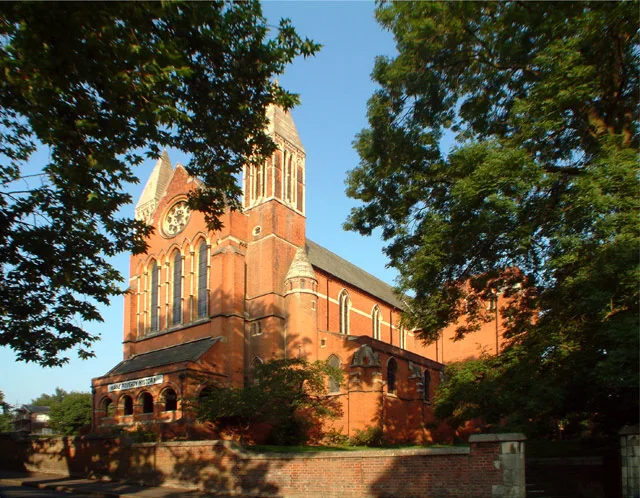
St John the Evangelist, Upper Norwood
Historic churches · 0.1 km

War Memorial at St John the Evangelist Church, Upper Norwood
Memorials & monuments · 0.1 km
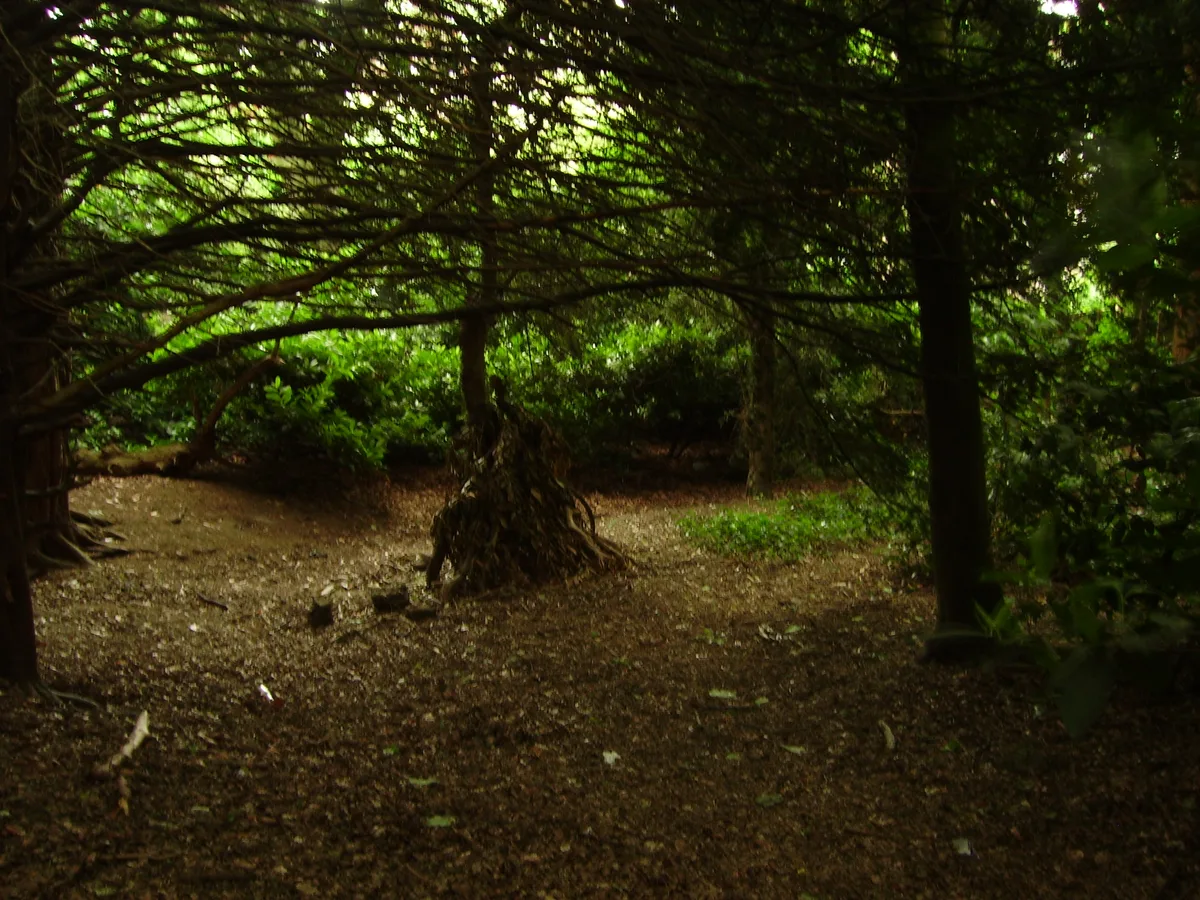
Stambourne Woodland Walk
Country parks · 0.3 km

Crystal Palace
Mountains & hills · 0.4 km

War Memorial at the Church of All Saints
Memorials & monuments · 0.4 km

Emile Zola
Memorials & monuments · 0.5 km

Frankie
Public art & sculpture · 0.6 km
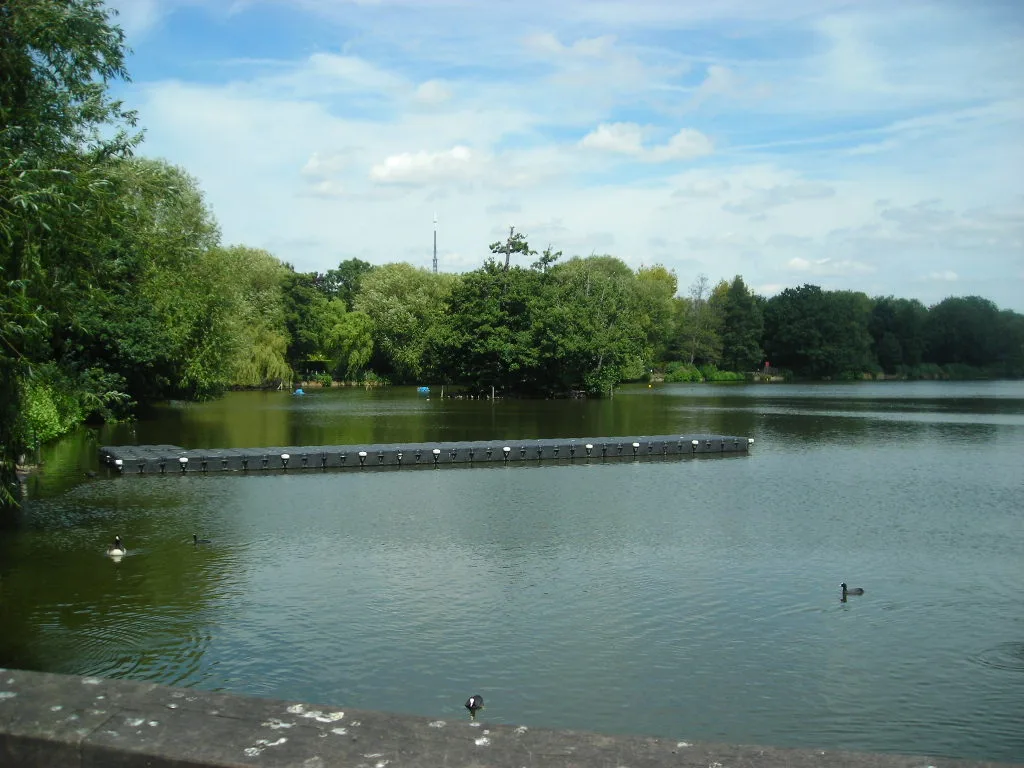
South Norwood Lake and Grounds
Parks · 0.7 km
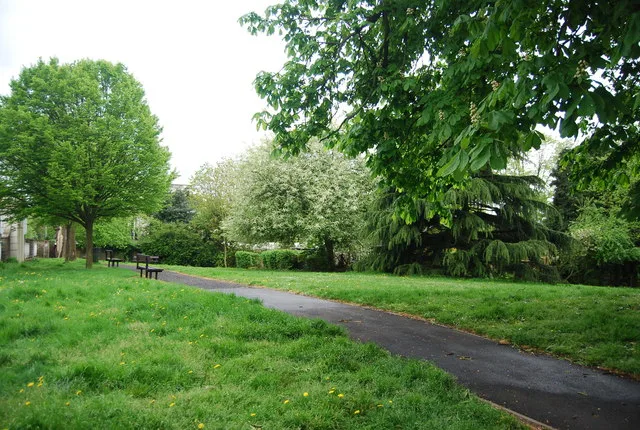
Westow Park
Country parks · 0.7 km
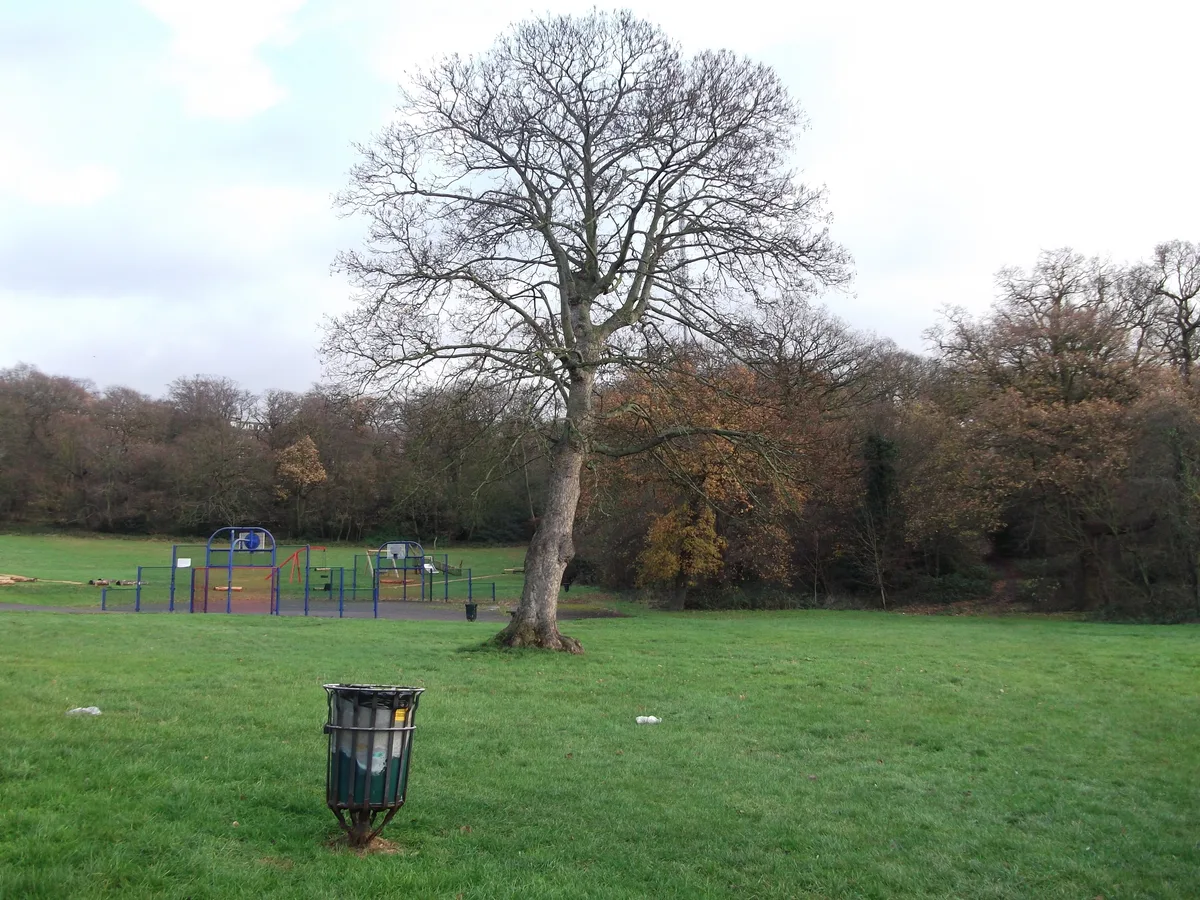
The Lawns
Country parks · 0.7 km

War Memorial at Westow Street
Memorials & monuments · 0.7 km

Marie Stopes
Memorials & monuments · 0.7 km
Nearby
📷 5Historic churches · London
St John the Evangelist, Upper Norwood
St John the Evangelist, Upper Norwood — church in the London Borough of Croydon, England,UK.
📷 5Memorials & monuments · London
War Memorial at St John the Evangelist Church, Upper Norwood
War Memorial at St John the Evangelist Church, Upper Norwood — Grade II listed building-listed memorial in england-london, United Kingdom.
📷 5Country parks · London
Stambourne Woodland Walk
Stambourne Woodland Walk — urban park in London Borough of Croydon, United Kingdom.
📷 5📷 5Memorials & monuments · London
War Memorial at the Church of All Saints
War Memorial at the Church of All Saints — Grade II listed building-listed memorial in england-london, United Kingdom.
📷 5Where to eat & stay near Raymond Chandler
Places to stay
 📷 5
📷 5 📷 5
📷 5 📷 5
📷 5Campsites · London
South London Scout Centre
South London Scout Centre — a campsite in england london.
 📷 7
📷 7Hotels · London
Hampton by Hilton London Croydon
Hampton by Hilton London Croydon — a hotel in england london. 3.5-star. Brand: Hampton.
 📷 7
📷 7Hotels · London
Holiday Inn Express London-Croydon
Holiday Inn Express London-Croydon — a hotel in england london. 3-star. Brand: Holiday Inn Express.
 📷 5
📷 5Hostels · London
Hootananny Brixton
Hootananny Brixton — a hostel in england london.
Places to eat & drink
 📷 5
📷 5 📷 5
📷 5 📷 5
📷 5Historic pubs · London
The Crown and Greyhound
The Crown and Greyhound in England London, United Kingdom.
 📷 7
📷 7 📷 5
📷 5 📷 5
📷 5More memorials in this region
.jpg?width=1200) 📷 5
📷 5Memorials & monuments · London
1st Surrey Rifles War Memorial
1st Surrey Rifles War Memorial is a memorial in the United Kingdom.
 📷 5
📷 5Memorials & monuments · London
24th East Surrey Division War Memorial
24th East Surrey Division War Memorial is a memorial in the United Kingdom.
 📷 5
📷 5Memorials & monuments · London
Abney Park Cemetery CWGC Cross
Abney Park Cemetery CWGC Cross is a memorial in the United Kingdom.
 📷 5
📷 5Memorials & monuments · London
Admiral Sir John Franklin
Admiral Sir John Franklin is a memorial in the United Kingdom.
Frequently asked questions
- Where is Raymond Chandler?
- Raymond Chandler is in London, United Kingdom (postcode SE19 2BY), in the parish of Croydon, unparished area.
- What is Raymond Chandler?
- Raymond Chandler — a memorial in London, United Kingdom.
- How do I get to Raymond Chandler?
- The nearest railway station is Crystal Palace, about 1.0 km away. The nearest town is Shortlands. Drivers can use postcode SE19 2BY.
- Is Raymond Chandler free to visit?
- Yes, Raymond Chandler is free to enter.
- How do I get to Raymond Chandler?
- The nearest railway station is Crystal Palace, about 1.0 km away. Drivers can navigate to postcode SE19 2BY.