
Historic houses · North West England
Little Moreton Hall
In or near Barthomley.
Little Moreton Hall, also known as Old Moreton Hall, is a moated half-timbered manor house 4.5 miles (7.2 km) south-west of Congleton in Cheshire, England. The earliest parts of the house were built f

Peter Jeffery — CC BY-SA 2.0 via Wikimedia Commons licence

Plan your visit
- Typical visit
- 1 h–2 h
- Nearest railway station
- Kidsgrove · 4.5 km
- Family-friendly
- Limited wheelchair access
Getting there & planning your visit
To visit Little Moreton Hall, the nearest railway station is Kidsgrove, located 4.5 km away. The postcode for sat-nav is CW12 4SD. Please note that wheelchair accessibility is limited.
About
Little Moreton Hall, also known as Old Moreton Hall, is a moated half-timbered manor house 4.5 miles (7.2 km) south-west of Congleton in Cheshire, England. The earliest parts of the house were built for the prosperous Cheshire landowner William Moreton in about 1504–08 and the remainder was constructed in stages by successive generations of the family until about 1610. The building is highly irregular, with three asymmetrical ranges forming a small, rectangular cobbled courtyard. A National Trust guidebook describes Little Moreton Hall as being "lifted straight from a fairy story, a gingerbread house." The house's top-heavy appearance, "like a stranded Noah's Ark", is due to the Long Gallery that runs the length of the south range's upper floor. The house remained in the possession of the Moreton family for almost 450 years, until ownership was transferred to the National Trust in 1938. Little Moreton Hall and its sandstone bridge across the moat are recorded in the National Heritage List for England as a designated Grade I listed building; the ground on which Little Moreton Hall stands is protected as a Scheduled Monument. The house has been fully restored and is open to the public from April to December each year. At its greatest extent, in the mid-16th century, the Little Moreton Hall estate occupied an area of 1,360 acres (550 ha); it contained a cornmill, orchards, gardens and an iron bloomery with water-powered hammers. The gardens lay abandoned until their…
Photo gallery
Heritage listing
Little Moreton Hall's south range, constructed in the mid-16th century. The weight of the third-storey glazed gallery, possibly added at a late stage of construction, has caused the lower floors to bow and warp.
From the Wikipedia article
Little Moreton Hall, also known as Old Moreton Hall, is a moated half-timbered manor house 4.5 miles (7.2 km) south-west of Congleton in Cheshire, England. The earliest parts of the house were built for the prosperous Cheshire landowner William Moreton in about 1504–08 and the remainder was constructed in stages by successive generations of the family until about 1610. The building is highly irregular, with three asymmetrical ranges forming a small, rectangular cobbled courtyard. A National Trust guidebook describes Little Moreton Hall as being "lifted straight from a fairy story, a gingerbread house." The house's top-heavy appearance, "like a stranded Noah's Ark", is due to the Long Gallery that runs the length of the south range's upper floor. The house remained in the possession of the Moreton family for almost 450 years, until ownership was transferred to the National Trust in 1938. Little Moreton Hall and its sandstone bridge across the moat are recorded in the National Heritage List for England as a designated Grade I listed building; the ground on which Little Moreton Hall stands is protected as a Scheduled Monument. The house has been fully restored and is open to the public from April to December each year. At its greatest extent, in the mid-16th century, the Little Moreton Hall estate occupied an area of 1,360 acres (550 ha); it contained a cornmill, orchards, gardens and an iron bloomery with water-powered hammers. The gardens lay abandoned until their 20th-century re-creation. As there were no surviving records of the layout of the original knot garden, it was replanted according to a pattern published in the 17th century.
Excerpt from Wikipedia under CC BY-SA 4.0. See the source article linked in Sources below.
Background
History
The name Moreton probably derives from the Old English mor meaning "marshland" and ton, meaning "town". The area where Little Moreton Hall stands today was named Little Moreton to distinguish it from the nearby township of Moreton cum Alcumlow, or Greater Moreton. The Moreton family's roots in Little Moreton can be traced to the marriage in 1216 of Lettice de Moreton to Sir Gralam de Lostock, who inherited land there; succeeding generations of the de Lostocks adopted the name of de Moreton. Gralam de Lostock's grandson, Gralam de Moreton, acquired valuable land from his marriages to Alice de Lymme and then Margery de Kingsley. Another grandson, John de Moreton, married heiress Margaret de…
Visiting
Little Moreton Hall is open to the public from mid-February to December each year. The ground floor of the west range has been remodelled to include a restaurant and a tearoom whilst a new building houses the visitor reception and shop. Services are held in the Chapel every Sunday from April until October. In common with many other National Trust properties, Little Moreton Hall is available for hire as a film location; in 1996 it was one of the settings for Granada Television's adaptation of Daniel Defoe's Moll Flanders, The Fortunes and Misfortunes of Moll Flanders.
Sourced from Wikipedia under CC BY-SA 4.0.
- Coordinates
- 53.1271, -2.2518
- District
- Cheshire East
- Parish
- Odd Rode
- Postcode
- CW12 4SD
- Parliamentary constituency
- Congleton
- Established
- 1504
- Nearest railway station
- Kidsgrove — 4.5 km
- Official site
- www.nationaltrust.org.uk
Sources
- wikipedia: Little Moreton Hall (CC BY-SA 4.0)
Other places nearby

Little Moreton Hall
Castles · 0.0 km

Canal Bridge No 86
Historic bridges · 1.2 km

Canal Bridge No 85
Historic bridges · 1.4 km

Canal Bridge No 87
Historic bridges · 1.5 km

Canal Bridge No 84
Historic bridges · 1.6 km
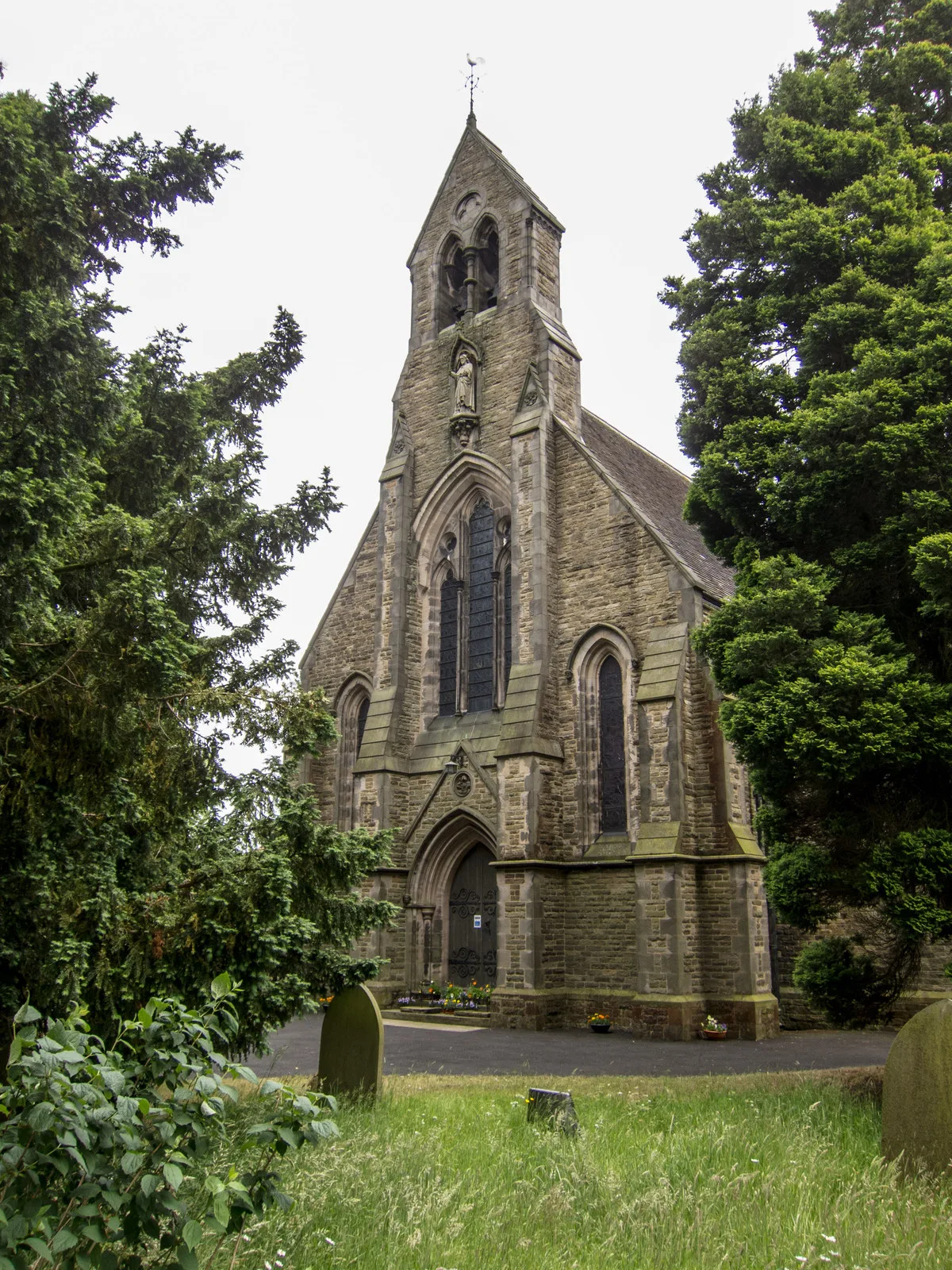
All Saints Church, Scholar Green
Historic churches · 1.7 km

Canal Bridge No 83
Historic bridges · 1.7 km

Canal Bridge No 89
Historic bridges · 1.8 km

Bridge No 82
Historic bridges · 1.9 km
Bridge No 81
Historic bridges · 2.1 km

Rode Hall
Castles · 2.1 km

Rode Hall
Castles · 2.1 km
Nearby
📷 5Castles · North West England
Little Moreton Hall
Little Moreton Hall — castle in england west midlands. Operated by National Trust.
📷 3Historic bridges · North West England
Canal Bridge No 86
Canal Bridge No 86 — Grade II listed building-listed bridge in england-west-midlands, United Kingdom.
📷 3Historic bridges · North West England
Canal Bridge No 85
Canal Bridge No 85 — Grade II listed building-listed bridge in england-west-midlands, United Kingdom.
📷 3Historic bridges · North West England
Canal Bridge No 87
Canal Bridge No 87 — Grade II listed building-listed bridge in england-west-midlands, United Kingdom.
📷 3Historic bridges · North West England
Canal Bridge No 84
Canal Bridge No 84 — Grade II listed building-listed bridge in england-west-midlands, United Kingdom.
📷 3Historic churches · North West England
All Saints Church, Scholar Green
All Saints Church, Scholar Green — church in Cheshire East, Cheshire, England, UK.
Where to eat & stay near Little Moreton Hall
Places to stay
 📷 5
📷 5Campsites · West Midlands
Castle Camping
Castle Camping — a campsite in england west midlands.
 📷 5
📷 5Caravan parks · West Midlands
Meadow Stile Caravan Park
Meadow Stile Caravan Park — a caravan park in england west midlands.
 📷 5
📷 5Caravan parks · North West England
Finneys Caravan Park
Finneys Caravan Park — a caravan park in england west midlands.
 📷 5
📷 5Caravan parks · North West England
River Dane Holiday Park
River Dane Holiday Park — a caravan park in england west midlands.
 📷 5
📷 5Caravan parks · North West England
Fields Farm Campsite
Fields Farm Campsite — a caravan park in england west midlands.
 📷 7
📷 7Hotels · North West England
The Bear's Head
The Bear's Head — a hotel in england west midlands.
Places to eat & drink
 📷 5
📷 5Historic pubs · North West England
The Counting House
The Counting House in England North West, United Kingdom.
 📷 3
📷 3Historic pubs · North West England
Olde Kings Arms
Olde Kings Arms — Historic pub — listed building or notable heritage status.
 📷 5
📷 5Historic pubs · North West England
Old Hall Hotel, Sandbach
Old Hall Hotel, Sandbach in England North West, United Kingdom.
 📷 5
📷 5Historic pubs · West Midlands
The Vine Public House
The Vine Public House in England North West, United Kingdom.
 📷 5
📷 5Historic pubs · North West England
The Commercial Hotel
The Commercial Hotel in England North West, United Kingdom.
 📷 5
📷 5Historic pubs · North West England
Swettenham Arms
Swettenham Arms in England North West, United Kingdom.
More historic houses in this region
 📷 3
📷 3Historic houses · North West England
116 Hospital Street, Nantwich
116 Hospital Street, Nantwich — substantial townhouse in Nantwich, Cheshire, England, UK.
 📷 3
📷 3Historic houses · North West England
140–142 Hospital Street, Nantwich
140–142 Hospital Street, Nantwich — grade II listed building in Nantwich, Cheshire East, Cheshire, England, UK.
 📷 3
📷 3Historic houses · North West England
46 High Street, Nantwich
46 High Street, Nantwich — house in Nantwich, Cheshire, England, UK.
 📷 3
📷 3Historic houses · North West England
64, St Ann's Road
64, St Ann's Road — Grade II* listed house in Middlewich, Cheshire East, England, UK.
Frequently asked questions
- Where is Little Moreton Hall?
- Little Moreton Hall is in North-West England, United Kingdom (postcode CW12 4SD), in the parish of Odd Rode.
- What is Little Moreton Hall?
- Little Moreton Hall, also known as Old Moreton Hall, is a moated half-timbered manor house 4.5 miles (7.2 km) south-west of Congleton in Cheshire, England. The earliest parts of the house were built f
- How do I get to Little Moreton Hall?
- The nearest railway station is Kidsgrove, about 4.5 km away. The nearest town is Barthomley. Drivers can use postcode CW12 4SD.
- When was Little Moreton Hall built?
- Built or established in 1504.
- Who owns Little Moreton Hall?
- Little Moreton Hall is owned by National Trust.
- How do I get to Little Moreton Hall?
- The nearest railway station is Kidsgrove, about 4.5 km away. Drivers can navigate to postcode CW12 4SD.