
Castles · Central Scotland
Linlithgow Palace
In or near Torphichen.
Linlithgow Palace — ruined palace in West Lothian, Scotland, UK.

Wikimedia Commons contributors — see linked file page for photographer and licence licence

Plan your visit
- Typical visit
- 1.5 h–3 h
- Nearest railway station
- Linlithgow · 0.4 km
- Family-friendly
- Limited wheelchair access
Getting there & planning your visit
To visit Linlithgow Palace, the nearest railway station is Linlithgow, which is 0.4 km away. The postcode for navigation is EH49 7AL. Please note that wheelchair accessibility is limited.
About
Linlithgow Palace is a castle in the United Kingdom — fortified architecture from the medieval, Tudor, or Victorian-revival period. Heritage designation: part of a Scheduled Monument. Part of Linlithgow Palace, Peel and Royal Park. Wikidata describes it as: "ruined palace in West Lothian, Scotland, UK". Coordinates: 55.9785°, -3.6010°.
Photo gallery
See it from the streetimagery from 2019
Imagery © Mapillary contributors, CC BY-SA 4.0
Heritage listing
The ruins of Linlithgow Palace are located in the town of Linlithgow, West Lothian, Scotland, 15 miles (24 km) west of Edinburgh. The palace was one of the principal residences of the monarchs of Scotland in the 15th and 16th centuries. Although maintained after Scotland's monarchs left for England in 1603, the palace was little used, and was burned out in 1746. It is now a visitor attraction in the care of Historic Environment Scotland.
From Historic Environment Scotland under OGL v3.
From Historic Environment Scotland
Get an overview of Linlithgow Palace in Edinburgh and the Lothians, birthplace of Mary Queen of Scots, and find out what to see at Linlithgow Palace and Peel. Contact us today for more information.
Read more on the official property page.
From the Wikipedia article
The ruins of Linlithgow Palace are located in the town of Linlithgow, West Lothian, Scotland, 15 miles (24 km) west of Edinburgh. The palace was one of the principal residences of the monarchs of Scotland in the 15th and 16th centuries. Although maintained after Scotland's monarchs left for England in 1603, the palace was little used, and was burned out in 1746. It is now a visitor attraction in the care of Historic Environment Scotland.
Excerpt from Wikipedia under CC BY-SA 4.0. See the source article linked in Sources below.
Background
History
A royal manor existed on the site from the 12th century. This was later enclosed by a timber palisade and outer fosse to create a fortification known as 'the Peel', built in 1301/2 by occupying English forces under Edward I. The site of the manor made it an ideal military base for securing the supply routes between Edinburgh Castle and Stirling Castle. The English fort was begun in March 1302 under the supervision of two priests, Richard de Wynepol and Henry de Graundeston, to the designs of Master James of St George, who was also present. In September 1302, sixty men and 140 women helped dig the ditches; the men were paid twopence and the women a penny daily. One hundred foot-soldiers were…
Visiting
with its modern crown steeple, viewed across part of the palace.]] Long-neglected, the palace passed into the care of the Commissioners of Woods and Forests, together with the surrounding grounds, in 1832. It passed to the Office of Works in 1874. Major consolidation works were undertaken in the 1930s and 1940s. Today the palace is managed and maintained by Historic Environment Scotland. The site is open to visitors all year round, usually subject to an entrance fee for non-members, but on occasion the entry fee is waived during the organisation's "Doors open days". In summer the adjacent 15th-century parish church of St Michael is open for visitors, allowing a combined visit to two of…
Sourced from Wikipedia under CC BY-SA 4.0.
- Coordinates
- 55.9785, -3.6010
- District
- West Lothian
- Postcode
- EH49 7AL
- Parliamentary constituency
- Bathgate and Linlithgow
- Phone
- 01506842896
- Nearest railway station
- Linlithgow — 0.4 km
- Official site
- www.historicenvironment.scot
Sources
- wikidata: Q564868 (CC0)
- wikipedia: Linlithgow Palace (CC BY-SA 4.0)
- commons: Linlithgow Palace NW 03.jpg (CC BY-SA 4.0)
- fsq: 4be9c77b246fb71341d3abdf (Apache-2.0)
Other places nearby

East Entrance
Viewpoints · 0.0 km

Mary Queen of Scots Statue
Public art & sculpture · 0.1 km
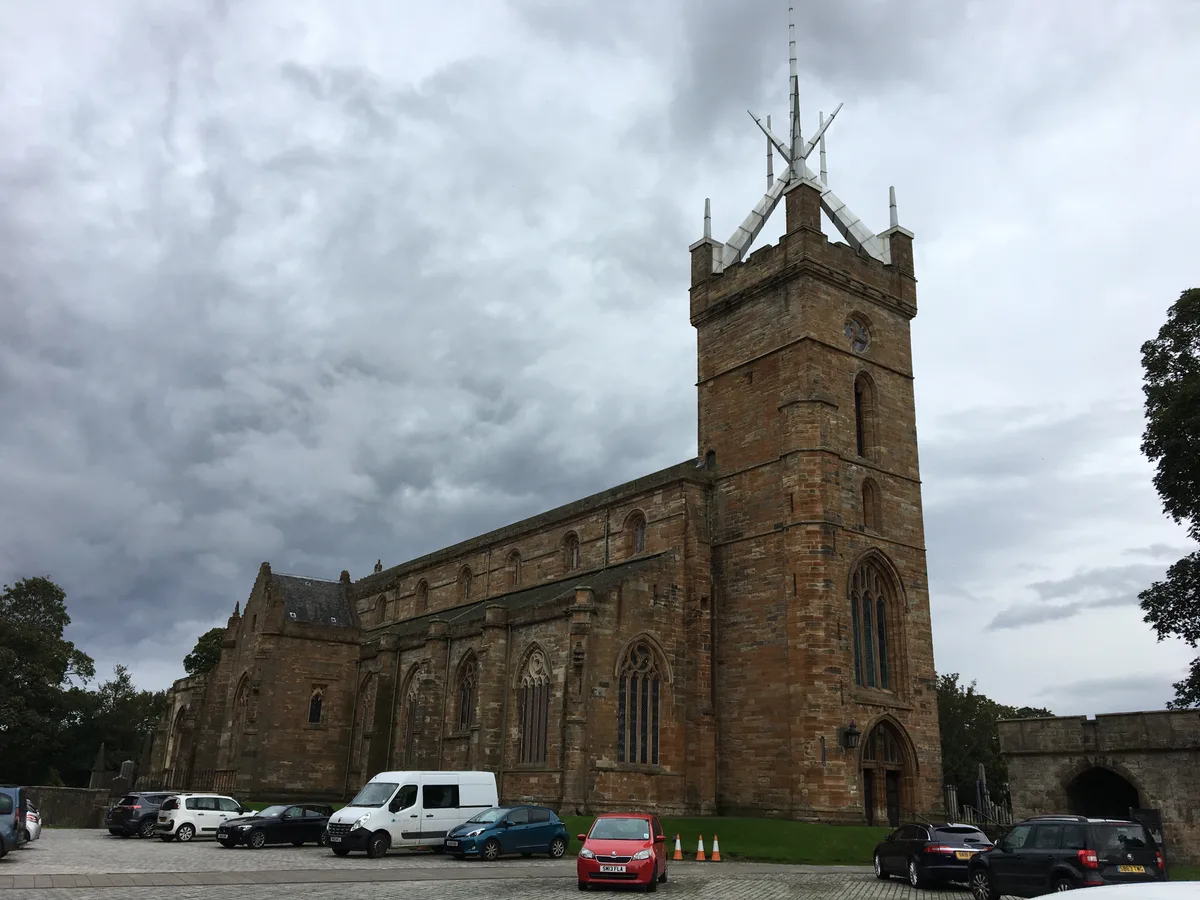
St Michael's Parish Church, Linlithgow
Historic churches · 0.1 km

John Hope, 1st Marquess of Linlithgow Statue
Memorials & monuments · 0.1 km

Cross House, 5 The Cross, Linlithgow
Historic houses · 0.1 km

Cross Well
Memorials & monuments · 0.2 km

Linlithgow Museum
Museums · 0.2 km
Regent Murray Plaque
Memorials & monuments · 0.2 km
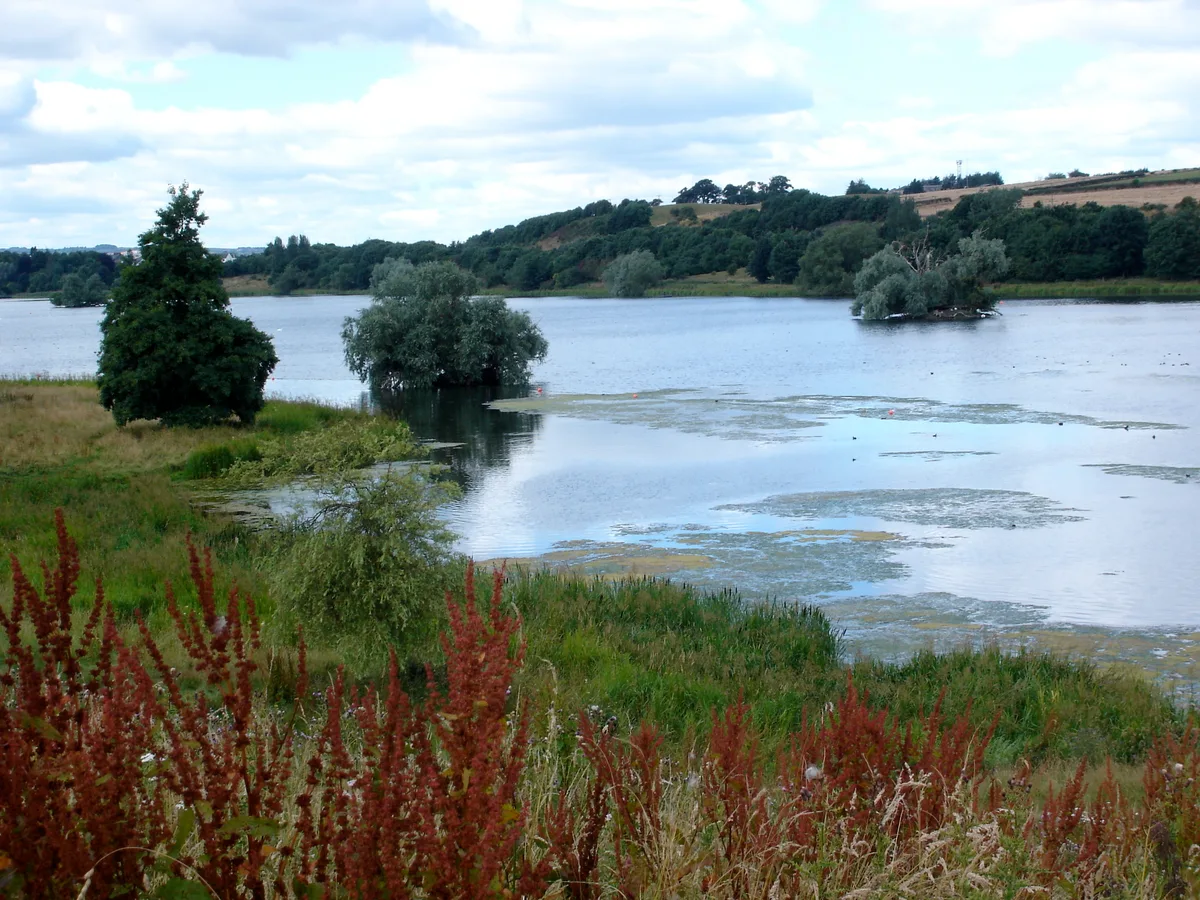
Linlithgow Loch
Natural landmarks · 0.2 km

Red Lion Inn, 50 High Street, Linlithgow
Historic pubs · 0.3 km

Shoemaker's Land, 123, 125, 127 High Street, Linlithgow
Historic houses · 0.3 km

212-214 High Street, Linlithgow
Historic houses · 0.3 km
Nearby
📷 3📷 3Public art & sculpture · Central Scotland
Mary Queen of Scots Statue
Mary Queen of Scots Statue — a public art in Central Scotland, United Kingdom.
📷 3Historic churches · Central Scotland
St Michael's Parish Church, Linlithgow
St Michael's Parish Church, Linlithgow — church in West Lothian, Scotland, UK.
📷 3Memorials & monuments · Central Scotland
John Hope, 1st Marquess of Linlithgow Statue
John Hope, 1st Marquess of Linlithgow Statue — a memorial in Central Scotland, United Kingdom.
📷 3Historic houses · Central Scotland
Cross House, 5 The Cross, Linlithgow
Cross House, 5 The Cross, Linlithgow — house in Linlithgow, West Lothian, Scotland, UK.
📷 3Memorials & monuments · Central Scotland
Cross Well
Cross Well — a memorial in Central Scotland, United Kingdom.
Where to eat & stay near Linlithgow Palace
Places to stay
 📷 5
📷 5Caravan parks · Central Scotland
Loch House Farm Cavavan Park
Loch House Farm Cavavan Park — a caravan park in scotland central.
 📷 5
📷 5Campsites · Central Scotland
Beecraigs Country Park
Beecraigs Country Park — a campsite in scotland central.
 📷 5
📷 5Campsites · Central Scotland
The Craigs Camping and Training Centre
The Craigs Camping and Training Centre — a campsite in scotland central.
 📷 5
📷 5Hotels · Central Scotland
The Grange Manor
The Grange Manor — a hotel in scotland central.
 📷 5
📷 5Hotels · Central Scotland
Keavil House Hotel
Keavil House Hotel — a hotel in scotland central.
📷 7Hotels · Central Scotland
Adamson Hotel
Adamson Hotel — a hotel in scotland central.
Places to eat & drink
📷 7Historic pubs · Central Scotland
Red Lion Inn, 50 High Street, Linlithgow
Red Lion Inn, 50 High Street, Linlithgow in Scotland Central, United Kingdom.
 📷 7
📷 7Historic pubs · Central Scotland
The Crown Arms, 177-179 High Street, Linlithgow
The Crown Arms, 177-179 High Street, Linlithgow in Scotland Central, United Kingdom.
 📷 7
📷 7 📷 5
📷 5Restaurants · Central Scotland
Champany Inn
Champany Inn — a restaurant in scotland central.
 📷 7
📷 7Historic pubs · Central Scotland
Oatridge Hotel, 2, 4 East Main Street, Uphall
Oatridge Hotel, 2, 4 East Main Street, Uphall in Scotland Central, United Kingdom.
 📷 7
📷 7Historic pubs · Central Scotland
Red Lion Inn, Low Causeway, Culross
Red Lion Inn, Low Causeway, Culross in Scotland Central, United Kingdom.
More castles in this region
 📷 3
📷 3 📷 5
📷 5 📷 4
📷 4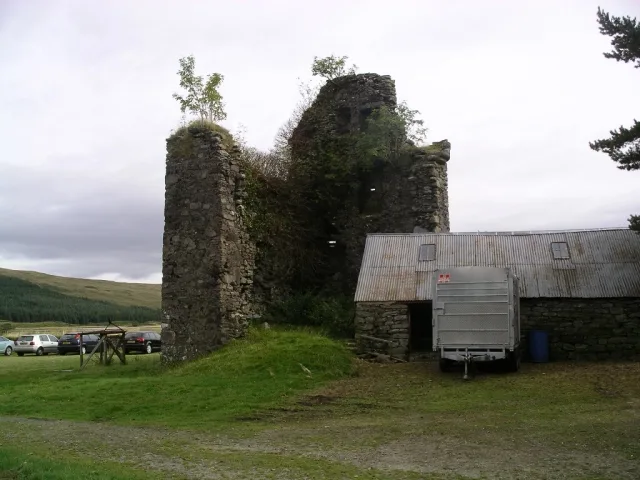 📷 3
📷 3Castles · Central Scotland
Achallader Castle
Achallader Castle — castle in Argyll and Bute, Scotland, UK.
Frequently asked questions
- Where is Linlithgow Palace?
- Linlithgow Palace is in central Scotland, United Kingdom (postcode EH49 7AL).
- What is Linlithgow Palace?
- Linlithgow Palace — ruined palace in West Lothian, Scotland, UK.
- How do I get to Linlithgow Palace?
- The nearest railway station is Linlithgow, about 0.4 km away. The nearest town is Torphichen. Drivers can use postcode EH49 7AL.
- Is Linlithgow Palace a listed building?
- Linlithgow Palace is officially recognised as part of a Scheduled Monument listed.
- Does Linlithgow Palace charge admission?
- Linlithgow Palace typically charges admission. Check the official site for current ticket prices and opening hours.
- How do I get to Linlithgow Palace?
- The nearest railway station is Linlithgow, about 0.4 km away. Drivers can navigate to postcode EH49 7AL.