
UNESCO World Heritage · South West England
Isle of Portland
Also known as: Ynys Portland
In or near Fortuneswell.
The Isle of Portland is a tied island, 6 kilometres (4 mi) long by 2.7 kilometres (1.7 mi) wide, in the English Channel. The southern tip, Portland Bill, lies 8 kilometres (5 mi) south of the resort o

Mike Faherty — CC BY-SA 2.0 via Wikimedia Commons licence

Plan your visit
- Typical visit
- 2 h–4 h
- Nearest railway station
- Weymouth · 7.4 km
Getting there & planning your visit
To visit the Isle of Portland, the nearest railway station is Weymouth, which is 7.4 km away. The postcode for the area is DT5 2JU. Entry is free, and accessibility details are not provided.
About
The Isle of Portland is a tied island, 6 kilometres (4 mi) long by 2.7 kilometres (1.7 mi) wide, in the English Channel. The southern tip, Portland Bill, lies 8 kilometres (5 mi) south of the resort of Weymouth, forming the southernmost point of the county of Dorset, England. A barrier beach called Chesil Beach joins Portland with mainland England. The A354 road passes down the Portland end of the beach and then over the Fleet Lagoon by bridge to the mainland. The population of Portland is 13,417. Portland is a central part of the Jurassic Coast, a World Heritage Site on the Dorset and east Devon coast, important for its geology and landforms. Portland stone, a limestone famous for its use in British and world architecture, including St Paul's Cathedral and the United Nations Headquarters, continues to be quarried here. Portland Harbour, in between Portland and Weymouth, is one of the largest man-made harbours in the world. The harbour was made by the building of stone breakwaters between 1848 and 1905. From its inception it was a Royal Navy base, and played prominent roles during the First and Second World Wars; ships of the Royal Navy and NATO countries worked up and exercised in its waters until 1995. The harbour is now a civilian port and popular recreation area, and was used for the 2012 Olympic Games. The name Portland is used for one of the British Sea Areas, and is the namesake of several cities, such as Portland, Victoria, and Portland, Maine, which in turn inspired…
Photo gallery
Protected designations
- Site of Special Scientific Interest: Isle of Portland SSSI
Designations sourced from Natural England open data under OGL v3.
From the Wikipedia article
The Isle of Portland is a tied island, 6 kilometres (4 mi) long by 2.7 kilometres (1.7 mi) wide, in the English Channel. The southern tip, Portland Bill, lies 8 kilometres (5 mi) south of the resort of Weymouth, forming the southernmost point of the county of Dorset, England. A barrier beach called Chesil Beach joins Portland with mainland England. The A354 road passes down the Portland end of the beach and then over the Fleet Lagoon by bridge to the mainland. The population of Portland is 13,417. Portland is a central part of the Jurassic Coast, a World Heritage Site on the Dorset and east Devon coast, important for its geology and landforms. Portland stone, a limestone famous for its use in British and world architecture, including St Paul's Cathedral and the United Nations Headquarters, continues to be quarried here. Portland Harbour, in between Portland and Weymouth, is one of the largest man-made harbours in the world. The harbour was made by the building of stone breakwaters between 1848 and 1905. From its inception it was a Royal Navy base, and played prominent roles during the First and Second World Wars; ships of the Royal Navy and NATO countries worked up and exercised in its waters until 1995. The harbour is now a civilian port and popular recreation area, and was used for the 2012 Olympic Games. The name Portland is used for one of the British Sea Areas, and is the namesake of several cities, such as Portland, Victoria, and Portland, Maine, which in turn inspired the name of Portland, Oregon. The name is also used for a street in Kowloon, Hong Kong, and a parish in Jamaica.
Excerpt from Wikipedia under CC BY-SA 4.0. See the source article linked in Sources below.
Background
History
Portland has been inhabited since at least the Mesolithic period (the Middle Stone Age)—there is archaeological evidence of Mesolithic inhabitants at the Culverwell Mesolithic Site, near Portland Bill, and of habitation since then. The Romans occupied Portland, reputedly calling it Vindelis. when they destroyed the abbey on Lindisfarne, their first documented landing occurred in Portland four years earlier, in 789, as recorded in the Anglo-Saxon Chronicle. Three lost Viking ships from Hordaland (the district around Hardanger fjord in west Norway) landed at Portland Bill. The king's reeve tried to collect taxes from them, but they killed him and sailed on. A castle on the site of the present…
Visiting
In March 2026, the proposed Memo Portland visitor attraction at Bowers Quarry received £20 million in UK government funding.
Sourced from Wikipedia under CC BY-SA 4.0.
- Coordinates
- 50.5500, -2.4400
- District
- Dorset
- Parish
- Portland
- Postcode
- DT5 2JU
- Parliamentary constituency
- South Dorset
- Nearest railway station
- Weymouth — 7.4 km
- Official site
- mapping.dorsetcouncil.gov.uk
Sources
- wikipedia: Isle of Portland (CC BY-SA 4.0)
Other places nearby

Jordans Mine
Quarries · 0.2 km

Young Men's Christian Association
Hostels · 0.4 km

The George Inn
Historic pubs · 0.4 km
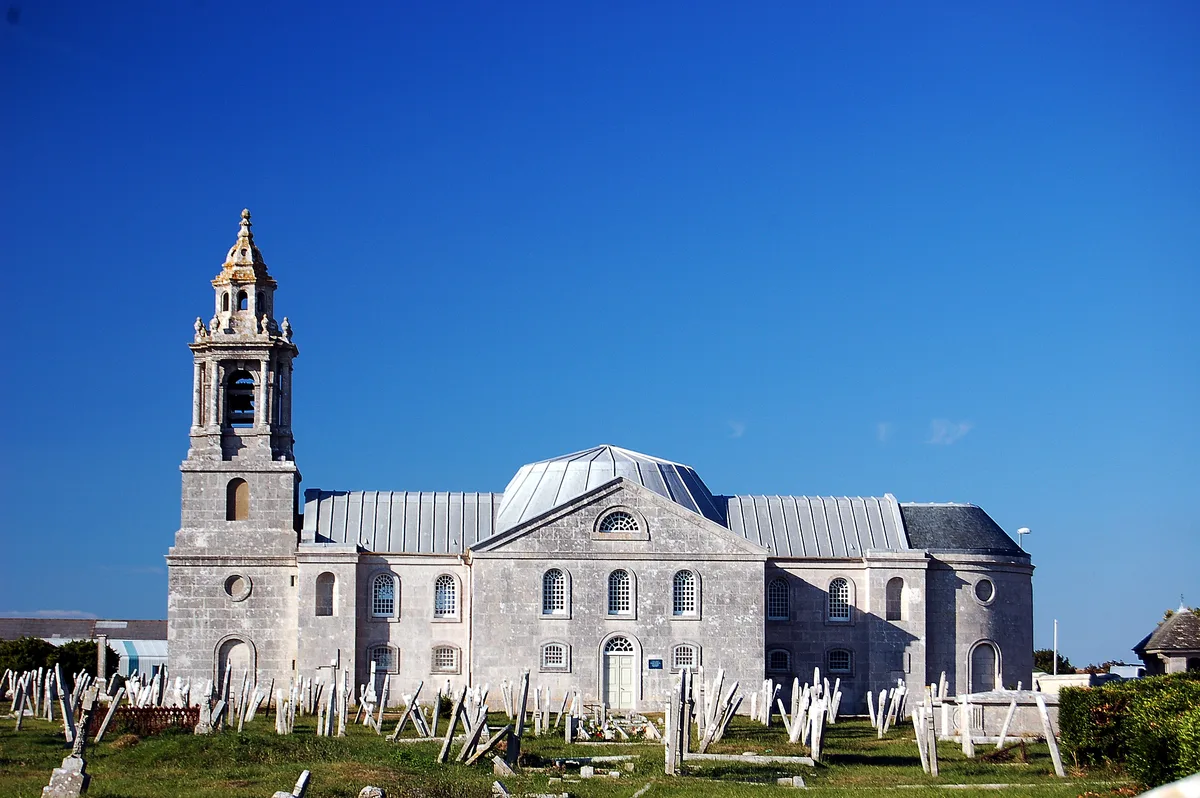
St George's Church, Portland
Historic churches · 0.4 km

Tout Quarry Reserve & Sculpture Park
Forests & woodlands · 0.5 km
Tout Quarry
Quarries · 0.5 km
Memory Stones
Public art & sculpture · 0.5 km

Bridge In Touts Quarry At Ngr Sy 685 727
Historic bridges · 0.6 km
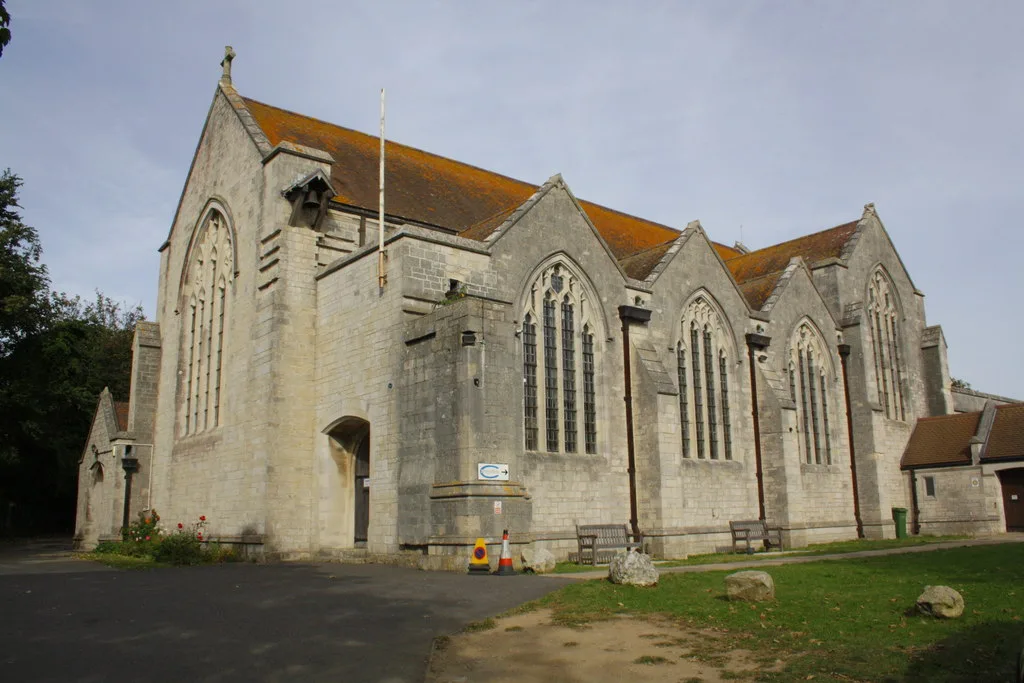
All Saints Church, Portland
Historic churches · 0.6 km

Portland, Home of Portland Stone
Memorials & monuments · 0.6 km

King Barrow Quarries Reserve
Forests & woodlands · 0.7 km

War Memorial, Portland
Memorials & monuments · 0.7 km
Nearby
📷 5📷 5Hostels · South West England
Young Men's Christian Association
Young Men's Christian Association — a hostel in england south east.
📷 5Historic pubs · South West England
The George Inn
The George Inn in England South West, United Kingdom.
📷 5Historic churches · South West England
St George's Church, Portland
St George's Church, Portland — Grade I listed church in Portland, Dorset, England, UK.
📷 5Forests & woodlands · South West England
Tout Quarry Reserve & Sculpture Park
Tout Quarry Reserve & Sculpture Park is a forest or woodland in the United Kingdom.
📷 5Quarries · South West England
Tout Quarry
Tout Quarry — sculpture park and nature reserve.
Where to eat & stay near Isle of Portland
Places to stay
📷 5Hostels · South West England
Young Men's Christian Association
Young Men's Christian Association — a hostel in england south east.
 📷 5
📷 5Hotels · South West England
Royal Breakwater
Royal Breakwater — a hotel in england south east.
 📷 5
📷 5Caravan parks · South West England
WPNSA Motorhome Area
WPNSA Motorhome Area — a caravan park in england south east.
 📷 5
📷 5 📷 5
📷 5Campsites · South West England
Sweet Hill Farm
Sweet Hill Farm — a campsite in england south east.
 📷 5
📷 5Caravan parks · South West England
Chesil Holiday Park
Chesil Holiday Park — a caravan park in england south east.
Places to eat & drink
📷 5Historic pubs · South West England
The George Inn
The George Inn in England South West, United Kingdom.
 📷 7
📷 7Historic pubs · South West England
Royal Portland Arms
Royal Portland Arms in England South West, United Kingdom.
 📷 7
📷 7 📷 5
📷 5Historic pubs · South West England
The Cove House Inn
The Cove House Inn in England South West, United Kingdom.
 📷 5
📷 5 📷 5
📷 5Historic pubs · South West England
The Sailors Return Public House
The Sailors Return Public House in England South West, United Kingdom.
More UNESCO sites in this region
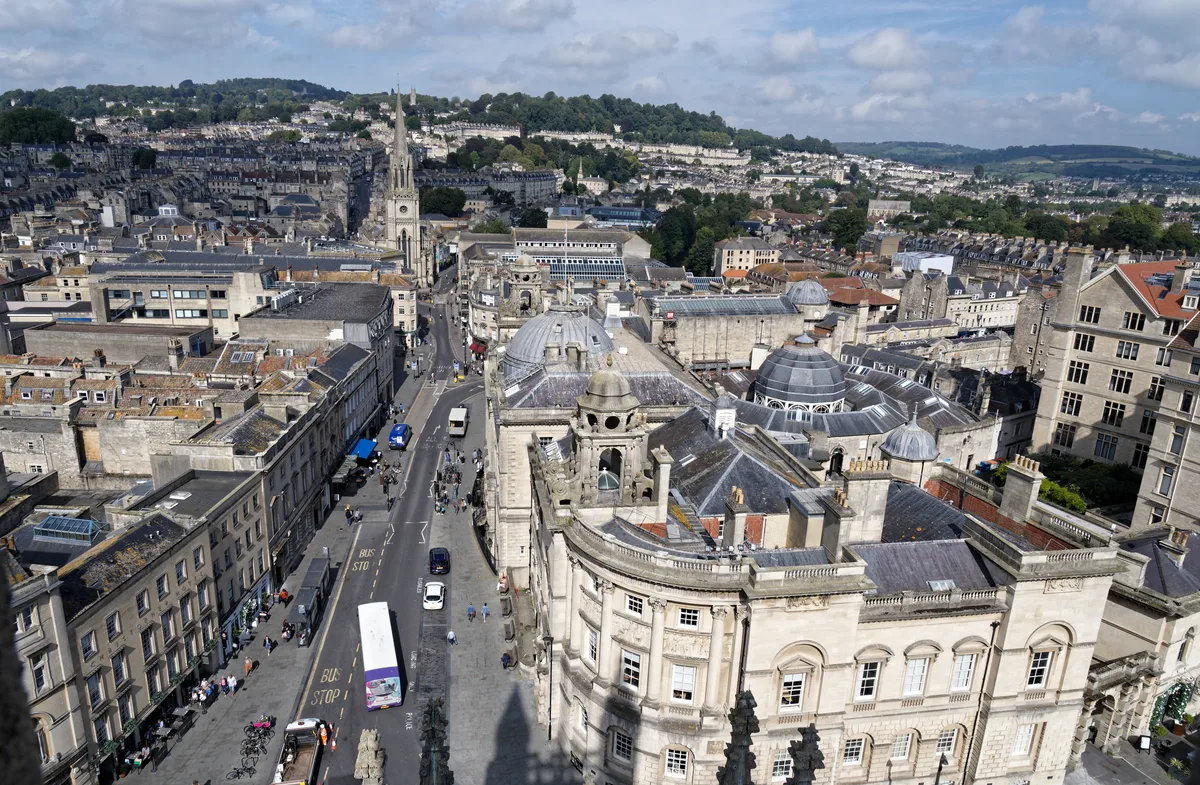 Flagship📷 10
UNESCO World Heritage · South West England
Bath
Bath — city in Somerset, England, United Kingdom.
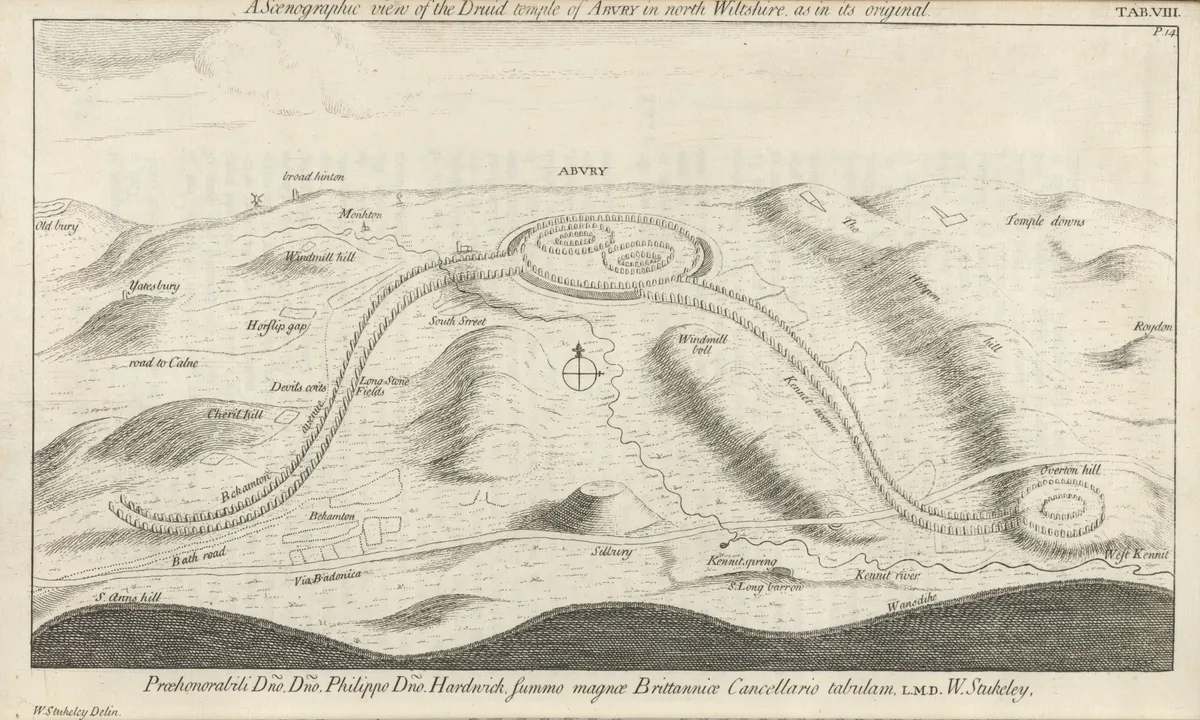 Flagship📷 10
UNESCO World Heritage · South West England
Beckhampton Avenue
Beckhampton Avenue — former avenue of stones in Wiltshire, England.
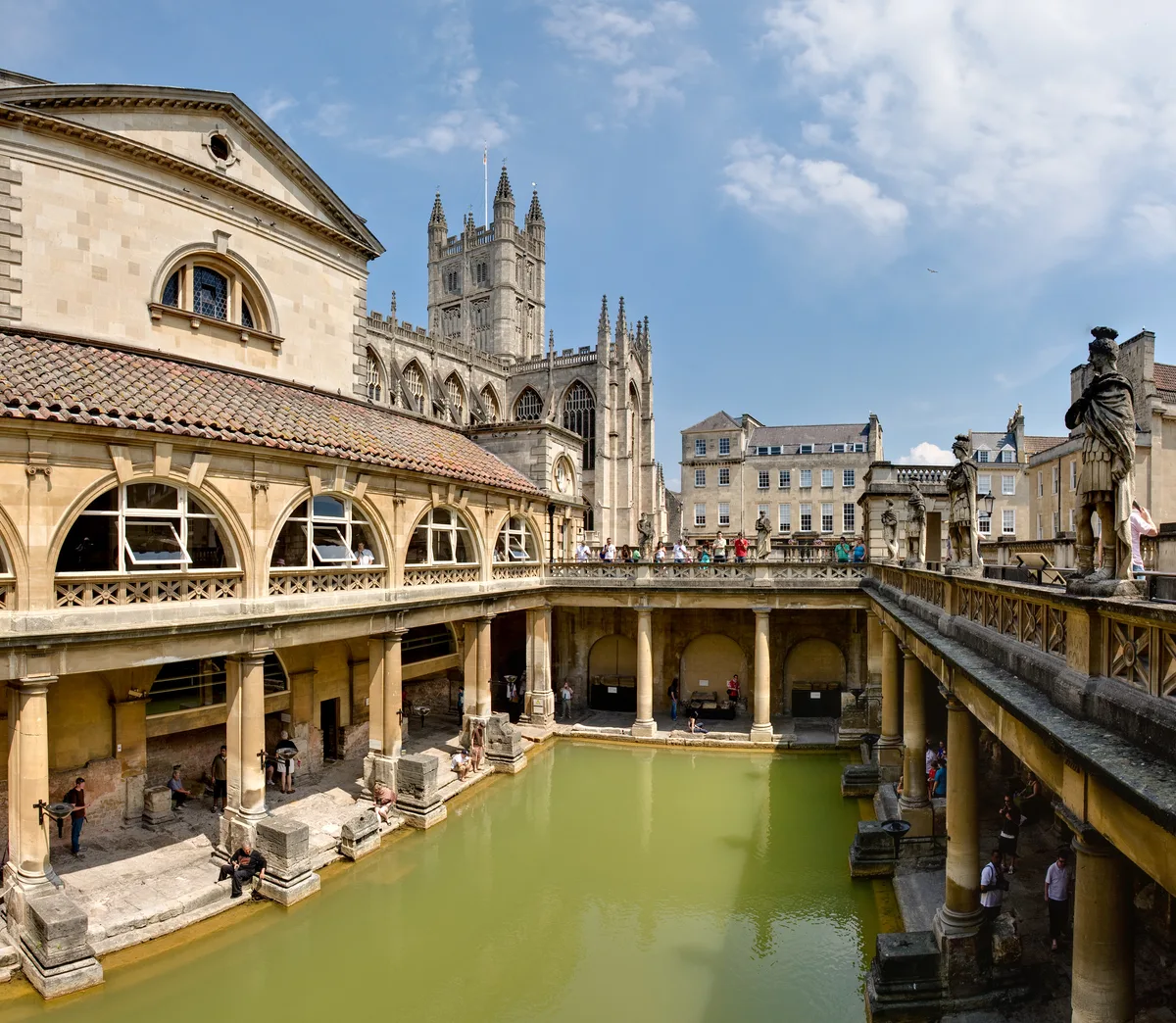 ★ Iconic📷 10
UNESCO World Heritage · South West England
Buildings and architecture of Bath
Buildings and architecture of Bath — aspect of the city in Somerset, England.
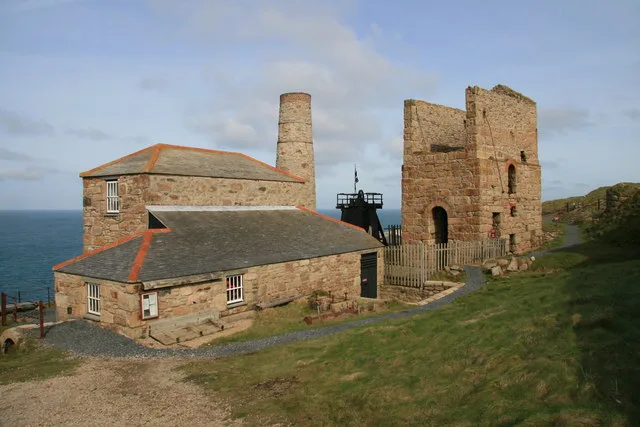 ★ Iconic📷 10
UNESCO World Heritage · South West England
Cornwall and West Devon Mining Landscape
Cornwall and West Devon Mining Landscape is a UNESCO World Heritage Site in the United Kingdom.
Frequently asked questions
- Where is Isle of Portland?
- Isle of Portland is in South-West England, United Kingdom (postcode DT5 2JU), in the parish of Portland.
- What is Isle of Portland?
- The Isle of Portland is a tied island, 6 kilometres (4 mi) long by 2.7 kilometres (1.7 mi) wide, in the English Channel. The southern tip, Portland Bill, lies 8 kilometres (5 mi) south of the resort o
- How do I get to Isle of Portland?
- The nearest railway station is Weymouth, about 7.4 km away. The nearest town is Fortuneswell. Drivers can use postcode DT5 2JU.
- Is Isle of Portland a protected site?
- Yes — Isle of Portland is part of the Isle of Portland SSSI Site of Special Scientific Interest.
- How do I get to Isle of Portland?
- The nearest railway station is Weymouth, about 7.4 km away. Drivers can navigate to postcode DT5 2JU.