
Natural landmarks · South West England
Glastonbury Thorn
In or near Street.
The Glastonbury thorn is a form of common hawthorn, Crataegus monogyna 'Biflora' (sometimes incorrectly called Crataegus oxyacantha var. praecox), found in and around Glastonbury, Somerset, England. U

Jaggery — CC BY-SA 2.0 via Wikimedia Commons licence

Plan your visit
- Typical visit
- 1 h–2 h
- Family-friendly
- Dog-friendly
About
The Glastonbury thorn is a form of common hawthorn, Crataegus monogyna 'Biflora' (sometimes incorrectly called Crataegus oxyacantha var. praecox), found in and around Glastonbury, Somerset, England. Unlike ordinary hawthorn trees, it flowers twice a year (hence the name "biflora"), the first time in winter and the second time in spring. The trees in the Glastonbury area have been propagated by grafting since ancient times. The tree is also widely called the holy thorn, though this term strictly speaking refers to the original (legendary) tree. It is associated with legends about Joseph of Arimathea and the arrival of Christianity in Britain, and has appeared in written texts since the medieval period. A flowering sprig is sent to the British Monarch every Christmas. The original tree has been propagated several times, with one tree growing at Glastonbury Abbey and another in the churchyard of the Church of St John. The "original" Glastonbury thorn was cut down and burned as a relic of superstition during the English Civil War, and one planted on Wearyall Hill in 1951 to replace it had its branches cut off in 2010.
Photo gallery
See it from the streetimagery from 2020
Imagery © Mapillary contributors, CC BY-SA 4.0
Official information
Glastonbury Tribunal is a late 15th-century stone town house that was once thought to be the courtroom of Glastonbury Abbey. It now houses the Glastonbury Lake Village Museum, showcasing significant archaeological finds from the area.
From the Wikipedia article
The Glastonbury thorn is a form of common hawthorn, Crataegus monogyna 'Biflora' (sometimes incorrectly called Crataegus oxyacantha var. praecox), found in and around Glastonbury, Somerset, England. Unlike ordinary hawthorn trees, it flowers twice a year (hence the name "biflora"), the first time in winter and the second time in spring. The trees in the Glastonbury area have been propagated by grafting since ancient times. The tree is also widely called the holy thorn, though this term strictly speaking refers to the original (legendary) tree. It is associated with legends about Joseph of Arimathea and the arrival of Christianity in Britain, and has appeared in written texts since the medieval period. A flowering sprig is sent to the British Monarch every Christmas. The original tree has been propagated several times, with one tree growing at Glastonbury Abbey and another in the churchyard of the Church of St John. The "original" Glastonbury thorn was cut down and burned as a relic of superstition during the English Civil War, and one planted on Wearyall Hill in 1951 to replace it had its branches cut off in 2010.
Excerpt from Wikipedia under CC BY-SA 4.0. See the source article linked in Sources below.
Background
History
According to legend, Joseph of Arimathea visited Glastonbury with the Holy Grail and thrust his staff into Wearyall Hill, which then grew into the original thorn tree. The historicity of Joseph's presence in Glastonbury remains controversial, but the thorn is first mentioned in a pamphlet published by Richard Pynson in 1520 called Lyfe of Joseph of Armathie, which was almost certainly commissioned by Glastonbury Abbey. In this account, the miraculous winter-flowering Thorn is paired with an equally remarkable walnut tree that grew in the Abbey grounds and was said to flower on Midsummer's Day. Both were seen as marks of divine favour, proof that Glastonbury was 'the holyest erth of…
Sourced from Wikipedia under CC BY-SA 4.0.
- Coordinates
- 51.1480, -2.7160
- District
- Somerset
- Parish
- Glastonbury
- Postcode
- BA6 9DR
- Parliamentary constituency
- Glastonbury and Somerton
- Phone
- 0370 333 1181
- Opening
- Thur to Mon 10am-4pm; Tues 12pm-4pm; closed Wed
- Official site
- www.english-heritage.org.uk
Sources
- wikipedia: Glastonbury Thorn (CC BY-SA 4.0)
Other places nearby

Memorial to the victims of the Great War
Memorials & monuments · 0.0 km
Glastonbury War Memorial
Memorials & monuments · 0.0 km

Glastonbury Thorn Tree
Natural landmarks · 0.0 km
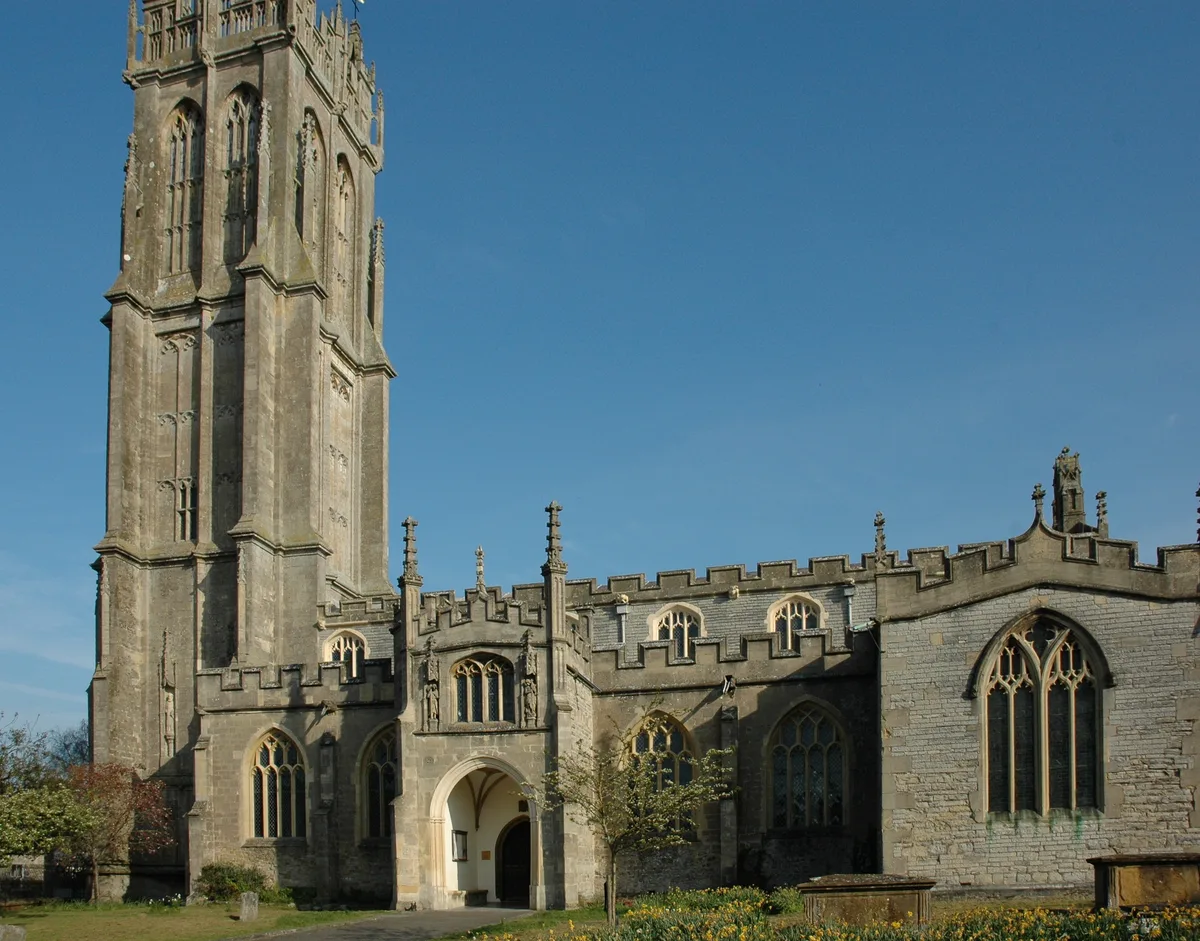
Church of St John the Baptist, Glastonbury
Historic churches · 0.0 km

Glastonbury Tribunal
Museums · 0.1 km
The Tribunal
Historic houses · 0.1 km

Glastonbury
Museums · 0.1 km

The George & Pilgrim's Hotel
Historic houses · 0.1 km

The George & Pilgrim's Hotel
Historic pubs · 0.1 km

Market Cross
Memorials & monuments · 0.2 km
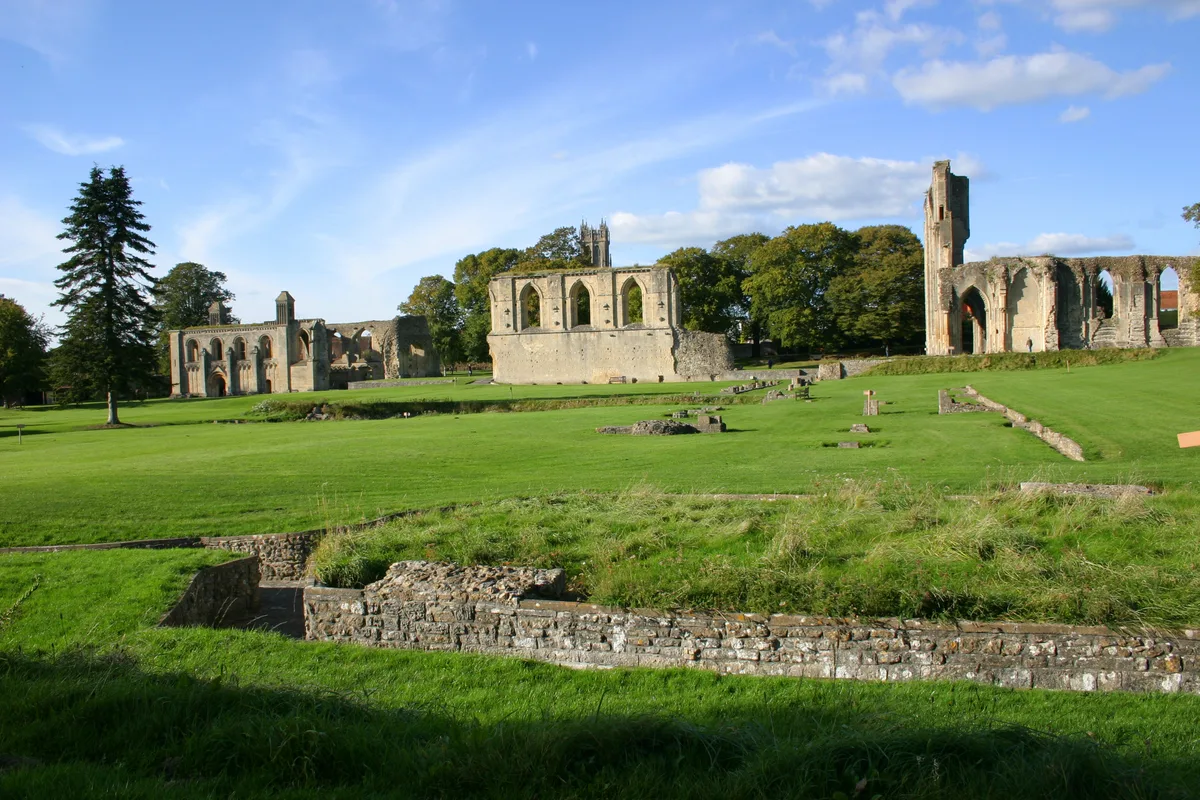
Glastonbury Abbey
Abbeys & priories · 0.2 km

King Arthur's Tomb
Natural landmarks · 0.2 km
Nearby
📷 3Memorials & monuments · South West England
Memorial to the victims of the Great War
Memorial to the victims of the Great War — a memorial in South West England, United Kingdom.
📷 3Memorials & monuments · South West England
Glastonbury War Memorial
Glastonbury War Memorial — Grade II listed building-listed memorial in england-south-west, United Kingdom.
📷 3Natural landmarks · South West England
Glastonbury Thorn Tree
Glastonbury Thorn Tree — a place in South West England, United Kingdom.
📷 5Historic churches · South West England
Church of St John the Baptist, Glastonbury
Church of St John the Baptist, Glastonbury — church in Glastonbury, UK.
📷 3Museums · South West England
Glastonbury Tribunal
Glastonbury Tribunal — a museum in South West England, United Kingdom.
📷 5Historic houses · South West England
The Tribunal
The Tribunal — a Grade I-listed historic house in england-south-west, United Kingdom.
Where to eat & stay near Glastonbury Thorn
Places to stay
 📷 5
📷 5Caravan parks · South West England
Isle Of Avalon Touring Caravan Park
Isle Of Avalon Touring Caravan Park — a caravan park in england south west.
 📷 5
📷 5Campsites · South West England
Holiday Cottage Glastonbury
Holiday Cottage Glastonbury — a campsite in england south west.
 📷 5
📷 5Campsites · South West England
Paddington Farm Trust
Paddington Farm Trust — a campsite in england south west.
 📷 5
📷 5Caravan parks · South West England
The Old Oaks Touring Park
The Old Oaks Touring Park — a caravan park in england south west.
 📷 5
📷 5Hostels · South West England
YHA Hostel Street
YHA Hostel Street — a hostel in england south west.
 📷 5
📷 5Campsites · South West England
Tall Trees Glamping
Tall Trees Glamping — a campsite in england south west.
Places to eat & drink
📷 7Historic pubs · South West England
The George & Pilgrim's Hotel
The George & Pilgrim's Hotel in England South West, United Kingdom.
 📷 7
📷 7Historic pubs · South West England
Rifleman's Arms Public House
Rifleman's Arms Public House in England South West, United Kingdom.
 📷 5
📷 5 📷 7
📷 7Historic pubs · South West England
The Pipers
The Pipers in England South West, United Kingdom.
 📷 5
📷 5Restaurants · South West England
Bekynton Brasserie
Bekynton Brasserie — a restaurant in england south west.
 📷 5
📷 5Restaurants · South West England
28 Market Place
28 Market Place — a restaurant in england south west.
More natural landmarks in this region
 📷 5
📷 5Natural landmarks · South West England
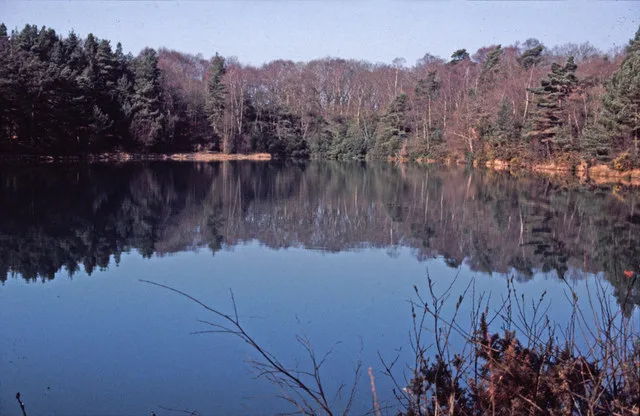
Blue Pool
Blue Pool — lake in Dorset, England, UK.
 📷 5
📷 5Natural landmarks · South West England
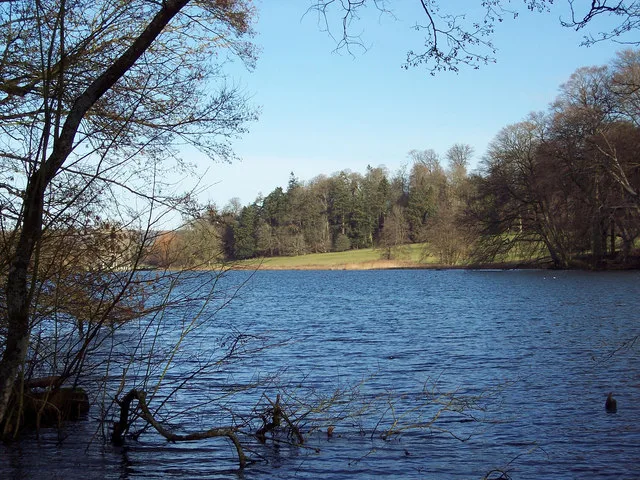
Fonthill Lake
Fonthill Lake — lake in Wiltshire, England, UK.
 📷 5
📷 5 📷 5
📷 5Natural landmarks · South West England
Orchardleigh Lake
Orchardleigh Lake — lake in the United Kingdom.
Frequently asked questions
- Where is Glastonbury Thorn?
- Glastonbury Thorn is in South-West England, United Kingdom (postcode BA6 9DR), in the parish of Glastonbury.
- What is Glastonbury Thorn?
- The Glastonbury thorn is a form of common hawthorn, Crataegus monogyna 'Biflora' (sometimes incorrectly called Crataegus oxyacantha var. praecox), found in and around Glastonbury, Somerset, England. U
- How do I get to Glastonbury Thorn?
- The nearest town is Street. Drivers can use postcode BA6 9DR.
- How do I get to Glastonbury Thorn?
- Drivers can navigate to postcode BA6 9DR. It sits within the Glastonbury and Somerton parliamentary constituency.