
Hill forts · East of England
Campsey Priory
In or near Easton.
Campsey Priory — priory in Suffolk, England, UK.

Wikimedia Commons contributors — see linked file page for photographer and licence licence

Plan your visit
- Typical visit
- 1 h–2 h
- Nearest railway station
- Wickham Market · 1.5 km
- Free entry
- Dog-friendly
Getting there & planning your visit
To visit Campsey Priory, the nearest railway station is Wickham Market, located 1.5 km away. The postcode for sat-nav is IP13 0PJ, and entry is free.
About
Campsey Priory is a hill fort in the United Kingdom. Heritage designation: scheduled monument. Wikidata describes it as: "priory in Suffolk, England, UK". Coordinates: 52.1401°, 1.3870°.
Photo gallery
Protected designations
- Site of Special Scientific Interest: Sandlings Forest SSSI
- Area of Outstanding Natural Beauty: Suffolk Coast & Heaths
Designations sourced from Natural England open data under OGL v3.
From the Wikipedia article
Campsey Priory (Campesse, Kampessie, etc.) was a religious house of Augustinian canonesses at Campsea Ashe, Suffolk, about 1.5 miles (2.5 km) southeast of Wickham Market. It was founded shortly before 1195 on behalf of two of his sisters by Theobald de Valoines (died 1209), who, with his wife Avice, had previously founded Hickling Priory in Norfolk for male canons in 1185. Both houses were suppressed in 1536. Campsey Priory was one of a group of monasteries in south-east Suffolk with interconnected histories, associated with the family of the elder Theobald de Valoines (Valognes, Valeines etc.), Lord of Parham (fl. 1135). These include Butley Priory (founded 1171) and Leiston Abbey (1182–83), both founded by his son-in-law Ranulf de Glanville, Chief Justiciar of England, husband of his daughter Bertha. Her sister Matilda was mother of Hubert Walter, Theobald Walter and Osbert fitzHervey. The founder of Campsey Priory was the son of Robert de Valoines and heir to the estate of Parham. During the 14th century the priory enjoyed the special patronage of the de Ufford Earls of Suffolk and their family. Maud of Lancaster, Countess of Ulster was a commanding presence, by whose efforts Bruisyard Abbey was established from Campsey. Much of the fabric of the priory was plundered after the suppression or incorporated into later buildings, but some remains were recorded during the 18th century. The site is now a private residence and not accessible to the public. Occasional excavations have been conducted. A very extensive list of documentary sources is given by Bishop Tanner; additional grants and other documents are held in the Suffolk Records, and some early books associated with the priory survive.
Excerpt from Wikipedia under CC BY-SA 4.0. See the source article linked in Sources below.
Background
History
The founder succeeded to his father Robert de Valoines in 1178. Before 1195 he gave all his land at Campsey to his sisters Joan and Agnes de Valoines to build there a house for themselves and other religious women, to be dedicated to Mary the mother of God. Gilbert Pecche, who succeeded his father Hamon as a fee-lord in Suffolk after 1191, confirmed the grant. These (lost) grants were confirmed by King John in January 1203/04 to Joan and Agnes and their successors. Theobald died in leaving an heir Thomas, who joined the Barons against King John and briefly had his lands confiscated. The site chosen was a secluded spot with direct river and road access to important centres nearby, and…
Description
The construction of the priory church and conventual buildings is likely to have proceeded through the early 13th century. In the late 18th century, when various ruins were visible, a plan was attempted suggesting a cloister yard measuring some 78 feet north to south and some 70 feet west to east, taking into account the width of a passage on the east side which presumably entered into the cloister walk. Substantial remains of the west range then existed (with large buttresses on its west side) which still partially survives in a converted barn structure which includes an early doorway at the northern end of its east (cloister-side) front. It also shows part of a string course forming the…
Sourced from Wikipedia under CC BY-SA 4.0.
- Coordinates
- 52.1401, 1.3870
- County
- Suffolk
- District
- East Suffolk
- Parish
- Campsey Ash
- Postcode
- IP13 0PJ
- Parliamentary constituency
- Central Suffolk and North Ipswich
- Established
- 1195
- Nearest railway station
- Wickham Market — 1.5 km
Sources
- wikidata: Q5028538 (CC0)
- wikipedia: Campsey Priory (CC BY-SA 4.0)
- commons: Campsey Priory groundplan 1790.jpg (CC BY-SA 4.0)
Other places nearby

Ash
Vineyards · 1.3 km

Pettistree
Villages · 1.7 km

Church of St Gregory the Great
Historic churches · 1.8 km

Campsea Ashe War Memorial
Memorials & monuments · 1.8 km

The Orchard Campsite
Campsites · 1.8 km

Campsea Ashe Village Sign
Public art & sculpture · 1.9 km

Pettistree War Memorial
Memorials & monuments · 2.1 km

Brick Kiln Farm
Campsites · 2.2 km

Wickham Market Village Sign
Public art & sculpture · 2.2 km

Wickham Market
Villages · 2.2 km

The Manor House
Historic houses · 2.2 km
The New Peach Bower
Restaurants · 2.2 km
Nearby
📷 5Vineyards · East of England
Ash
Ash — a UK vineyard in england east, producing English or Welsh wine from cool-climate grape varieties.
📷 5📷 3Historic churches · East of England
Church of St Gregory the Great
Church of St Gregory the Great — church in Rendlesham, Suffolk, England, UK.
📷 3Memorials & monuments · East of England
Campsea Ashe War Memorial
Campsea Ashe War Memorial — Grade II listed building-listed memorial in england-east, United Kingdom.
📷 5📷 3Public art & sculpture · East of England
Campsea Ashe Village Sign
Campsea Ashe Village Sign — a public art in england-east, United Kingdom.
Where to eat & stay near Campsey Priory
Places to stay
📷 5📷 5Campsites · East of England
Brick Kiln Farm
Brick Kiln Farm — a campsite in england east.
 📷 7
📷 7 📷 5📷 5
Campsites · East of England
Sutton Hoo Holidays Campsite
Sutton Hoo Holidays Campsite — a campsite in england east.
 📷 5
📷 5Places to eat & drink
📷 5 📷 7
📷 7Historic pubs · East of England
The Lion, Little Glemham
The Lion, Little Glemham in England East, United Kingdom.
 📷 5
📷 5Historic pubs · East of England
Castle Public House
Castle Public House in England East, United Kingdom.
 📷 5
📷 5Historic pubs · East of England
The Horse and Groom
The Horse and Groom in England East, United Kingdom.
 📷 5
📷 5Cafés · East of England
Honey + Harvey
Honey + Harvey — a café in england east.
 📷 7
📷 7Historic pubs · East of England
George and Dragon, Farnham
George and Dragon, Farnham in England East, United Kingdom.
More places in this region
 📷 5
📷 5Hill forts · East of England
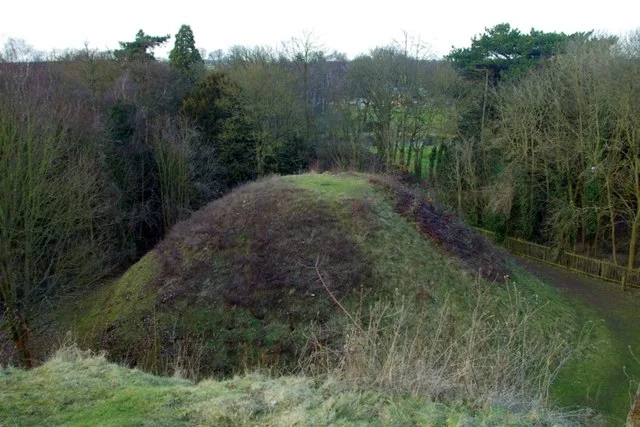
Bartlow Hills
Bartlow Hills — Roman tumuli cemetery in Bartlow (Cambridgeshire, UK).
 📷 5
📷 5Hill forts · East of England
Bedford Castle
Bedford Castle — castle in Bedfordshire, England, UK.
.jpg?width=1200) 📷 5
📷 5Hill forts · East of England
Beech Bottom Dyke
Beech Bottom Dyke — Iron Age ditch in St Albans, Hertfordshire, England, UK.
 📷 5
📷 5Hill forts · East of England
Braughing Roman Town
Braughing Roman Town — archaeological site in Braughing, East Hertfordshire, England, UK.
Frequently asked questions
- Where is Campsey Priory?
- Campsey Priory is in Suffolk, East of England, United Kingdom (postcode IP13 0PJ), in the parish of Campsey Ash.
- What is Campsey Priory?
- Campsey Priory — priory in Suffolk, England, UK.
- How do I get to Campsey Priory?
- The nearest railway station is Wickham Market, about 1.5 km away. The nearest town is Easton. Drivers can use postcode IP13 0PJ.
- When was Campsey Priory built?
- Built or established in 1195.
- Is Campsey Priory a listed building?
- Campsey Priory is officially recognised as scheduled monument listed.
- Is Campsey Priory a protected site?
- Yes — Campsey Priory is part of the Sandlings Forest SSSI Site of Special Scientific Interest and the Suffolk Coast & Heaths National Landscape (AONB).
- Is Campsey Priory free to visit?
- Yes, Campsey Priory is free to enter.
- How do I get to Campsey Priory?
- The nearest railway station is Wickham Market, about 1.5 km away. Drivers can navigate to postcode IP13 0PJ.