
Museums · South East England
Buscot Park
In or near Watchfield.
Buscot Park is a country house at Buscot near the town of Faringdon in Oxfordshire within the historic boundaries of Berkshire. It is a Grade II* listed building. It was built in an austere neoclassi

Philip Halling — CC BY-SA 2.0 via Wikimedia Commons licence

Plan your visit
- Typical visit
- 1.5 h–3 h
- Best time of year
- Year-round
- Family-friendly
- Limited wheelchair access
Getting there & planning your visit
Buscot Park is located in the Vale of White Horse, Oxfordshire, with the postcode SN7 8BU. Accessibility is limited for wheelchair users.
About
Buscot Park is a country house at Buscot near the town of Faringdon in Oxfordshire within the historic boundaries of Berkshire. It is a Grade II* listed building. It was built in an austere neoclassical style between 1780 and 1783 for Edward Loveden Loveden. It remained in the family until sold in 1859 to Robert Tertius Campbell, an Australian. Campbell's daughter Florence would later be famous as Mrs Charles Bravo, the central character in a Victorian murder case that remains unsolved to this day. On Campbell's death, in 1887, the house and its estate were sold to Alexander Henderson a financier, later to be ennobled as Baron Faringdon. Following the death of the 1st Baron in 1934, the house was considerably altered and restored to its 18th-century form, by the architect Geddes Hyslop, for his grandson and successor, Gavin Henderson, 2nd Baron Faringdon, during this era, the art collection founded by the 1st Baron was considerably enlarged, although many of the 1st Baron's 19th-century works of art were sold immediately following his death. The house and estate was bequeathed to the National Trust in 1956. The contents (which include works of art by Rembrandt and Burne-Jones) are owned by the Faringdon Collection Trust. The house is occupied and managed by the present Lord Faringdon. The mansion and its extensive formal and informal gardens and grounds are open to the public each summer.
Photo gallery
Protected designations
- Area of Outstanding Natural Beauty: Cotswolds
Designations sourced from Natural England open data under OGL v3.
From the Wikipedia article
Buscot Park is a country house at Buscot near the town of Faringdon in Oxfordshire within the historic boundaries of Berkshire. It is a Grade II* listed building. It was built in an austere neoclassical style between 1780 and 1783 for Edward Loveden Loveden. It remained in the family until sold in 1859 to Robert Tertius Campbell, an Australian. Campbell's daughter Florence would later be famous as Mrs Charles Bravo, the central character in a Victorian murder case that remains unsolved to this day. On Campbell's death, in 1887, the house and its estate were sold to Alexander Henderson a financier, later to be ennobled as Baron Faringdon. Following the death of the 1st Baron in 1934, the house was considerably altered and restored to its 18th-century form, by the architect Geddes Hyslop, for his grandson and successor, Gavin Henderson, 2nd Baron Faringdon, during this era, the art collection founded by the 1st Baron was considerably enlarged, although many of the 1st Baron's 19th-century works of art were sold immediately following his death. The house and estate was bequeathed to the National Trust in 1956. The contents (which include works of art by Rembrandt and Burne-Jones) are owned by the Faringdon Collection Trust. The house is occupied and managed by the present Lord Faringdon. The mansion and its extensive formal and informal gardens and grounds are open to the public each summer.
Excerpt from Wikipedia under CC BY-SA 4.0. See the source article linked in Sources below.
Background
Architecture
The construction of Buscot Park was begun in 1780, for Edward Loveden Loveden, whose family had owned land adjacent to the site since 1557. The land upon which he chose to build the house itself was owned by the neighbouring Throckmorton estate. Loveden Loveden did not acquire ownership of the land upon which his house was built until 1788. The architect is unknown, and it is likely that Loveden himself had a hand in the design. Loveden is known to have employed James Darley at this time; a little-known architect, described by a contemporary as "able and experienced." The names of other far more eminent architects have been mentioned in connection with Buscot, including that of Robert Adam,…
Sourced from Wikipedia under CC BY-SA 4.0.
- Coordinates
- 51.6697, -1.6499
- County
- Oxfordshire
- District
- Vale of White Horse
- Parish
- Buscot
- Postcode
- SN7 8BU
- Parliamentary constituency
- Witney
- Official site
- www.nationaltrust.org.uk
Sources
- wikipedia: Buscot Park (CC BY-SA 4.0)
Other places nearby
Buscot House
Historic houses · 0.0 km

Eaton Hastings War Memorial
Memorials & monuments · 1.1 km

Buscot Lock
Canal locks · 1.8 km

The Church of St Mary
Historic churches · 2.1 km

Kelmscott Manor
Historic houses · 2.2 km

Settlement site
Vineyards · 2.3 km

Plough Cottage The Plough Inn
Historic pubs · 2.3 km

Morris Memorial
Memorials & monuments · 2.6 km

Badbury Hill
Mountains & hills · 2.8 km

River Cole, Wiltshire
Museums · 2.8 km
Badbury camp
Vineyards · 2.8 km

Coleshill
Mountains & hills · 2.8 km
Nearby
📷 3Historic houses · South East England
Buscot House
Buscot House — a place in South East England, United Kingdom.
📷 3Memorials & monuments · South East England
Eaton Hastings War Memorial
Eaton Hastings War Memorial — Grade II listed building-listed memorial in england-west-midlands, United Kingdom.
📷 3Canal locks · South East England
Buscot Lock
Buscot Lock — lock on the River Thames in Oxfordshire, England.
📷 3Historic churches · South East England
The Church of St Mary
The Church of St Mary — Grade I listed building-listed church in england-west-midlands, United Kingdom.
📷 5Historic houses · South East England
Kelmscott Manor
Kelmscott Manor is a limestone manor house in the Cotswolds village of Kelmscott, in West Oxfordshire, southern England, close to the River Thames. It dates from around 1570, with a late 17th-century
📷 5Vineyards · South East England
Settlement site
Settlement site — a UK vineyard in england west midlands, producing English or Welsh wine from cool-climate grape varieties.
Where to eat & stay near Buscot Park
Places to stay
 📷 5
📷 5Campsites · South East England
Bridge House Campsite
Bridge House Campsite — a campsite in england west midlands.
 📷 7
📷 7B&Bs · South East England
The Old Crown Coaching Inn
The Old Crown Coaching Inn — a bed-and-breakfast in england west midlands.
 📷 5
📷 5Caravan parks · South East England
Rough Grounds Farm
Rough Grounds Farm — a caravan park in england west midlands.
 📷 5
📷 5Caravan parks · South East England
Island CL
Island CL — a caravan park in england west midlands.
 📷 5
📷 5Caravan parks · South East England
Cricket Bat Field
Cricket Bat Field — a caravan park in england west midlands.
 📷 5
📷 5B&Bs · South East England
The Saracen's Head Hotel
The Saracen's Head Hotel — a bed-and-breakfast in england west midlands.
Places to eat & drink
📷 7Historic pubs · South East England
Plough Cottage The Plough Inn
Plough Cottage The Plough Inn in England South West, United Kingdom.
 📷 7
📷 7Historic pubs · South East England
Trout Inn
Trout Inn — Historic pub — listed building or notable heritage status.
 📷 7
📷 7Historic pubs · South East England
The Radnor Arms Public House
The Radnor Arms Public House in England South West, United Kingdom.
 📷 7
📷 7Historic pubs · South East England
The Duke Of Wellington Public House
The Duke Of Wellington Public House in England South East, United Kingdom.
 📷 5
📷 5Historic pubs · South East England
The Wheatsheaf Public House
The Wheatsheaf Public House in England South East, United Kingdom.
 📷 7
📷 7More museums in this region
 📷 5
📷 5Museums · South East England
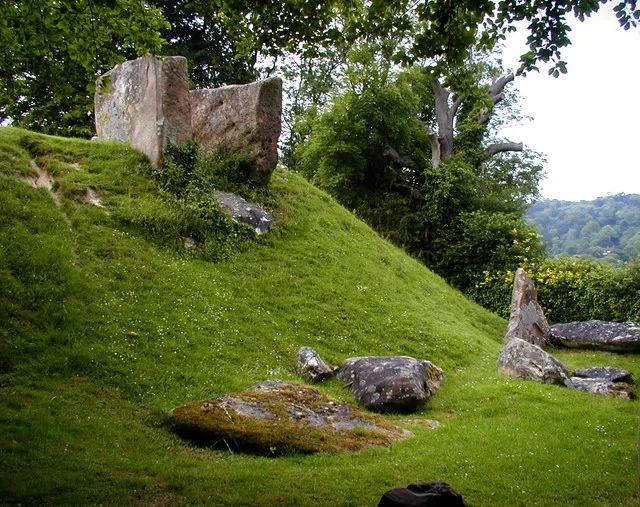
Coldrum Long Barrow
Coldrum Long Barrow — neolithic chambered long barrow near Trottiscliffe, Kent, England, UK.
 📷 5
📷 5Museums · South East England
Guildford House
Guildford House — house in Guildford, Surrey, England, UK.
 📷 5
📷 5Museums · South East England
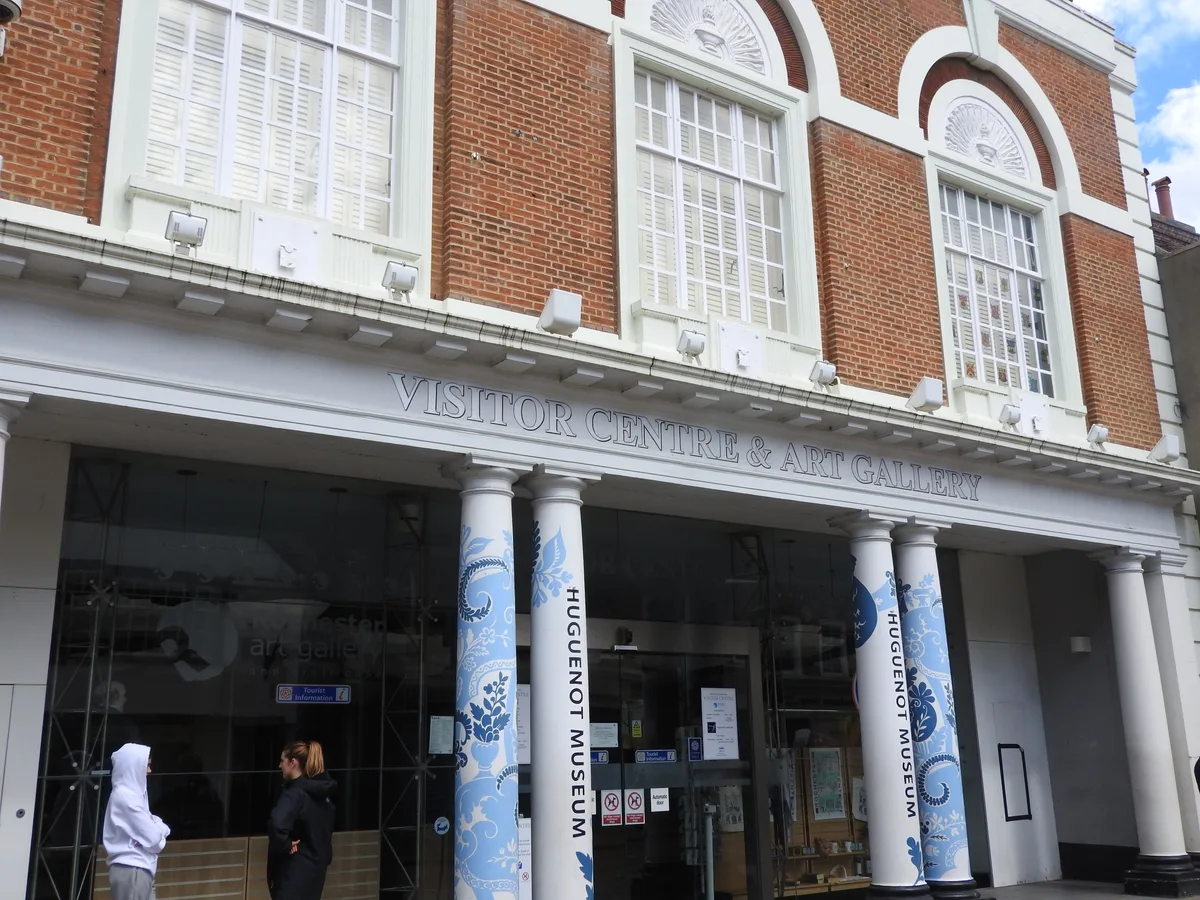
Huguenot Museum
Huguenot Museum — museum in Rochester, England, UK.
 📷 5
📷 5Museums · South East England
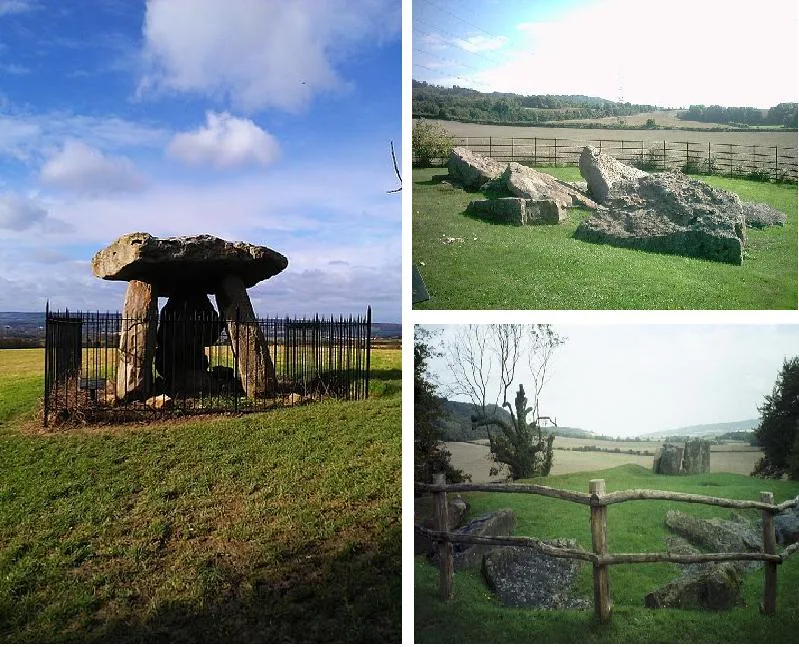
Medway megaliths
Medway megaliths — group of long barrows in Kent, England.
Frequently asked questions
- Where is Buscot Park?
- Buscot Park is in Oxfordshire, South-East England, United Kingdom (postcode SN7 8BU), in the parish of Buscot.
- What is Buscot Park?
- Buscot Park is a country house at Buscot near the town of Faringdon in Oxfordshire within the historic boundaries of Berkshire. It is a Grade II* listed building. It was built in an austere neoclassi
- How do I get to Buscot Park?
- The nearest town is Watchfield. Drivers can use postcode SN7 8BU.
- Who owns Buscot Park?
- Buscot Park is owned by National Trust.
- Is Buscot Park a protected site?
- Yes — Buscot Park is part of the Cotswolds National Landscape (AONB).
- How do I get to Buscot Park?
- Drivers can navigate to postcode SN7 8BU. It sits within the Witney parliamentary constituency.