
Historic houses · London
Aubrey House
In or near Tyburn.
Aubrey House — large 18th-century house in Holland Park in west London.
.jpg?width=1200)
Wikimedia Commons contributors — see linked file page for photographer and licence licence
.jpg)
Plan your visit
- Typical visit
- 1 h–2 h
- Nearest railway station
- Holland Park · 0.3 km
- Family-friendly
- Limited wheelchair access
Getting there & planning your visit
Aubrey House is located in Kensington and Chelsea, London, with the postcode W8 7JJ. The nearest railway station is Holland Park, which is 0.3 km away. Entry is not specified as free or paid, and wheelchair accessibility is limited.
About
Aubrey House is a historic house in the United Kingdom — typically a country seat, manor, or town house with notable architecture or history. Records date its origin to 1700. Heritage designation: Grade II* listed building. Owned by Sigrid Rausing. Address: http://www.wikidata.org/entity/Q67544536, W8 7JJ. Wikidata describes it as: "large 18th-century house in Holland Park in west London". Coordinates: 51.5058°, -0.2026°.
Photo gallery
See it from the streetimagery from 2022
Imagery © Mapillary contributors, CC BY-SA 4.0
From the Wikipedia article
Aubrey House is a large 18th-century detached house with two acres of gardens in the Campden Hill area of Holland Park in west London, W8. It is a private residence. Known for a long time as Notting Hill House, by the 1860s it had been named Aubrey House, after Aubrey de Vere who held the manor of Kensington at the time of the Domesday Book. The core of the house is thought to date to 1698; it was remodelled by Sir Edward Lloyd between 1745 and 1754. The house became a centre for radical thought and a haunt for political exiles in the 1860s under Clementia and Peter Alfred Taylor; Giuseppe Garibaldi stayed at the house in 1864 and meetings of the nascent British women's suffrage campaign were held at Aubrey House. The house served as a hospital during the First World War and later became the most expensive property ever sold in London upon its 1997 sale to the publisher and philanthropist Sigrid Rausing.
Excerpt from Wikipedia under CC BY-SA 4.0. See the source article linked in Sources below.
Background
History
The first building on the site of Aubrey House was attached to a medicinal spring called Kensington Wells. This was built in 1698 by John Wright, a 'Doctor in Physick', and by 1705 had become 'much esteem'd and resorted to for its Medicinal Virtues'. From 1744 Sir Edward Lloyd owned the lease on the house and purchased the freehold in 1750. Lloyd was largely responsible for transforming the house into its current form. John Rocque's map of London indicates that the wings were added to the house between 1745 and 1754, with the north front appearing to date from the same period. By 1767 Aubrey House was occupied by the politician and art collector Richard Grosvenor, 1st Earl Grosvenor. From…
Architecture
Built from brick, the house is three storeys high with five windows in the centre and two-storey, three window wings with modern additions to the east. Historic England describes the doorcase as featuring a "dentilled pediment and entablature above Tuscan pilasters" and notes the Tuscan loggia built on the garden front.
Sourced from Wikipedia under CC BY-SA 4.0.
- Coordinates
- 51.5058, -0.2026
- District
- Kensington and Chelsea
- Parish
- Kensington and Chelsea, unparished area
- Postcode
- W8 7JJ
- Parliamentary constituency
- Kensington and Bayswater
- Established
- 1700
- Nearest railway station
- Holland Park — 0.3 km
Sources
- wikidata: Q4819127 (CC0)
- wikipedia: Aubrey House (CC BY-SA 4.0)
- commons: Aubrey House (15342884005).jpg (CC BY-SA 4.0)
Other places nearby

Tonda
Public art & sculpture · 0.1 km

Siegfried Sassoon
Memorials & monuments · 0.1 km

Charles Morgan
Memorials & monuments · 0.1 km

Evelyn Underhill
Memorials & monuments · 0.2 km

Lord Holland
Historic houses · 0.2 km
John McDouall Stuart
Memorials & monuments · 0.2 km

Saint Volodymyr
Memorials & monuments · 0.2 km

Holland Park
Chapels · 0.3 km

Dame Marie Rambert
Memorials & monuments · 0.3 km

Windsor Castle in Kensington
Castles · 0.3 km

Windsor Castle in Kensington
Historic pubs · 0.3 km
Sir William Russell Flint
Memorials & monuments · 0.3 km
Nearby
📷 5📷 5Memorials & monuments · London
Siegfried Sassoon
Siegfried Sassoon — a memorial in London, United Kingdom.
📷 5Memorials & monuments · London
Charles Morgan
Charles Morgan — a memorial in London, United Kingdom.
📷 5Memorials & monuments · London
Evelyn Underhill
Evelyn Underhill — a memorial in London, United Kingdom.
📷 5📷 5Memorials & monuments · London
John McDouall Stuart
John McDouall Stuart — a memorial in London, United Kingdom.
Where to eat & stay near Aubrey House
Places to stay
 📷 5
📷 5Hostels · London
Safestay London Holland Park
Safestay London Holland Park — a hostel in england london.
 📷 5
📷 5 📷 7
📷 7 📷 7
📷 7 📷 5
📷 5Hotels · London
The Portobello Hotel
The Portobello Hotel — a hotel in england london.
 📷 5
📷 5Places to eat & drink
📷 7Historic pubs · London
Windsor Castle in Kensington
Windsor Castle in Kensington in England London, United Kingdom.
 📷 6
📷 6Restaurants · London
Core by Clare Smyth
Core by Clare Smyth — a restaurant in england london.
 📷 5
📷 5 📷 5
📷 5Historic pubs · London
Scarsdale Tavern
Scarsdale Tavern in England London, United Kingdom.
 📷 5
📷 5 📷 5
📷 5Other historic houses from this era
.jpg?width=1200) 📷 5
📷 5Historic houses · London
Cloth Hill
Cloth Hill — 17th-century house in Hampstead, London NW3.
 📷 5
📷 5Historic houses · London
Cromwell House
Cromwell House — Grade I listed building in the London Borough of Haringey, England,UK.
 📷 5
📷 5 📷 5
📷 5More historic houses in this region
 Flagship📷 10
Historic houses · London
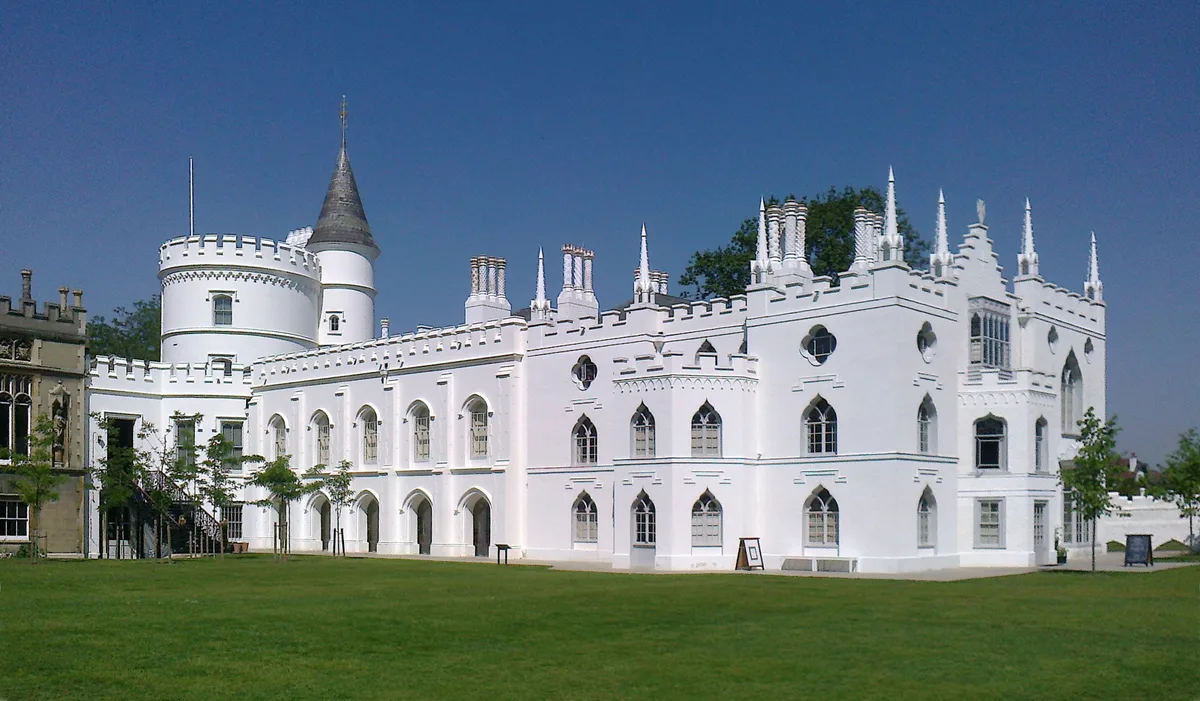
Strawberry Hill House
Strawberry Hill House — villa and house museum in Twickenham, London, United Kingdom.
 📷 5
📷 5Historic houses · London
1 Old Palace Terrace
1 Old Palace Terrace — house in Richmond upon Thames, London, United Kingdom.
 📷 5
📷 5Historic houses · London
1 Palace Green
1 Palace Green — house on Palace Green, Kensington, London.
 📷 5
📷 5Historic houses · London
1–2 Orme Square
1–2 Orme Square — pair of houses in Orme Square, Bayswater, London.
Frequently asked questions
- Where is Aubrey House?
- Aubrey House is in London, United Kingdom (postcode W8 7JJ), in the parish of Kensington and Chelsea, unparished area.
- What is Aubrey House?
- Aubrey House — large 18th-century house in Holland Park in west London.
- How do I get to Aubrey House?
- The nearest railway station is Holland Park, about 0.3 km away. The nearest town is Tyburn. Drivers can use postcode W8 7JJ.
- When was Aubrey House built?
- Built or established in 1700.
- Who owns Aubrey House?
- Aubrey House is owned by Sigrid Rausing.
- Is Aubrey House a listed building?
- Aubrey House is officially recognised as Grade II* listed building listed.
- How do I get to Aubrey House?
- The nearest railway station is Holland Park, about 0.3 km away. Drivers can navigate to postcode W8 7JJ.