
Historic houses · London
Essex House
In or near Covent Garden.
Essex House — house in London, England.

Wikimedia Commons licence
Plan your visit
- Typical visit
- 1 h–2 h
- Nearest railway station
- Temple · 0.3 km
- Family-friendly
Getting there & planning your visit
To visit Essex House, the nearest railway station is Temple, located 0.3 km away. Entry details are not provided, so please check in advance. Please note that the site is not wheelchair accessible.
About
Essex House is a historic house in the United Kingdom — typically a country seat, manor, or town house with notable architecture or history. Records date its origin to 1575. Owned by Robert Devereux, 2nd Earl of Essex. Named after Robert Devereux, 2nd Earl of Essex. Address: http://www.wikidata.org/entity/Q756819. Wikidata describes it as: "house in London, England". Coordinates: 51.5133°, -0.1119°.
Photo gallery
Summary from the official site
Essex House is a venue associated with the Chicken Road casino game developed by InOut Games. The game features a unique crash-style format where players control a chicken navigating through levels, aiming for multipliers while managing risk. It is designed for both casual and high-stakes players, offering adjustable difficulty levels and engaging gameplay.
Read more on the official property page.
From the Wikipedia article
Essex House was a house that fronted the Strand in London. Originally called Leicester House, it was built around 1575 for Robert Dudley, 1st Earl of Leicester, and was renamed Essex House after being inherited by his stepson, Robert Devereux, 2nd Earl of Essex, after Leicester's death in 1588. The poet Philip Sidney lived in Leicester House for some time. The property occupied the site where the Outer Temple, part of the London headquarters of the Knights Templar, had previously stood, and was immediately adjacent to the Middle Temple, one of the four Inns of Court. The house was substantial; in 1590, it was recorded as having 42 bedrooms, plus a picture gallery, kitchens, outhouses, a banqueting suite and a chapel. Essex's mother, Lettice Knollys, leased out the house for a while, but she moved in later with her new husband, Sir Christopher Blount, as well as her son and his family. After the executions of Blount and Essex in 1601, she continued to live there until her death, leasing part of the house to James Hay, the first Earl of Carlisle. On 8 January 1621, Hay hosted James VI and I, the royal court, and the French ambassador Maréchal de Cadenet. A lavish banquet involved sweetmeats costing £500 and ambergris used in cooking costing £300, and the total bill was £3,300. Hay staged a masque as entertainment in a large room above the dining area. Dancers appeared as the Titans, then Pallas Athene and Prometheus made speeches. The house then became the property of Robert Devereux, 3rd Earl of Essex, who leased part of it to his brother-in-law, William Seymour, 1st Marquess of Hertford. After the English Civil War, the family lost ownership as a result of their debts. Following the Restoration and the death of William Seymour, Sir Orlando Bridgeman lived in the house for a time. When the Duchess of Somerset died in 1674, she left the house to her granddaughter, whose husband, Sir Thomas Thynne, sold it, along with the adjoining lands and properties. The main part…
Excerpt from Wikipedia under CC BY-SA 4.0. See the source article linked in Sources below.
- Coordinates
- 51.5133, -0.1119
- District
- City of London
- Parish
- City of London, unparished area
- Postcode
- EC4Y 9AH
- Parliamentary constituency
- Cities of London and Westminster
- Phone
- +44 20 7430 2255
- Established
- 1575
- Nearest railway station
- Temple — 0.3 km
- Opening
- Mo-We 11:30-22:00; Th-Fr 11:30-23:00; Sa 11:30-22:00; Su 12:00-20:00
- Official site
- www.oldbankofengland.co.uk
Sources
- wikidata: Q3733299 (CC0)
- wikipedia: Essex House (London) (CC BY-SA 4.0)
Other places nearby

The Fleet Street Press
Cafés · 0.0 km

Temple Bar memorial
Memorials & monuments · 0.0 km

Middle Temple Gatehouse
Historic houses · 0.1 km

2 And 3, Essex Court Ec4
Historic houses · 0.1 km
Bust of Robert Devereux, 3rd Earl of Essex
Public art & sculpture · 0.1 km
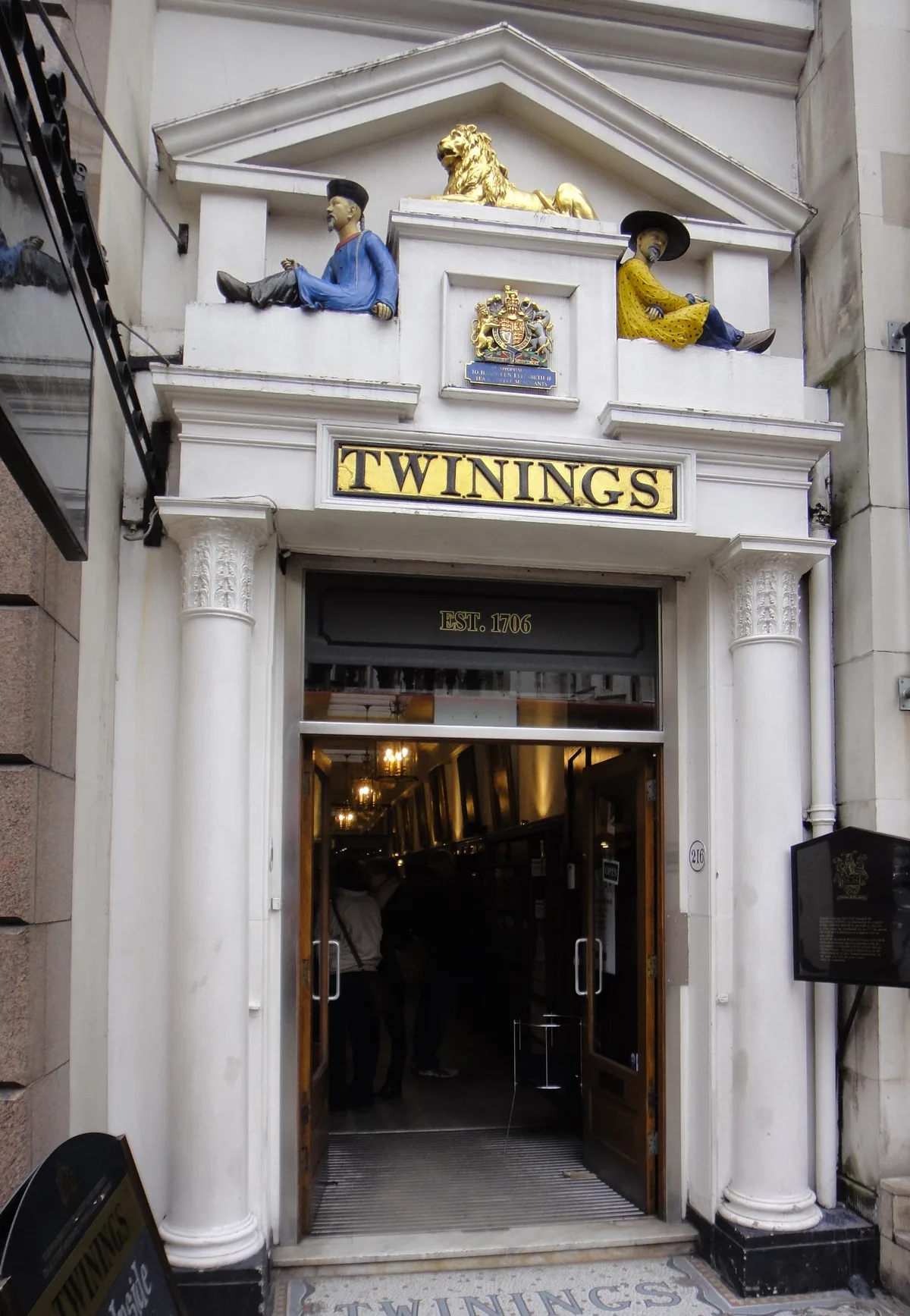
Twinings Museum
Museums · 0.1 km

4-6, Pump Court Ec4
Historic houses · 0.1 km
1, Essex Court Ec4
Historic houses · 0.1 km

The Devereux
Historic pubs · 0.1 km

Chambers On West Side Of New Court
Historic houses · 0.1 km

The Old Bank of England
Historic pubs · 0.1 km

Justice
Public art & sculpture · 0.1 km
Nearby
📷 7Cafés · London
The Fleet Street Press
The Fleet Street Press — a café in england london.
📷 5Memorials & monuments · London
Temple Bar memorial
Temple Bar memorial — a monument in england london.
📷 5Historic houses · London
Middle Temple Gatehouse
Middle Temple Gatehouse — a Grade I-listed historic house in england-london, United Kingdom.
📷 5Historic houses · London
2 And 3, Essex Court Ec4
2 And 3, Essex Court Ec4 — a Grade I-listed historic house in england-london, United Kingdom.
📷 5Public art & sculpture · London
Bust of Robert Devereux, 3rd Earl of Essex
Bust of Robert Devereux, 3rd Earl of Essex in England London, United Kingdom.
📷 5Museums · London
Twinings Museum
Twinings Museum — tea shop in Westminster, London, England, UK.
Where to eat & stay near Essex House
Places to stay
 📷 7
📷 7Hotels · London
Apex Temple Court Hotel
Apex Temple Court Hotel — a hotel in england london.
 📷 5
📷 5 📷 7
📷 7Hotels · London
Hyatt Regency London Blackfriars
Hyatt Regency London Blackfriars — a hotel in england london. 5-star. Brand: Hyatt Regency.
 📷 7
📷 7 📷 5
📷 5 📷 5
📷 5Places to eat & drink
📷 7Cafés · London
The Fleet Street Press
The Fleet Street Press — a café in england london.
📷 5📷 7Historic pubs · London
The Old Bank of England
The Old Bank of England — Historic pub — listed building or notable heritage status.
 📷 7
📷 7 📷 5
📷 5 📷 5
📷 5Historic pubs · London
The Seven Stars
The Seven Stars — Historic pub — listed building or notable heritage status.
Other historic houses from this era
.jpg?width=1200) 📷 5
📷 5Historic houses · London
Aubrey House
Aubrey House — large 18th-century house in Holland Park in west London.
.jpg?width=1200) 📷 5
📷 5Historic houses · London
Cloth Hill
Cloth Hill — 17th-century house in Hampstead, London NW3.
 📷 5
📷 5Historic houses · London
Cromwell House
Cromwell House — Grade I listed building in the London Borough of Haringey, England,UK.
 📷 5
📷 5More historic houses in this region
 Flagship📷 10
Historic houses · London
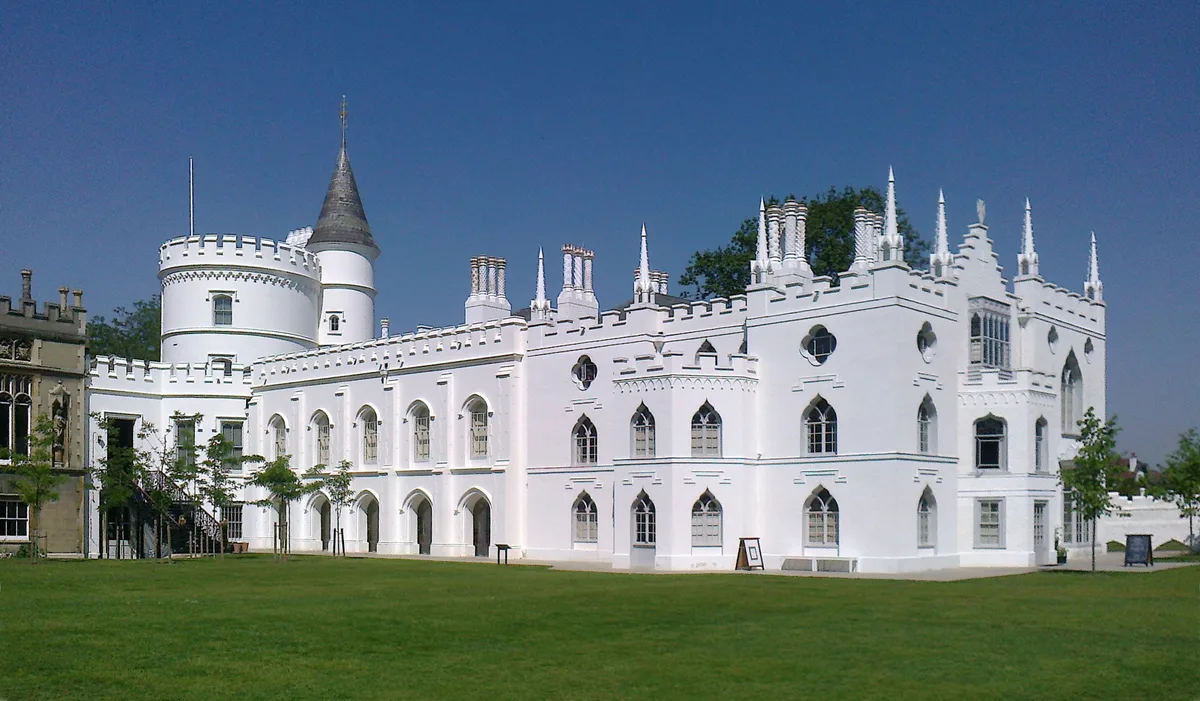
Strawberry Hill House
Strawberry Hill House — villa and house museum in Twickenham, London, United Kingdom.
 📷 5
📷 5Historic houses · London
1 Old Palace Terrace
1 Old Palace Terrace — house in Richmond upon Thames, London, United Kingdom.
 📷 5
📷 5Historic houses · London
1 Palace Green
1 Palace Green — house on Palace Green, Kensington, London.
 📷 5
📷 5Historic houses · London
1–2 Orme Square
1–2 Orme Square — pair of houses in Orme Square, Bayswater, London.
Frequently asked questions
- Where is Essex House?
- Essex House is in London, United Kingdom (postcode EC4Y 9AH), in the parish of City of London, unparished area.
- What is Essex House?
- Essex House — house in London, England.
- How do I get to Essex House?
- The nearest railway station is Temple, about 0.3 km away. The nearest town is Covent Garden. Drivers can use postcode EC4Y 9AH.
- When was Essex House built?
- Built or established in 1575.
- Who owns Essex House?
- Essex House is owned by Robert Devereux, 2nd Earl of Essex.
- How do I get to Essex House?
- The nearest railway station is Temple, about 0.3 km away. Drivers can navigate to postcode EC4Y 9AH.