
Historic churches · South East England
Worthing Tabernacle
In or near Sompting.
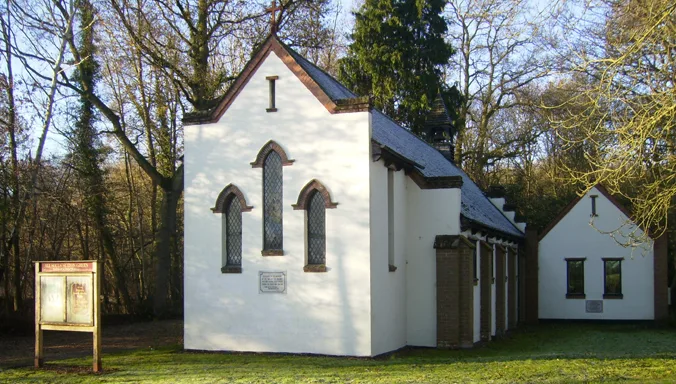
Worthing Tabernacle — grade II listed church in Worthing, West Sussex, England, UK.

Wikimedia Commons contributors — see linked file page for photographer and licence licence
.JPG)
Plan your visit
- Typical visit
- 30 min–1 h
- Nearest railway station
- Worthing · 0.6 km
- Free entry
- Family-friendly
Getting there & planning your visit
To visit Worthing Tabernacle, the nearest railway station is Worthing, located 0.6 km away. The postcode for sat-nav is BN11 1BN, and entry to the church is free.
About
Worthing Tabernacle is a historic church in the United Kingdom. Records date its origin to 1908. Built in the Gothic Revival style. Heritage designation: Grade II listed building. Wikidata describes it as: "grade II listed church in Worthing, West Sussex, England, UK". Coordinates: 50.8148°, -0.3712°.
Photo gallery
See it from the streetimagery from 2020
Imagery © Mapillary contributors, CC BY-SA 4.0
Heritage listing
Worthing Tabernacle is an independent Evangelical Christian church in the town and borough of Worthing, one of seven local government districts in the English county of West Sussex. The present building, with its distinctive pale stone exterior and large rose window, dates from 1908, but the church was founded in 1895 in a chapel built much earlier in the 19th century during a period when the new seaside resort's population was growing rapidly. In its present form, the church is affiliated with the Fellowship of Independent Evangelical Churches.
From the Historic England List Entry under OGL v3.
Official information
Worthing Tabernacle is a church located in Worthing, West Sussex. It serves as a community hub for worship and fellowship, hosting services and events for its congregation and visitors.
From the Wikipedia article
Worthing Tabernacle is an independent Evangelical Christian church in the town and borough of Worthing, one of seven local government districts in the English county of West Sussex. The present building, with its distinctive pale stone exterior and large rose window, dates from 1908, but the church was founded in 1895 in a chapel built much earlier in the 19th century during a period when the new seaside resort's population was growing rapidly. In its present form, the church is affiliated with the Fellowship of Independent Evangelical Churches. English Heritage has listed the building at Grade II for its architectural and historical importance.
Excerpt from Wikipedia under CC BY-SA 4.0. See the source article linked in Sources below.
Background
History
Many places of worship were founded in Worthing after its incorporation as a town in 1803: the following decades were a period of rapid growth as a prestigious seaside resort. One such chapel was built in 1839—probably by Charles Hide, a locally important architect and builder—on Montague Street (the old road to Heene), for independent (non-denominational) Christian worship. The chapel was known as the Tabernacle. It later became associated with Calvinism and Congregationalist worship, and was also used briefly in 1854 as an Anglican church (during which time it was temporarily dedicated to St John the Baptist). By 1893, when local architect Resta Moore had designed a new Classical-style…
Architecture
Worthing Tabernacle has a distinctive exterior and an imposing, elaborate interior laid out like an auditorium. These are topped by intricately designed capitals. A partly granite chancel arch divides the interior into two bays. In the front bay, an elaborate double-deck pulpit, carved wooden galleries and pews survive from when the church was built. To the rear of the chapel, a modern organ and case have replaced the original equipment, which was apparently retrieved from Walmer Castle in Kent.
Sourced from Wikipedia under CC BY-SA 4.0.
- Coordinates
- 50.8148, -0.3712
- County
- West Sussex
- District
- Worthing
- Parish
- Worthing, unparished area
- Postcode
- BN11 1BN
- Parliamentary constituency
- Worthing West
- Phone
- 01903 236542
- Established
- 1908
- Nearest railway station
- Worthing — 0.6 km
- Opening
- Sundays 10.30am & 5.45pm
- Official site
- www.worthingtab.org.uk
Sources
- wikidata: Q8037230 (CC0)
- wikipedia: Worthing Tabernacle (CC BY-SA 4.0)
- commons: Worthing Tabernacle, Chapel Road, Worthing (June 2013).JPG (CC BY-SA 4.0)
Other places nearby

Worthing
Museums · 0.0 km
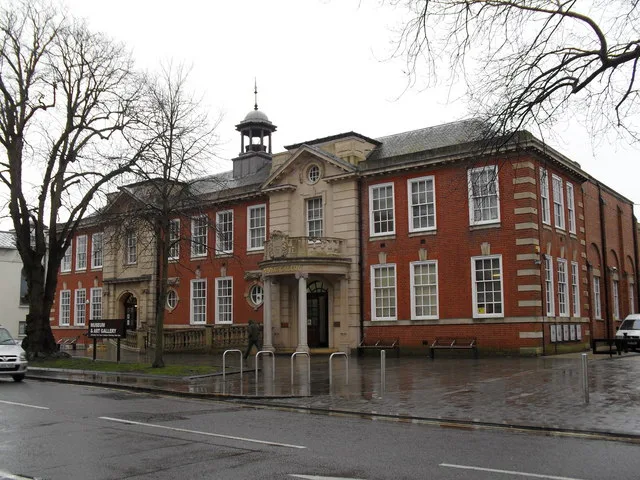
Worthing Museum and Art Gallery
Galleries · 0.0 km
Worthing War Memorial
Memorials & monuments · 0.0 km

Worthing Town Hall including Assembly Hall and Worthing Room
Theatres · 0.1 km

Rivoli Cinema
Theatres · 0.1 km
Assembly Hall
Theatres · 0.1 km

St Paul's War Memorial, Worthing
Memorials & monuments · 0.1 km
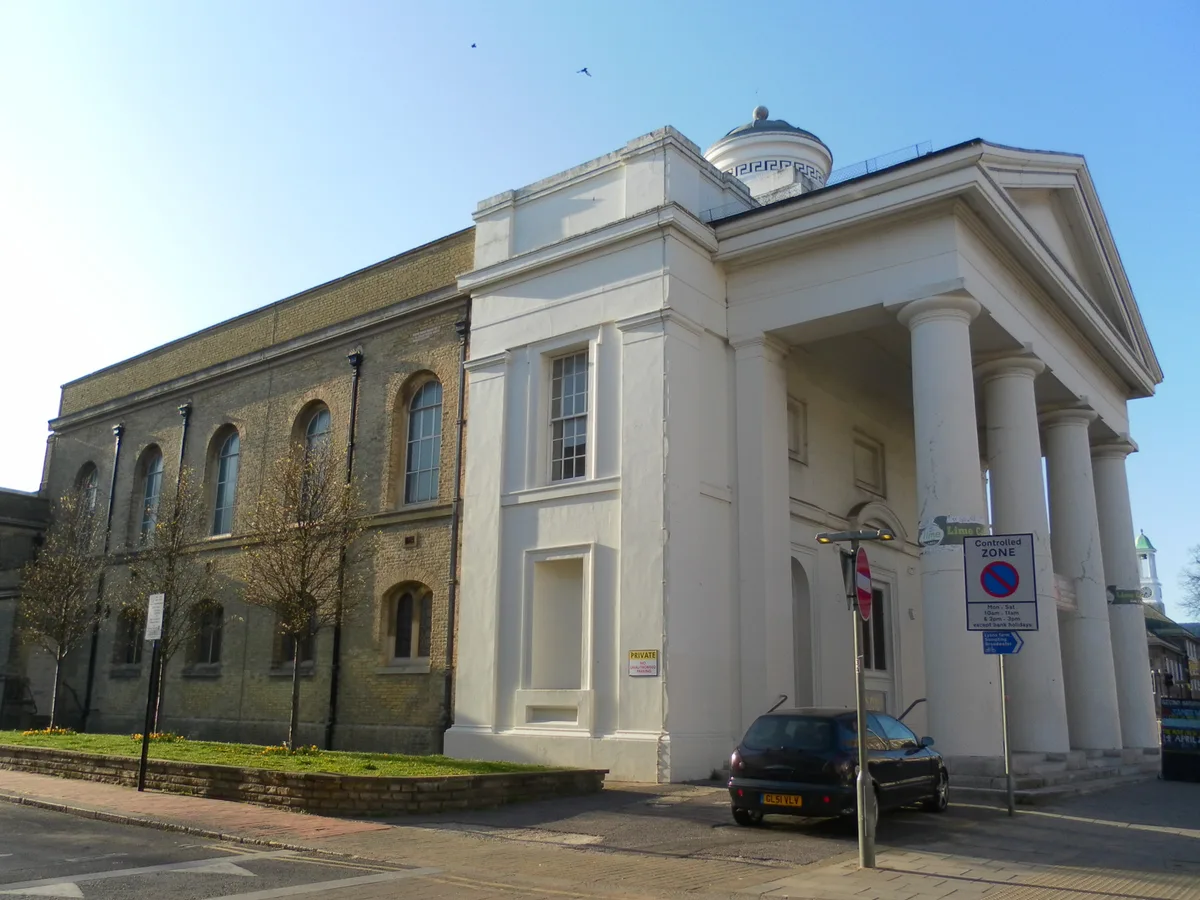
St Paul's Church, Worthing
Historic churches · 0.1 km

Ritz Digital Cinema
Cinemas · 0.1 km

Connaught Theatre
Open-air theatres · 0.1 km
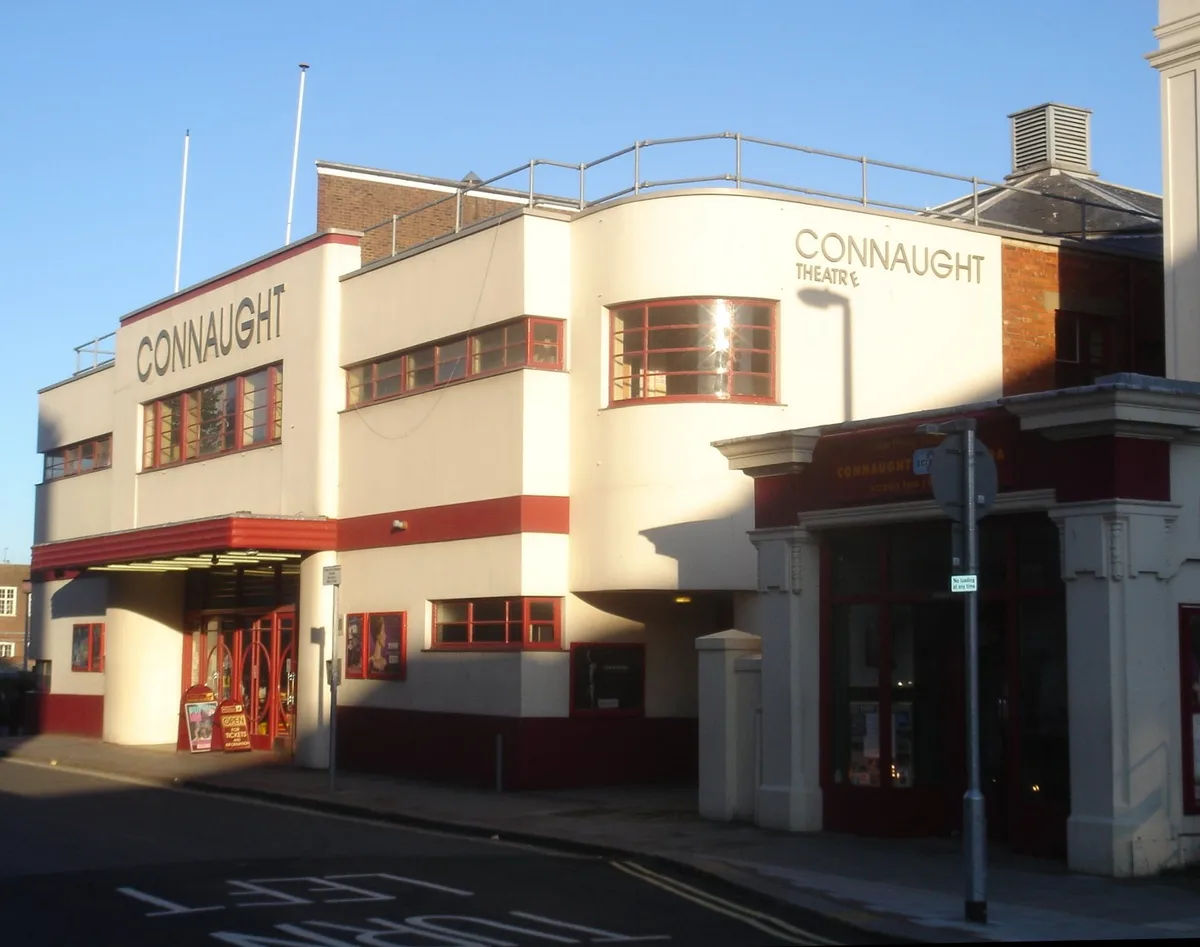
The Connaught
Theatres · 0.1 km

The Forge Gallery
Galleries · 0.2 km
Nearby
📷 5Museums · South East England
Worthing
Worthing — a museum in england-south-east, United Kingdom.
📷 5Galleries · South East England
Worthing Museum and Art Gallery
Worthing Museum and Art Gallery — museum in Worthing, England, United Kingdom.
📷 5Memorials & monuments · South East England
Worthing War Memorial
Worthing War Memorial — Grade II listed building-listed memorial in england-south-east, United Kingdom.
📷 5Theatres · South East England
Worthing Town Hall including Assembly Hall and Worthing Room
Worthing Town Hall including Assembly Hall and Worthing Room — Grade II listed building-listed theatre in england-south-east, United Kingdom.
📷 5📷 5Where to eat & stay near Worthing Tabernacle
Places to stay
 📷 5
📷 5Hotels · South East England
The Burlington
The Burlington — a hotel in england south east.
 📷 5
📷 5Caravan parks · South East England
Beach Park
Beach Park — a caravan park in england south east.
 📷 5
📷 5Caravan parks · South East England
Willowbrook Park
Willowbrook Park — a caravan park in england south east.
 📷 5
📷 5Caravan parks · South East England
Eastern Sands Holiday Park
Eastern Sands Holiday Park — a caravan park in england south east.
📷 5Caravan parks · South East England
The Barn Caravan Park
The Barn Caravan Park — a caravan park in england south east.
 📷 5
📷 5Caravan parks · South East England
Northbrook Farm Caravan Club
Northbrook Farm Caravan Club — a caravan park in england south east.
Places to eat & drink
 📷 5
📷 5Historic pubs · South East England
Thieves Kitchen
Thieves Kitchen in England South East, United Kingdom.
 📷 5
📷 5Restaurants · South East England
Crabshack
Crabshack — a restaurant in england south east.
 📷 7
📷 7 📷 5
📷 5Historic pubs · South East England
The Royal Sovereign Public House
The Royal Sovereign Public House in England South East, United Kingdom.
 📷 5
📷 5Historic pubs · South East England
The Star Public House
The Star Public House in England South East, United Kingdom.
 📷 5
📷 5Historic pubs · South East England
The Frankland Arms Public House
The Frankland Arms Public House in England South East, United Kingdom.
Other places from this era
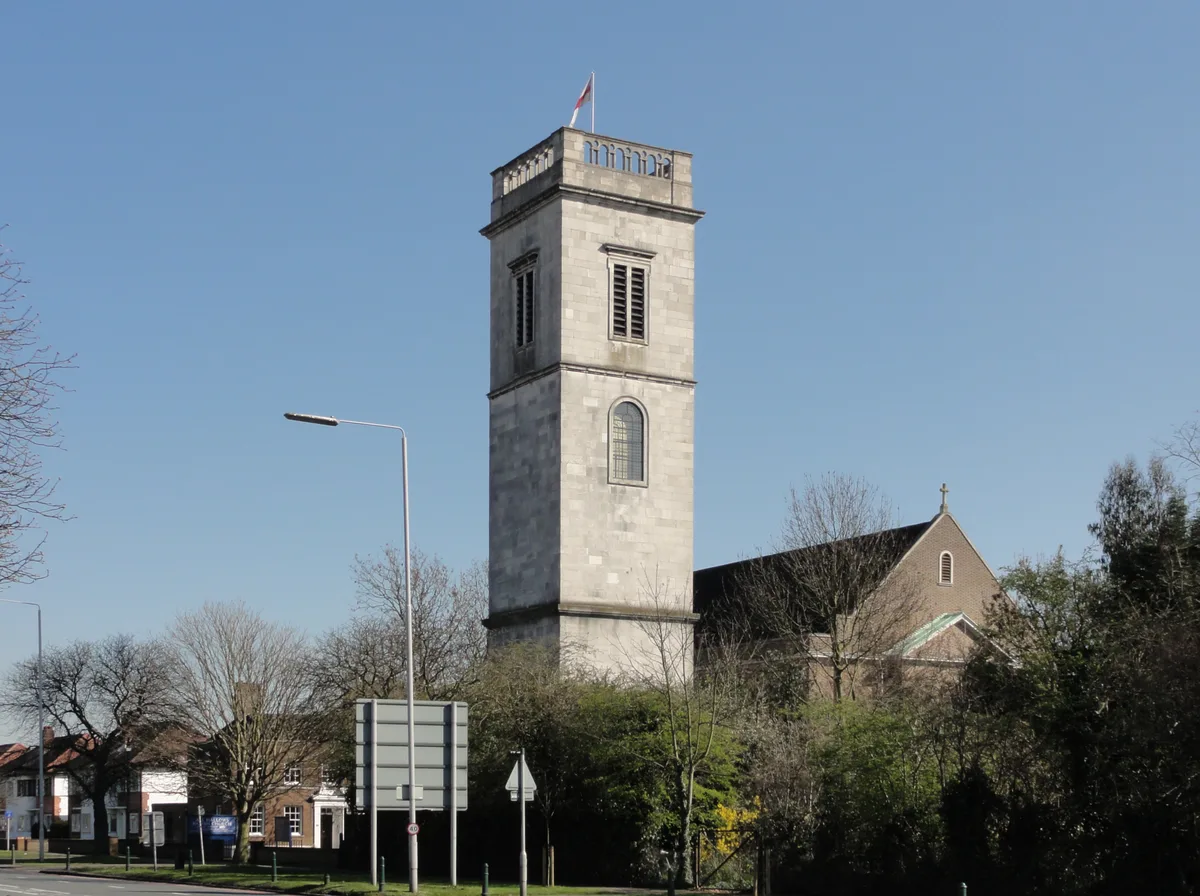 📷 5
📷 5Historic churches · London
All Hallows Twickenham
All Hallows Twickenham — church in London Borough of Richmond upon Thames, UK.
 📷 5
📷 5 📷 5
📷 5Historic churches · London
Church of Our Lady and St Peter, Leatherhead
Church of Our Lady and St Peter, Leatherhead — church in United Kingdom.
 📷 5
📷 5Historic churches · London
First Church of Christ, Scientist, Richmond
First Church of Christ, Scientist, Richmond — church in London Borough of Richmond upon Thames, UK.
More places in this region
 📷 5
📷 5Historic churches · South East England
All Saints Church, Frindsbury
All Saints Church, Frindsbury — church in Medway, UK.
 📷 5
📷 5Historic churches · South East England
All Saints Church, Maidstone
All Saints Church, Maidstone — parish church associated with the Archbishop's Palace, Maidstone, Kent, England, UK.
 📷 5
📷 5Historic churches · South East England
All Saints Church, West Farleigh
All Saints Church, West Farleigh — Grade I listed church in West Farleigh, Maidstone, Kent, England, UK.
 📷 5
📷 5Historic churches · South East England
All Souls' Church, Sutton Green
All Souls' Church, Sutton Green — church in Guildford, England.
Frequently asked questions
- Where is Worthing Tabernacle?
- Worthing Tabernacle is in West Sussex, South-East England, United Kingdom (postcode BN11 1BN), in the parish of Worthing, unparished area.
- What is Worthing Tabernacle?
- Worthing Tabernacle — grade II listed church in Worthing, West Sussex, England, UK.
- How do I get to Worthing Tabernacle?
- The nearest railway station is Worthing, about 0.6 km away. The nearest town is Sompting. Drivers can use postcode BN11 1BN.
- When was Worthing Tabernacle built?
- Built or established in 1908.
- Is Worthing Tabernacle a listed building?
- Worthing Tabernacle is officially recognised as Grade II listed building listed.
- Is Worthing Tabernacle free to visit?
- Yes, Worthing Tabernacle is free to enter.
- How do I get to Worthing Tabernacle?
- The nearest railway station is Worthing, about 0.6 km away. Drivers can navigate to postcode BN11 1BN.