
Abbeys & priories · East Midlands
Tupholme Abbey: a Premonstratensian abbey and post-medieval houses and formal gardens
In or near Bardney.
Tupholme Abbey: a Premonstratensian abbey and post-medieval houses and formal gardens — scheduled monument-listed abbey in england-east-midlands, United Kingdom.

Richard Croft — CC BY-SA 2.0 via Wikimedia Commons licence

Plan your visit
- Typical visit
- 45 min–1.5 h
- Nearest railway station
- Metheringham · 9.5 km
- Family-friendly
- Limited wheelchair access
Getting there & planning your visit
To visit Tupholme Abbey, the nearest railway station is Metheringham, located 9.5 km away. The postcode for sat-nav is LN3 5TQ. Accessibility is limited for wheelchair users.
About
Tupholme Abbey: a Premonstratensian abbey and post-medieval houses and formal gardens is a scheduled monument-listed abbey in england-east-midlands, United Kingdom, registered on the National Heritage List for England (NHLE entry 1017403). Listed status protects buildings and structures of special architectural or historic interest. See the linked Wikipedia article for further details.
Photo gallery
Heritage listing
Details The monument includes the remains of Tupholme Abbey, a Premonstratensian monastery founded between 1155-65 on land granted by Alan and Gilbert de Neville. In 1342 the manor of Ranby was granted to the abbey by Ralph de Neville. Tupholme was a relatively small establishment of up to 12 canons and had limited endowments in the county of Lincolnshire. Along with other Lincolnshire monastic sites Tupholme was involved in the wool export trade, although to a lesser extent than other houses. To assist in this trade it was linked to the River Witham by a navigable waterway granted by Henry II. The abbey was dissolved in 1536 and the property granted to Sir Thomas Heneage of Hainton. Thereafter the site was occupied by a country house, demolished around the beginning of the 18th century and replaced in the 19th century by cottages and a farmhouse, which were themselves dismantled in 1986. The remains of the medieval monastery are therefore intermingled with those of the post-medieval house and farms and the monument includes the earthworks and standing remains of medieval and post-medieval buildings, ponds, ditches and associated features. The monument is situated approximately 2km south east of Bardney on a low island of sand and gravel within an area of former marshland. The remains take the form of a group of earthworks, standing remains and buried archaeological deposits identified by aerial survey, which cover an area approximately 350m by 300m. The centre of the monument is occupied by the standing remains of the south wall of the abbey's refectory, a Grade I Listed structure which is included in the scheduling. The wall is comprised of coursed limestone rubble with ashlar dressings, and survives to a maximum of 5.4m in height and up to 23m in length. It includes
From the Historic England List Entry under OGL v3.
Protected designations
- Site of Special Scientific Interest: Bardney Limewoods, Lincolnshire SSSI
- National Nature Reserve: BARDNEY LIMEWOODS
- Area of Outstanding Natural Beauty: Lincolnshire Wolds
Designations sourced from Natural England open data under OGL v3.
Place summary
Tupholme Abbey, located in the East Midlands, is a Premonstratensian abbey accompanied by post-medieval houses and formal gardens. It is designated as a scheduled monument, reflecting its historical significance in the parish of Tupholme, Lincolnshire.
AI-generated from the structured facts on this page (operator, designation, listing, era). Not a substitute for visiting.
- Coordinates
- 53.1988, -0.2887
- County
- Lincolnshire
- District
- East Lindsey
- Parish
- Tupholme
- Postcode
- LN3 5TQ
- Parliamentary constituency
- Louth and Horncastle
- Nearest railway station
- Metheringham — 9.5 km
Sources
- wikidata: Q17664894 (CC0)
Other places nearby
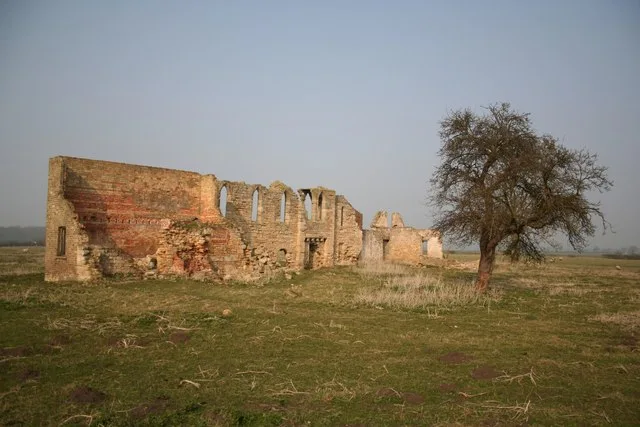
Tupholme Abbey
Abbeys & priories · 0.1 km

Abbey Fish Ponds
Abbeys & priories · 0.1 km
Tupholme
Historic churches · 0.2 km

Southrey
Villages · 1.7 km

Cycle of Life
Public art & sculpture · 2.0 km

The Hidaway
Caravan parks · 2.1 km

Curly Coat Pigs
Public art & sculpture · 2.3 km

Bardney War Memorial
Memorials & monuments · 2.7 km

Bardney
Towns & cities · 2.7 km

Bucknall, Lincolnshire
Historic churches · 3.3 km

King's Hill
Archaeological sites · 3.4 km

King's Hill
Archaeological sites · 3.4 km
Nearby
★ Iconic📷 3Abbeys & priories · East Midlands
Tupholme Abbey
Tupholme Abbey — monastery ruins in Tupholme, East Lindsey, Lincolnshire, England, UK.
📷 3Abbeys & priories · East Midlands
Abbey Fish Ponds
Abbey Fish Ponds — an abbey in East Midlands, United Kingdom.
📷 5Historic churches · East Midlands
Tupholme
Tupholme is a village in the East Lindsey district of Lincolnshire, England. It is situated 11 miles (18 km) east from Lincoln, and is the site of the ruined Tupholme Abbey on the road between Hornca
📷 5📷 3Public art & sculpture · East Midlands
Cycle of Life
Cycle of Life — a public art in East Midlands, United Kingdom.
📷 5Where to eat & stay near Tupholme Abbey: a Premonstratensian abbey and post-medieval houses and formal gardens
Places to stay
📷 5 📷 5
📷 5Campsites · East Midlands
Stockshill Caravan Park
Stockshill Caravan Park — a campsite in england east midlands.
 📷 5
📷 5Campsites · East Midlands
Woodhall Country Park
Woodhall Country Park — a campsite in england east midlands.
 📷 3
📷 3Campsites · East Midlands
Forest View Camping
Forest View Camping — a campsite in england east midlands.
 📷 5
📷 5Campsites · East Midlands
Jubilee Park
Jubilee Park — a campsite in england east midlands.
📷 5Caravan parks · East Midlands
Petwood Caravan Park
Petwood Caravan Park — a caravan park in england east midlands.
Places to eat & drink
 📷 5
📷 5Historic pubs · East Midlands
Abbey Lodge Inn
Abbey Lodge Inn in England East, United Kingdom.
 📷 5
📷 5Historic pubs · East Midlands
Star And Garter Public House
Star And Garter Public House in England East, United Kingdom.
 📷 5
📷 5 📷 5
📷 5Historic pubs · East Midlands
Fortescue Arms And Coach House
Fortescue Arms And Coach House in England East, United Kingdom.
 📷 5
📷 5 📷 5
📷 5Historic pubs · East Midlands
Lea Gate Public House
Lea Gate Public House in England East, United Kingdom.
More abbeys in this region
 📷 5
📷 5Abbeys & priories · East Midlands
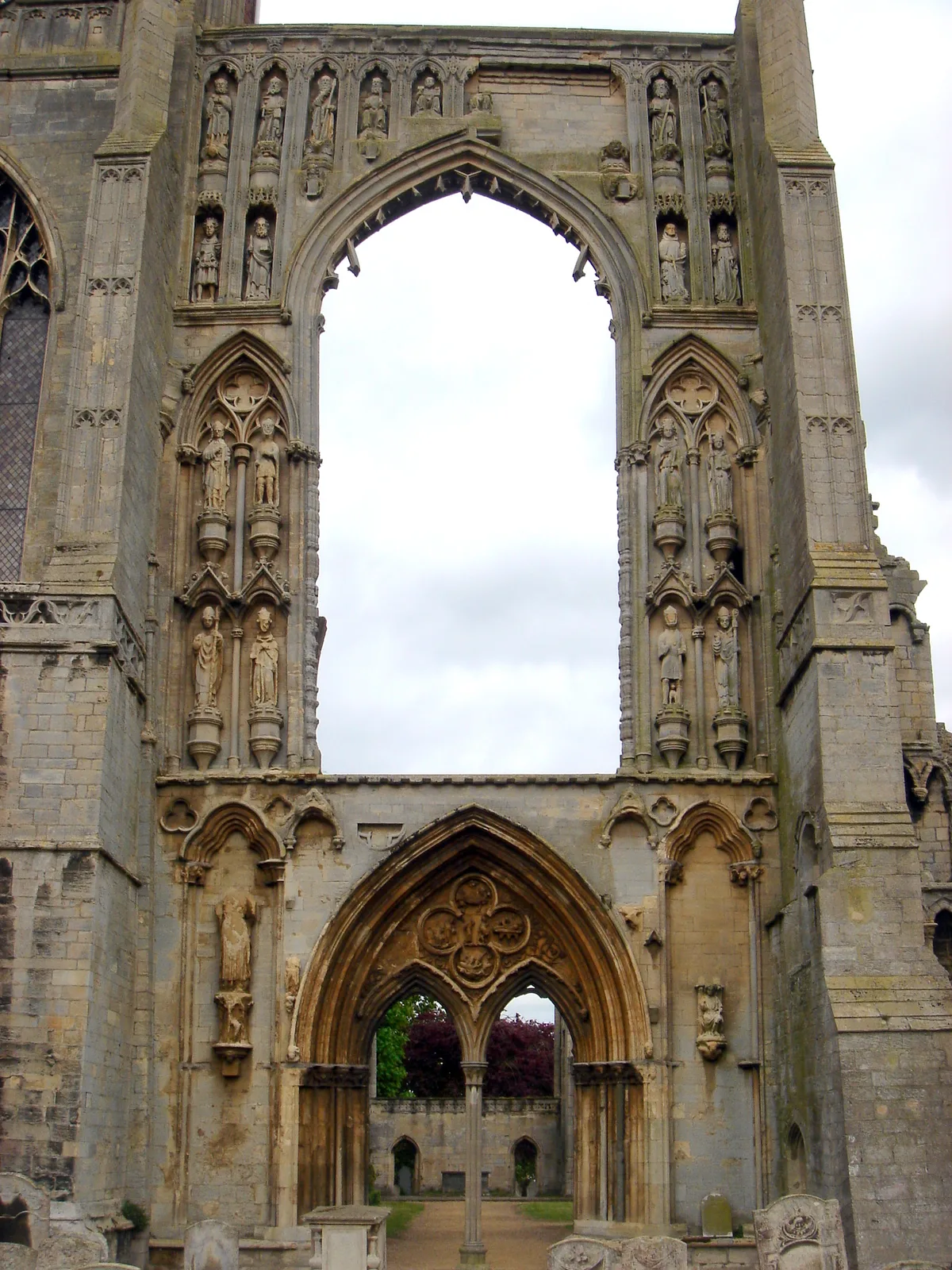
Crowland Abbey
Crowland Abbey — parish church of Church of England in Crowland, Lincolnshire, England, UK.
 📷 5
📷 5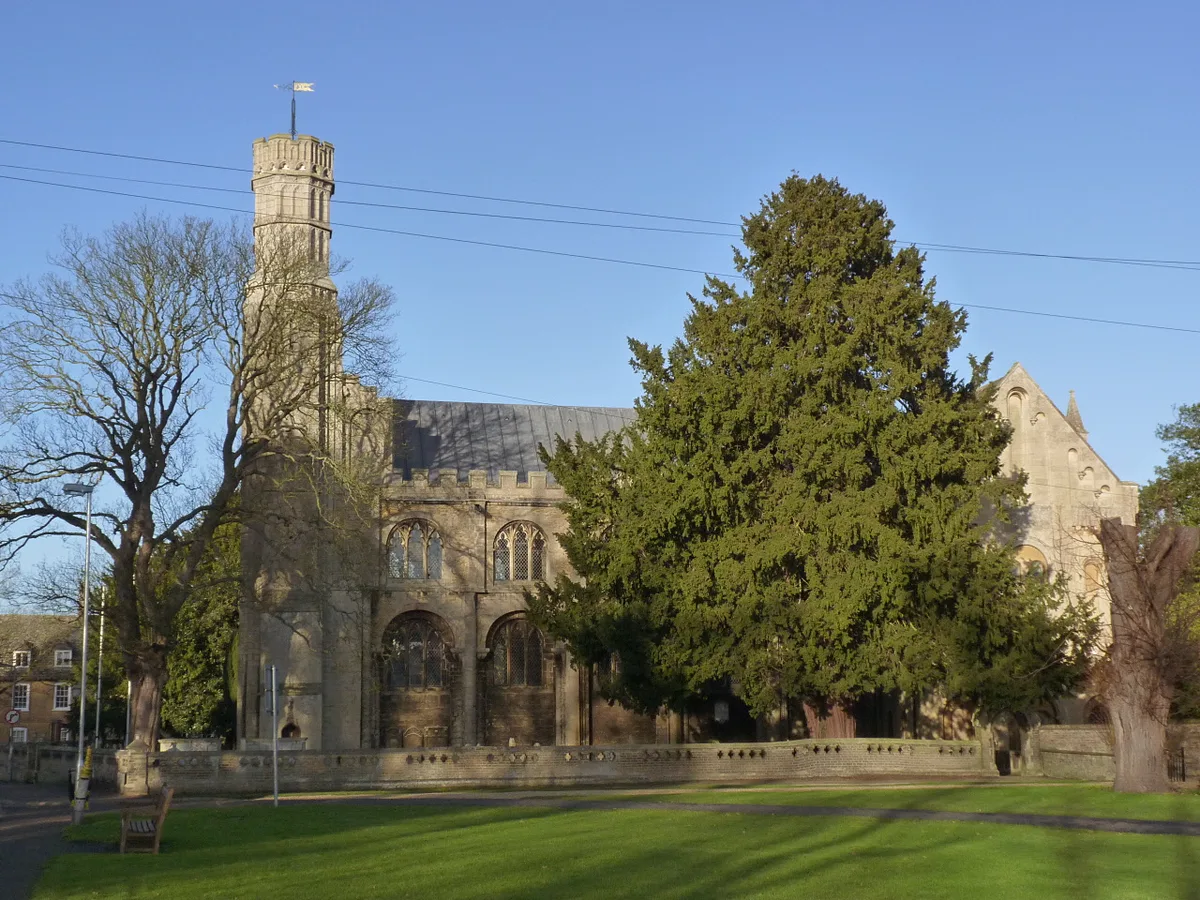 📷 5
📷 5Abbeys & priories · East Midlands
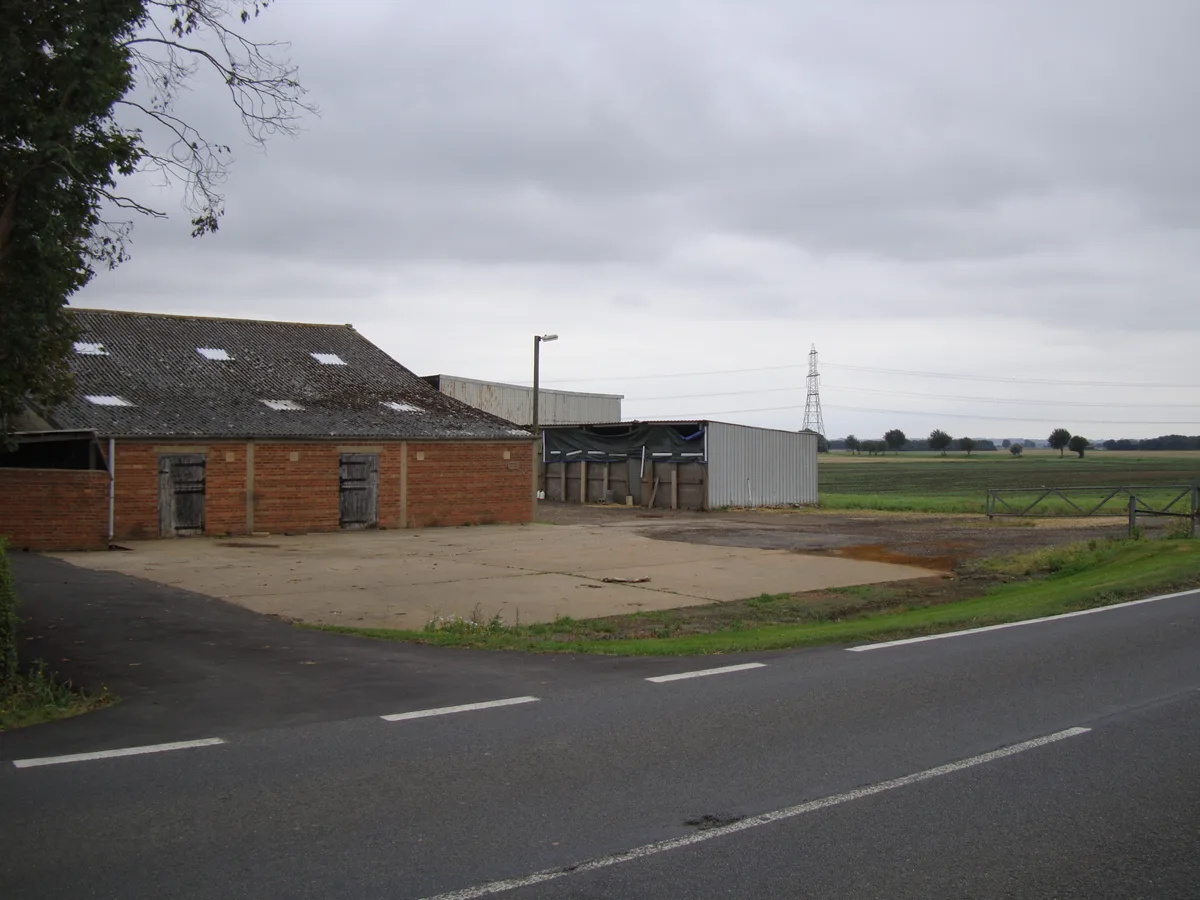
Thorney Abbey
Thorney Abbey — abbey in Thorney, Cambridgeshire, England, UK.
 📷 5
📷 5Abbeys & priories · East Midlands
St Leonard's Priory (remains of)
St Leonard's Priory (remains of) — an abbey in East Midlands, United Kingdom.
Frequently asked questions
- Where is Tupholme Abbey: a Premonstratensian abbey and post-medieval houses and formal gardens?
- Tupholme Abbey: a Premonstratensian abbey and post-medieval houses and formal gardens is in Lincolnshire, the East Midlands, United Kingdom (postcode LN3 5TQ), in the parish of Tupholme.
- What is Tupholme Abbey: a Premonstratensian abbey and post-medieval houses and formal gardens?
- Tupholme Abbey: a Premonstratensian abbey and post-medieval houses and formal gardens — scheduled monument-listed abbey in england-east-midlands, United Kingdom.
- How do I get to Tupholme Abbey: a Premonstratensian abbey and post-medieval houses and formal gardens?
- The nearest railway station is Metheringham, about 9.5 km away. The nearest town is Bardney. Drivers can use postcode LN3 5TQ.
- Is Tupholme Abbey: a Premonstratensian abbey and post-medieval houses and formal gardens a listed building?
- Tupholme Abbey: a Premonstratensian abbey and post-medieval houses and formal gardens is officially recognised as scheduled monument listed.
- Is Tupholme Abbey: a Premonstratensian abbey and post-medieval houses and formal gardens a protected site?
- Yes — Tupholme Abbey: a Premonstratensian abbey and post-medieval houses and formal gardens is part of the Bardney Limewoods, Lincolnshire SSSI Site of Special Scientific Interest and the BARDNEY LIMEWOODS National Nature Reserve.
- How do I get to Tupholme Abbey: a Premonstratensian abbey and post-medieval houses and formal gardens?
- Drivers can navigate to postcode LN3 5TQ. It sits within the Louth and Horncastle parliamentary constituency.