
Memorials & monuments · London
Thomas Earnshaw
In or near Covent Garden.
Thomas Earnshaw — a memorial in London, United Kingdom.

ceridwen — CC BY-SA 2.0 via Wikimedia Commons licence

Plan your visit
- Typical visit
- 15 min–45 min
- Nearest railway station
- Holborn · 0.1 km
- Free entry
- Dog-friendly
Getting there & planning your visit
To visit the Thomas Earnshaw memorial, you can get to Holborn station, which is just 0.1 km away. Entry is free, but please note that the site is not wheelchair accessible.
About
Thomas Earnshaw is a memorial located in London, United Kingdom. Sourced from OpenStreetMap (ODbL licence); see local listings for visitor information, opening hours and admission details.
Photo gallery
Official information
Sir John Soane's Museum is the historic house and museum of the renowned architect Sir John Soane, preserved as it was at the time of his death in 1837. Visitors can explore a vast collection of antiquities, furniture, sculptures, and architectural models within the museum's unique setting.
From the Wikipedia article
Thomas Earnshaw (4 February 1749 – 1 March 1829) was an English watchmaker who, following John Arnold's earlier work, further simplified the process of marine chronometer production, making them available to the general public. He is also known for his improvements to the transit clock at the Royal Greenwich Observatory in London and his invention of a chronometer escapement and a form of bimetallic compensation balance. In 1780, he devised a modification to the detached chronometer escapement, the detent being mounted on a spring instead of on pivots. This spring detent escapement was patented by Thomas Wright (for whom he worked) in 1783. Whilst initially the design was crude and unsuccessful, with modifications it later became the standard form in marine chronometers, following the invention of the detent escapement by Pierre Le Roy in 1748. John Arnold also invented a similar escapement in 1782. In 1805, Earnshaw and Arnold were granted awards by the Board of Longitude for their improvements to chronometers; Earnshaw received £2500 and John Arnold's son John Roger Arnold received £1672. The bimetallic compensation balance and the spring detent escapement in the forms designed by Earnshaw have been used essentially universally in marine chronometers since then, and for this reason Earnshaw is generally regarded as one of the pioneers of chronometer development. Although he was principally a watchmaker, he did not shy away from building clocks. When asked by Nevil Maskelyne, he produced a clock for the Armagh Observatory. This clock incorporated Earnshaw's new design of escapement and had a number of novel features, including an airtight case (designed to reduce dust and draughts). It was highly praised by John Thomas Romney Robinson in the 19th century, who at that time believed it to be the most accurate clock in the world. In 1794, its purchase price was £100 and Earnshaw charged £100 to travel with it to Armagh and set it up in the new Observatory. The Observatory also purchased Earnshaw's second clock which was operated at sidereal rate with Edward Troughton's Equatorial Telescope.
Excerpt from Wikipedia under CC BY-SA 4.0. See the source article linked in Sources below.
- Coordinates
- 51.5177, -0.1202
- District
- Camden
- Parish
- Camden, unparished area
- Postcode
- WC1V 6RD
- Parliamentary constituency
- Holborn and St Pancras
- Nearest railway station
- Holborn — 0.1 km
- Opening
- Wednesday to Sunday, 10am–5pm; closed Monday and Tuesday
Sources
- osm: node/7964076185 (ODbL)
- wikipedia: Thomas Earnshaw (CC BY-SA 4.0)
Other places nearby

Baptist Church House Kingsgate House
Historic houses · 0.0 km

Weston's Music Hall
Open-air theatres · 0.0 km

National Hall, Holborn
Gardens · 0.0 km

Rene Tkacik Memorial
Memorials & monuments · 0.1 km

Embassy Cinema, High Holborn
Theatres · 0.1 km
William Richard Lethaby
Memorials & monuments · 0.1 km

Dr Hammer
Cafés · 0.1 km
The Hoxton
Hotels · 0.1 km
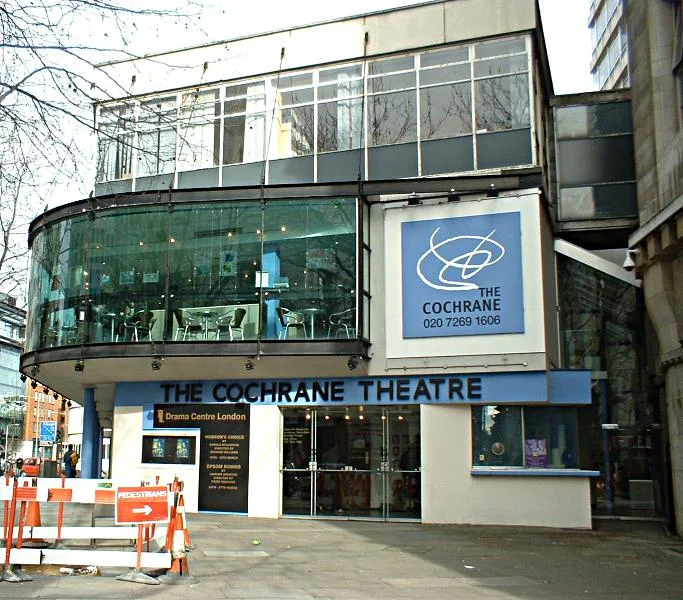
The Cochrane Theatre
Theatres · 0.2 km

Fenner Brockway
Memorials & monuments · 0.2 km
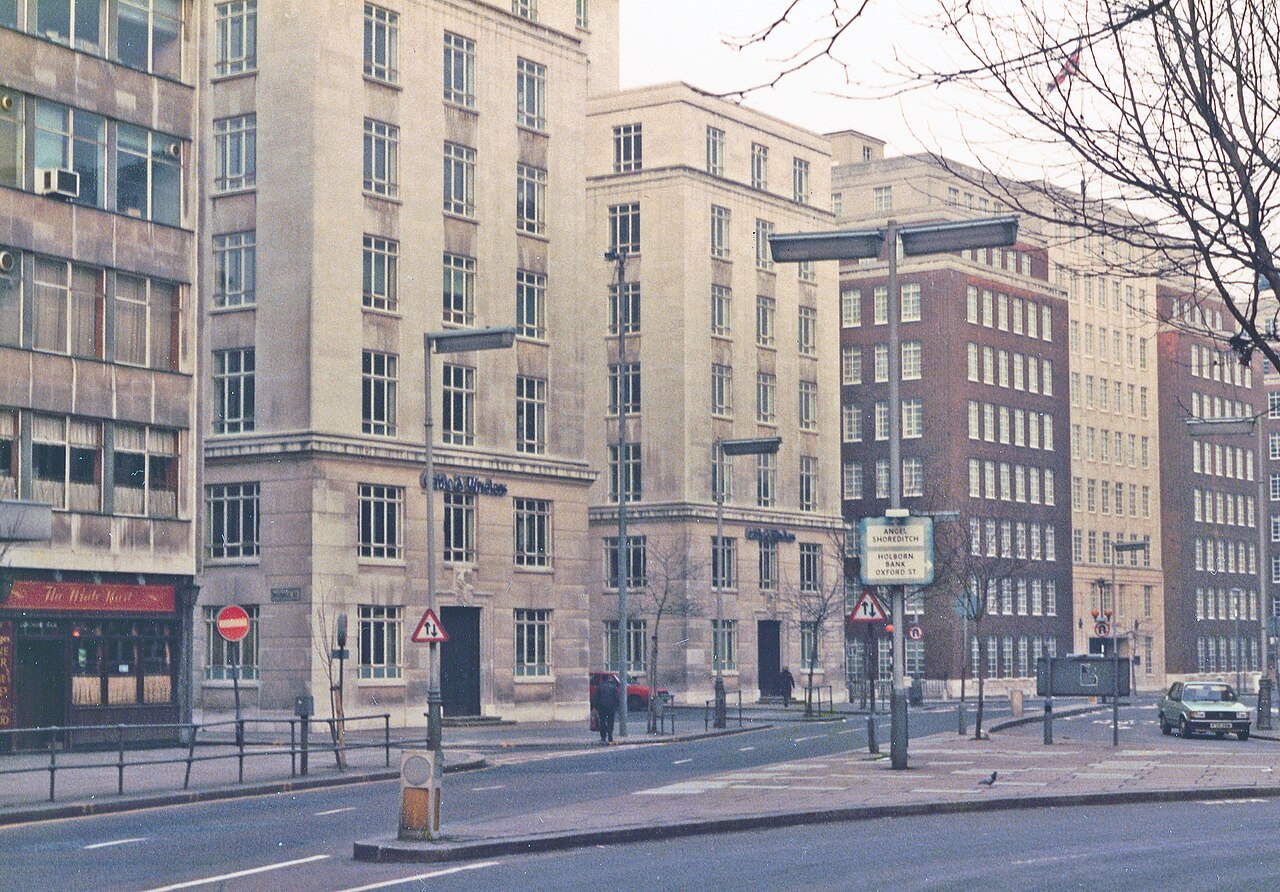
Cochrane Theatre
Open-air theatres · 0.2 km

Holborn Theatre
Open-air theatres · 0.2 km
Nearby
📷 5Historic houses · London
Baptist Church House Kingsgate House
Baptist Church House Kingsgate House — house in London Borough of Camden, Greater London, England, UK.
📷 5Open-air theatres · London
Weston's Music Hall
Weston's Music Hall — a open-air theatre in england london.
📷 5Gardens · London
National Hall, Holborn
National Hall, Holborn — a garden in england-london, United Kingdom.
📷 5Memorials & monuments · London
Rene Tkacik Memorial
Rene Tkacik Memorial — a memorial in London, United Kingdom.
📷 5Theatres · London
Embassy Cinema, High Holborn
Embassy Cinema, High Holborn — a cinema heritage in england-london, United Kingdom.
📷 5Memorials & monuments · London
William Richard Lethaby
William Richard Lethaby — a memorial in London, United Kingdom.
Where to eat & stay near Thomas Earnshaw
Places to stay
📷 7 📷 7
📷 7 📷 5
📷 5Hotels · London
NYX Hotel London Holborn
NYX Hotel London Holborn — a hotel in england london.
 📷 5
📷 5 📷 5
📷 5Hotels · London
Thistle Holborn, The Kingsley
Thistle Holborn, The Kingsley — a hotel in england london.
 📷 7
📷 7Hotels · London
DoubleTree by Hilton Hotel London - West End
DoubleTree by Hilton Hotel London - West End — a hotel in england london. 4-star. Brand: DoubleTree.
Places to eat & drink
📷 5 📷 5
📷 5 📷 5
📷 5 📷 5
📷 5Historic pubs · London
Museum Tavern
Museum Tavern in England London, United Kingdom.
 📷 5
📷 5 📷 5
📷 5Restaurants · London
Sarastro Restaurant
Sarastro Restaurant — a restaurant in england london.
More memorials in this region
.jpg?width=1200) 📷 5
📷 5Memorials & monuments · London
1st Surrey Rifles War Memorial
1st Surrey Rifles War Memorial is a memorial in the United Kingdom.
 📷 5
📷 5Memorials & monuments · London
24th East Surrey Division War Memorial
24th East Surrey Division War Memorial is a memorial in the United Kingdom.
 📷 5
📷 5Memorials & monuments · London
Abney Park Cemetery CWGC Cross
Abney Park Cemetery CWGC Cross is a memorial in the United Kingdom.
 📷 5
📷 5Memorials & monuments · London
Admiral Sir John Franklin
Admiral Sir John Franklin is a memorial in the United Kingdom.
Frequently asked questions
- Where is Thomas Earnshaw?
- Thomas Earnshaw is in London, United Kingdom (postcode WC1V 6RD), in the parish of Camden, unparished area.
- What is Thomas Earnshaw?
- Thomas Earnshaw — a memorial in London, United Kingdom.
- How do I get to Thomas Earnshaw?
- The nearest railway station is Holborn, about 0.1 km away. The nearest town is Covent Garden. Drivers can use postcode WC1V 6RD.
- Is Thomas Earnshaw free to visit?
- Yes, Thomas Earnshaw is free to enter.
- How do I get to Thomas Earnshaw?
- The nearest railway station is Holborn, about 0.1 km away. Drivers can navigate to postcode WC1V 6RD.