
Historic churches · London
St Paul's Church, Covent Garden
Also known as: Eglwys Sant Paul, Covent Garden
In or near Covent Garden.
St Paul's Church, Covent Garden — church in Covent Garden, London, England, UK.

Wikimedia Commons contributors — see linked file page for photographer and licence licence

Plan your visit
- Typical visit
- 30 min–1 h
- Nearest railway station
- Covent Garden · 0.2 km
- Free entry
- Wheelchair accessible
Getting there & planning your visit
St Paul's Church, Covent Garden is located at postcode WC2E 8HN, with the nearest railway station being Covent Garden, just 0.2 km away. Entry is free, and the church is wheelchair accessible.
About
St Paul's Church, Covent Garden is a historic church in the United Kingdom. Records date its origin to 1633. Designed by Inigo Jones. Built in the classical architecture style. Heritage designation: Grade I listed building. Affiliated with Anglicanism. Named after Paul the Apostle. Wikidata describes it as: "church in Covent Garden, London, England, UK". Coordinates: 51.5114°, -0.1242°.
Photo gallery
See it from the streetimagery from 2022
Imagery © Mapillary contributors, CC BY-SA 4.0
Heritage listing
St Paul's Church is a Church of England parish church located in Bedford Street, Covent Garden, central London. It was designed by Inigo Jones as part of a commission for the 4th Earl of Bedford in 1631 to create "houses and buildings fit for the habitations of Gentlemen and men of ability". Initially serving as an auxiliary chapel for the St. Martin-in-the-Fields parish, it was raised to a parish church with a dedication to Saint Paul in 1646, as the Covent Garden district expanded. The church is nicknamed "the actors' church" by a long association with the theatre community, particularly in the West End. Completed in 1633, St Paul's was the first entirely new church to be built in London since the Reformation.
From the Historic England List Entry under OGL v3.
Official information
St Paul's Church, known as The Actors' Church, is located in Covent Garden and has been a part of the community since 1633. Visitors can explore its rich history and participate in various church services and events throughout the week.
From the Wikipedia article
St Paul's Church is a Church of England parish church located in Bedford Street, Covent Garden, central London. It was designed by Inigo Jones as part of a commission for the 4th Earl of Bedford in 1631 to create "houses and buildings fit for the habitations of Gentlemen and men of ability". Initially serving as an auxiliary chapel for the St. Martin-in-the-Fields parish, it was raised to a parish church with a dedication to Saint Paul in 1646, as the Covent Garden district expanded. The church is nicknamed "the actors' church" by a long association with the theatre community, particularly in the West End. Completed in 1633, St Paul's was the first entirely new church to be built in London since the Reformation. Its design and the layout of the square have been attributed to Inigo Jones since the 17th century, although firm documentary evidence is lacking. According to an often repeated story, recorded by Horace Walpole, Lord Bedford asked Jones to design a simple church "not much better than a barn", to which the architect replied "Then you shall have the handsomest barn in England". Jones's design closely follows the description of an Etruscan-style temple by Ancient Roman architect Vitruvius, which reflects the early forms of Roman temple. These essentially continued Etruscan architecture, though quite what Vitruvius intended by his account has divided modern scholars. The building is described by Sir John Summerson as "a study in the strictly Vitruvian Tuscan Order" and "almost an archaeological exercise". It has been seen as a work of deliberate primitivism: the Tuscan order having been associated by Renaissance architect Palladio with agricultural buildings. The temple front with a portico on the square has never in fact been the main entrance, although this may have been Jones's first intention. The altar lies behind this wall, and the entrance is at the far end to this. The stone facing of this facade is also later; originally it was apparently brick with…
Excerpt from Wikipedia under CC BY-SA 4.0. See the source article linked in Sources below.
Background
History
| territorial_extent = England and Wales | royal_assent = 29 December 1660 | commencement = 25 April 1660 | repeal_date = | repealing_legislation = | related_legislation = | status = Current | original_text = | collapsed = yes }} In 1630, the 4th Earl of Bedford was given permission to demolish buildings on an area of land he owned north of the Strand, and redevelop it. The result was the Covent Garden Piazza, the first formal square in London. The new buildings were classical in character. At the west end was a church, linked to two identical houses. The south side was left open. Work on the church was completed in 1633, at a cost to the Bedford estate of £4,886, but it was not consecrated…
Architecture
, before 1677]] painted in 1737 by Balthazar Nebot]] The east end, facing the piazza, is now faced in stone, with a massive portico, its boldly-projecting pediment supported by two columns and two piers. There were originally three doorways behind the portico; the middle one, which survives, was built as a false door as the interior wall behind it is occupied by the altar. William Prynne, writing in 1638 said that it was originally intended to have the altar at the west end, but pressure from the church hierarchy led to the imposition of the traditional orientation. The 9th Duke of Bedford's architect.
Description
St Paul's connection with the theatre began as early as 1663 with the establishment of the Theatre Royal, Drury Lane, and was further assured in 1723 with the opening of Covent Garden Theatre, now the Royal Opera House. On 9 May 1662, Samuel Pepys noted in his diary the first "Italian puppet play" under the portico—the first recorded performance of "Punch and Judy", a fact commemorated by the annual MayFayre service in May. The portico of St Paul's was the setting for the first scene of Shaw's Pygmalion, the play that was later adapted as My Fair Lady. Since 2007 St Paul's has been home to its own in-house professional theatre company, Iris Theatre, originally created to mount a production…
Sourced from Wikipedia under CC BY-SA 4.0.
- Coordinates
- 51.5114, -0.1242
- District
- Westminster
- Parish
- Westminster, unparished area
- Postcode
- WC2E 8HN
- Parliamentary constituency
- Cities of London and Westminster
- Phone
- 0207 836 5221
- Established
- 1633
- Nearest railway station
- Covent Garden — 0.2 km
- Opening
- Weekdays 9am–5:30pm; closed for events and maintenance
- Official site
- www.actorschurch.org
Sources
- wikidata: Q385521 (CC0)
- wikipedia: St Paul's, Covent Garden (CC BY-SA 4.0)
- commons: St. Paul's Church, Covent Garden, London.jpg (CC BY-SA 4.0)
Other places nearby

Covent Garden Piazza
Public art & sculpture · 0.0 km
Covent Garden
Towns & cities · 0.0 km

William Shipley
Memorials & monuments · 0.0 km

Covent Garden Cinema Club
Theatres · 0.0 km
Thomas Arne
Memorials & monuments · 0.0 km

Alginate House
Historic houses · 0.1 km

Henrietta Hotel
Hotels · 0.1 km

Elephant
Public art & sculpture · 0.1 km

43 King Street
Theatres · 0.1 km

Anne Frank's Tree
Memorials & monuments · 0.1 km

Rules
Historic houses · 0.1 km
.jpg?width=1200)
The Lamb and Flag
Historic pubs · 0.1 km
Nearby
📷 5Public art & sculpture · London
Covent Garden Piazza
Covent Garden Piazza — a public art in england-london, United Kingdom.
★ Iconic📷 10📷 5Memorials & monuments · London
William Shipley
William Shipley — a memorial in england-london, United Kingdom.
📷 5Theatres · London
Covent Garden Cinema Club
Covent Garden Cinema Club — a cinema heritage in england-london, United Kingdom.
📷 5Memorials & monuments · London
Thomas Arne
Thomas Arne — a memorial in england-london, United Kingdom.
📷 5Historic houses · London
Alginate House
Alginate House — house in Westminster, London, England, UK.
Where to eat & stay near St Paul's Church, Covent Garden
Places to stay
📷 7 📷 7
📷 7Hotels · London
St Martins Lane Hotel
St Martins Lane Hotel — a hotel in england london.
 📷 5
📷 5Hotels · London
Strand Palace Hotel
Strand Palace Hotel — a hotel in england london.
 📷 5📷 5
 📷 5
📷 5Places to eat & drink
📷 5Historic pubs · London
The Lamb and Flag
The Lamb and Flag — Historic pub — listed building or notable heritage status.
 📷 5
📷 5 📷 5
📷 5 ★ Iconic📷 10
Historic pubs · London
The Lamb and Flag
Covent Garden's oldest pub — Dickens drank here, Dryden was attacked outside.
 📷 5
📷 5Historic pubs · London
Nell Gwynne Tavern
Nell Gwynne Tavern in England London, United Kingdom.
 📷 5
📷 5Other works by Inigo Jones
 📷 5
📷 5Historic churches · London
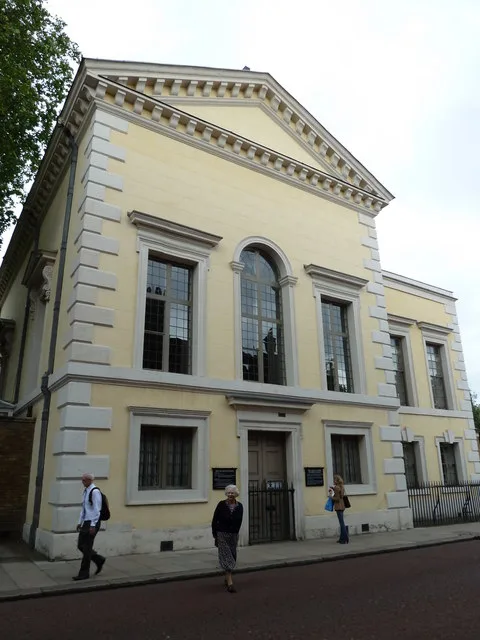
Queen's Chapel
Queen's Chapel — church building in Westminster, London, England, UK.
 📷 5
📷 5 📷 5
📷 5Historic houses · London
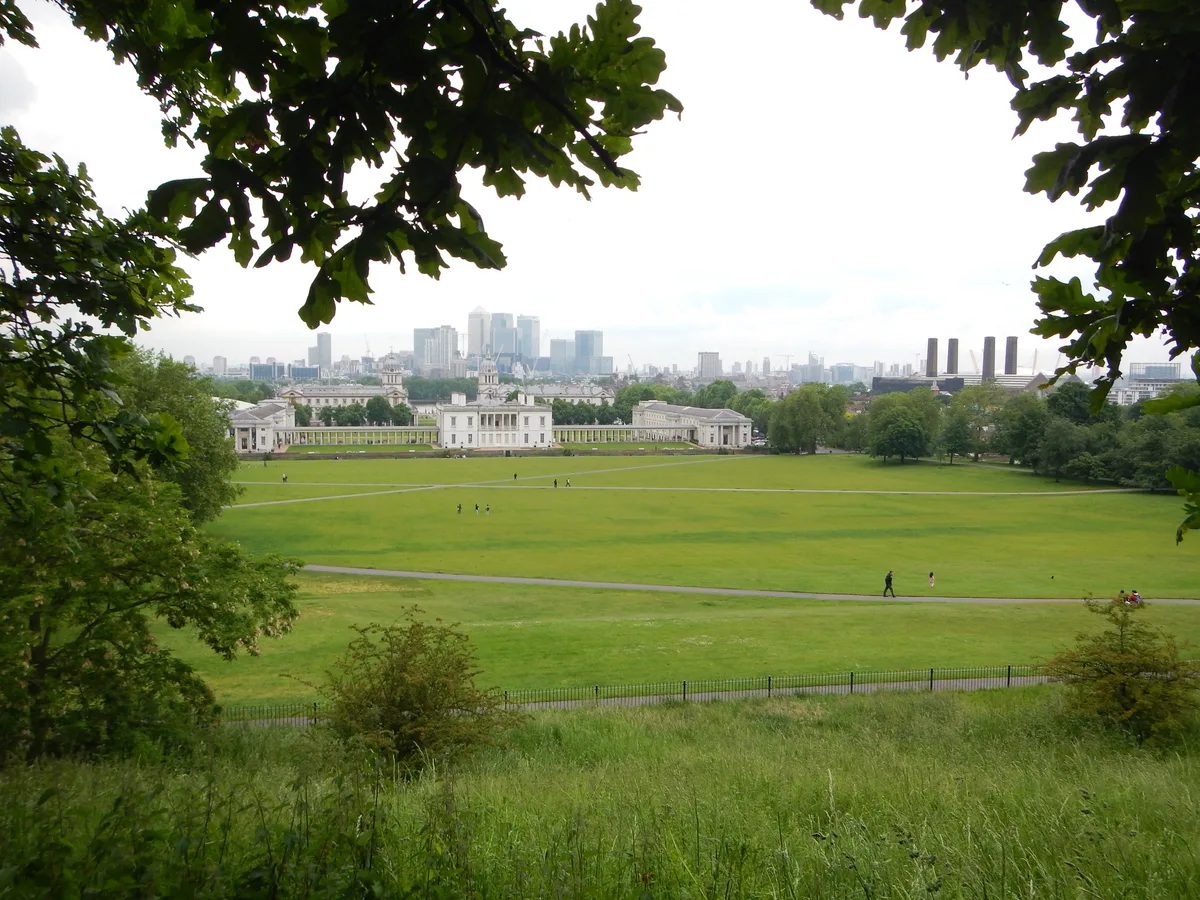
Inigo Jones's Gateway In Chiswick Park
Inigo Jones's Gateway In Chiswick Park — a Grade I-listed historic house in england-london, United Kingdom.
 📷 5
📷 5Other places from this era
 📷 5
📷 5Historic churches · London
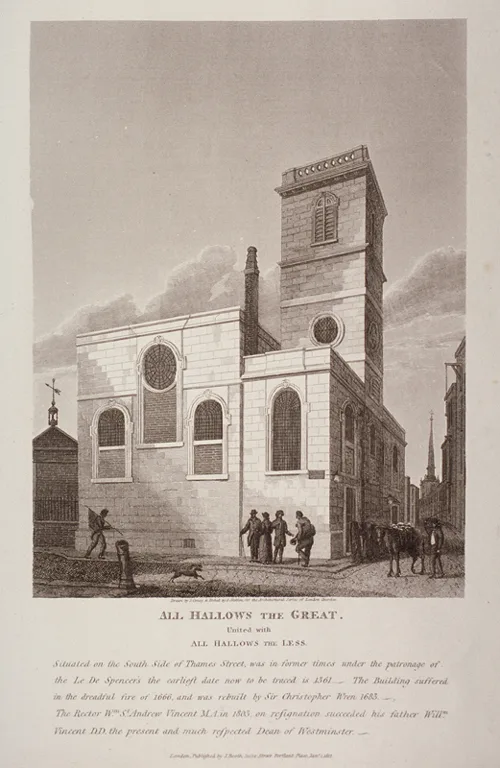
All-Hallows-the-Great
All-Hallows-the-Great — church in City of London, UK.
 📷 5
📷 5Historic churches · London
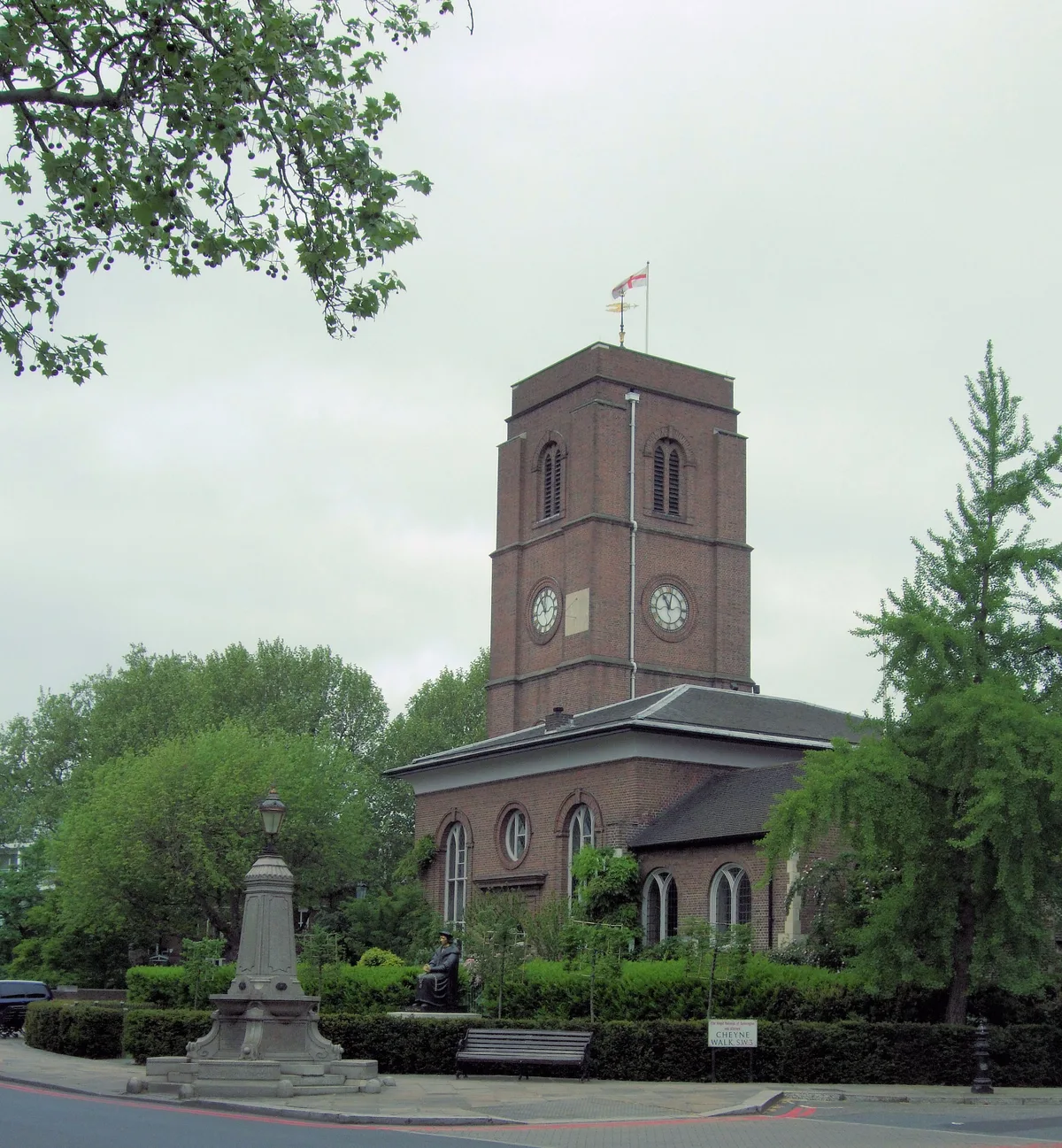
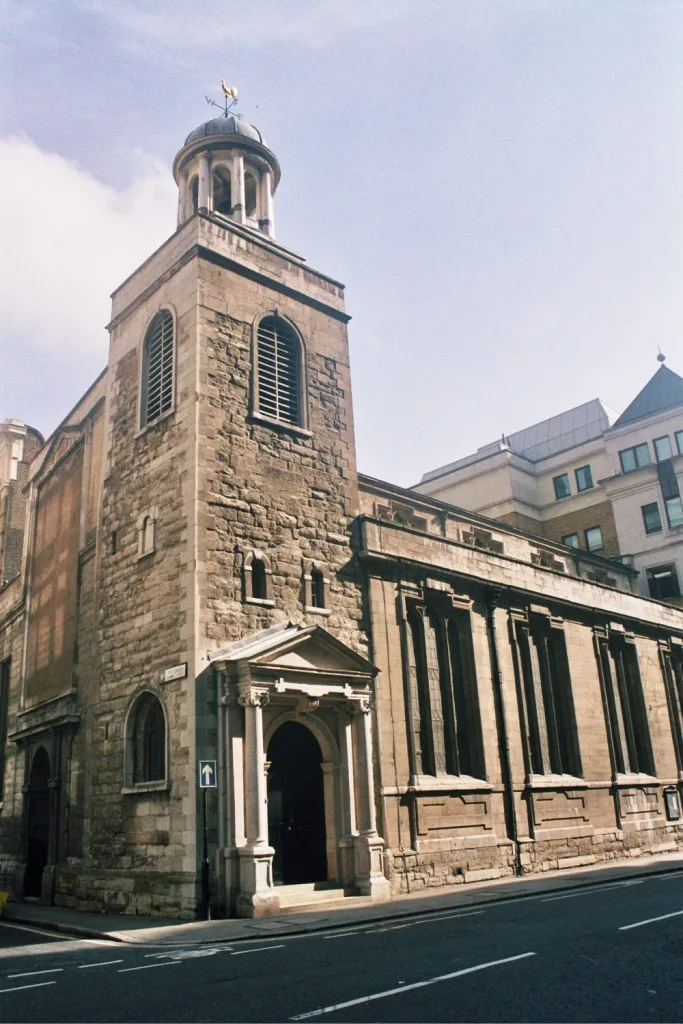
Chelsea Old Church
Chelsea Old Church — church in Royal Borough of Kensington and Chelsea, UK.
 📷 5
📷 5Historic churches · London
Church of St Katharine Cree, London
Church of St Katharine Cree, London — church in City of London, UK.
 📷 5
📷 5Historic churches · London
Church of St Lawrence, Little Stanmore
Church of St Lawrence, Little Stanmore — church of England church in Stanmore, London.
More places in this region
 📷 5
📷 5Historic churches · London
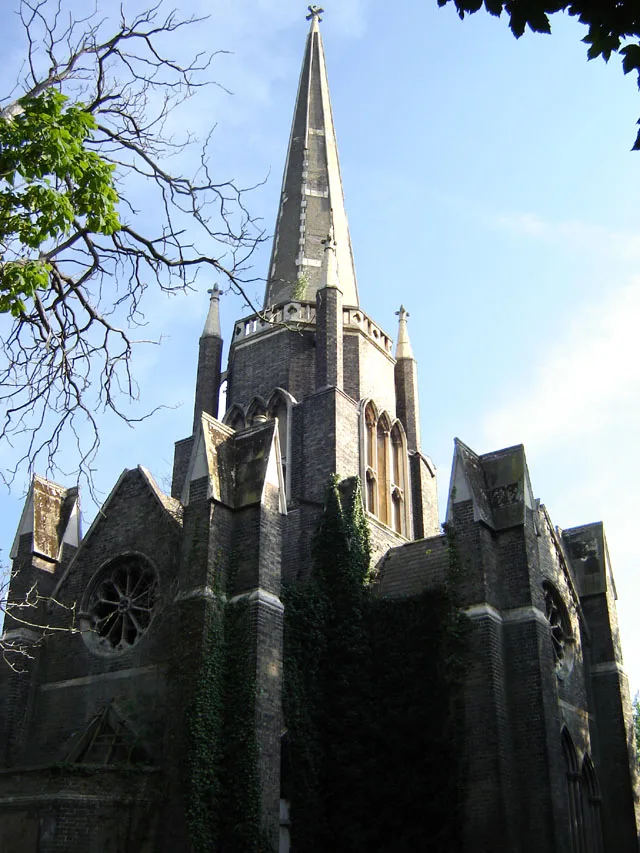
Abney Park Chapel
Abney Park Chapel — grade II listed church in the London Borough of Hackney, England,UK.
 📷 5
📷 5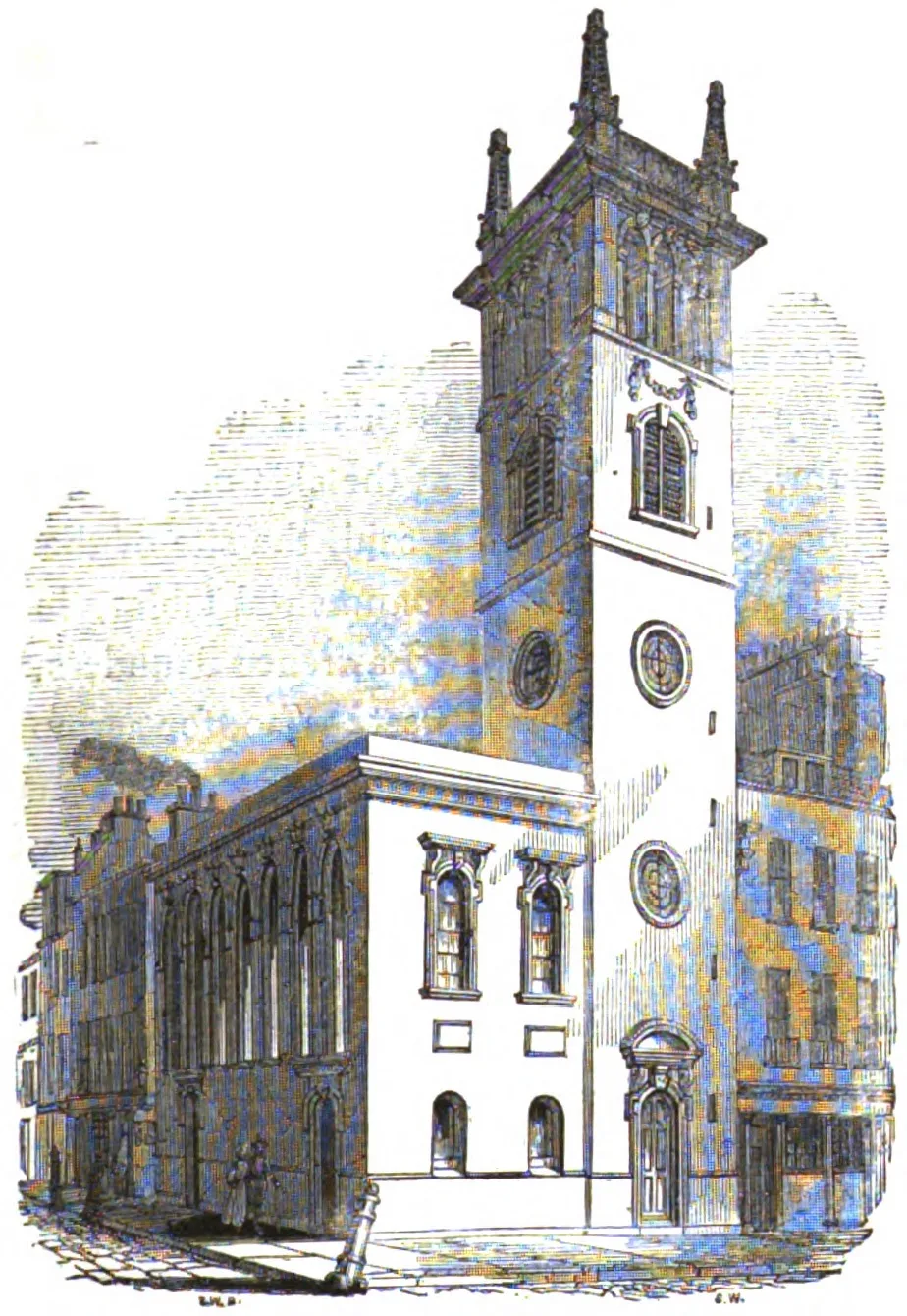 📷 5
📷 5Historic churches · London
All Hallows Bread Street
All Hallows Bread Street — church in City of London, UK.
 📷 5
📷 5Historic churches · London
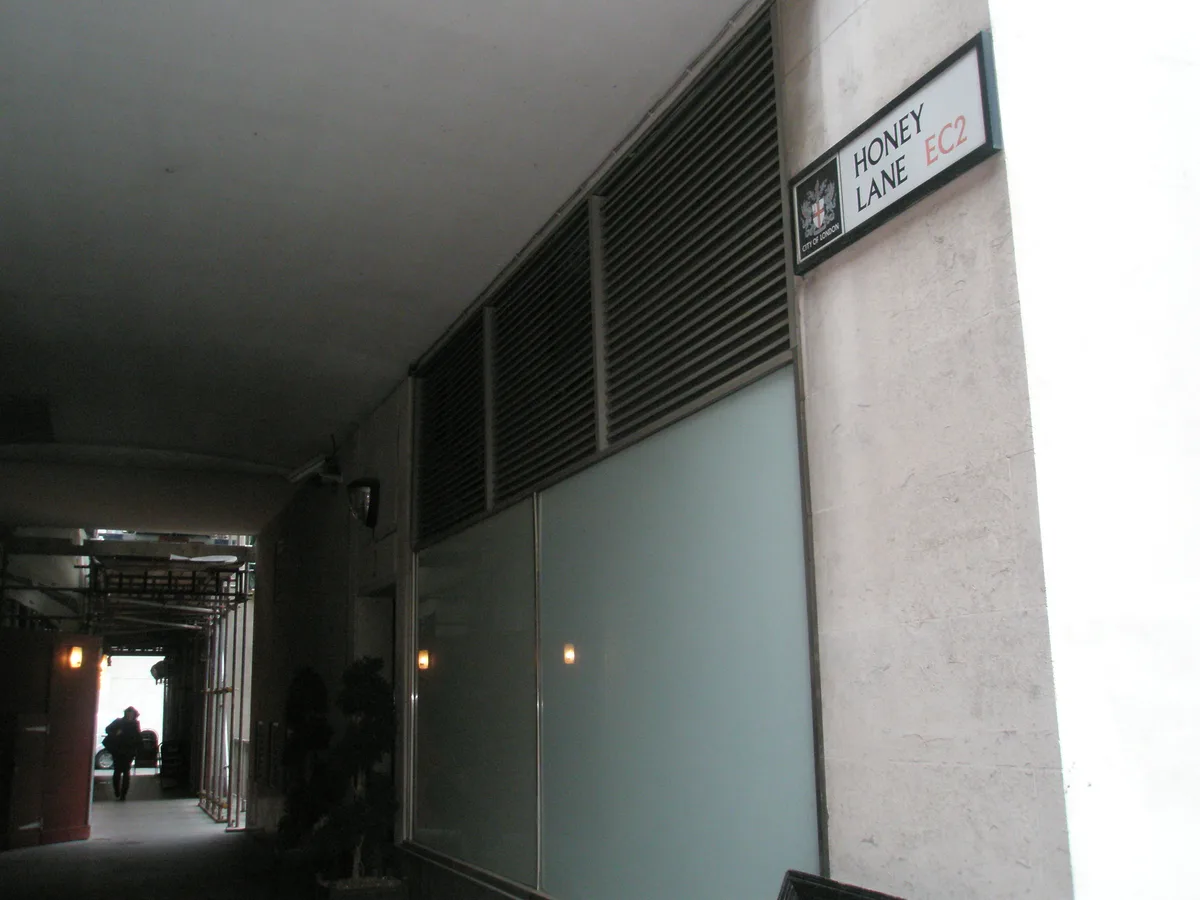
All Hallows Honey Lane
All Hallows Honey Lane — church in City of London, UK.
Frequently asked questions
- Where is St Paul's Church, Covent Garden?
- St Paul's Church, Covent Garden is in London, United Kingdom (postcode WC2E 8HN), in the parish of Westminster, unparished area.
- What is St Paul's Church, Covent Garden?
- St Paul's Church, Covent Garden — church in Covent Garden, London, England, UK.
- How do I get to St Paul's Church, Covent Garden?
- The nearest railway station is Covent Garden, about 0.2 km away. The nearest town is Covent Garden. Drivers can use postcode WC2E 8HN.
- When was St Paul's Church, Covent Garden built?
- Built or established in 1633. Designed by Inigo Jones.
- Is St Paul's Church, Covent Garden a listed building?
- St Paul's Church, Covent Garden is officially recognised as Grade I listed building listed.
- Is St Paul's Church, Covent Garden free to visit?
- Yes, St Paul's Church, Covent Garden is free to enter.
- How do I get to St Paul's Church, Covent Garden?
- The nearest railway station is Covent Garden, about 0.2 km away. Drivers can navigate to postcode WC2E 8HN.