
Historic churches · North West England
St Matthew's Church, Little Lever
In or near Holcombe.
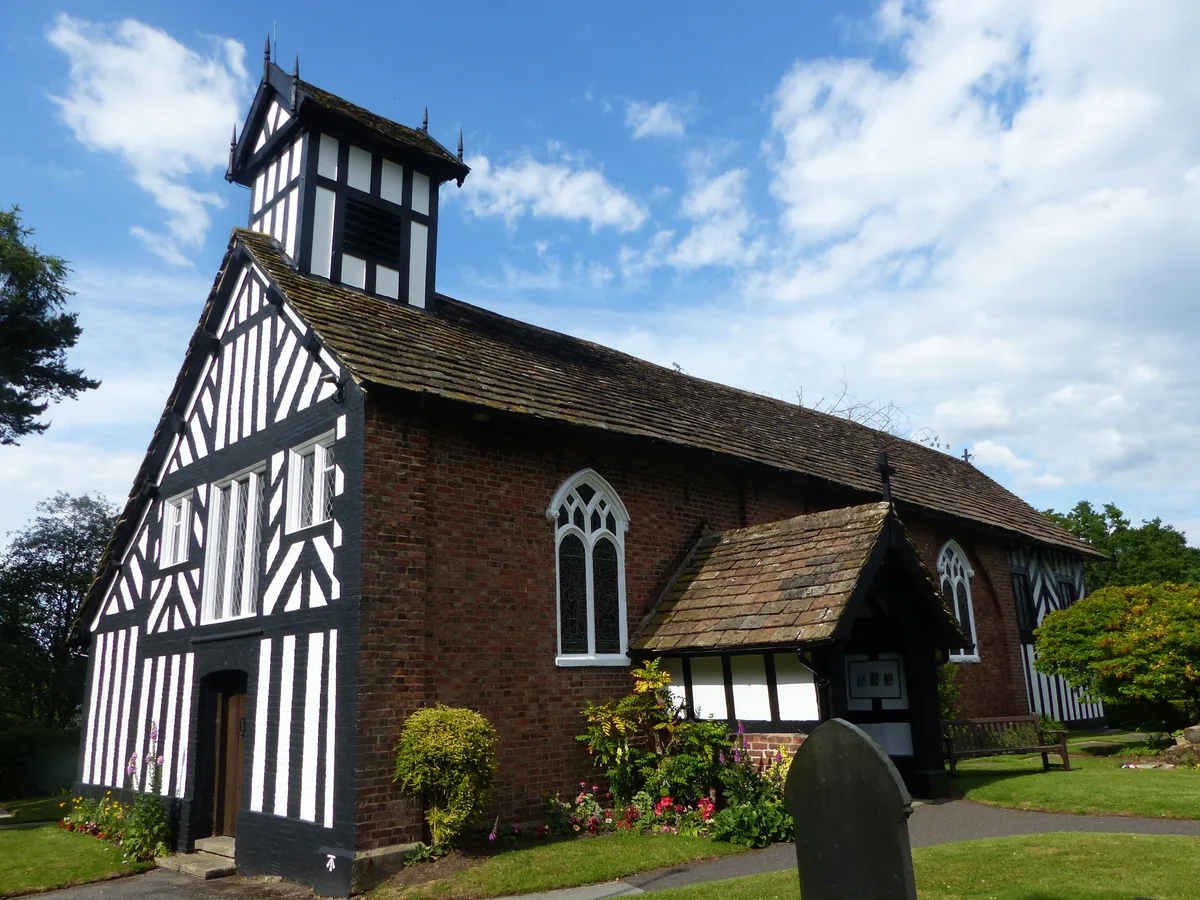
St Matthew's Church, Little Lever — grade II listed church in Bolton, Greater Manchester, England, UK.

Wikimedia Commons contributors — see linked file page for photographer and licence licence

Plan your visit
- Typical visit
- 30 min–1 h
- Nearest railway station
- Farnworth · 1.7 km
- Free entry
Getting there & planning your visit
To visit St Matthew's Church in Little Lever, the nearest railway station is Farnworth, located 1.7 km away. The postcode for sat-nav is BL3 1BD, and entry to the church is free.
About
St Matthew's Church, Little Lever is a historic church in the United Kingdom. Records date its origin to 1865. Designed by Edward Graham Paley. Built in the Gothic Revival style. Heritage designation: Grade II listed building. Affiliated with Anglicanism. Wikidata describes it as: "grade II listed church in Bolton, Greater Manchester, England, UK". Coordinates: 53.5628°, -2.3735°.
Photo gallery
Heritage listing
St Matthew's Church is in the village of Little Lever, Bolton, Greater Manchester, England. It is an active Anglican parish church in the deanery of Bolton, the archdeaconry of Bolton, and the diocese of Manchester. St Matthew's is recorded in the National Heritage List for England as a designated Grade II listed building.
From the Historic England List Entry under OGL v3.
From the Wikipedia article
St Matthew's Church is in the village of Little Lever, Bolton, Greater Manchester, England. It is an active Anglican parish church in the deanery of Bolton, the archdeaconry of Bolton, and the diocese of Manchester. St Matthew's is recorded in the National Heritage List for England as a designated Grade II listed building.
Excerpt from Wikipedia under CC BY-SA 4.0. See the source article linked in Sources below.
Background
History
St Matthew's was built in 1865 to replace an earlier church built in 1791 on the other side of the street. It was designed by the Lancaster architect E. G. Paley. The tower was increased in height in 1924 as a memorial to the First World War.
Architecture
In the chancel is a stone reredos, with stone panels containing the Ten Commandments and the Creed on each side, and a double sedilia. The choir stalls, organ front and screen are elaborately carved. The chancel is floored with Minton tiles. At the west end is a gallery, under which is a glazed screen.
Sourced from Wikipedia under CC BY-SA 4.0.
- Coordinates
- 53.5628, -2.3735
- District
- Bolton
- Parish
- Bolton, unparished area
- Postcode
- BL3 1BD
- Parliamentary constituency
- Bolton North East
- Established
- 1865
- Nearest railway station
- Farnworth — 1.7 km
- Official site
- www.saintmatthews.org.uk
Sources
- wikidata: Q7594697 (CC0)
- wikipedia: St Matthew's Church, Little Lever (CC BY-SA 4.0)
- commons: St Matthew's Church, Little Lever.jpg (CC BY-SA 4.0)
Other places nearby

Little Lever
Castles · 0.3 km
Little Lever Library War Memorial Plaque
Memorials & monuments · 0.3 km

Nob End
Wildlife reserves · 1.1 km
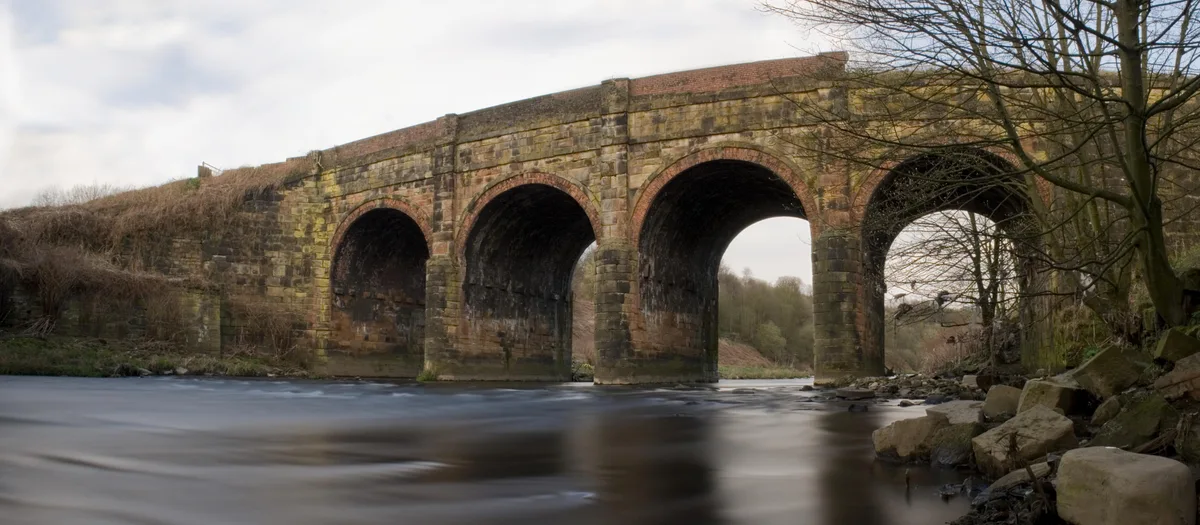
Prestolee Aqueduct
Aqueducts · 1.2 km

Prestolee Aqueduct
Historic bridges · 1.2 km

Pack Horse Bridge
Historic bridges · 1.2 km

Moses Gate Country Park
Parks · 1.2 km

Crompton Lodge Caravan Park
Caravan parks · 1.3 km

River Croal
Castles · 1.5 km

Kearsley Mill
Historic houses · 1.7 km
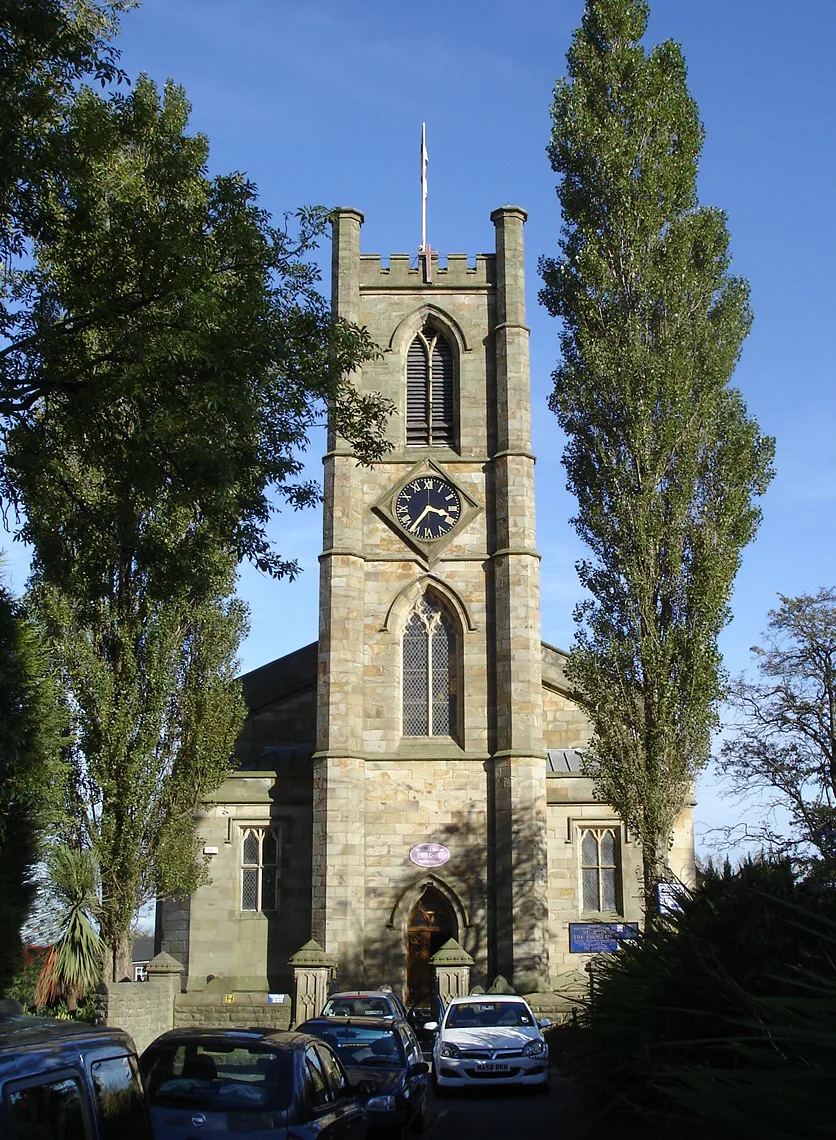
St John the Evangelist's Church, Farnworth
Historic churches · 1.8 km

Studio 1
Theatres · 1.9 km
Nearby
📷 5Castles · North West England
Little Lever
Little Lever — a castle in england-north-west, United Kingdom.
📷 3Memorials & monuments · North West England
Little Lever Library War Memorial Plaque
Little Lever Library War Memorial Plaque — Grade II listed building-listed memorial in england-north-west, United Kingdom.
📷 3Wildlife reserves · North West England
Nob End
Nob End — nature reserve in Greater Manchester, England.
📷 3Aqueducts · North West England
Prestolee Aqueduct
Prestolee Aqueduct — grade II listed bridge in Bolton, Greater Manchester, England, UK.
📷 3Historic bridges · North West England
Prestolee Aqueduct
Prestolee Aqueduct is a historic bridge in the United Kingdom.
📷 3Historic bridges · North West England
Pack Horse Bridge
Pack Horse Bridge is a historic bridge in the United Kingdom.
Where to eat & stay near St Matthew's Church, Little Lever
Places to stay
📷 5Caravan parks · North West England
Crompton Lodge Caravan Park
Crompton Lodge Caravan Park — a caravan park in england north west.
 📷 5
📷 5Campsites · North West England
Giants Seat Scout and Community Campsite
Giants Seat Scout and Community Campsite — a campsite in england north west.
 📷 5
📷 5Caravan parks · North West England
Brookdale Park
Brookdale Park — a caravan park in england north west.
 📷 5
📷 5Campsites · North West England
Burrs Country Park Caravan Club
Burrs Country Park Caravan Club — a campsite in england north west.
 📷 5
📷 5Campsites · North West England
Hollinwood Scout Camp
Hollinwood Scout Camp — a campsite in england west midlands.
 📷 7
📷 7Hotels · North West England
Red Hall Hotel
Red Hall Hotel — a hotel in england north west.
Places to eat & drink
 📷 5
📷 5Historic pubs · North West England
The Shakespeare
The Shakespeare in England North West, United Kingdom.
 📷 5
📷 5Historic pubs · North West England
Ye Olde Man & Scythe
Ye Olde Man & Scythe — Historic pub — listed building or notable heritage status.
 📷 7
📷 7Historic pubs · North West England
Old White Lion
Old White Lion in England North West, United Kingdom.
 📷 5
📷 5 📷 5
📷 5Historic pubs · North West England
Worsley Old Hall
Worsley Old Hall in England North West, United Kingdom.
 📷 5
📷 5Historic pubs · North West England
Church Inn
Church Inn in England North West, United Kingdom.
Other works by Edward Graham Paley
 📷 3
📷 3Historic churches · Yorkshire & the Humber
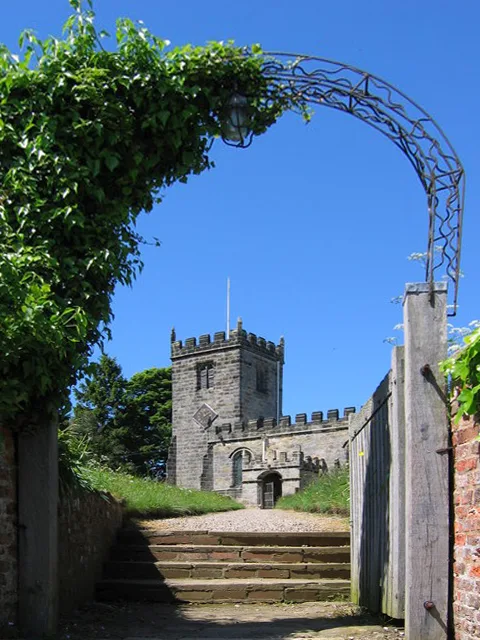
St Cuthbert's Church, Crayke
St Cuthbert's Church, Crayke — church in Crayke, North Yorkshire, England, UK.
 📷 3
📷 3Historic churches · Yorkshire & the Humber
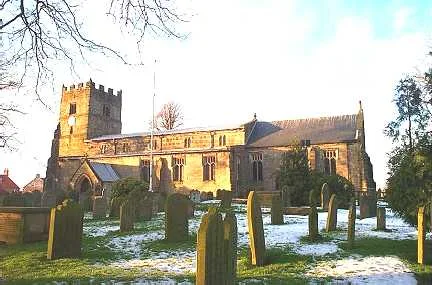
St John and All Saints' Church, Easingwold
St John and All Saints' Church, Easingwold — church in Easingwold, North Yorkshire, UK.
 📷 5
📷 5Historic churches · Yorkshire & the Humber
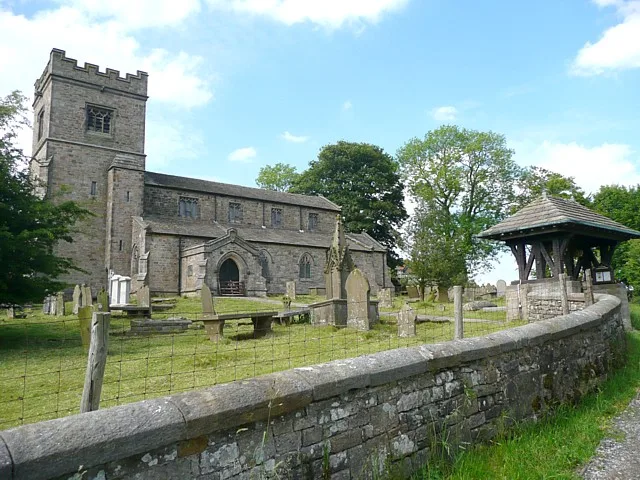
St Peter's Church, Rylstone
St Peter's Church, Rylstone — grade II listed church in Rylstone, Craven, North Yorkshire, England, UK.
 📷 3
📷 3Historic churches · North West England
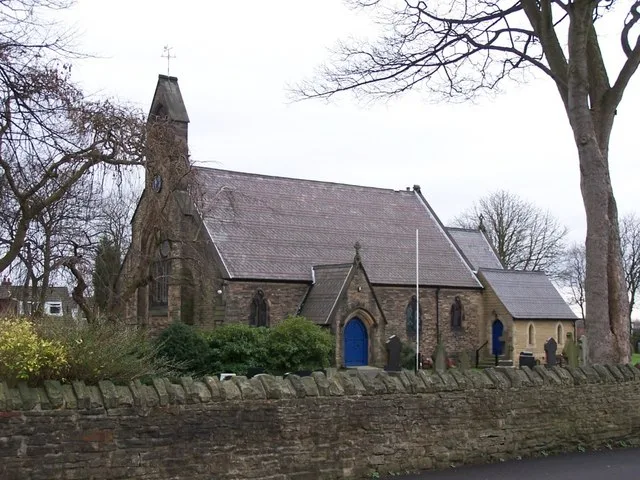
St Mary's Church, Lowton
St Mary's Church, Lowton — church in United Kingdom.
Other places from this era
 📷 5
📷 5Historic churches · London
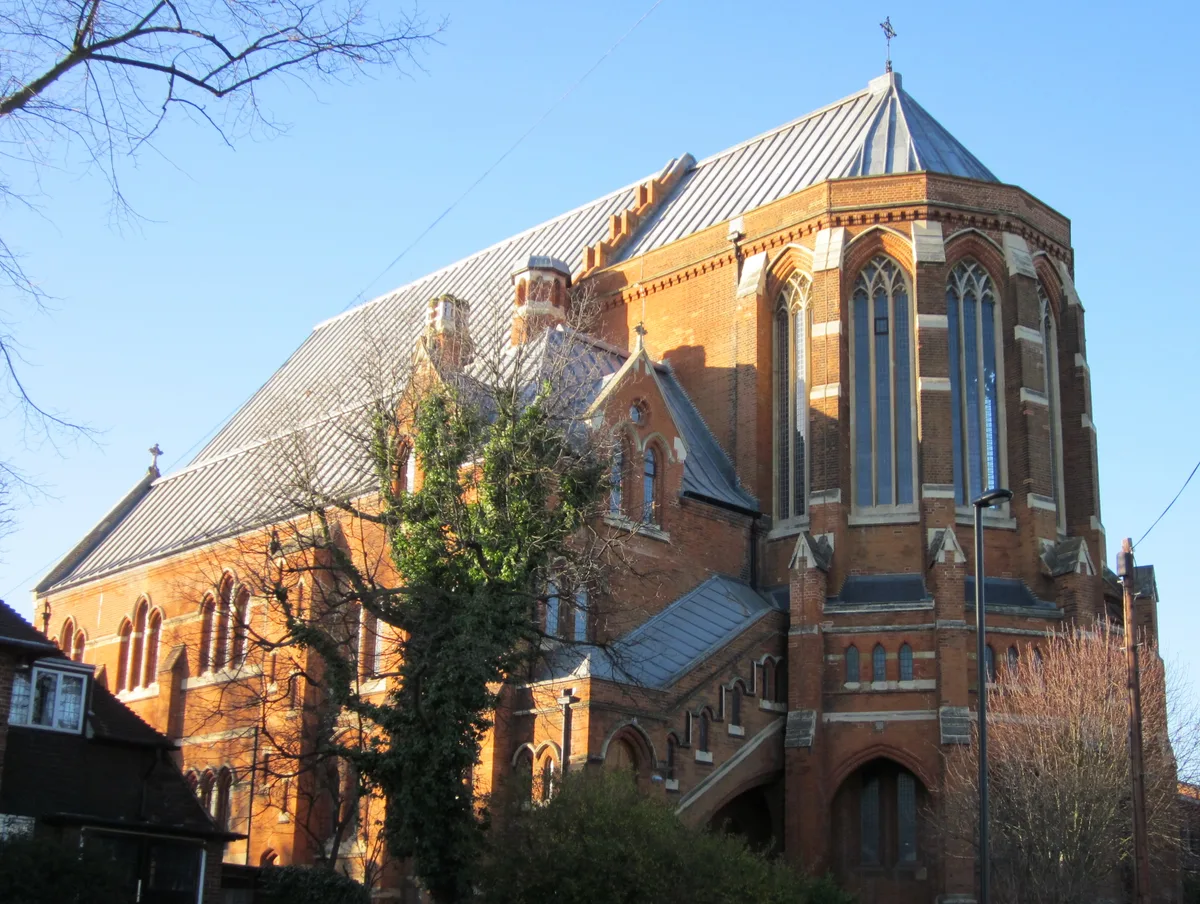
All Saints Church, West Dulwich
All Saints Church, West Dulwich — church in West Dulwich, London.
 📷 5
📷 5Historic churches · London
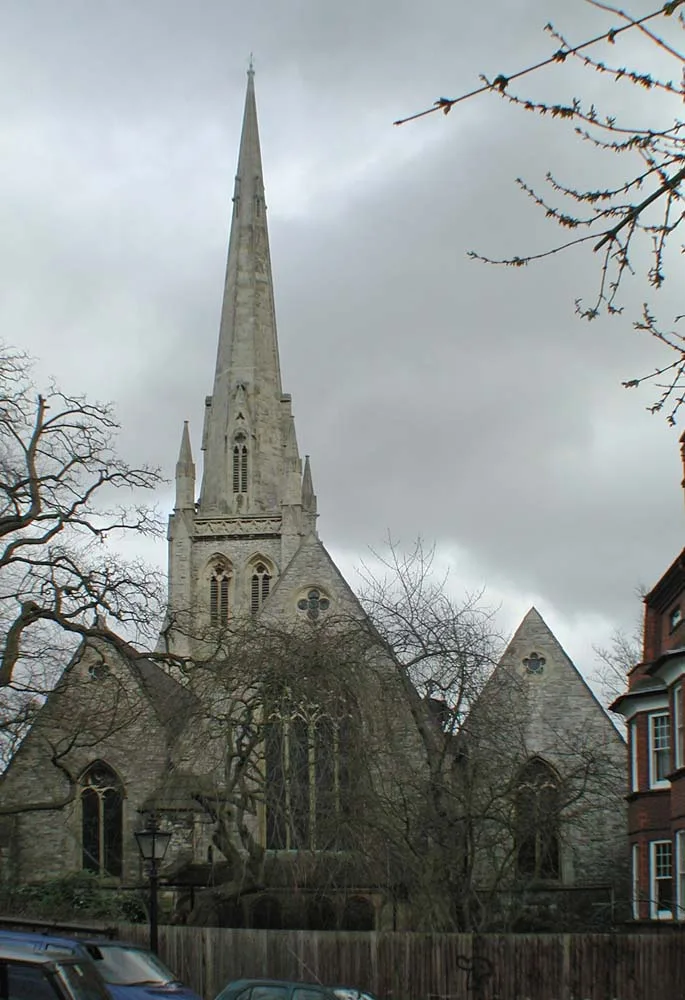
Christ Church
Christ Church — church in Hampstead, London.
 📷 5
📷 5Historic churches · London
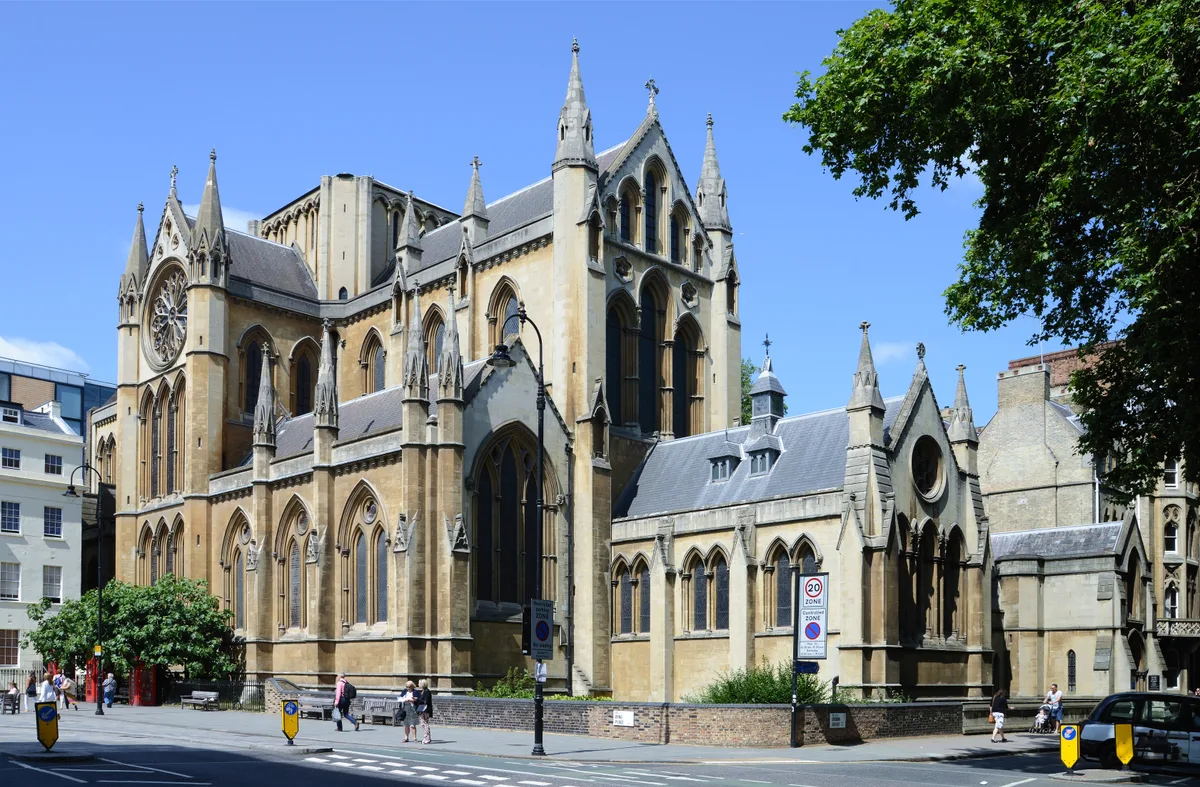
Church of Christ the King, Bloomsbury
Church of Christ the King, Bloomsbury — church in Gordon Square, Bloomsbury, London.
 📷 5
📷 5Historic churches · London
Church of St Barnabas
Church of St Barnabas — church in Pimlico, London.
More places in this region
 📷 3
📷 3Historic churches · North West England
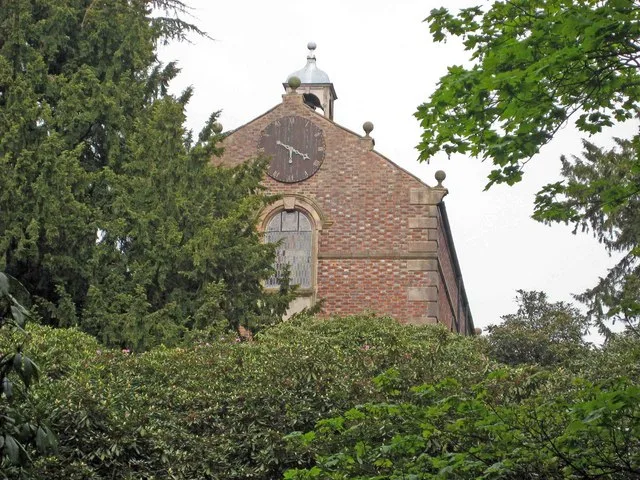
All Saints Chapel, Somerford
All Saints Chapel, Somerford — church in Cheshire East, Cheshire, England, UK.
 📷 3
📷 3Historic churches · North West England
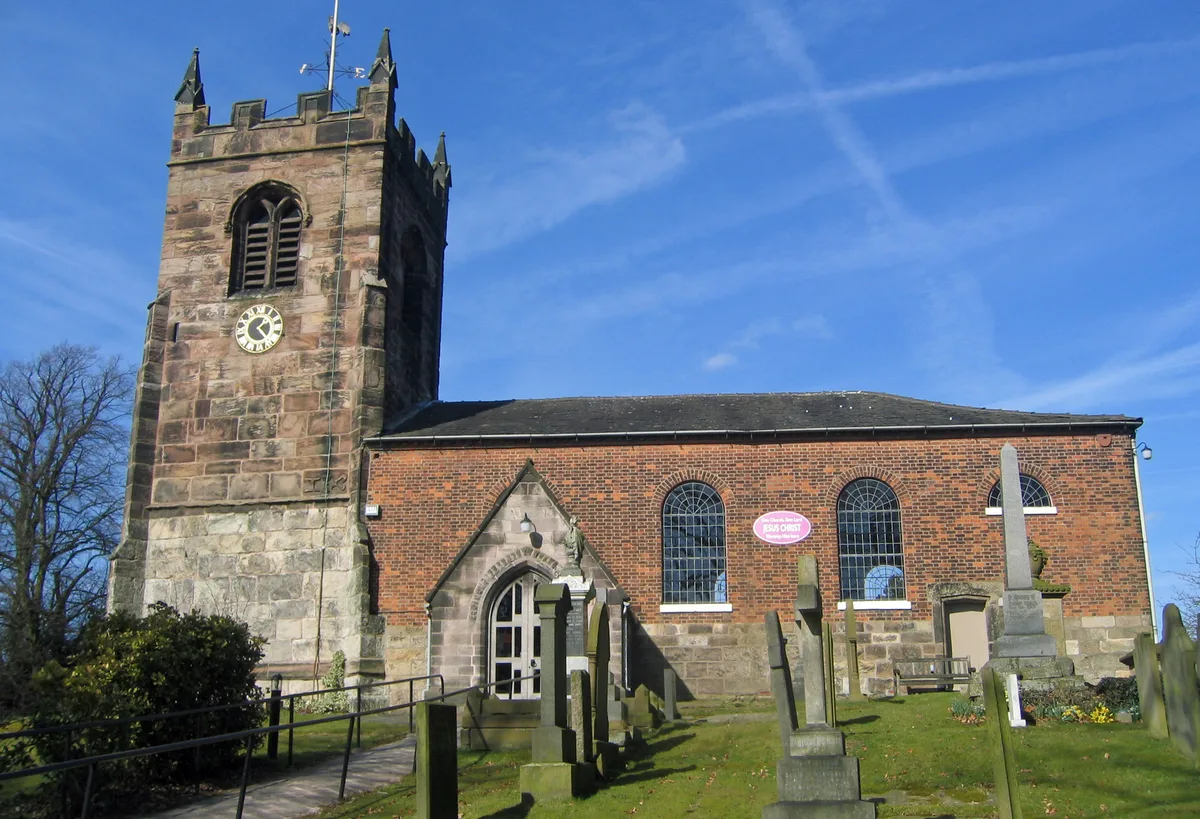
All Saints Church, Church Lawton
All Saints Church, Church Lawton — Grade II* listed church in Church Lawton, Cheshire East, Cheshire, England, UK.
 📷 3
📷 3Historic churches · North West England
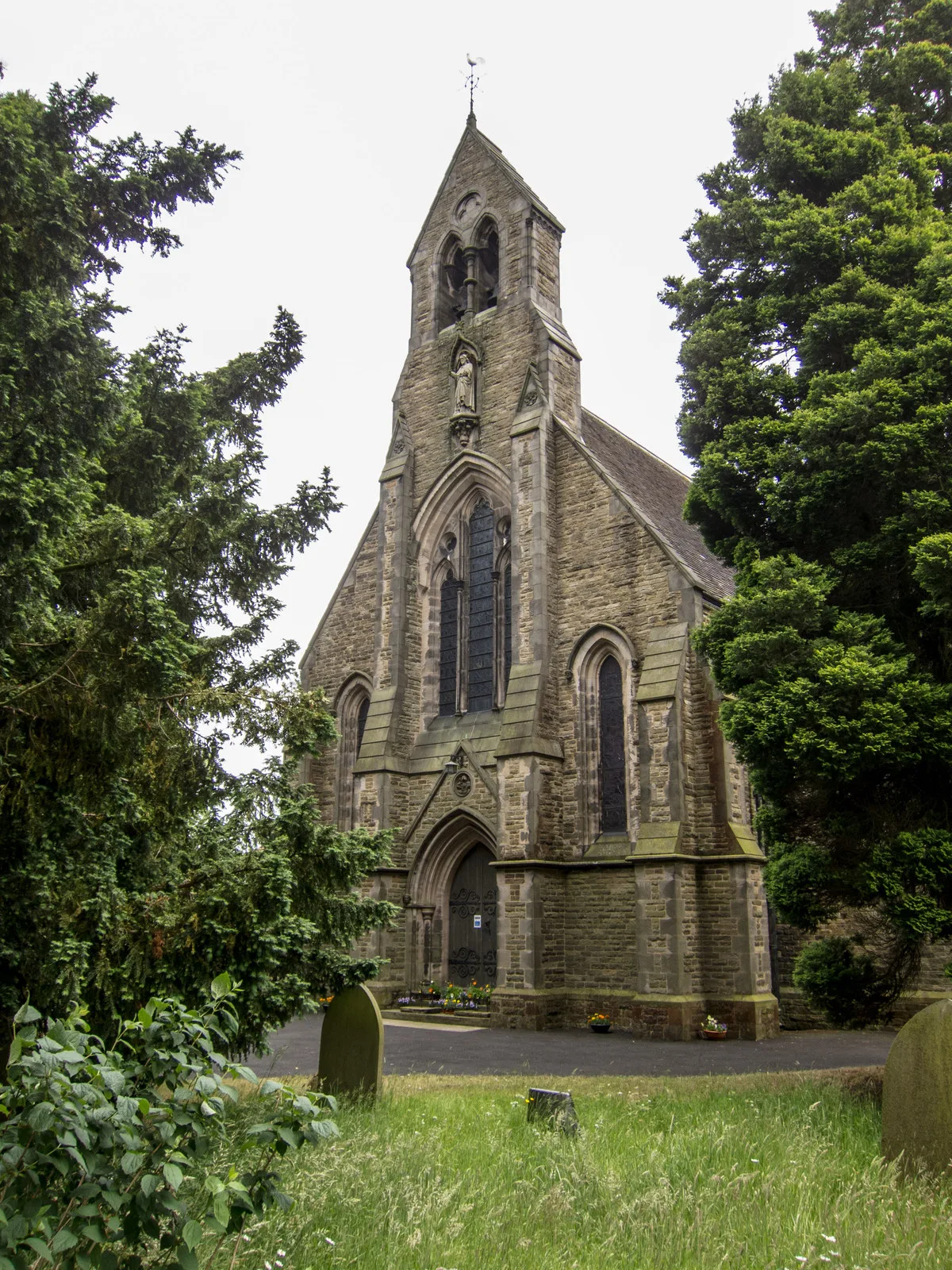
All Saints Church, Scholar Green
All Saints Church, Scholar Green — church in Cheshire East, Cheshire, England, UK.
 📷 3
📷 3Historic churches · North West England
All Saints Church, Siddington
All Saints Church, Siddington — church in Cheshire East, Cheshire, England, UK.
Frequently asked questions
- Where is St Matthew's Church, Little Lever?
- St Matthew's Church, Little Lever is in North-West England, United Kingdom (postcode BL3 1BD), in the parish of Bolton, unparished area.
- What is St Matthew's Church, Little Lever?
- St Matthew's Church, Little Lever — grade II listed church in Bolton, Greater Manchester, England, UK.
- How do I get to St Matthew's Church, Little Lever?
- The nearest railway station is Farnworth, about 1.7 km away. The nearest town is Holcombe. Drivers can use postcode BL3 1BD.
- When was St Matthew's Church, Little Lever built?
- Built or established in 1865. Designed by Edward Graham Paley.
- Is St Matthew's Church, Little Lever a listed building?
- St Matthew's Church, Little Lever is officially recognised as Grade II listed building listed.
- Is St Matthew's Church, Little Lever free to visit?
- Yes, St Matthew's Church, Little Lever is free to enter.
- How do I get to St Matthew's Church, Little Lever?
- The nearest railway station is Farnworth, about 1.7 km away. Drivers can navigate to postcode BL3 1BD.