
Historic churches · North Wales
St Mary and All Saints' Church, Conwy
St Mary and All Saints' Church, Conwy — Grade I listed building-listed church in wales-north, United Kingdom.

Basher Eyre — CC BY-SA 2.0 via Wikimedia Commons licence
_-_geograph.org.uk_-_7803338.jpg)
Plan your visit
- Typical visit
- 30 min–1 h
- Nearest railway station
- Conwy · 0.1 km
- Free entry
Getting there & planning your visit
To visit St Mary and All Saints' Church in Conwy, the nearest railway station is Conwy, located just 0.1 km away. Entry to the church is free. The postcode for sat-nav is LL32 8AY.
About
St Mary and All Saints' Church, Conwy is a Grade I listed building-listed church in wales-north, United Kingdom, registered on the Cadw register of listed buildings (Wales) (entry 3353). Listed status protects buildings and structures of special architectural or historic interest. See the linked Wikipedia article for further details.
Photo gallery
See it from the streetimagery from 2022
Imagery © Mapillary contributors, CC BY-SA 4.0
Heritage listing
The Church of St Mary & All Saints is the parish church of Conwy, Wales in the United Kingdom. It was originally the Cistercian Aberconwy Abbey, but in 1283 King Edward I of England moved the Abbey to Maenan. The parish registers date back to 1541. The foundations of the church date back to 1172, and the Aberconwy Abbey was completed in 1186. Since then the church has grown and changed. The East and West-end buttresses and parts of the walls, particularly on the North side, are original. In the fourteenth century, the church received the lower portion of its tower, the South transept, and the North and South porches. A room north of the tower was enclosed to serve as a charnel house.
From Cadw under OGL v3.
From the Wikipedia article
The Church of St Mary & All Saints is the parish church of Conwy, Wales in the United Kingdom. It was originally the Cistercian Aberconwy Abbey, but in 1283 King Edward I of England moved the Abbey to Maenan. The parish registers date back to 1541. The foundations of the church date back to 1172, and the Aberconwy Abbey was completed in 1186. Since then the church has grown and changed. The East and West-end buttresses and parts of the walls, particularly on the North side, are original. In the fourteenth century, the church received the lower portion of its tower, the South transept, and the North and South porches. A room north of the tower was enclosed to serve as a charnel house. The fifteenth century saw the completion of the tower, and the installation of the rood screen and the early Tudor period baptismal font. This includes Sir Richard Pole's, badge, (an eagle's claw grabbing a fish) who was the constable of Conwy castle between 1488 and 1504. In the sixteenth century the roofs over the aisles were raised. Next to the altar at the south end is the tomb of Robert Wynne, a major benefactor of St Mary's, and the builder of Plas Mawr on Conwy's High Street. The chancel floor was raised at a later date, and in 1872 the roof of the nave was raised by Gilbert Scott. At some point the South window of the transept was reconstructed and the clerestory windows were reset to where they now remain. Also in the nineteenth century, Lord Penrhyn donated the tower clock. In 1921 the church received a memorial chapel on the church's north side, and five years later the vestry was enlarged. In 1949 the former charnel house became the Parish Room. The church holds a number of objects of interest dating back to medieval times, and two windows in the nave's south aisle made by Morris & Co., a workshop with associations with the Pre-Raphaelite artist Edward Burne-Jones. In the summer months the church is a venue for Conwy's Classical Music Festival, a series of weekly hour-long concerts by professional musicians.
Excerpt from Wikipedia under CC BY-SA 4.0. See the source article linked in Sources below.
- Coordinates
- 53.2807, -3.8288
- District
- Conwy
- Parish
- Conwy
- Postcode
- LL32 8AY
- Parliamentary constituency
- Bangor Aberconwy
- Established
- 1197
- Nearest railway station
- Conwy — 0.1 km
Sources
- wikidata: Q17736388 (CC0)
- wikipedia: St Mary and All Saints' Church, Conwy (CC BY-SA 4.0)
Other places nearby
Aberconwy Abbey
Abbeys & priories · 0.0 km

Castle Hotel
Hotels · 0.1 km

OId College
Historic houses · 0.1 km

Number 18
B&Bs · 0.1 km
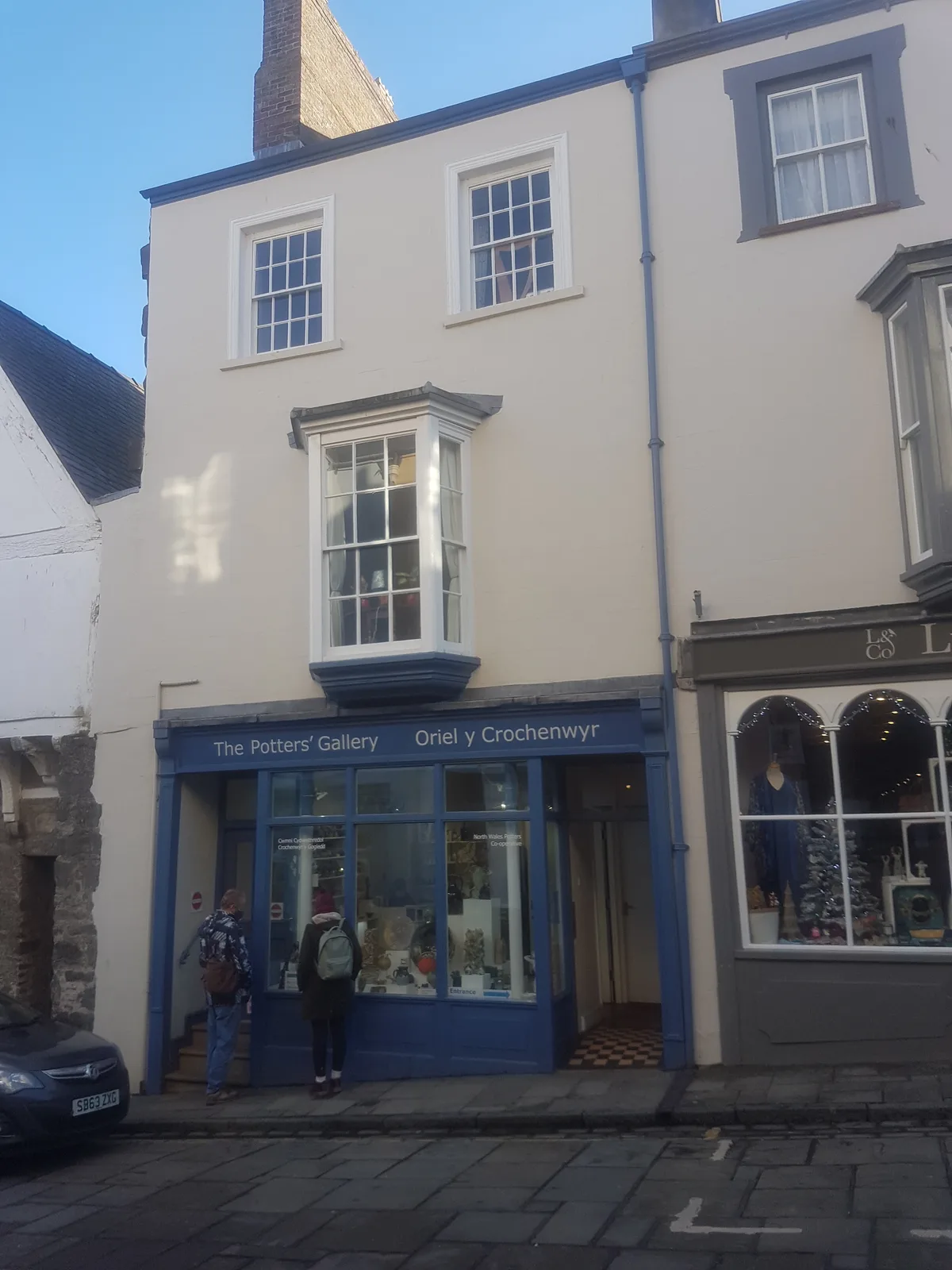
House and Oriel y Crochenwyr (The Potters' Gallery)
Galleries · 0.1 km

House and Oriel y Crochenwyr (The Potters' Gallery)
Mountains & hills · 0.1 km

Conwy Visitor Centre
Natural landmarks · 0.1 km
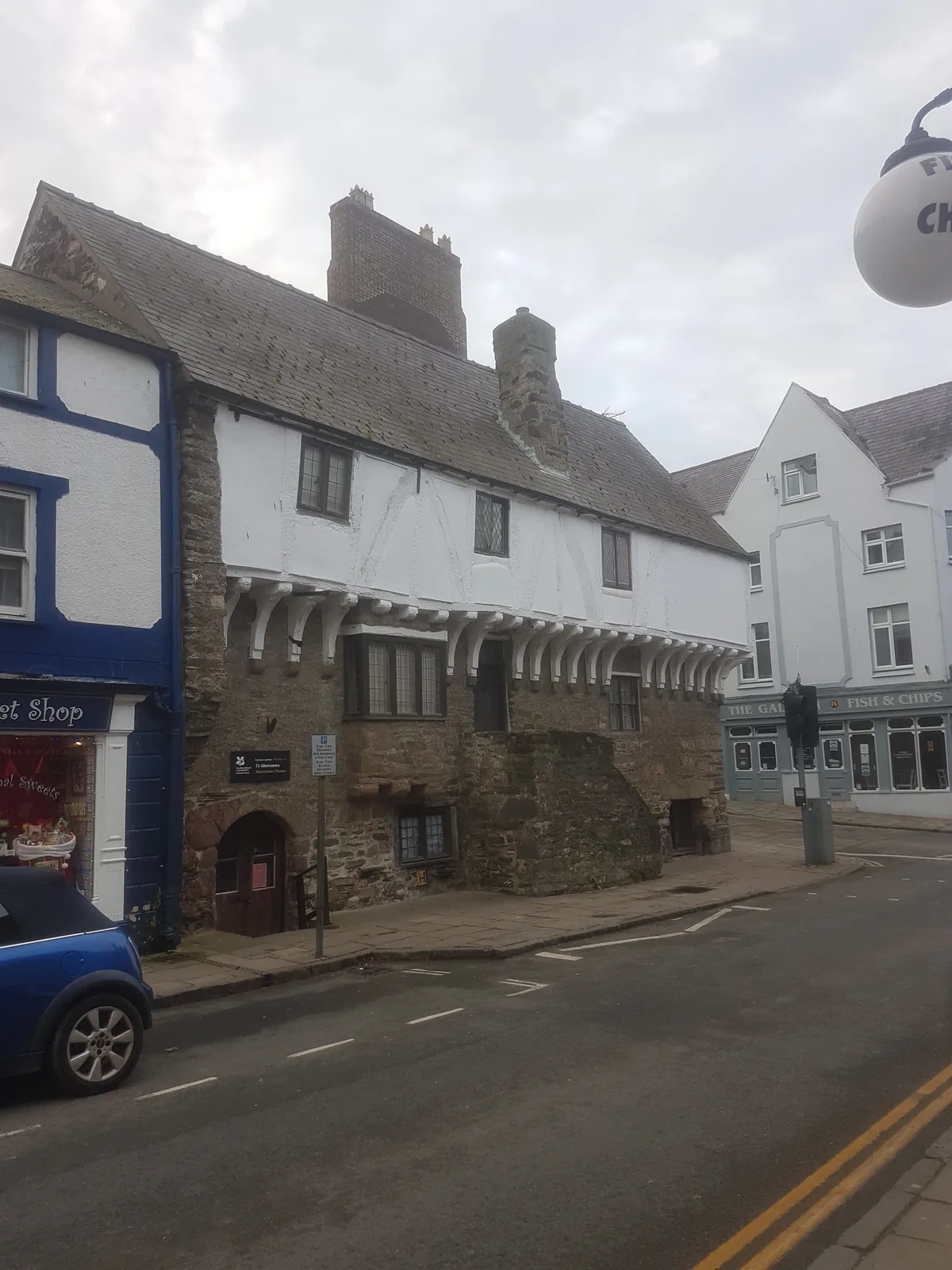
Aberconwy House Museum
Museums · 0.1 km

Aberconwy House
Historic houses · 0.1 km

Pen y Bryn Tearooms
Cafés · 0.1 km
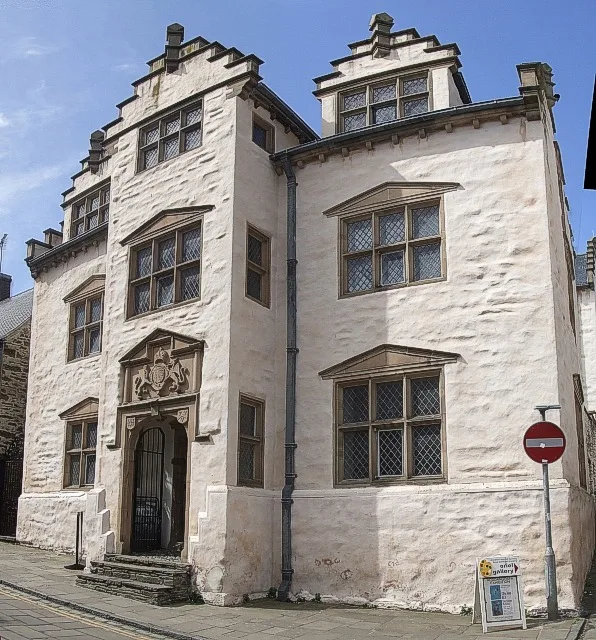
Plas Mawr
Historic houses · 0.1 km
Alfredo Restaurant
Restaurants · 0.1 km
Nearby
📷 4Abbeys & priories · North Wales
Aberconwy Abbey
Aberconwy Abbey was a Cistercian foundation at Conwy, later transferred to Maenan near Llanrwst, and in the 13th century was the most important abbey in the north of Wales. A Cistercian house was foun
📷 5📷 3Historic houses · North Wales
OId College
OId College — Grade II listed building in Conwy. Building in Conwy.
📷 7📷 3Galleries · North Wales
House and Oriel y Crochenwyr (The Potters' Gallery)
House and Oriel y Crochenwyr (The Potters' Gallery) — Grade II listed building in Conwy. The NE end of High Street, in a block of commercial and residential buildings facing the street.
📷 3Mountains & hills · North Wales
House and Oriel y Crochenwyr (The Potters' Gallery)
House and Oriel y Crochenwyr (The Potters' Gallery) — a mountain in wales-north, United Kingdom, 9 m.
Where to eat & stay near St Mary and All Saints' Church, Conwy
Places to stay
📷 5📷 7 📷 5
📷 5 📷 5
📷 5B&Bs · North Wales
Bryn Derwen Guest House
Bryn Derwen Guest House — a bed-and-breakfast in wales north.
 📷 5
📷 5 📷 5
📷 5Places to eat & drink
📷 7📷 7 📷 5
📷 5 📷 5
📷 5 📷 5
📷 5Restaurants · North Wales
Ristorante Romeo's
Ristorante Romeo's — a restaurant in wales north.
📷 5More places in this region
 📷 3
📷 3Historic churches · North Wales
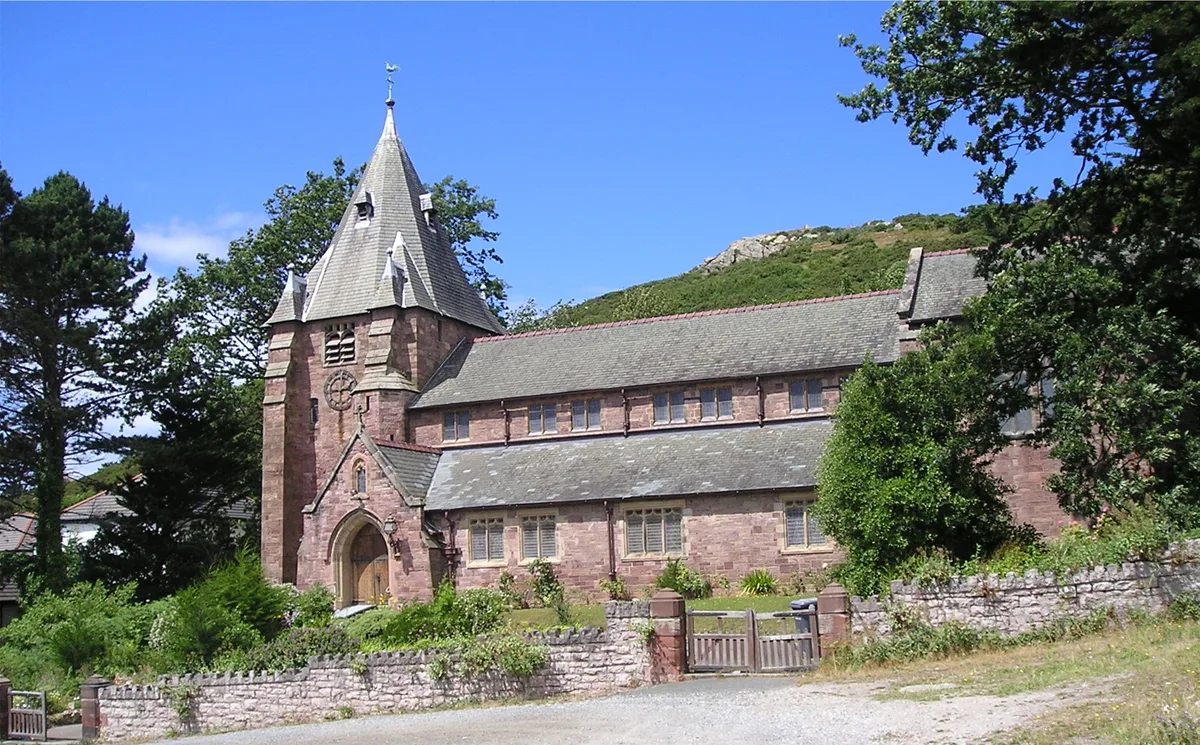
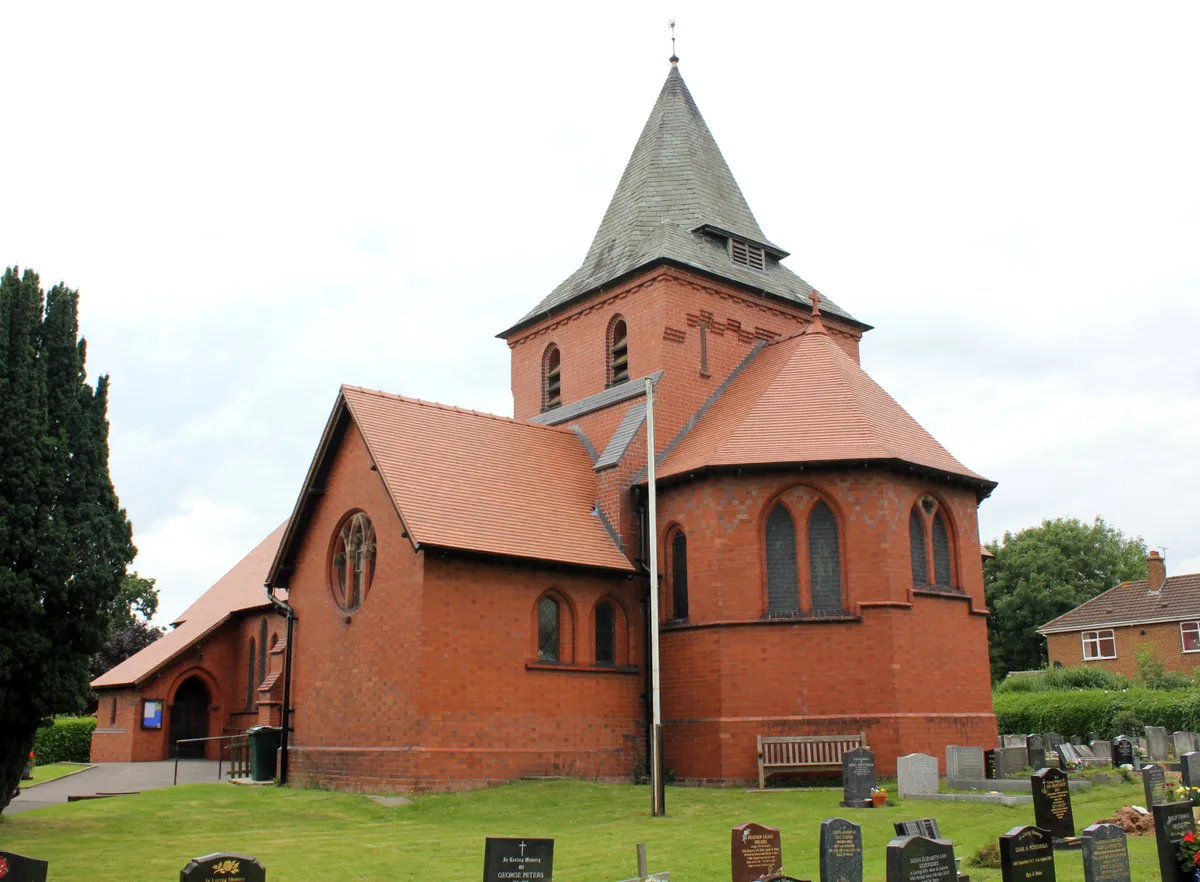
All Saints Church
All Saints Church — Anglican church in Deganwy, Wales.
 📷 3
📷 3Historic churches · North Wales
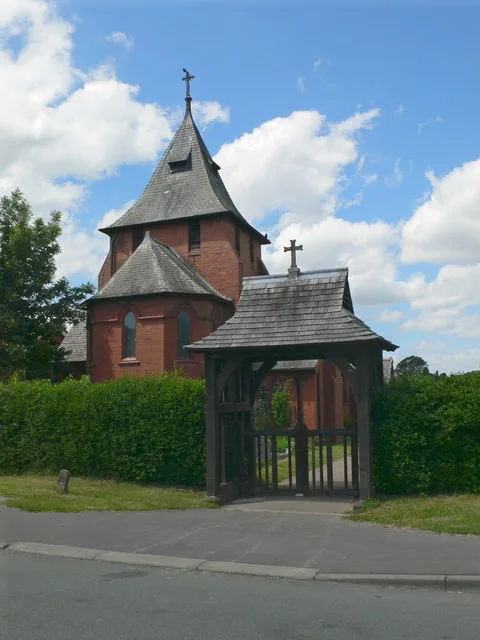
All Saints Church, Great Saughall
All Saints Church, Great Saughall — grade II listed church in Saughall, Cheshire West and Chester, Cheshire, England, UK.
 📷 3
📷 3Historic churches · North Wales
All Saints Church, Higher Kinnerton
All Saints Church, Higher Kinnerton — church in United Kingdom.
 📷 3
📷 3Historic churches · North Wales
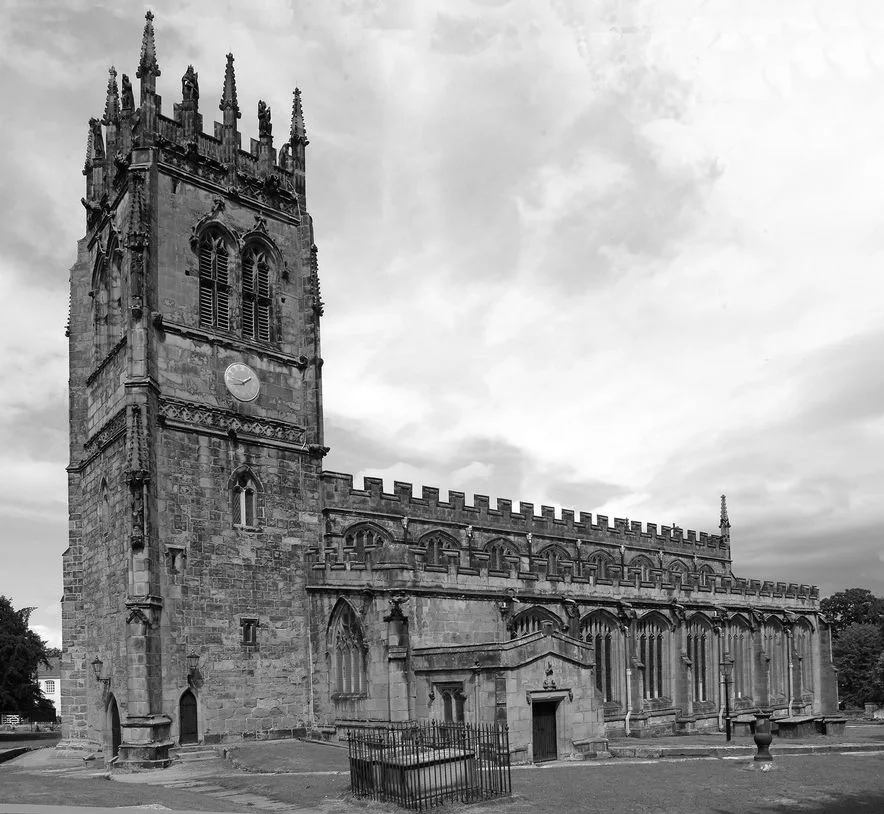
All Saints' Church, Gresford
All Saints' Church, Gresford — church in Gresford, north Wales.
Frequently asked questions
- Where is St Mary and All Saints' Church, Conwy?
- St Mary and All Saints' Church, Conwy is in North Wales, United Kingdom (postcode LL32 8AY), in the parish of Conwy.
- What is St Mary and All Saints' Church, Conwy?
- St Mary and All Saints' Church, Conwy — Grade I listed building-listed church in wales-north, United Kingdom.
- How do I get to St Mary and All Saints' Church, Conwy?
- The nearest railway station is Conwy, about 0.1 km away. Drivers can use postcode LL32 8AY.
- When was St Mary and All Saints' Church, Conwy built?
- Built or established in 1197.
- Is St Mary and All Saints' Church, Conwy a listed building?
- St Mary and All Saints' Church, Conwy is officially recognised as Grade I listed building listed.
- Is St Mary and All Saints' Church, Conwy free to visit?
- Yes, St Mary and All Saints' Church, Conwy is free to enter.
- How do I get to St Mary and All Saints' Church, Conwy?
- The nearest railway station is Conwy, about 0.1 km away. Drivers can navigate to postcode LL32 8AY.