
Historic churches · North West England
St Mark's Church, Worsley
In or near Manchester.
St Mark's Church, Worsley — Grade I listed church in Salford, Greater Manchester, England, UK.

Wikimedia Commons contributors — see linked file page for photographer and licence licence

Plan your visit
- Typical visit
- 30 min–1 h
- Nearest railway station
- Walkden · 2.1 km
- Free entry
Getting there & planning your visit
To visit St Mark's Church in Worsley, the nearest railway station is Walkden, which is 2.1 km away. The postcode for sat-nav directions is M28 2HL. Entry to the church is free.
About
St Mark's Church, Worsley is a historic church in the United Kingdom. Records date its origin to 1844. Designed by George Gilbert Scott. Built in the Gothic Revival style. Heritage designation: Grade I listed building. Affiliated with Anglicanism. Wikidata describes it as: "Grade I listed church in Salford, Greater Manchester, England, UK". Coordinates: 53.5020°, -2.3850°.
Photo gallery
Heritage listing
St Mark's Church is an active Anglican parish church in Worsley, Greater Manchester, England. It is part of a team ministry along with St Mary's in Ellenbrook and St Andrew in Boothstown. The church is in the Eccles deanery, the archdeaconry of Salford and the diocese of Manchester. The church was granted Grade I Listed status in 1966.
From the Historic England List Entry under OGL v3.
From the Wikipedia article
St Mark's Church is an active Anglican parish church in Worsley, Greater Manchester, England. It is part of a team ministry along with St Mary's in Ellenbrook and St Andrew in Boothstown. The church is in the Eccles deanery, the archdeaconry of Salford and the diocese of Manchester. The church was granted Grade I Listed status in 1966.
Excerpt from Wikipedia under CC BY-SA 4.0. See the source article linked in Sources below.
Background
History
The church's history is bound up with the emergence of Worsley as a cradle of the Industrial Revolution, at the hands of the Egerton family. The Earl of Ellesmere, heir of the Duke of Bridgewater who built the Bridgewater Canal, commissioned George Gilbert Scott to design the church. The church is built on a prominent 10 acre site formerly known as Cross Field on Worsley Brow. Now within a conservation area, its extensive churchyard is bounded by stone walls with lych gates on the west and south, the M60 motorway to the east, and woodland on the north. The church spire is a landmark for many drivers who pass it on the motorway which bisects the parish. The church was built between 1844 and…
Architecture
Inside, the nave has an oak hammer-beam roof and the chancel is flanked by the vestry and organ chamber on the north side and the Ellesmere Chapel on the south. The north aisle was added in 1852 and shortly after that the Ellesmere Chapel was altered by the addition of a family vault below and extended to the east. The chapel was re-ordered in the 1920s. Twelve windows were acquired by Scott from France, Belgium or Italy depicting saints, two others were made by the studios of Edward Burne-Jones and the aisle windows are Powell's cast glass.
Sourced from Wikipedia under CC BY-SA 4.0.
- Coordinates
- 53.5020, -2.3850
- District
- Salford
- Parish
- Salford, unparished area
- Postcode
- M28 2HL
- Parliamentary constituency
- Worsley and Eccles
- Established
- 1844
- Nearest railway station
- Walkden — 2.1 km
- Official site
- www.stmarksworsley.org.uk
Sources
- wikidata: Q7594159 (CC0)
- wikipedia: St Mark's Church, Worsley (CC BY-SA 4.0)
- commons: St marks worsley.jpg (CC BY-SA 4.0)
Other places nearby

Worsley War Memorial
Memorials & monuments · 0.0 km
Motorway opening marker stone
Memorials & monuments · 0.3 km

Mining crane sculpture
Public art & sculpture · 0.3 km

Worsley Court House
Historic houses · 0.3 km

Worsley Road
Historic bridges · 0.3 km

Bridge over branches of Bridgewater Canal at The Delph
Historic bridges · 0.3 km

Rock House
Historic houses · 0.3 km
Worsley Road
Historic bridges · 0.3 km

The Old Nick
Historic houses · 0.4 km

Worsley
Villages · 0.4 km

3rd Duke of Bridgewater's monument
Memorials & monuments · 0.5 km

Worsley Old Hall
Historic pubs · 0.5 km
Nearby
📷 3Memorials & monuments · North West England
Worsley War Memorial
Worsley War Memorial — Grade II listed building-listed memorial in england-north-west, United Kingdom.
Memorials & monuments · North West England
Motorway opening marker stone
Motorway opening marker stone — a memorial in england north west.
📷 3Public art & sculpture · North West England
Mining crane sculpture
Mining crane sculpture — a public art in North West England, United Kingdom.
📷 5Historic houses · North West England
Worsley Court House
Worsley Court House — Grade II listed house in Worsley, Salford, Greater Manchester, England, UK.
📷 4Historic bridges · North West England
Worsley Road
Worsley Road is a historic bridge in the United Kingdom.
📷 3Historic bridges · North West England
Bridge over branches of Bridgewater Canal at The Delph
Bridge over branches of Bridgewater Canal at The Delph — Grade II listed building-listed bridge in england-north-west, United Kingdom.
Where to eat & stay near St Mark's Church, Worsley
Places to stay
 📷 5
📷 5Campsites · North West England
Hollinwood Scout Camp
Hollinwood Scout Camp — a campsite in england west midlands.
 📷 5
📷 5Caravan parks · North West England
Brookdale Park
Brookdale Park — a caravan park in england north west.
 📷 5
📷 5Campsites · North West England
Giants Seat Scout and Community Campsite
Giants Seat Scout and Community Campsite — a campsite in england north west.
 📷 5
📷 5Caravan parks · North West England
Crompton Lodge Caravan Park
Crompton Lodge Caravan Park — a caravan park in england north west.
 📷 5
📷 5Campsites · North West England
5th Urmston (Aquilifer) Scout Camp Site
5th Urmston (Aquilifer) Scout Camp Site — a campsite in england west midlands.
 📷 5
📷 5Hotels · North West England
Holiday Inn Express
Holiday Inn Express — a hotel in england west midlands. Brand: Holiday Inn Express.
Places to eat & drink
📷 5Historic pubs · North West England
Worsley Old Hall
Worsley Old Hall in England North West, United Kingdom.
 📷 5
📷 5Historic pubs · North West England
Queens Arms
Queens Arms in England North West, United Kingdom.
 📷 5
📷 5Historic pubs · North West England
Stanley Arms
Stanley Arms in England North West, United Kingdom.
 📷 5
📷 5Historic pubs · North West England
The Grapes Hotel
The Grapes Hotel in England North West, United Kingdom.
 📷 5
📷 5Historic pubs · North West England
Lamb Hotel, Eccles
Lamb Hotel, Eccles in England North West, United Kingdom.
 📷 5
📷 5Historic pubs · North West England
The Shakespeare
The Shakespeare in England North West, United Kingdom.
Other works by George Gilbert Scott
 📷 5
📷 5Historic churches · London
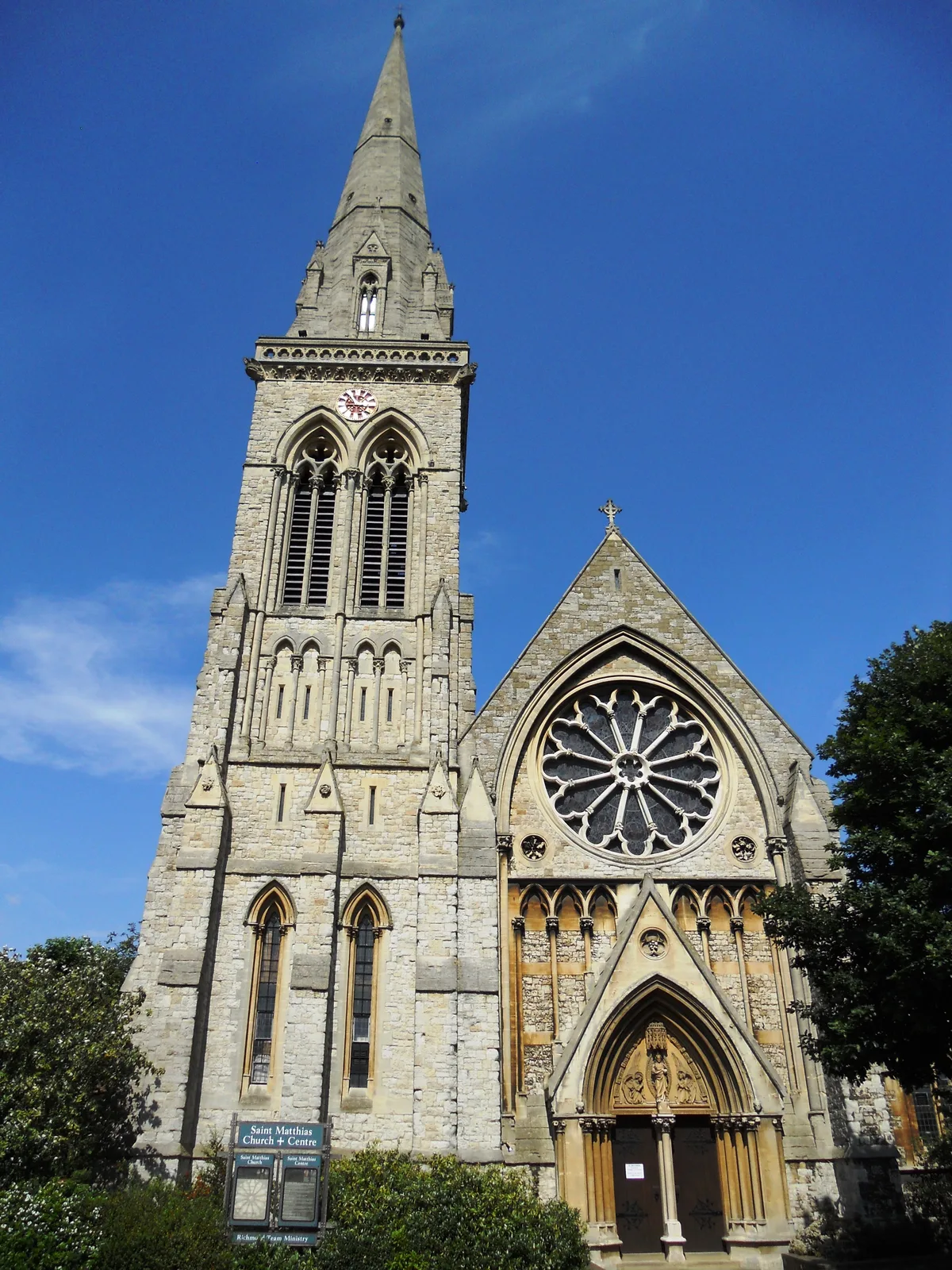
Church of St Matthias
Church of St Matthias — Anglican church in Richmond, London.
 📷 5
📷 5Historic churches · London
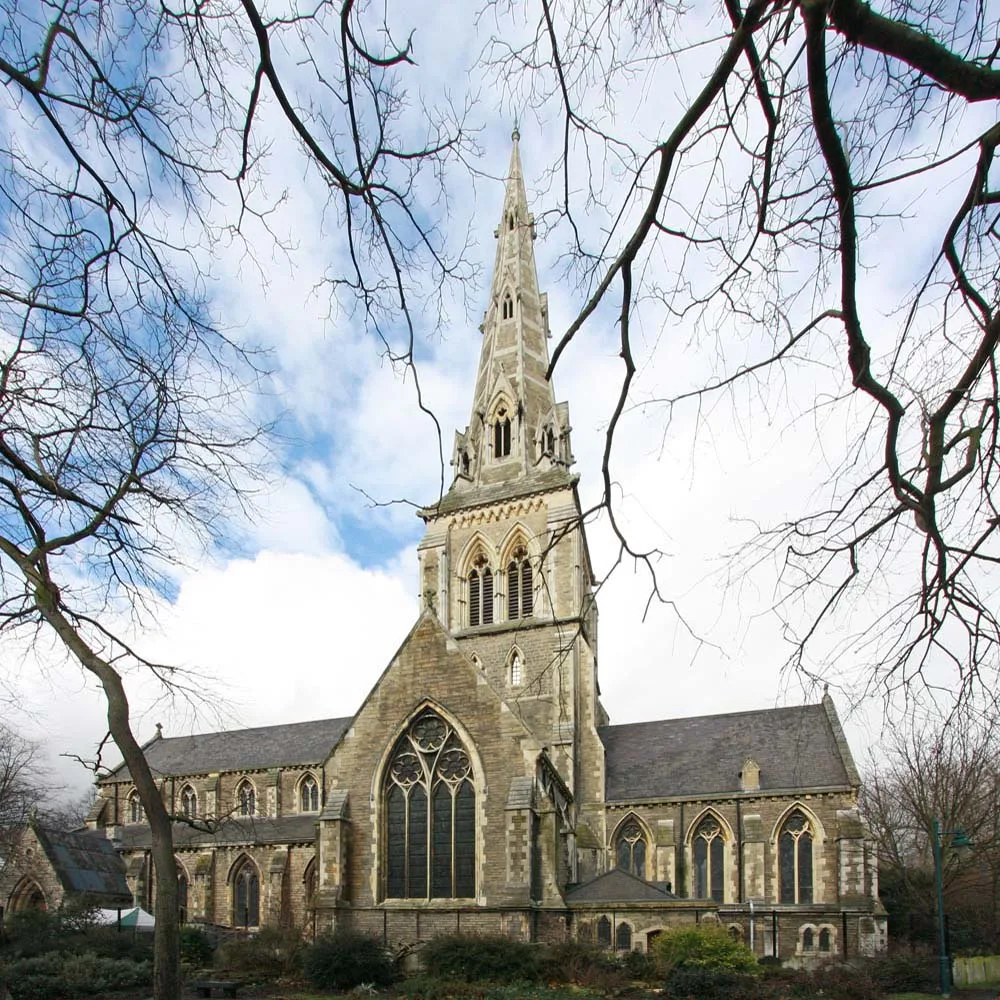
St Giles' Church, Camberwell
St Giles' Church, Camberwell is a historic church in the United Kingdom.
 📷 5
📷 5Historic churches · London
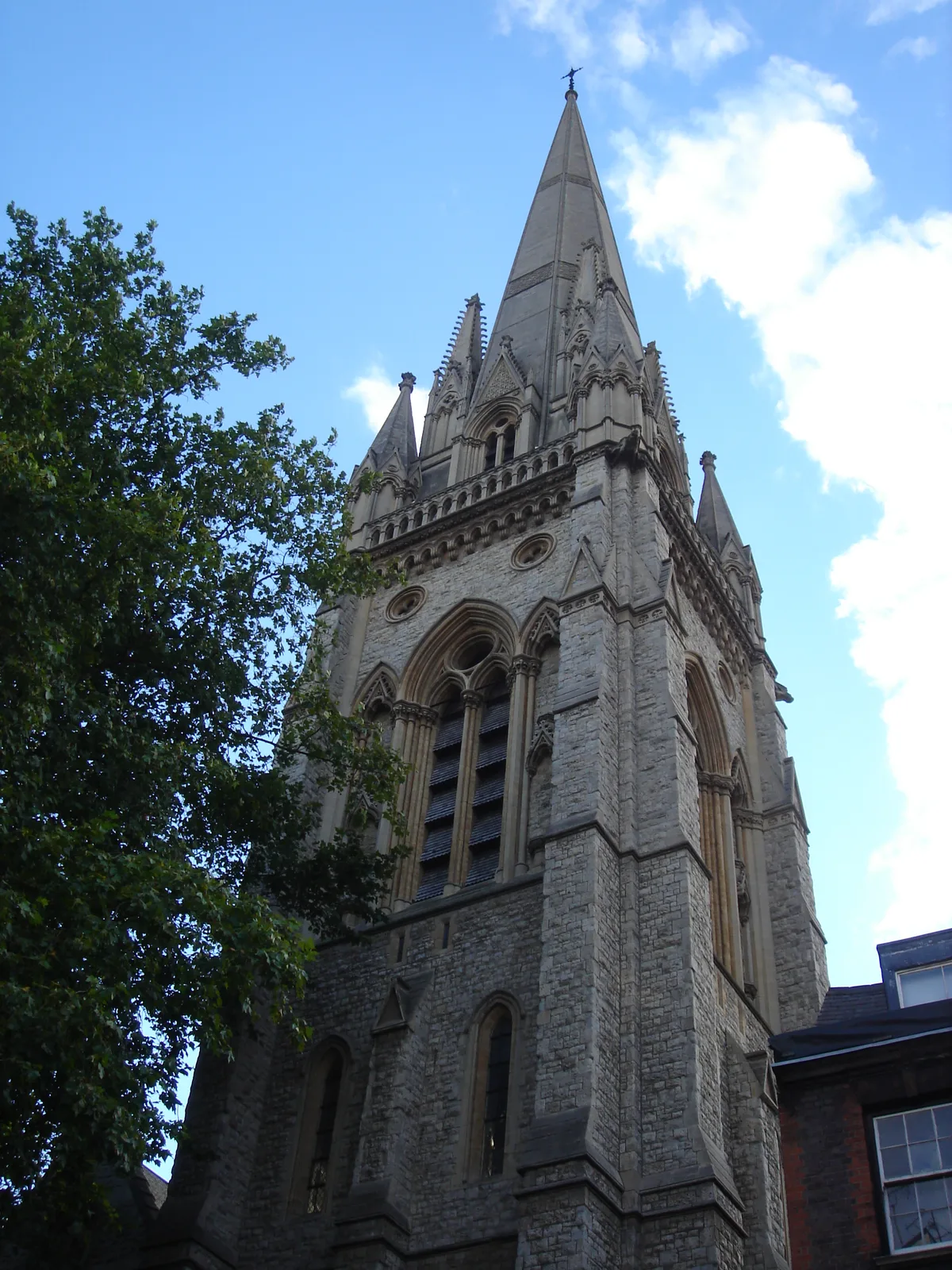
St Mary Abbots, Kensington
St Mary Abbots, Kensington — church in Royal Borough of Kensington and Chelsea, UK.
 📷 5
📷 5Historic churches · London
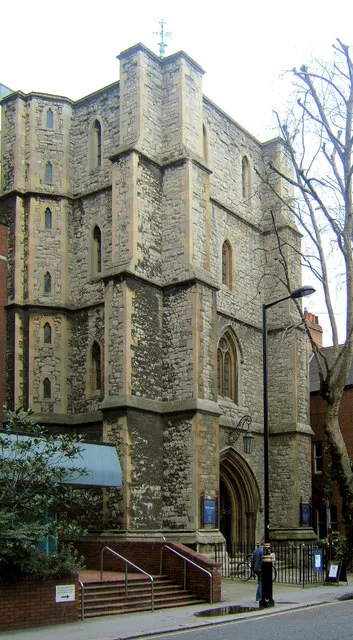
St Matthew's, Westminster
St Matthew's, Westminster — church building in Westminster, London, England, UK.
Other places from this era
 📷 5
📷 5Historic churches · London
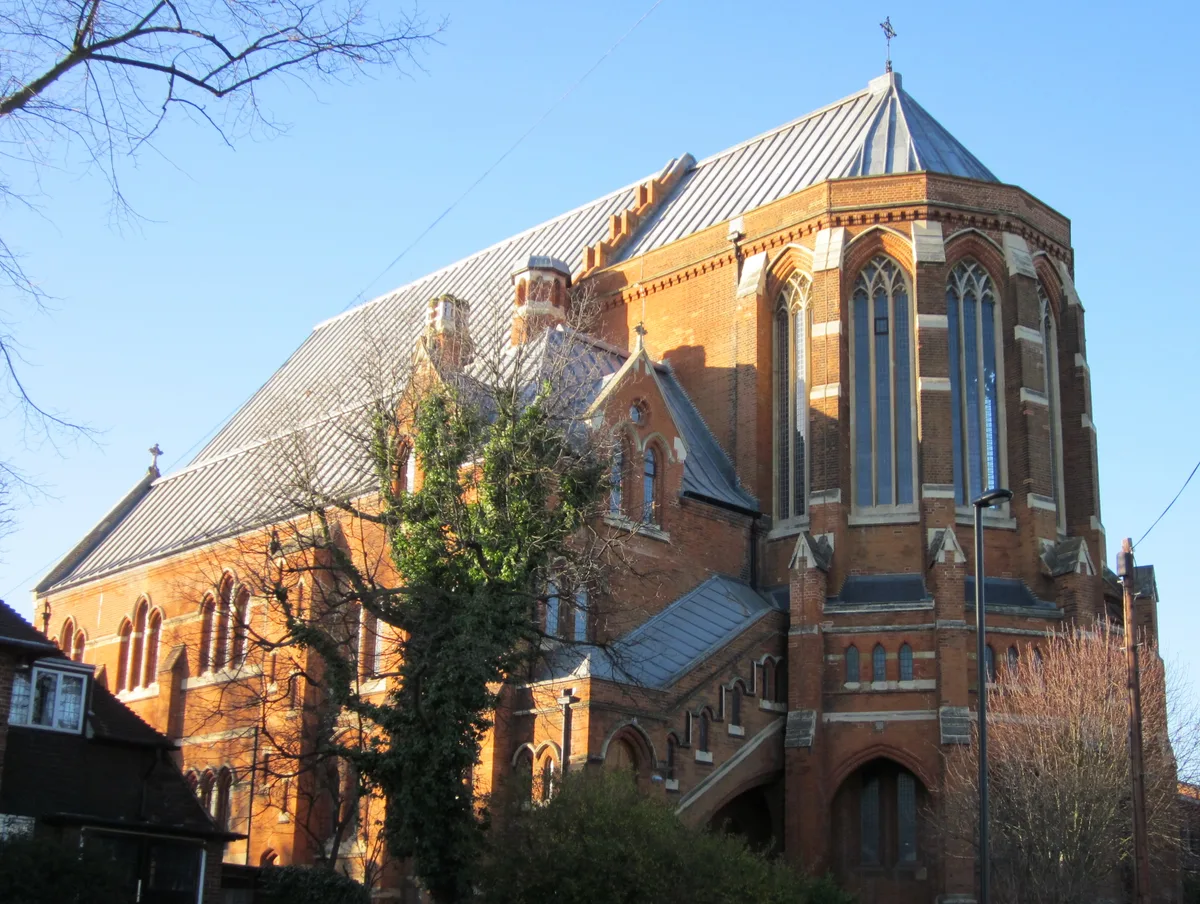
All Saints Church, West Dulwich
All Saints Church, West Dulwich — church in West Dulwich, London.
 📷 5
📷 5Historic churches · London
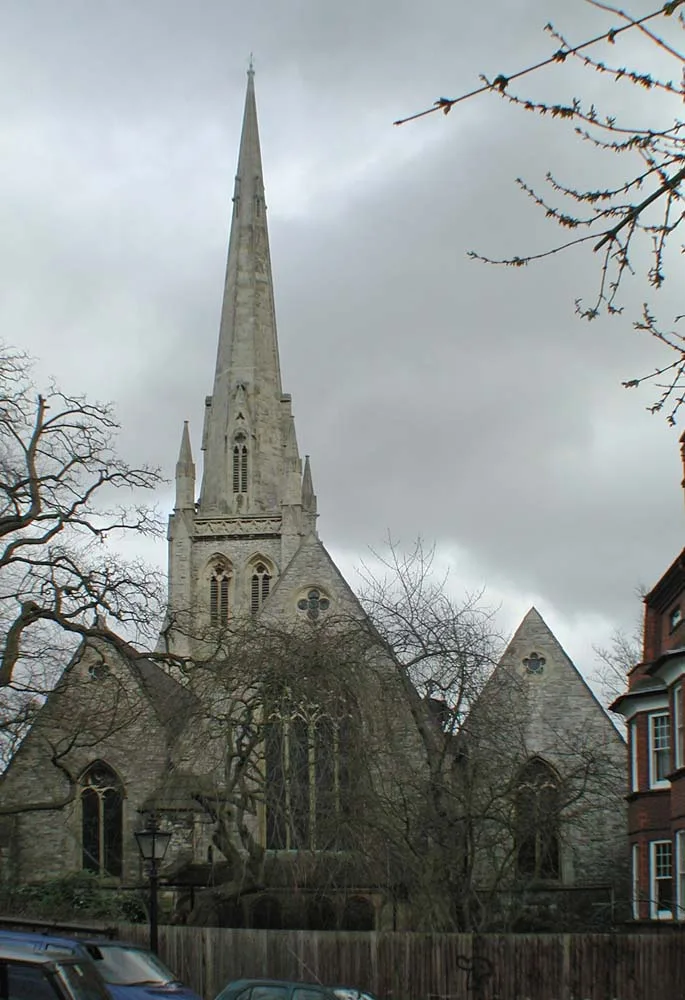
Christ Church
Christ Church — church in Hampstead, London.
 📷 5
📷 5Historic churches · London
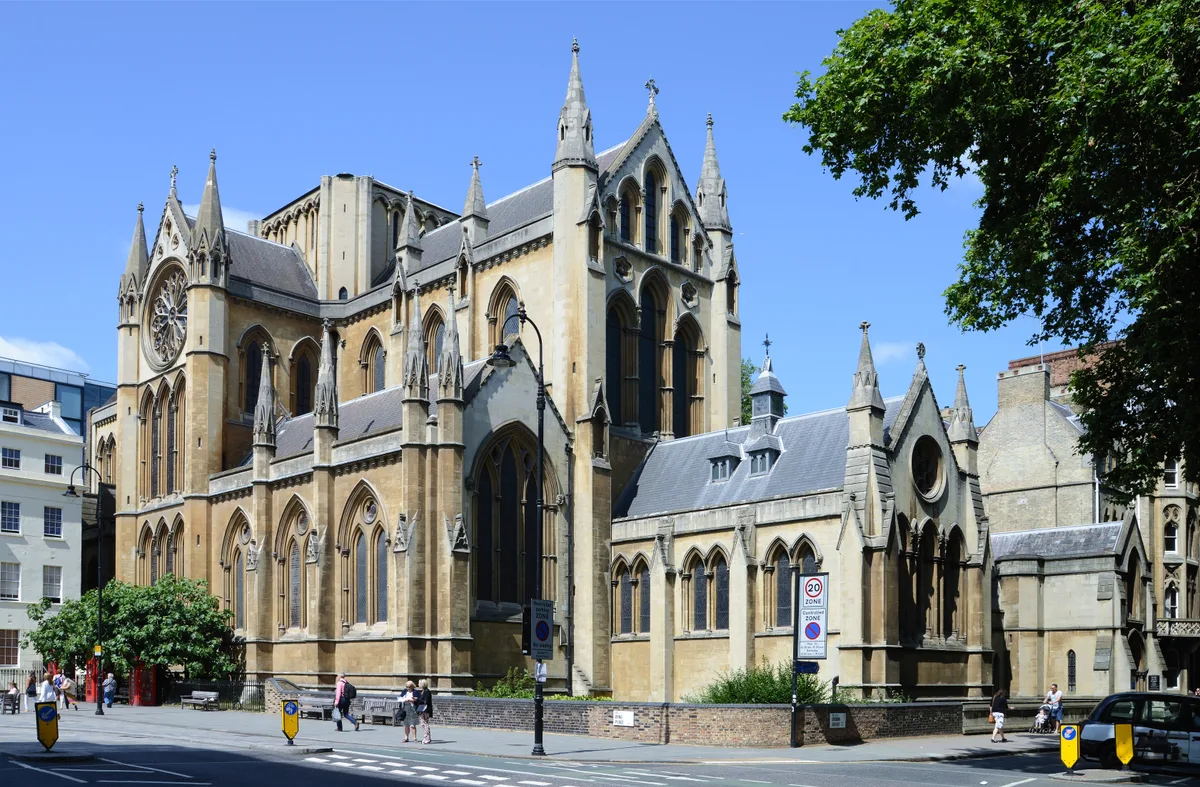
Church of Christ the King, Bloomsbury
Church of Christ the King, Bloomsbury — church in Gordon Square, Bloomsbury, London.
 📷 5
📷 5Historic churches · London
Church of St Barnabas
Church of St Barnabas — church in Pimlico, London.
More places in this region
 📷 3
📷 3Historic churches · North West England
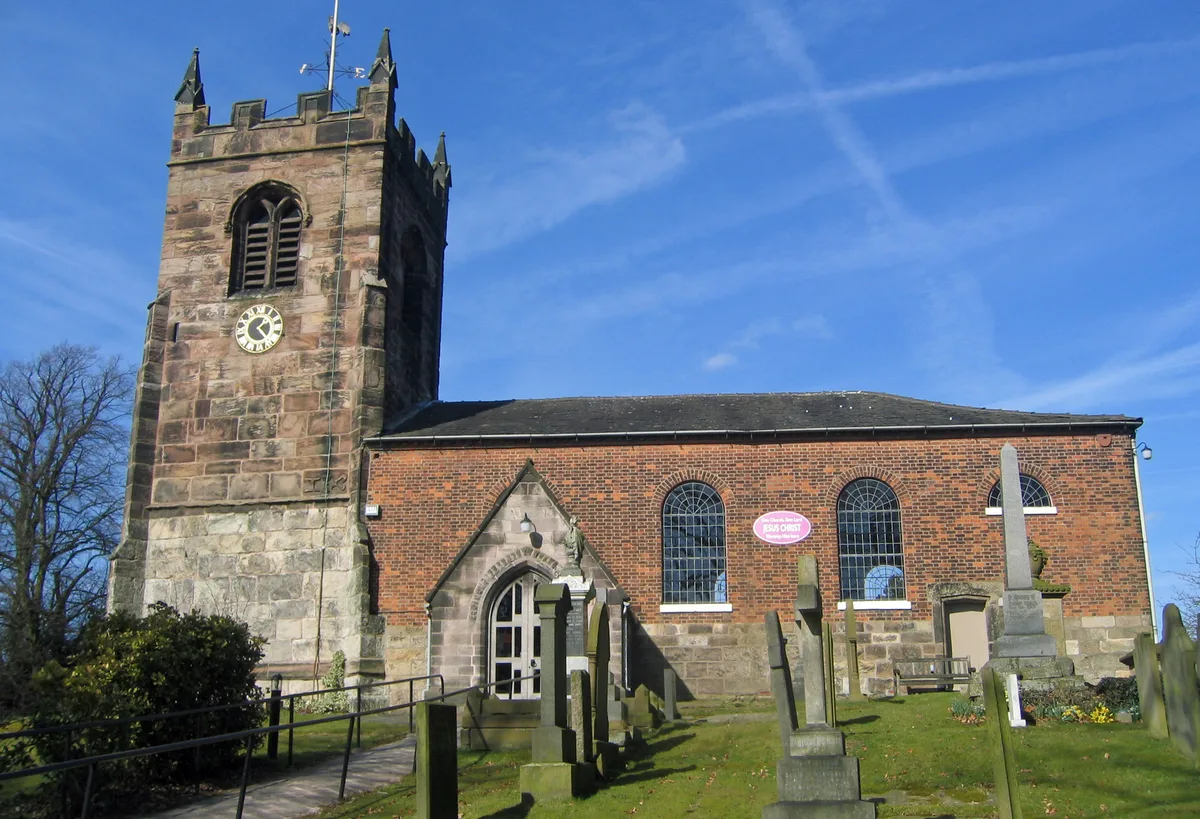
All Saints Chapel, Somerford
All Saints Chapel, Somerford — church in Cheshire East, Cheshire, England, UK.
 📷 3
📷 3Historic churches · North West England
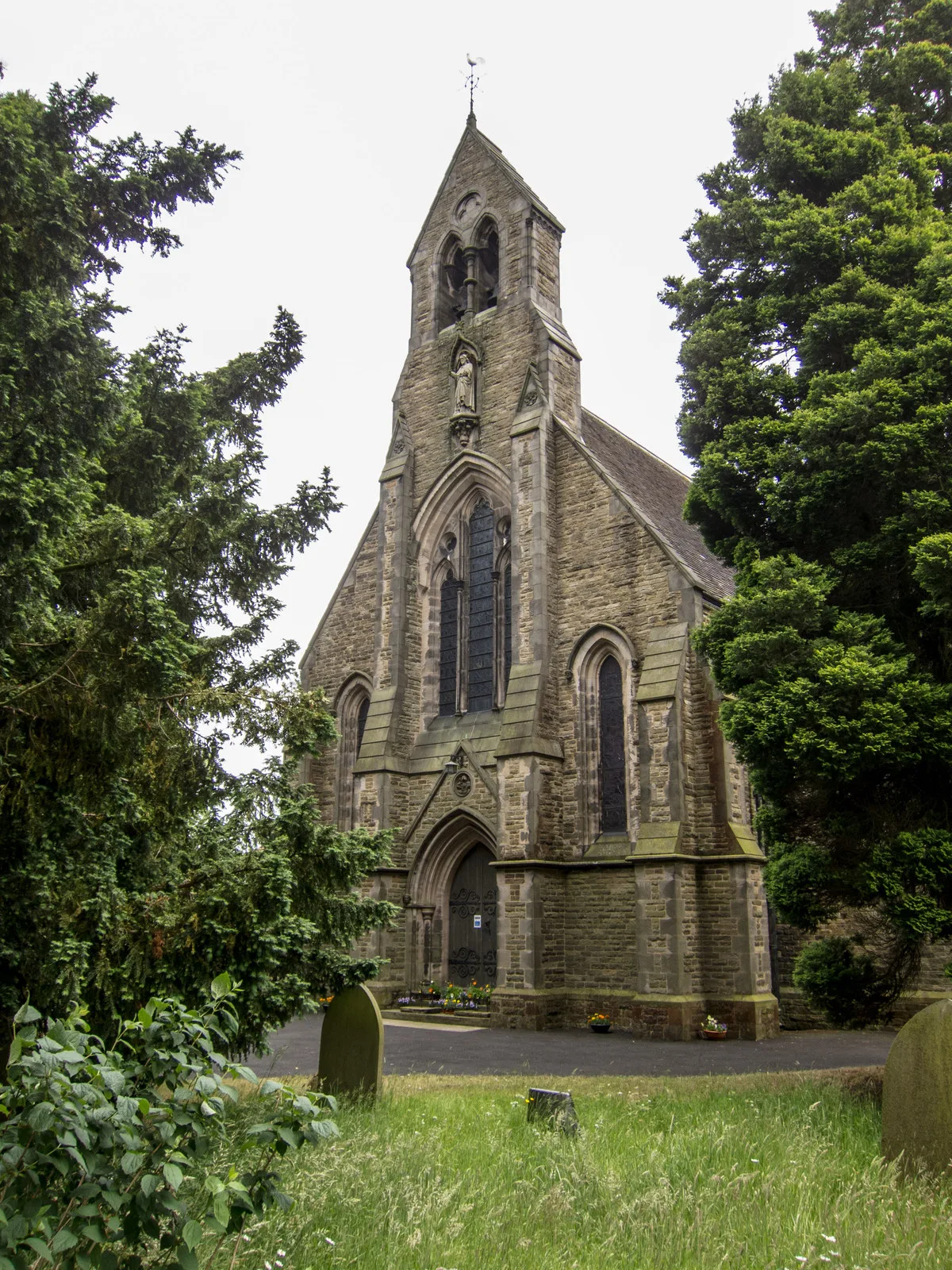
All Saints Church, Church Lawton
All Saints Church, Church Lawton — Grade II* listed church in Church Lawton, Cheshire East, Cheshire, England, UK.
 📷 3
📷 3Historic churches · North West England
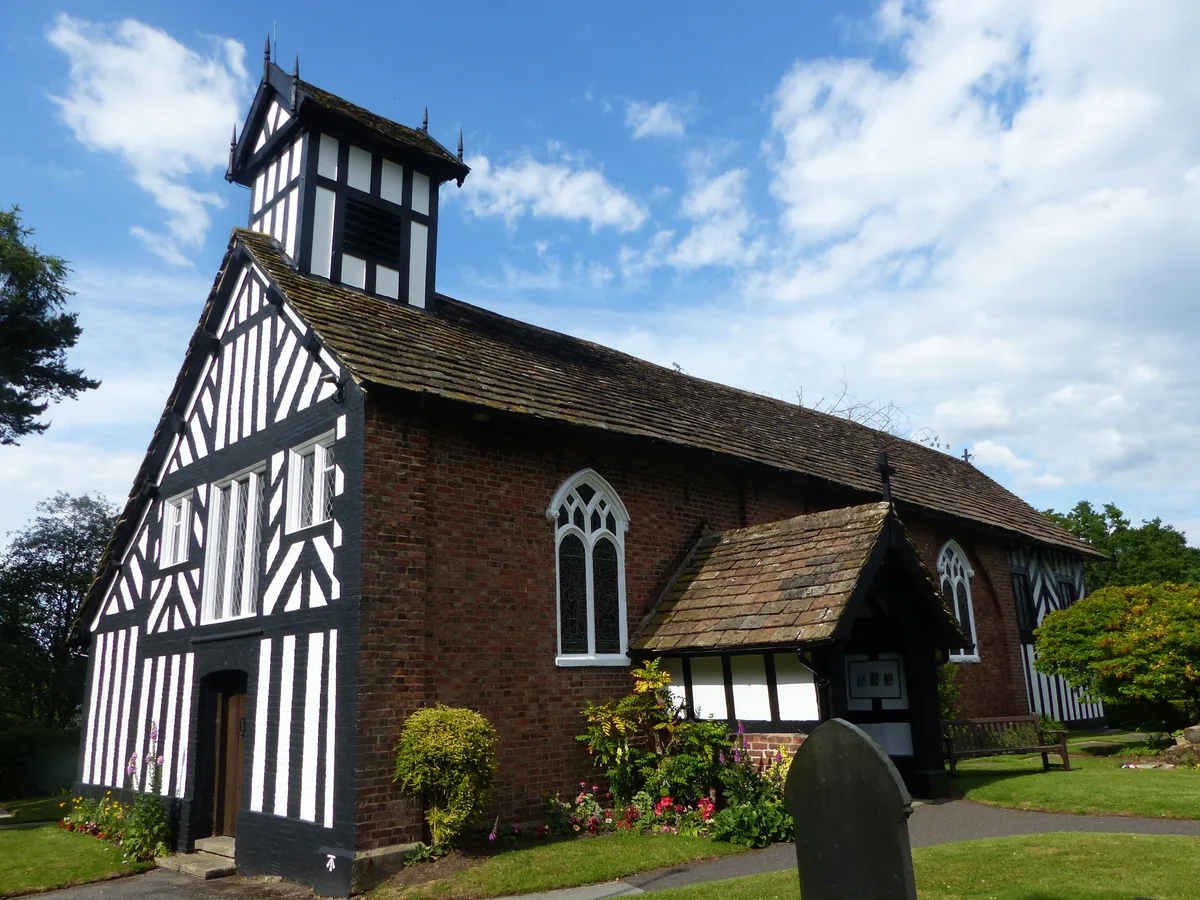
All Saints Church, Scholar Green
All Saints Church, Scholar Green — church in Cheshire East, Cheshire, England, UK.
 📷 3
📷 3Historic churches · North West England
All Saints Church, Siddington
All Saints Church, Siddington — church in Cheshire East, Cheshire, England, UK.
Frequently asked questions
- Where is St Mark's Church, Worsley?
- St Mark's Church, Worsley is in North-West England, United Kingdom (postcode M28 2HL), in the parish of Salford, unparished area.
- What is St Mark's Church, Worsley?
- St Mark's Church, Worsley — Grade I listed church in Salford, Greater Manchester, England, UK.
- How do I get to St Mark's Church, Worsley?
- The nearest railway station is Walkden, about 2.1 km away. The nearest town is Manchester. Drivers can use postcode M28 2HL.
- When was St Mark's Church, Worsley built?
- Built or established in 1844. Designed by George Gilbert Scott.
- Is St Mark's Church, Worsley a listed building?
- St Mark's Church, Worsley is officially recognised as Grade I listed building listed.
- Is St Mark's Church, Worsley free to visit?
- Yes, St Mark's Church, Worsley is free to enter.
- How do I get to St Mark's Church, Worsley?
- The nearest railway station is Walkden, about 2.1 km away. Drivers can navigate to postcode M28 2HL.