
Historic churches · South East England
St Mark's Church, Brighton
In or near Brighton and Hove.
St Mark's Church, Brighton — grade II listed church in Brighton and Hove, East Sussex, England, UK.

Wikimedia Commons contributors — see linked file page for photographer and licence licence

Plan your visit
- Typical visit
- 30 min–1 h
- Nearest railway station
- Black Rock · 0.3 km
- Free entry
Getting there & planning your visit
St Mark's Church in Brighton can be reached from the nearest railway station, Black Rock, which is 0.3 km away. Entry to the church is free, and it is accessible for visitors. The postcode for navigation is BN2 5JN.
About
St Mark's Church, Brighton is a historic church in the United Kingdom. Records date its origin to 1849. Heritage designation: Grade II listed building. Wikidata describes it as: "grade II listed church in Brighton and Hove, East Sussex, England, UK". Coordinates: 50.8176°, -0.1120°.
Photo gallery
See it from the streetimagery from 2021
Imagery © Mapillary contributors, CC BY-SA 4.0
Heritage listing
St Mark's Church is a former Anglican church in the Kemptown area of Brighton, part of the English city of Brighton and Hove. Originally intended as the private chapel of the adjacent St Mary's Hall school, it was partly built in 1838 at the request of Frederick Hervey, 1st Marquess of Bristol; but arguments over whether or not it should also be open to the public delayed its completion for more than 10 years. It became the parish church of Kemptown in 1873, but declining attendances resulted in a declaration of redundancy in 1986. At that time it was taken over by the school and became its chapel, nearly 150 years after this was first proposed.
From the Historic England List Entry under OGL v3.
From the Wikipedia article
St Mark's Church is a former Anglican church in the Kemptown area of Brighton, part of the English city of Brighton and Hove. Originally intended as the private chapel of the adjacent St Mary's Hall school, it was partly built in 1838 at the request of Frederick Hervey, 1st Marquess of Bristol; but arguments over whether or not it should also be open to the public delayed its completion for more than 10 years. It became the parish church of Kemptown in 1873, but declining attendances resulted in a declaration of redundancy in 1986. At that time it was taken over by the school and became its chapel, nearly 150 years after this was first proposed. The Early English-style stone and concrete structure has been criticised by architectural historians, but has been listed at Grade II by English Heritage for its architectural and historical importance.
Excerpt from Wikipedia under CC BY-SA 4.0. See the source article linked in Sources below.
Background
History
Brighton's rapid growth in the early decades of the 19th century resulted in residential development filling in the gap on the cliffs between Thomas Read Kemp's high-class Kemp Town estate and the longer-established area around the Royal Pavilion and Old Steine, the centre of high society activity in the late 18th century. Roads such as Eastern Road and Bristol Road ran from west to east towards Kemp Town, and high-density housing branched off on roads to the north and south. This area became known as Kemptown . Kemp owned much of the land in the area, but in the 1820s he sold about 150 acre to Frederick Hervey, 1st Marquess of Bristol. He had succeeded to the Earldom of Bristol when his…
Architecture
Prominent architectural historians have criticised St Mark's Church. Nikolaus Pevsner wrote of its "terrible stone facing", while Harry Stuart Goodhart-Rendel considered both St Mark's and the very similar Christ Church (now demolished) to have "deplorable architecture [...] combining the smugness of the chapel [with] the peculiarity of the Gothic". The building does not reflect ecclesiastical architectural norms of the mid-19th century, partly because its construction started several years earlier and also because Reverend Elliott and the Marquess of Bristol held traditionalist, old-fashioned views. The church was built in the Early English Gothic Revival style using a combination of…
Description
St Mark's Church was listed at Grade II by English Heritage on 26 August 1999. It is one of 1,124 Grade II-listed buildings and structures, and 1,218 listed buildings of all grades, in the city of Brighton and Hove. St Mary's Hall School now owns the church. Reverend Henry Venn Elliott founded the school, which opened on 1 August 1836, and commissioned George Basevi to design it. He used the Early Tudor style, and the building cost £4,250 (£}} in ), over half of which was paid by Reverend Elliott. Many extensions have been built subsequently. The school made some internal alterations to the church to allow part of it to be used as an arts centre and concert hall, but its main function is…
Sourced from Wikipedia under CC BY-SA 4.0.
- Coordinates
- 50.8176, -0.1120
- District
- Brighton and Hove
- Parish
- Brighton and Hove, unparished area
- Postcode
- BN2 5JN
- Parliamentary constituency
- Brighton Kemptown and Peacehaven
- Established
- 1849
- Nearest railway station
- Black Rock — 0.3 km
Sources
- wikidata: Q7594148 (CC0)
- wikipedia: St Mark's Church, Brighton (CC BY-SA 4.0)
- commons: St Mark's Church, Eastern Road, Brighton.JPG (CC BY-SA 4.0)
Other places nearby

Reverend Henry Venn Elliot and Charlotte Elliott
Memorials & monuments · 0.1 km
St Mary's Hall, Brighton
Historic churches · 0.1 km

Thomas Read Kemp
Memorials & monuments · 0.1 km
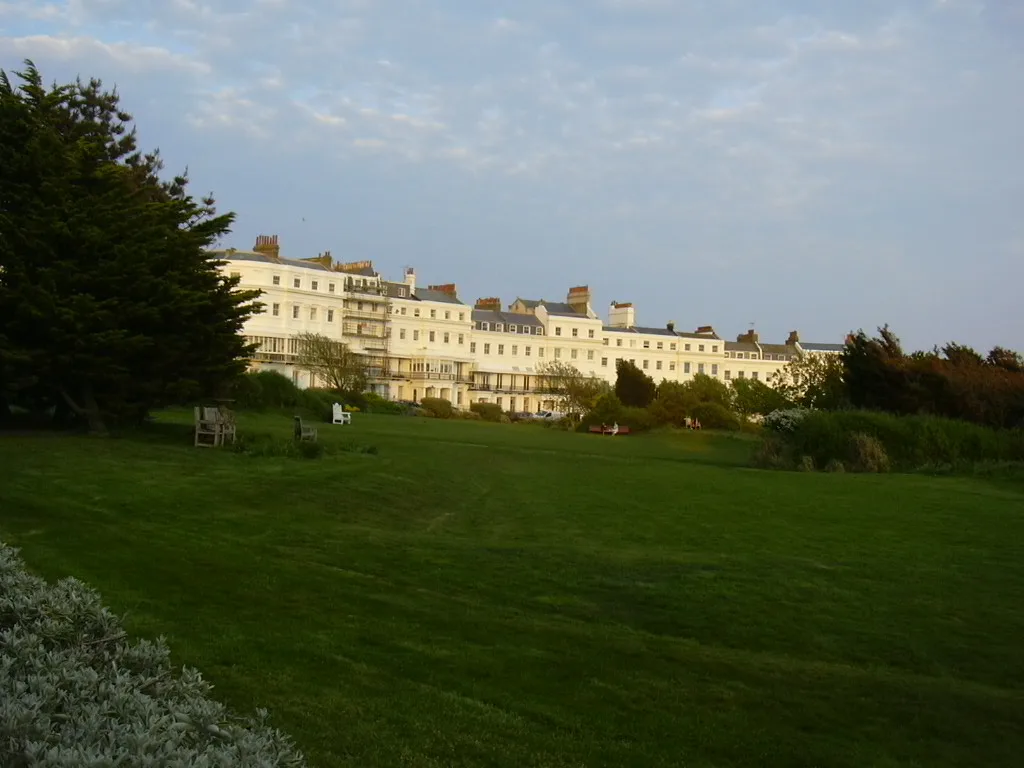
Kemp Town
Museums · 0.2 km

Antony Dale
Memorials & monuments · 0.2 km

Fife House
Historic houses · 0.2 km

Richard Addinsell
Memorials & monuments · 0.2 km

Lord Elwyn-Jones and Polly Binder
Memorials & monuments · 0.2 km
Dame Anna Neagle and Herbert Wilcox
Memorials & monuments · 0.2 km

Prince Petr Alexeyevich Kropotkin
Memorials & monuments · 0.2 km

Kemp Town Enclosures
Gardens · 0.3 km

Roedean School
Memorials & monuments · 0.3 km
Nearby
📷 5Memorials & monuments · South East England
Reverend Henry Venn Elliot and Charlotte Elliott
Reverend Henry Venn Elliot and Charlotte Elliott — a memorial in South East England, United Kingdom.
📷 5Historic churches · South East England
St Mary's Hall, Brighton
St Mary's Hall, Brighton — a school heritage in england-south-east, United Kingdom.
📷 5Memorials & monuments · South East England
Thomas Read Kemp
Thomas Read Kemp — a memorial in South East England, United Kingdom.
📷 5Museums · South East England
Kemp Town
Kemp Town — 19th-century residential estate within the Brighton area of Kemptown.
📷 5Memorials & monuments · South East England
Antony Dale
Antony Dale — a memorial in South East England, United Kingdom.
📷 5Historic houses · South East England
Fife House
Fife House — house in Brighton, East Sussex, England, UK.
Where to eat & stay near St Mark's Church, Brighton
Places to stay
 📷 5
📷 5 📷 5
📷 5B&Bs · South East England
Red Brighton Blue
Red Brighton Blue — a bed-and-breakfast in england south east.
📷 5 📷 5
📷 5 📷 5
📷 5Hotels · South East England
Cavalaire Hotel
Cavalaire Hotel — a hotel in england south east.
 📷 5
📷 5Hostels · South East England
New Steine Mews Hostel
New Steine Mews Hostel — a hostel in england south east.
Places to eat & drink
 📷 5
📷 5Cafés · South East England
June Cafe
June Cafe — a café in england south east.
 📷 5
📷 5 📷 5
📷 5Historic pubs · South East England
Marlborough Pub and Theatre
Marlborough Pub and Theatre in England South East, United Kingdom.
 📷 5
📷 5Historic pubs · South East England
Royal Pavilion Tavern
Royal Pavilion Tavern in England South East, United Kingdom.
 📷 5
📷 5Historic pubs · South East England
King and Queen, Brighton
King and Queen, Brighton in England South East, United Kingdom.
 📷 5
📷 5Restaurants · South East England
Bella Italia
Bella Italia — a restaurant in england south east. Cuisine: italian. Brand: Bella Italia.
Other places from this era
 📷 5
📷 5Historic churches · London
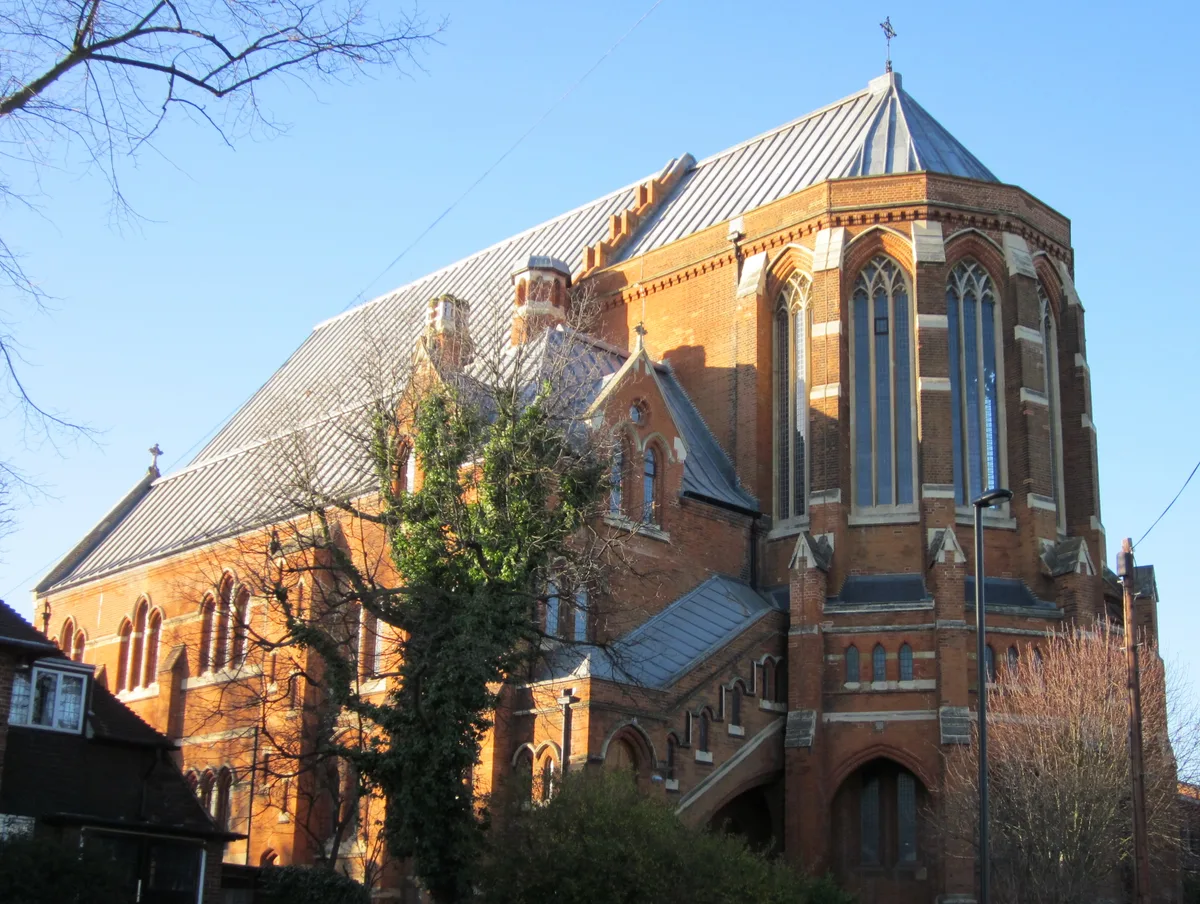
All Saints Church, West Dulwich
All Saints Church, West Dulwich — church in West Dulwich, London.
 📷 5
📷 5Historic churches · London
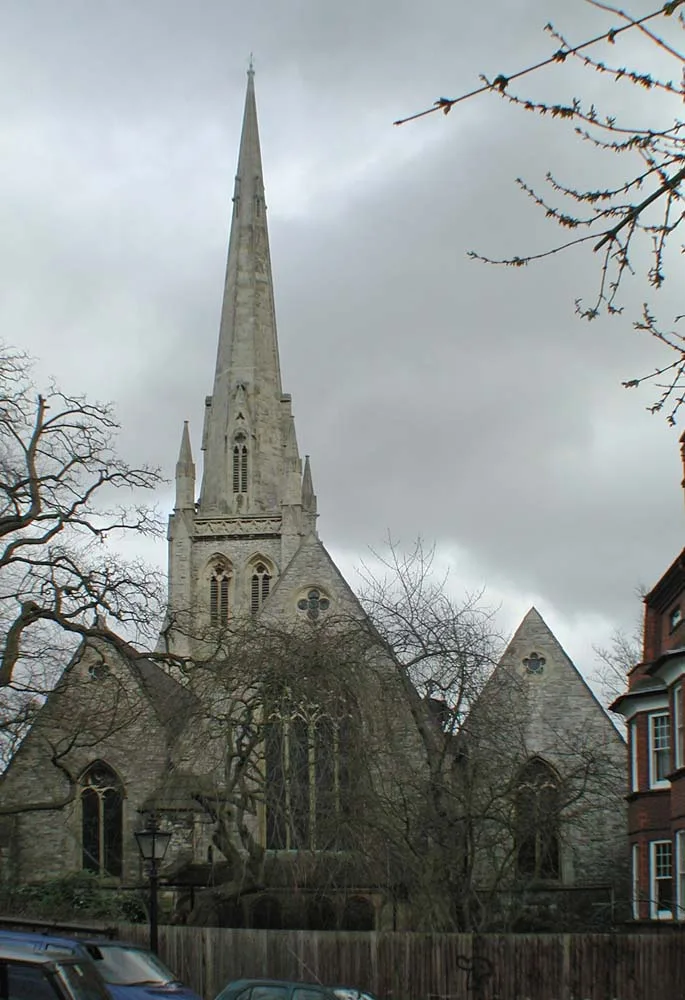
Christ Church
Christ Church — church in Hampstead, London.
 📷 5
📷 5Historic churches · London
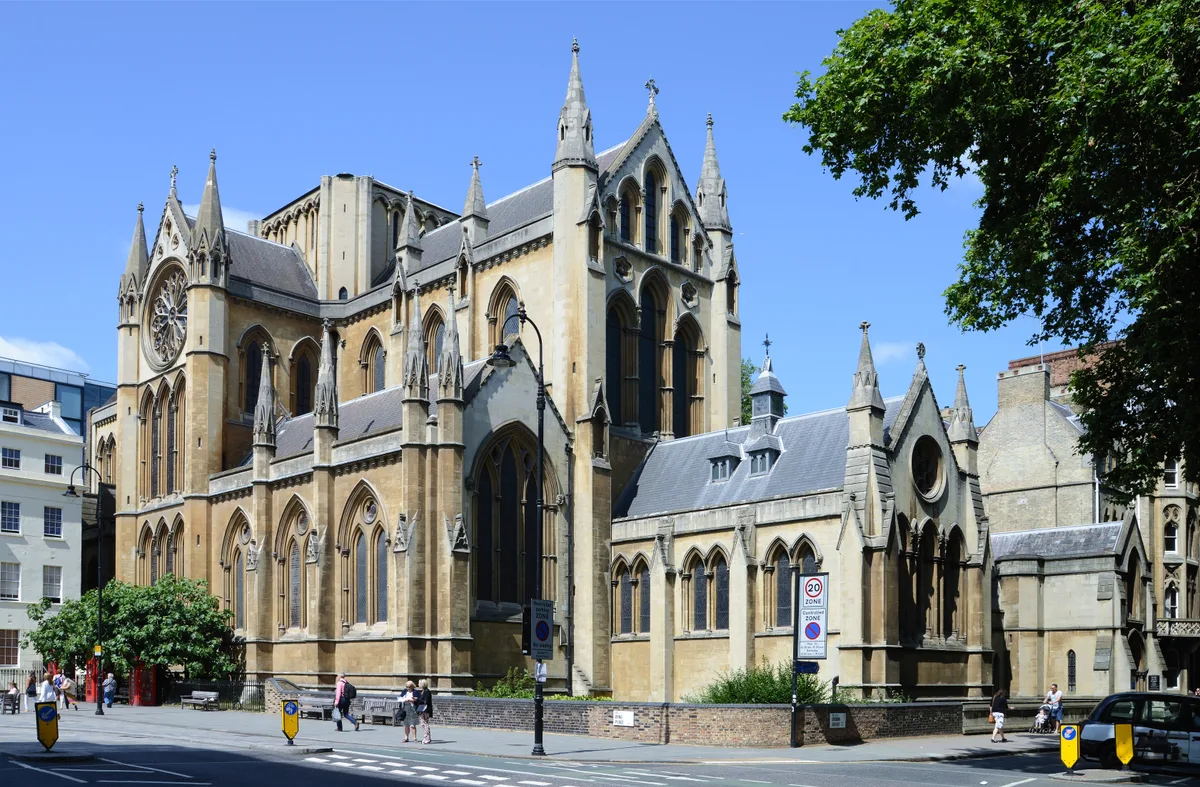
Church of Christ the King, Bloomsbury
Church of Christ the King, Bloomsbury — church in Gordon Square, Bloomsbury, London.
 📷 5
📷 5Historic churches · London
Church of St Barnabas
Church of St Barnabas — church in Pimlico, London.
More places in this region
 📷 5
📷 5Historic churches · South East England
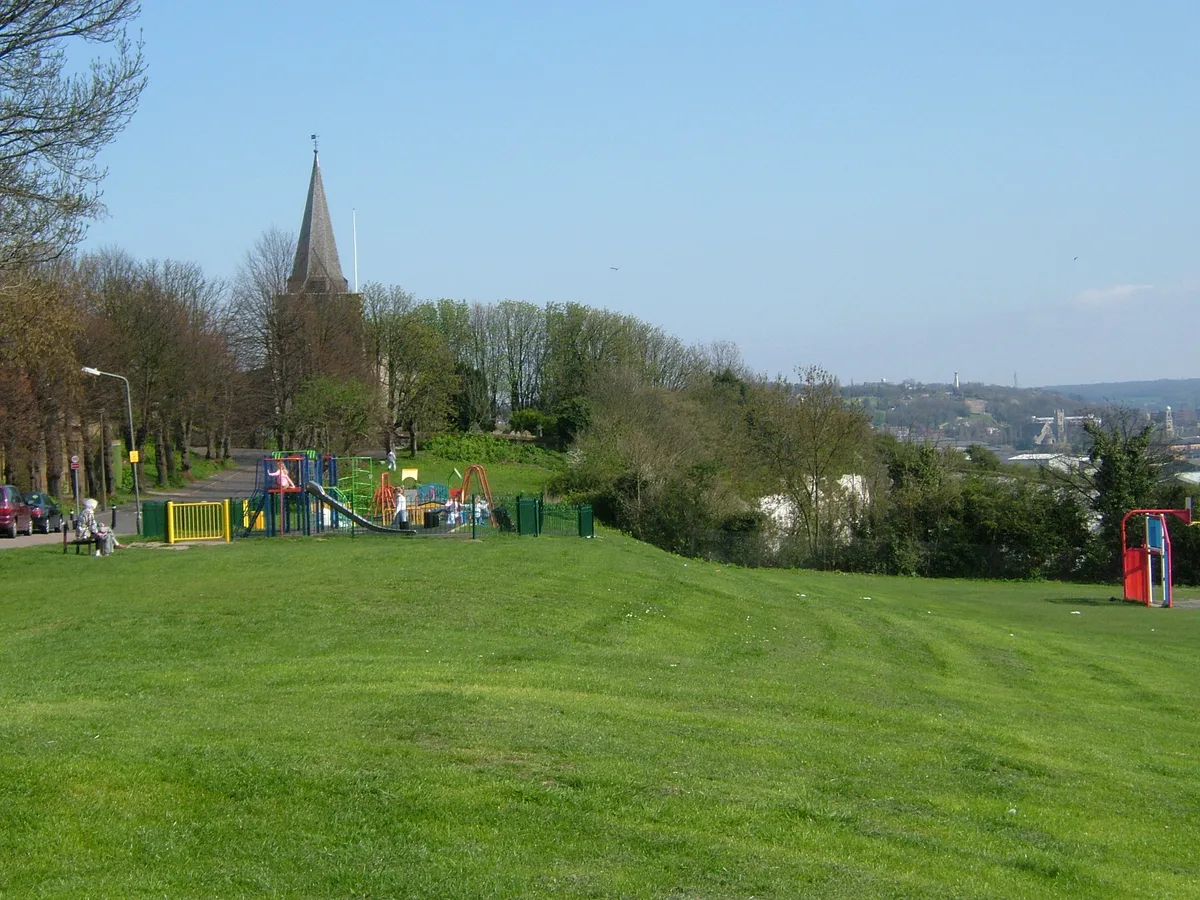
All Saints Church, Frindsbury
All Saints Church, Frindsbury — church in Medway, UK.
 📷 5
📷 5Historic churches · South East England
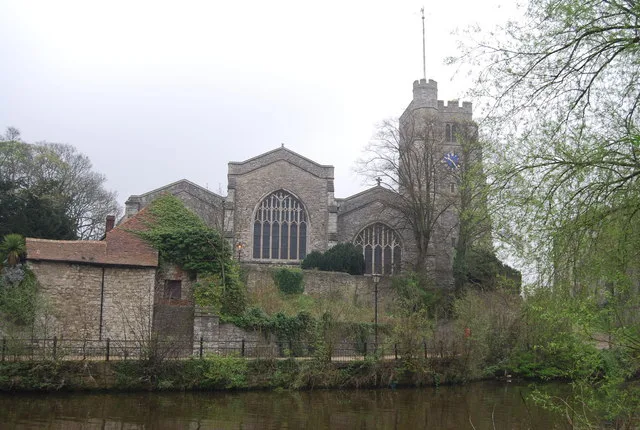
All Saints Church, Maidstone
All Saints Church, Maidstone — parish church associated with the Archbishop's Palace, Maidstone, Kent, England, UK.
 📷 5
📷 5Historic churches · South East England
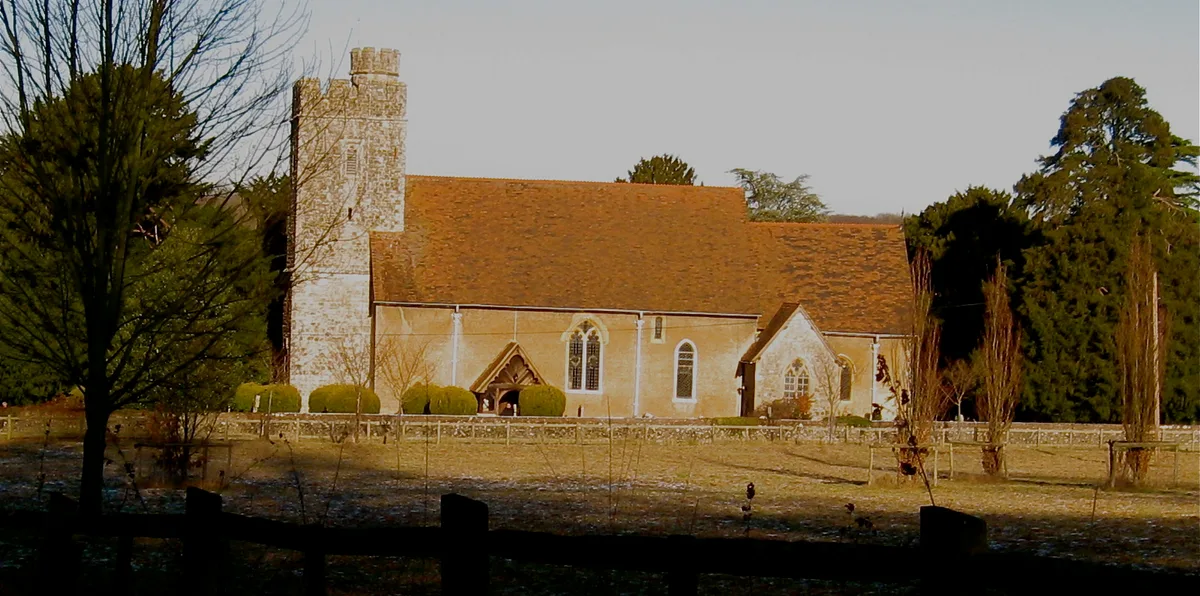
All Saints Church, West Farleigh
All Saints Church, West Farleigh — Grade I listed church in West Farleigh, Maidstone, Kent, England, UK.
 📷 5
📷 5Historic churches · South East England
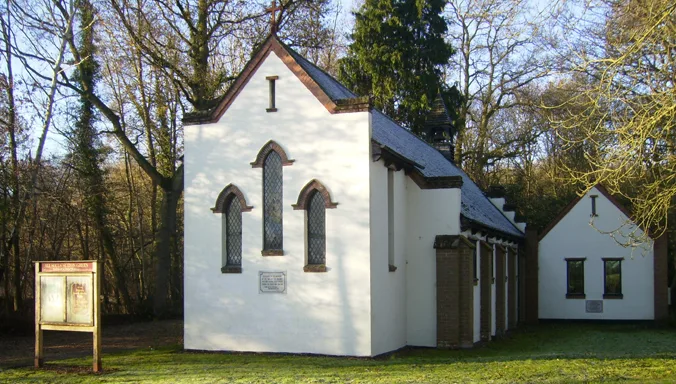
All Souls' Church, Sutton Green
All Souls' Church, Sutton Green — church in Guildford, England.
Frequently asked questions
- Where is St Mark's Church, Brighton?
- St Mark's Church, Brighton is in South-East England, United Kingdom (postcode BN2 5JN), in the parish of Brighton and Hove, unparished area.
- What is St Mark's Church, Brighton?
- St Mark's Church, Brighton — grade II listed church in Brighton and Hove, East Sussex, England, UK.
- How do I get to St Mark's Church, Brighton?
- The nearest railway station is Black Rock, about 0.3 km away. The nearest town is Brighton and Hove. Drivers can use postcode BN2 5JN.
- When was St Mark's Church, Brighton built?
- Built or established in 1849.
- Is St Mark's Church, Brighton a listed building?
- St Mark's Church, Brighton is officially recognised as Grade II listed building listed.
- Is St Mark's Church, Brighton free to visit?
- Yes, St Mark's Church, Brighton is free to enter.
- How do I get to St Mark's Church, Brighton?
- The nearest railway station is Black Rock, about 0.3 km away. Drivers can navigate to postcode BN2 5JN.