
Historic churches · North West England
St John the Baptist's Church, Pilling
In or near Winmarleigh.
St John the Baptist's Church, Pilling — church in Pilling, Wyre, Lancashire, England, UK.

Wikimedia Commons contributors — see linked file page for photographer and licence licence

Plan your visit
- Typical visit
- 30 min–1 h
- Free entry
About
St John the Baptist's Church, Pilling is a historic church in the United Kingdom. Records date its origin to 1887. Built in the Gothic Revival style. Heritage designation: Grade II* listed building. Affiliated with Anglicanism. Wikidata describes it as: "church in Pilling, Wyre, Lancashire, England, UK". Coordinates: 53.9303°, -2.9107°.
Photo gallery
Heritage listing
St John the Baptist's Church is in the village of Pilling, Lancashire, England. It is an active Anglican parish church in the deanery of Garstang, the archdeaconry of Lancaster and the diocese of Blackburn. The church is recorded in the National Heritage List for England as a designated Grade II* listed building. Its benefice is combined with those of St James, Stalmine, and St Mark, Eagland Hill. It is described as "a fine example of the late Gothic Revival church with much originality in detail".
From the Historic England List Entry under OGL v3.
Official information
St John the Baptist's Church in Pilling is a beautiful church located in a picturesque village. It features a choir and church bells that attract worshippers, providing a peaceful and tranquil environment for visitors.
Protected designations
- Site of Special Scientific Interest: Lune Estuary SSSI
- Ramsar wetland: Morecambe Bay
Designations sourced from Natural England open data under OGL v3.
From the Wikipedia article
St John the Baptist's Church is in the village of Pilling, Lancashire, England. It is an active Anglican parish church in the deanery of Garstang, the archdeaconry of Lancaster and the diocese of Blackburn. The church is recorded in the National Heritage List for England as a designated Grade II* listed building. Its benefice is combined with those of St James, Stalmine, and St Mark, Eagland Hill. It is described as "a fine example of the late Gothic Revival church with much originality in detail".
Excerpt from Wikipedia under CC BY-SA 4.0. See the source article linked in Sources below.
Background
History
The church was built in 1886–87 to replace the older Church of St John the Baptist on a site some 150 m to the north of the old church. It was designed by the Lancaster firm of Paley and Austin at a cost of £7,000 (), and provided seating for 410 people. Commenting on the church, the architectural historian Nikolaus Pevsner wrote "The fertility of Paley & Austin remains astonishing". In 1919–20 Henry Paley, of the same architectural practice, designed a 26 ft-high war memorial for the churchyard.
Architecture
Internally, the sandstone masonry is exposed and there is an open timber roof. The arcades are carried on octagonal piers. In the chancel is a double sedilia and a piscina. The stained glass in the east and west windows dates from the late 19th century. The two-manual organ was built in 1903, but its builder is uncertain. It was cleaned and restored in 1998 by David Wells of Liverpool. There is a ring of six bells, all cast by John Taylor & Co at various dates between 1934 and 1983.
Sourced from Wikipedia under CC BY-SA 4.0.
- Coordinates
- 53.9303, -2.9107
- County
- Lancashire
- District
- Wyre
- Parish
- Pilling
- Postcode
- PR3 6HB
- Parliamentary constituency
- Lancaster and Wyre
- Phone
- 07872056471
- Established
- 1887
- Official site
- www.achurchnearyou.com
Sources
- wikidata: Q7593729 (CC0)
- wikipedia: St John the Baptist's Church, Pilling (CC BY-SA 4.0)
- commons: Pilling, St John the Baptist Church.jpg (CC BY-SA 4.0)
Other places nearby
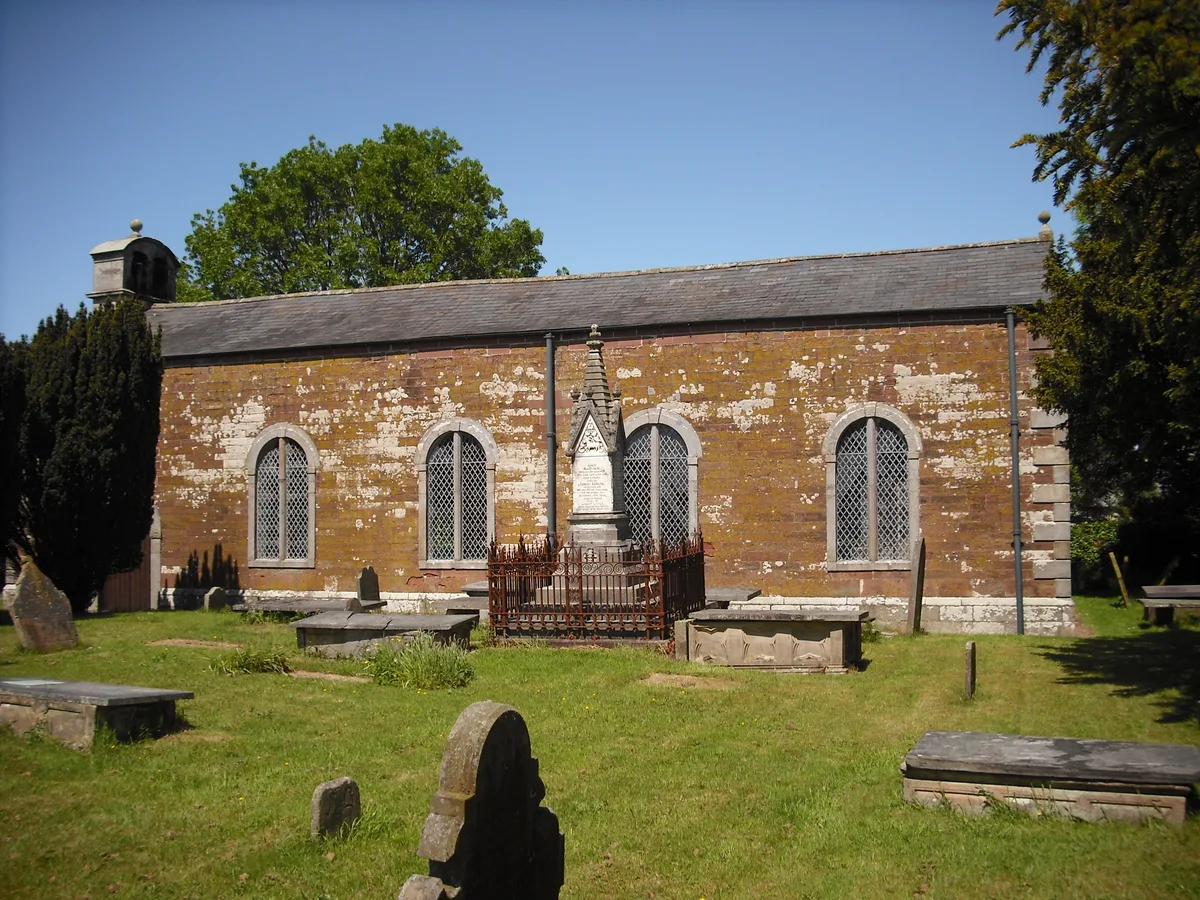
Old St John the Baptist's Church, Pilling
Historic churches · 0.1 km

Pilling
Villages · 0.2 km

Glenfield Leisure Park
Caravan parks · 0.4 km

Foldhouse Park
Caravan parks · 0.9 km

Elletson Park
Caravan parks · 1.2 km

Hudswell-Clark 1885
Memorials & monuments · 1.2 km

Midwood Caravan Park
Caravan parks · 2.0 km

Near Moss Farm Caravan Park
Caravan parks · 3.1 km

Willowgrove Leisure Park
Caravan parks · 3.7 km

Blue Bell Cottage Camping and Caravanning Club Certified Site
Campsites · 3.8 km

Woodside Residential Park
Caravan parks · 3.8 km

Preesall
Museums · 4.0 km
Nearby
📷 5Historic churches · North West England
Old St John the Baptist's Church, Pilling
Old St John the Baptist's Church, Pilling — church in Pilling, Wyre, Lancashire, England, UK.
📷 5📷 5Caravan parks · North West England
Glenfield Leisure Park
Glenfield Leisure Park — a caravan park in england north west.
📷 5Caravan parks · North West England
Foldhouse Park
Foldhouse Park — a caravan park in england north west.
📷 5Caravan parks · North West England
Elletson Park
Elletson Park — a caravan park in england north west.
📷 3Memorials & monuments · North West England
Hudswell-Clark 1885
Hudswell-Clark 1885 — a memorial in North West England, United Kingdom.
Where to eat & stay near St John the Baptist's Church, Pilling
Places to stay
📷 5Caravan parks · North West England
Glenfield Leisure Park
Glenfield Leisure Park — a caravan park in england north west.
📷 5Caravan parks · North West England
Foldhouse Park
Foldhouse Park — a caravan park in england north west.
📷 5Caravan parks · North West England
Elletson Park
Elletson Park — a caravan park in england north west.
📷 5Caravan parks · North West England
Midwood Caravan Park
Midwood Caravan Park — a caravan park in england north west.
📷 5Caravan parks · North West England
Near Moss Farm Caravan Park
Near Moss Farm Caravan Park — a caravan park in england north west.
📷 5Caravan parks · North West England
Willowgrove Leisure Park
Willowgrove Leisure Park — a caravan park in england north west.
Places to eat & drink
 📷 5
📷 5Historic pubs · North West England
The Stork
The Stork — Historic pub — listed building or notable heritage status.
 📷 5
📷 5Historic pubs · North West England
The Old Hall Inn
The Old Hall Inn in England North West, United Kingdom.
 📷 5
📷 5Historic pubs · North West England
Toll House Inn Hotel
Toll House Inn Hotel — Historic pub — listed building or notable heritage status.
 📷 7
📷 7Historic pubs · North West England
Ring O' Bells Public House
Ring O' Bells Public House in England North West, United Kingdom.
 📷 5
📷 5Historic pubs · North West England
Brown Cow Public House
Brown Cow Public House in England North West, United Kingdom.
 📷 5
📷 5Historic pubs · North West England
Blue Anchor Public House
Blue Anchor Public House in England North West, United Kingdom.
Other places from this era
 📷 5
📷 5Historic churches · London
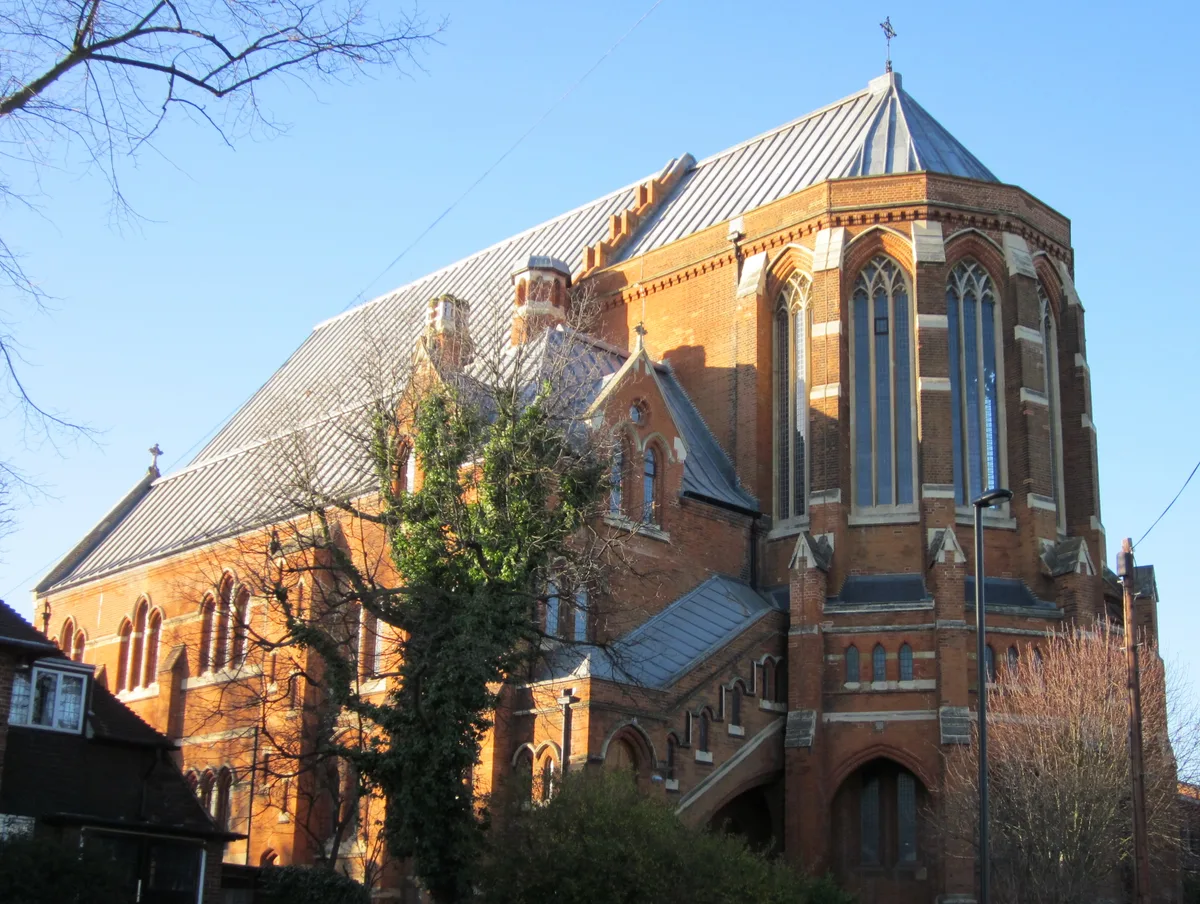
All Saints Church, West Dulwich
All Saints Church, West Dulwich — church in West Dulwich, London.
 📷 5
📷 5Historic churches · London
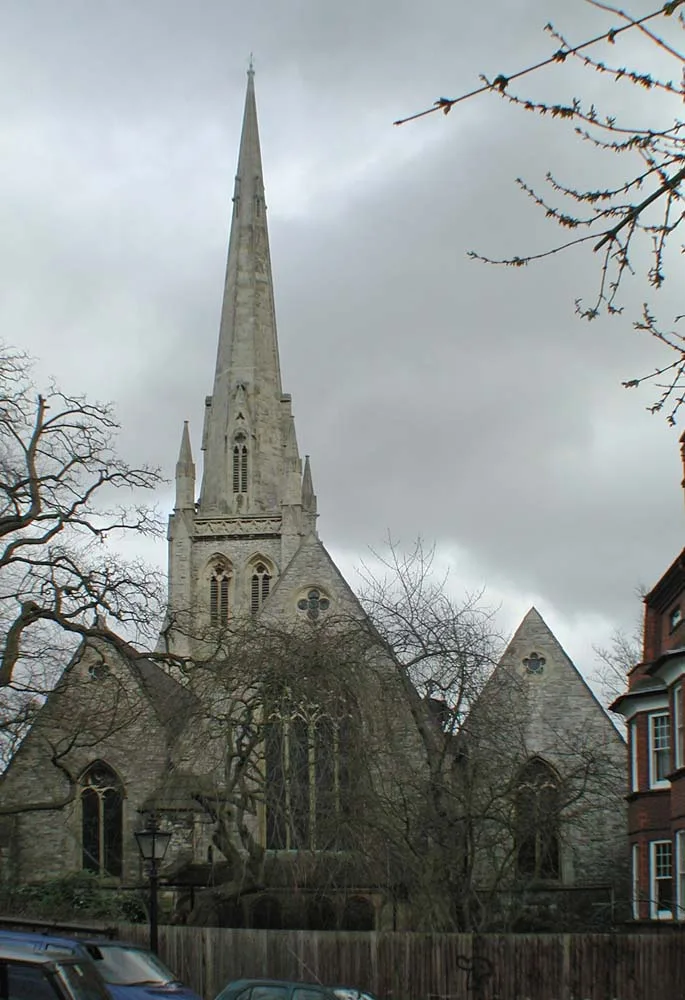
Christ Church
Christ Church — church in Hampstead, London.
 📷 5
📷 5Historic churches · London
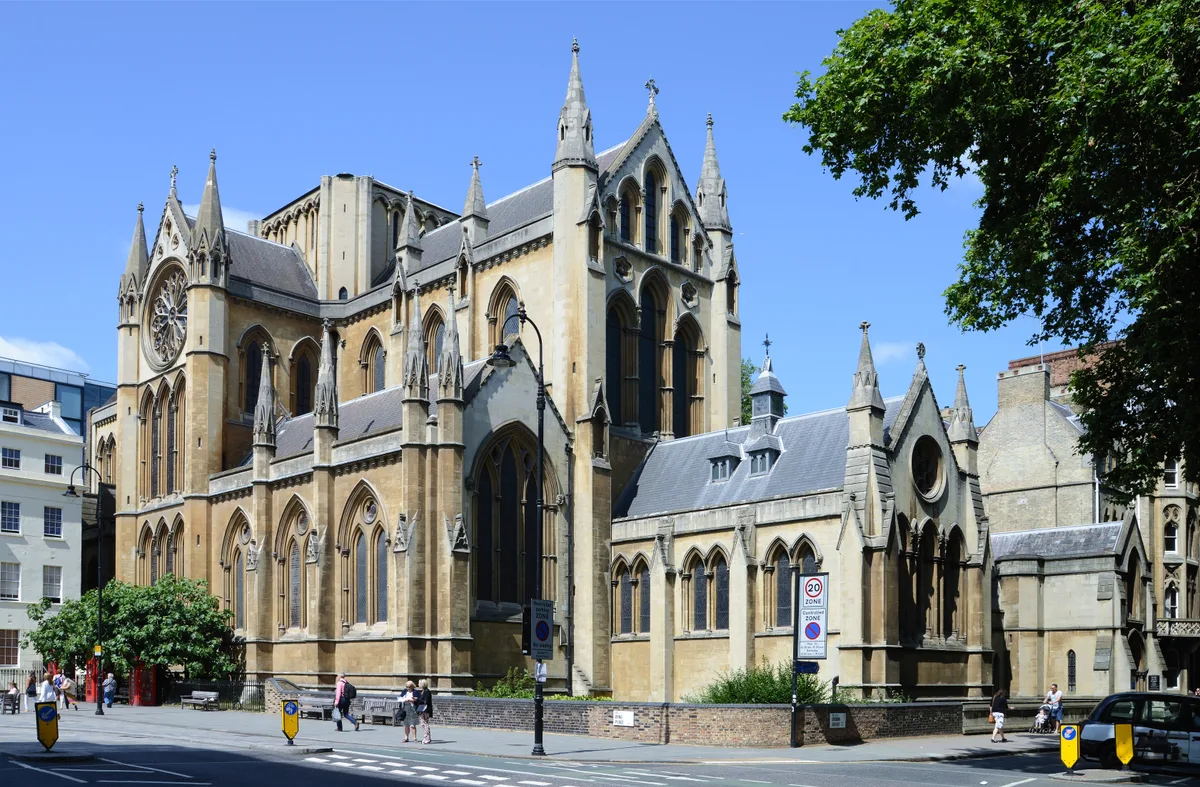
Church of Christ the King, Bloomsbury
Church of Christ the King, Bloomsbury — church in Gordon Square, Bloomsbury, London.
 📷 5
📷 5Historic churches · London
Church of St Barnabas
Church of St Barnabas — church in Pimlico, London.
More places in this region
 📷 3
📷 3Historic churches · North West England
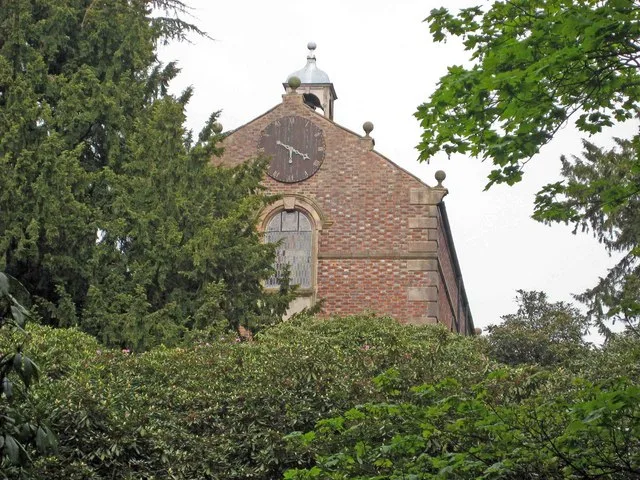
All Saints Chapel, Somerford
All Saints Chapel, Somerford — church in Cheshire East, Cheshire, England, UK.
 📷 3
📷 3Historic churches · North West England
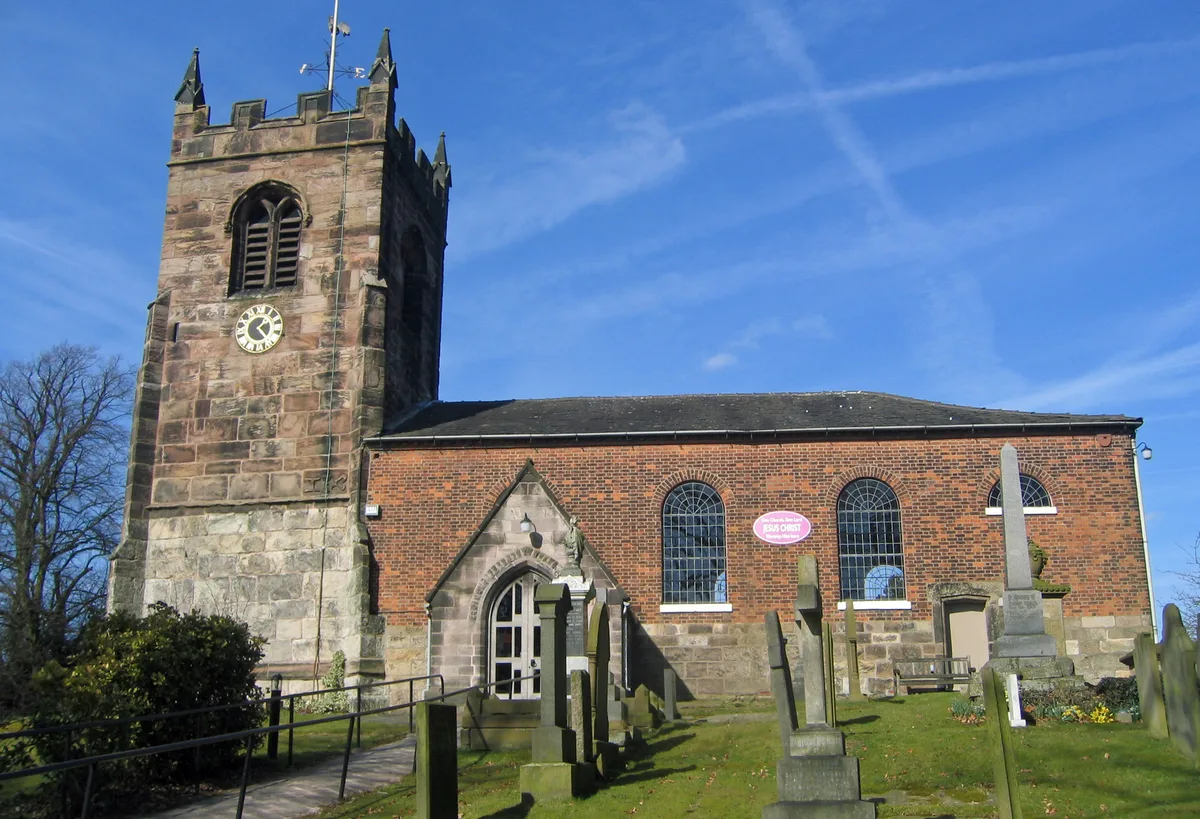
All Saints Church, Church Lawton
All Saints Church, Church Lawton — Grade II* listed church in Church Lawton, Cheshire East, Cheshire, England, UK.
 📷 3
📷 3Historic churches · North West England
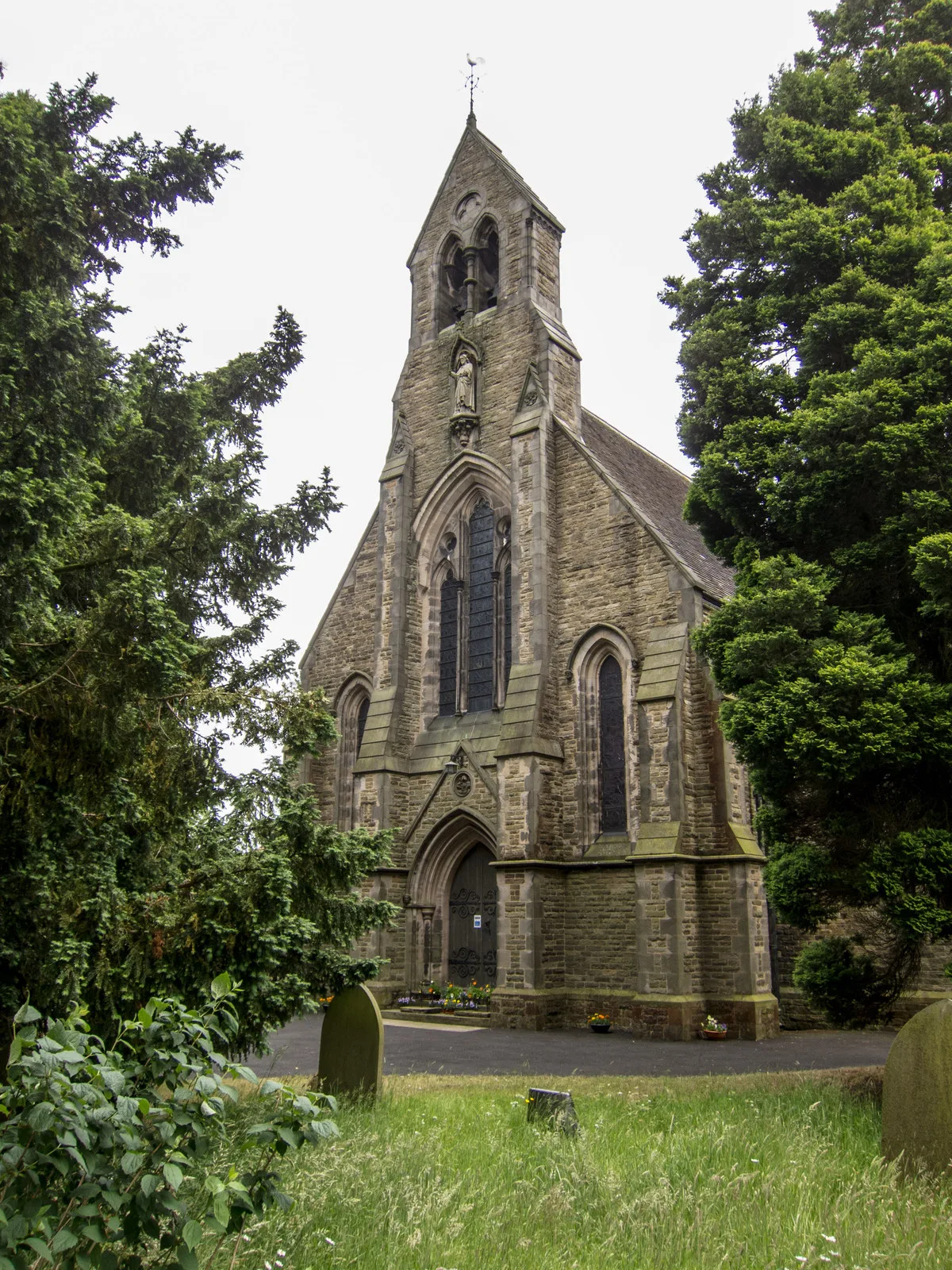
All Saints Church, Scholar Green
All Saints Church, Scholar Green — church in Cheshire East, Cheshire, England, UK.
 📷 3
📷 3Historic churches · North West England
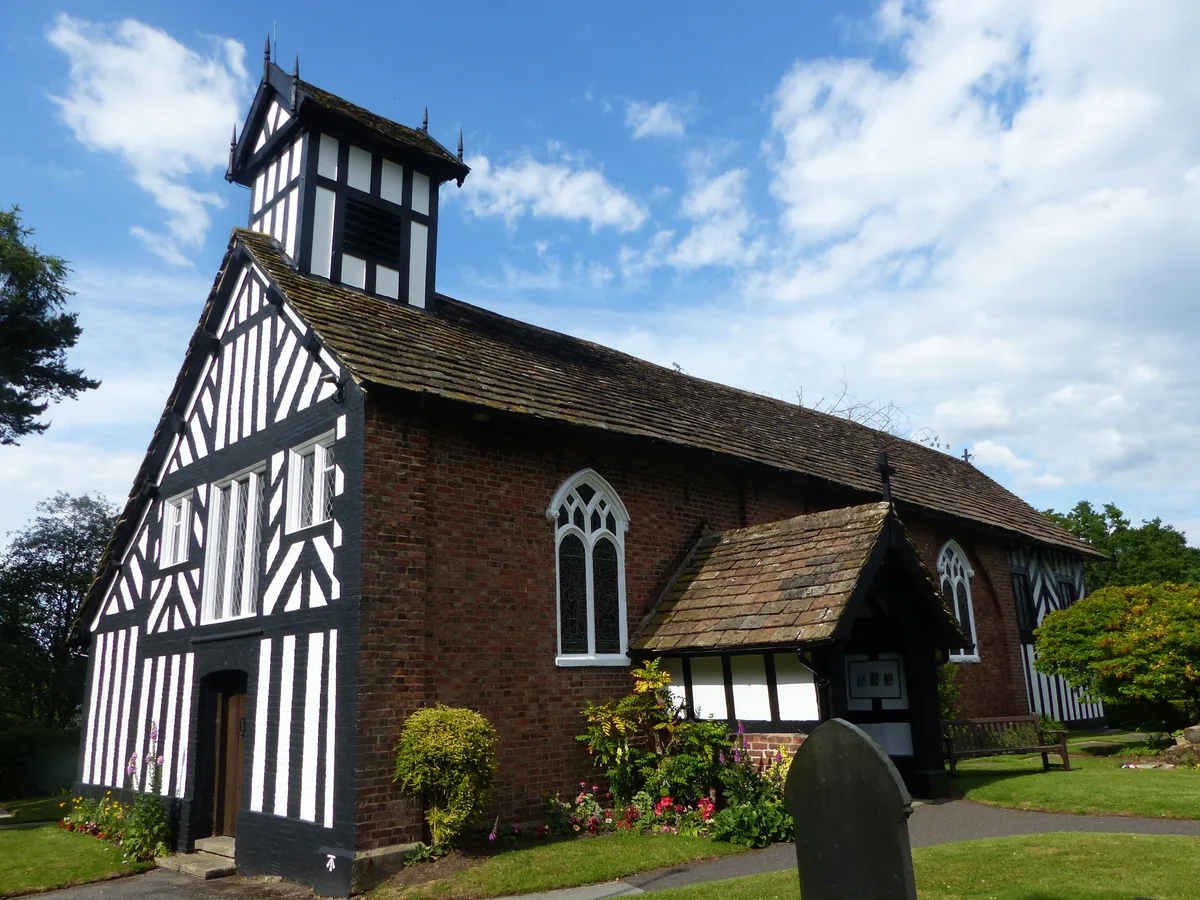
All Saints Church, Siddington
All Saints Church, Siddington — church in Cheshire East, Cheshire, England, UK.
Frequently asked questions
- Where is St John the Baptist's Church, Pilling?
- St John the Baptist's Church, Pilling is in Lancashire, North-West England, United Kingdom (postcode PR3 6HB), in the parish of Pilling.
- What is St John the Baptist's Church, Pilling?
- St John the Baptist's Church, Pilling — church in Pilling, Wyre, Lancashire, England, UK.
- How do I get to St John the Baptist's Church, Pilling?
- The nearest town is Winmarleigh. Drivers can use postcode PR3 6HB.
- When was St John the Baptist's Church, Pilling built?
- Built or established in 1887.
- Is St John the Baptist's Church, Pilling a listed building?
- St John the Baptist's Church, Pilling is officially recognised as Grade II* listed building listed.
- Is St John the Baptist's Church, Pilling a protected site?
- Yes — St John the Baptist's Church, Pilling is part of the Lune Estuary SSSI Site of Special Scientific Interest and the Morecambe Bay Ramsar wetland.
- Is St John the Baptist's Church, Pilling free to visit?
- Yes, St John the Baptist's Church, Pilling is free to enter.
- How do I get to St John the Baptist's Church, Pilling?
- Drivers can navigate to postcode PR3 6HB. It sits within the Lancaster and Wyre parliamentary constituency.