
Historic churches · North West England
St Hildeburgh's Church, Hoylake
In or near Meols.
St Hildeburgh's Church, Hoylake — grade II listed church in Hoylake, Wirral, Merseyside, England, UK.

Wikimedia Commons contributors — see linked file page for photographer and licence licence

Plan your visit
- Typical visit
- 30 min–1 h
- Nearest railway station
- Hoylake · 0.3 km
- Free entry
Getting there & planning your visit
To visit St Hildeburgh's Church in Hoylake, the nearest railway station is Hoylake, located 0.3 km away. Entry to the church is free.
About
St Hildeburgh's Church, Hoylake is a historic church in the United Kingdom. Records date its origin to 1899. Designed by Edmund Kirby. Built in the Gothic Revival style. Heritage designation: Grade II listed building. Affiliated with Anglicanism. Wikidata describes it as: "grade II listed church in Hoylake, Wirral, Merseyside, England, UK". Coordinates: 53.3909°, -3.1837°.
Photo gallery
Heritage listing
St Hildeburgh's Parish Church is in Stanley Road, Hoylake, Wirral, Merseyside, England. It is an active Anglican church in the deanery of Wirral, North, the archdeaconry of Chester and the diocese of Chester. The church is recorded in the National Heritage List for England as a designated Grade II listed building.
From the Historic England List Entry under OGL v3.
Protected designations
- Site of Special Scientific Interest: Dee Estuary SSSI
- Site of Special Scientific Interest: North Wirral Foreshore SSSI
- Ramsar wetland: Mersey Narrows & North Wirral Foreshore
- Ramsar wetland: The Dee Estuary
Designations sourced from Natural England open data under OGL v3.
From the Wikipedia article
St Hildeburgh's Parish Church is in Stanley Road, Hoylake, Wirral, Merseyside, England. It is an active Anglican church in the deanery of Wirral, North, the archdeaconry of Chester and the diocese of Chester. The church is recorded in the National Heritage List for England as a designated Grade II listed building.
Excerpt from Wikipedia under CC BY-SA 4.0. See the source article linked in Sources below.
Background
History
The district that now forms Hoylake was originally in the ancient parish of West Kirby, with the area now occupied by Hoylake, Meols, West Kirby and other surrounding settlements being part of that parish. With the growing popularity of sea bathing from the mid eighteenth century onwards, the existing small settlement of fishing families grew into the seaside resort of Hoylake. This development was very much the work of the major landowning family, the Stanleys. The Stanleys constructed Hoylake's first hotel (called "The Royal") in 1792, on what is now Stanley Road, Hoylake. Close by, they established a racecourse on the land now occupied by the golf links of the Royal Liverpool Golf Club.…
Architecture
Inside the church the five-bay arcades are carried on round piers of polished granite. There is a low chancel screen, and a richly carved octagonal timber pulpit with a tester. Between the chancel and the chapel is a three-bay arcade with a parclose screen. The timber reredos is richly carved, and includes a panel in tile and mosaic of the Good Shepherd. On the north wall of the chancel are three painted panels, and in the south wall is a sedilia with crocketed gables. The font is octagonal and is carved with the symbols of the four evangelists. In the south wall of the chancel is a window of 2009 showing scenes of the Liverpool waterfront by David Hillhouse. A new second pipe organ was…
Sourced from Wikipedia under CC BY-SA 4.0.
- Coordinates
- 53.3909, -3.1837
- District
- Wirral
- Parish
- Wirral, unparished area
- Postcode
- CH47 1JA
- Parliamentary constituency
- Wirral West
- Established
- 1899
- Nearest railway station
- Hoylake — 0.3 km
- Official site
- www.sthildeburgh.net
Sources
- wikidata: Q15979365 (CC0)
- wikipedia: St Hildeburgh's Church, Hoylake (CC BY-SA 4.0)
- commons: Church of St Hildeburgh, Hoylake - geograph.org.uk - 1502795.jpg (CC BY-SA 4.0)
Other places nearby
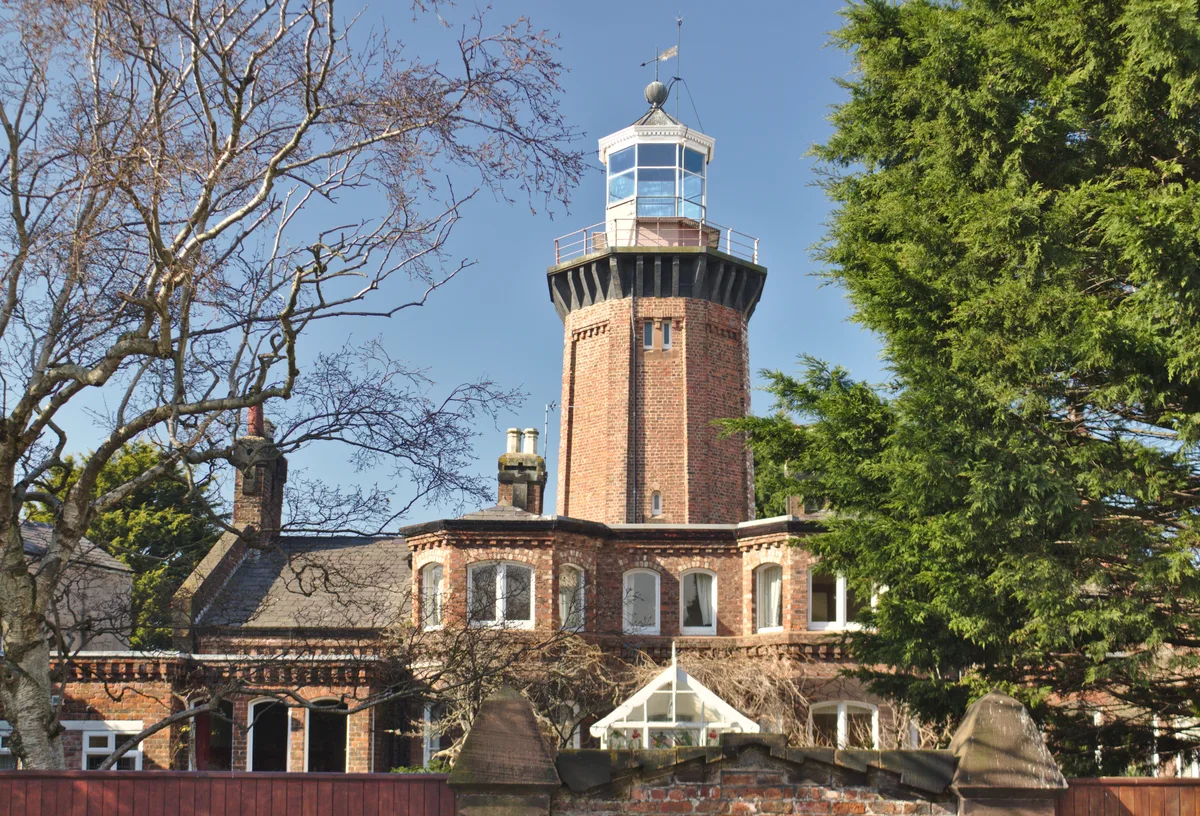
Hoylake Lighthouse
Lighthouses · 0.1 km

Knots
Public art & sculpture · 0.2 km
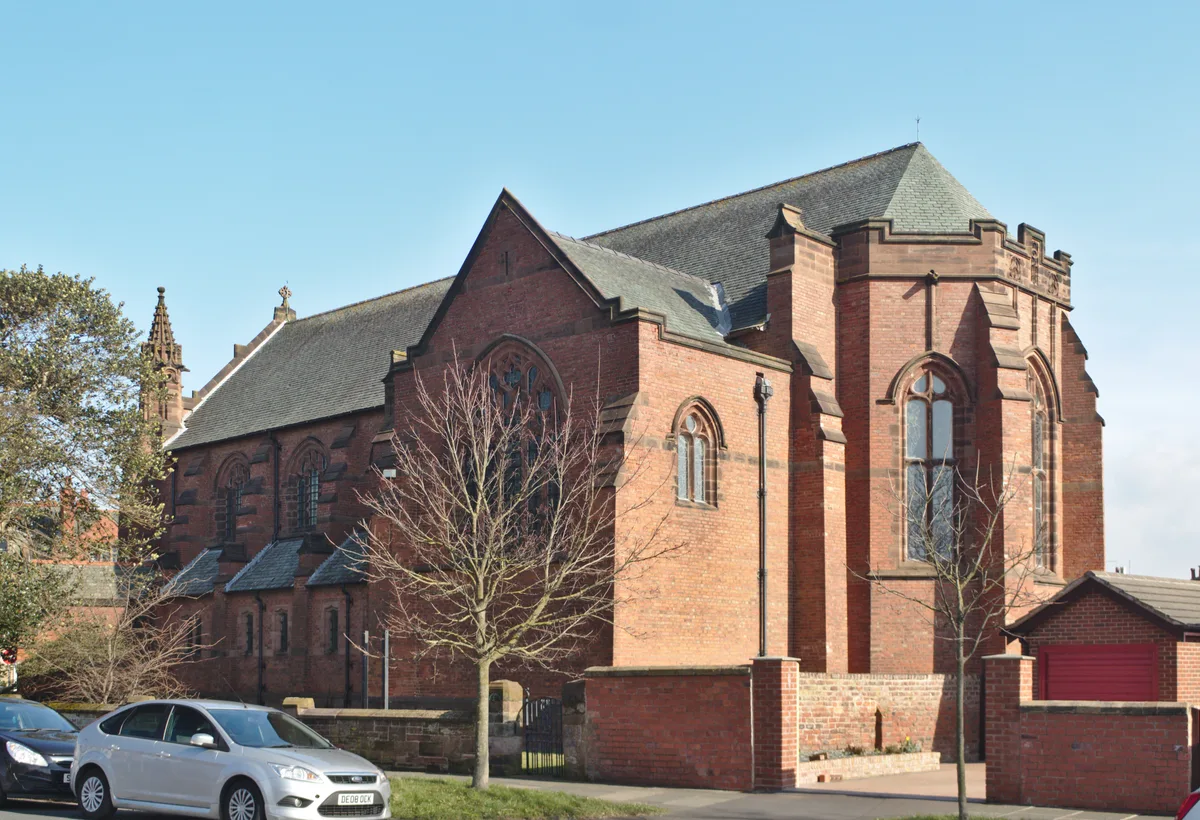
Congregational Church, Hoylake
Historic churches · 0.2 km

Hoylake
Museums · 0.3 km
_CWGC_gravestone_at_Holy_Trinity%2C_Hoylake.jpg?width=1200)
Holy Trinity Church, Hoylake
Historic churches · 0.7 km

Royal Liverpool Golf Club, Hoylake
Golf courses · 0.8 km

East Hoyle Bank
Beaches · 0.9 km

East Hoyle Bank
Beaches · 1.1 km

Kingsmead School
Natural landmarks · 1.3 km
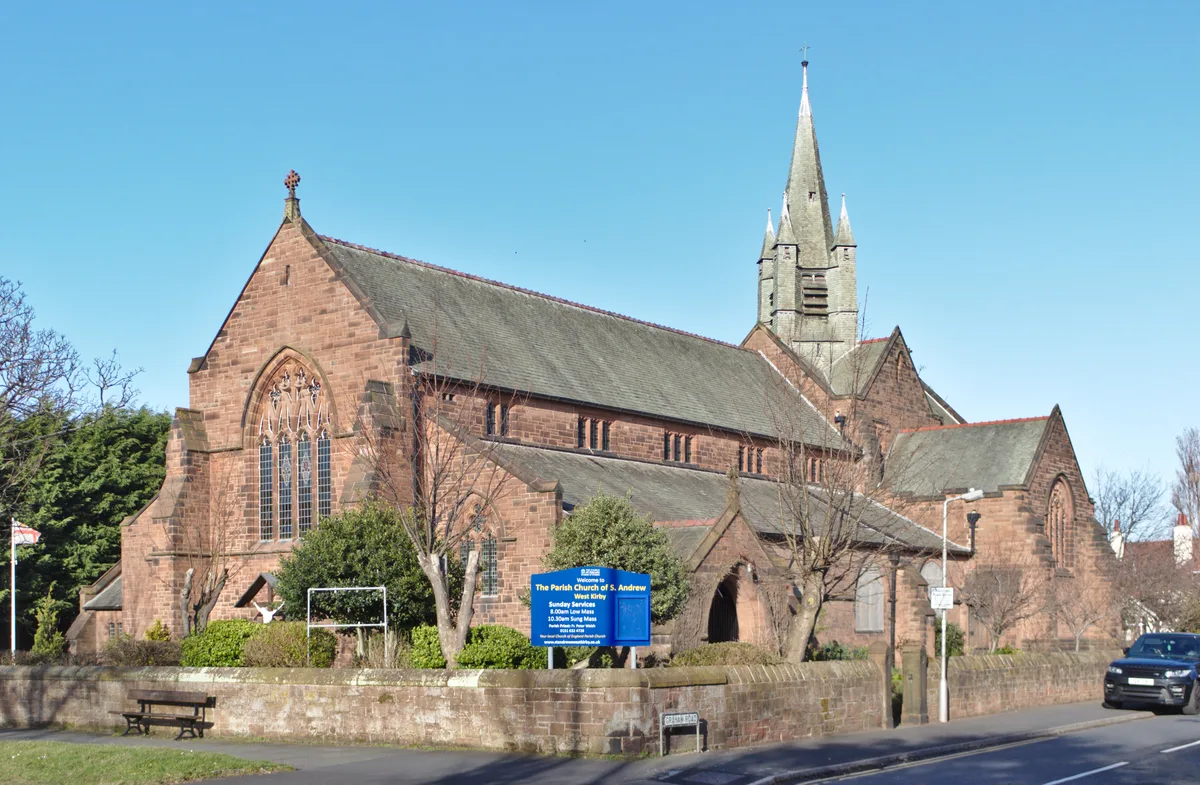
St Andrew's Church, West Kirby
Historic churches · 1.7 km

Hoylake and West Kirby War Memorial
Memorials & monuments · 1.8 km

West Kirby Cenotaph
Memorials & monuments · 1.8 km
Nearby
📷 3Lighthouses · North West England
Hoylake Lighthouse
Hoylake Lighthouse — lighthouse in Wirral, Merseyside, England, UK.
📷 3Public art & sculpture · North West England
Knots
Knots — a public art in North West England, United Kingdom.
📷 3Historic churches · North West England
Congregational Church, Hoylake
Congregational Church, Hoylake — Grade II listed church in Hoylake, Wirral, Merseyside, England, UK.
📷 5📷 3Historic churches · North West England
Holy Trinity Church, Hoylake
Holy Trinity Church, Hoylake — former church in Hoylake, Wirral England.
📷 5Golf courses · North West England
Royal Liverpool Golf Club, Hoylake
Royal Liverpool Golf Club, Hoylake — Championship golf course in the United Kingdom.
Where to eat & stay near St Hildeburgh's Church, Hoylake
Places to stay
 📷 5
📷 5Caravan parks · North West England
Park Lane Caravan Park
Park Lane Caravan Park — a caravan park in wales north.
 📷 5
📷 5 📷 5
📷 5 📷 5
📷 5Caravan parks · North Wales
The Vicarage Caravan Park
The Vicarage Caravan Park — a caravan park in wales north.
 📷 5
📷 5 📷 5
📷 5Caravan parks · North Wales
Point of Ayr Caravan Park
Point of Ayr Caravan Park — a caravan park in wales north.
Places to eat & drink
 📷 5
📷 5Historic pubs · North West England
Former bank and residence
Former bank and residence in Wales North, United Kingdom.
 📷 5
📷 5Historic pubs · North West England
That Part Of The Brighton Public House Contained Within Buchanan Road The Brighton Public House
That Part Of The Brighton Public House Contained Within Buchanan Road The Brighton Public House in Wales North, United Kingdom.
 📷 5
📷 5Historic pubs · North West England
The Copperfield Public House
The Copperfield Public House in Wales North, United Kingdom.
 📷 5
📷 5Restaurants · North West England
Panoramic (restaurant)
Panoramic 34 is a restaurant and bar located on the 34th floor of West Tower, Liverpool. It is 300 feet above ground and claims to be 'one of the UK's highest restaurants' with views as far away as No
 📷 5
📷 5Historic pubs · North West England
Rigby's Buildings
Rigby's Buildings in Wales North, United Kingdom.
 📷 5
📷 5Historic pubs · North West England
Baltic Fleet
Baltic Fleet — Historic pub — listed building or notable heritage status.
Other works by Edmund Kirby
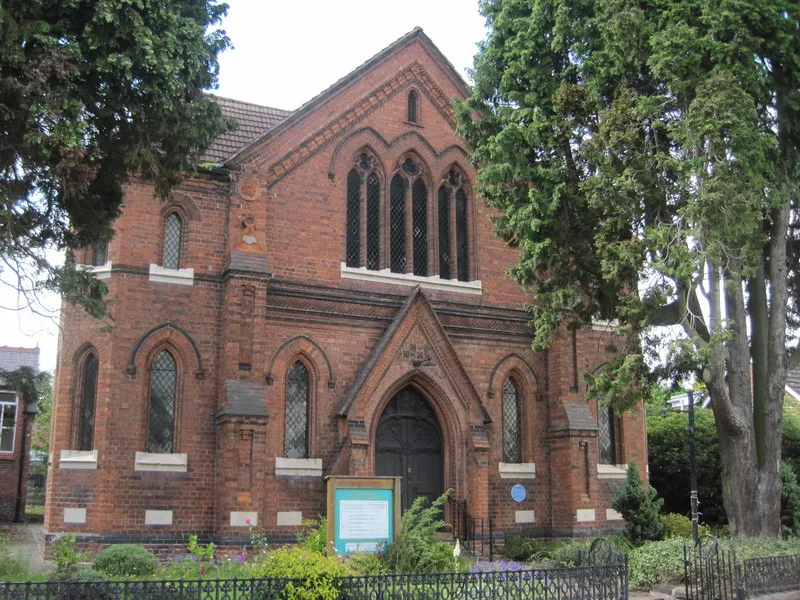 📷 3
📷 3Historic churches · North West England
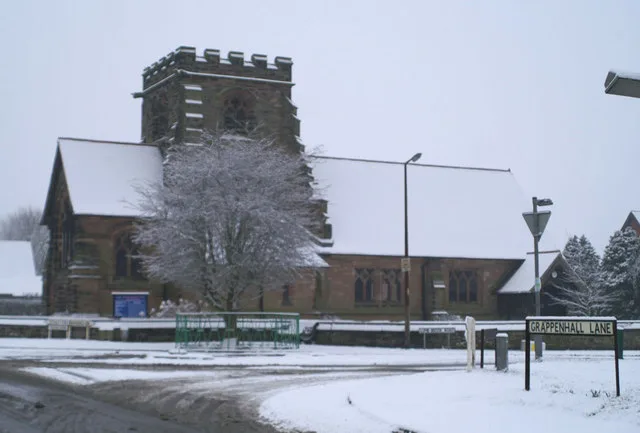
Methodist Church, Weaverham
Methodist Church, Weaverham — grade II listed church in Weaverham, Cheshire West and Chester, Cheshire, England, UK.
 📷 3
📷 3Historic churches · North West England
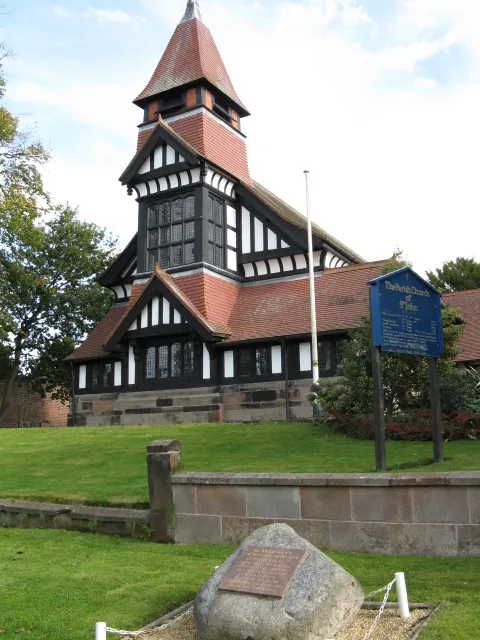
St Cross Church, Appleton Thorn
St Cross Church, Appleton Thorn — Grade II listed church in Cheshire, England, UK.
 📷 3
📷 3Historic churches · North West England
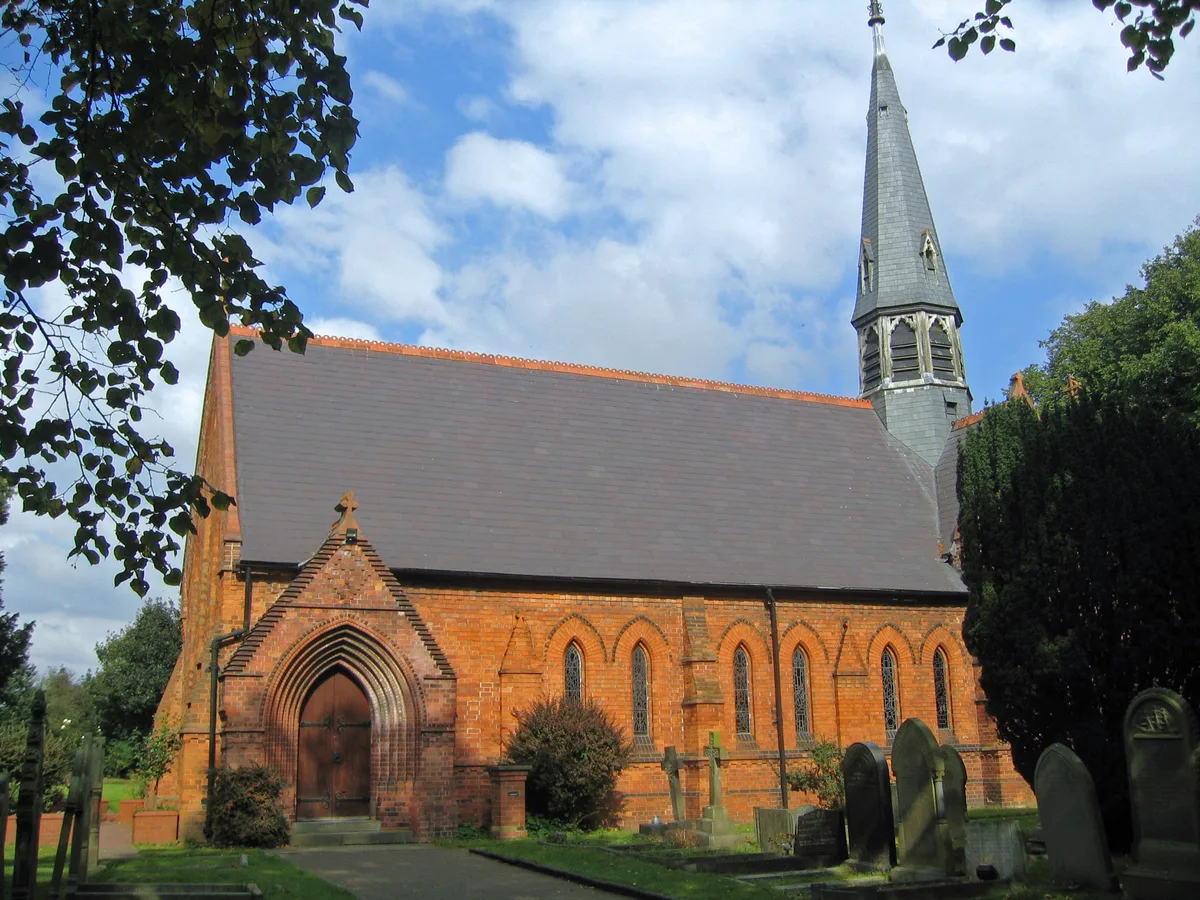
St John's Church, High Legh
St John's Church, High Legh — grade II listed timber-framed church in High Legh, Cheshire, England, UK.
 📷 3
📷 3Historic churches · North West England
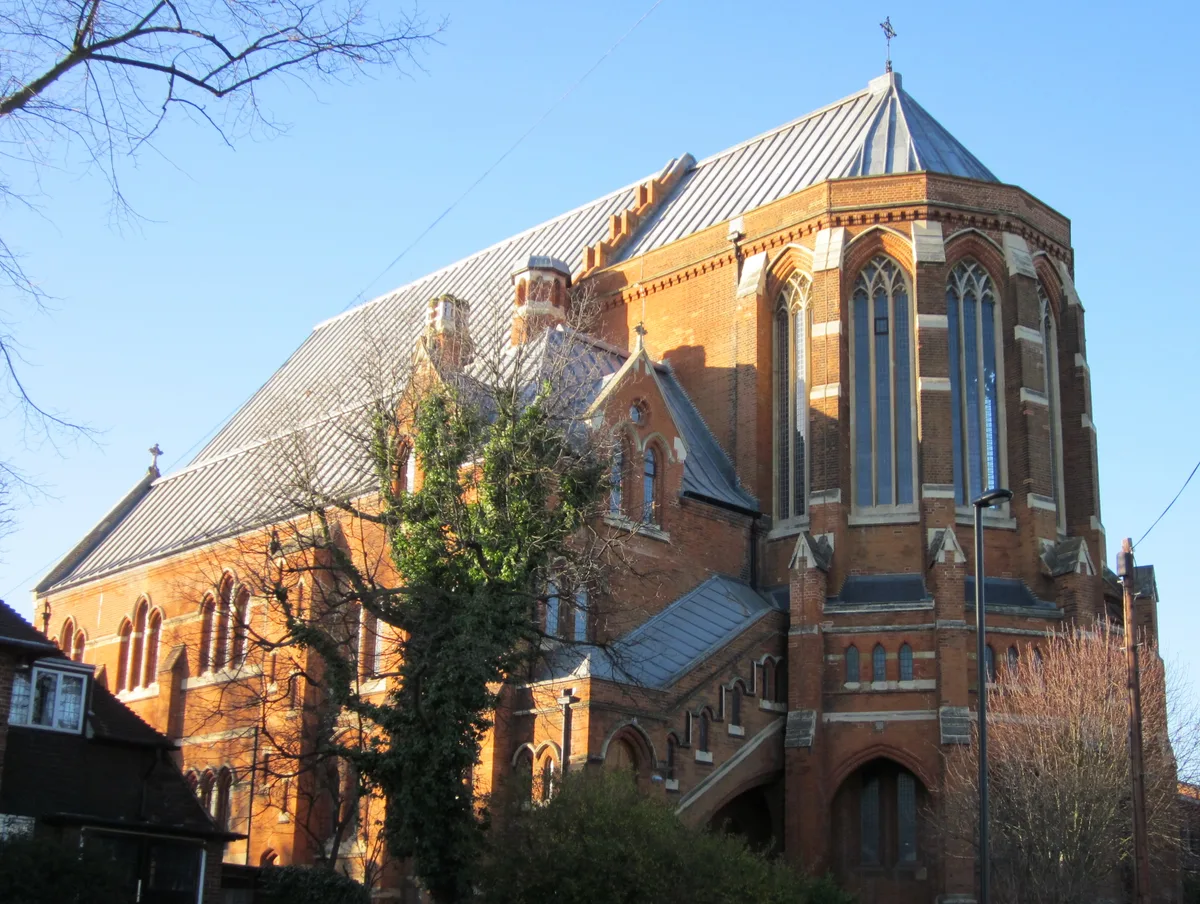
St Michael and All Angels Church, Little Leigh
St Michael and All Angels Church, Little Leigh — Grade II listed church in Little Leigh, Cheshire West and Chester, Cheshire, England, UK.
Other places from this era
 📷 5
📷 5Historic churches · London
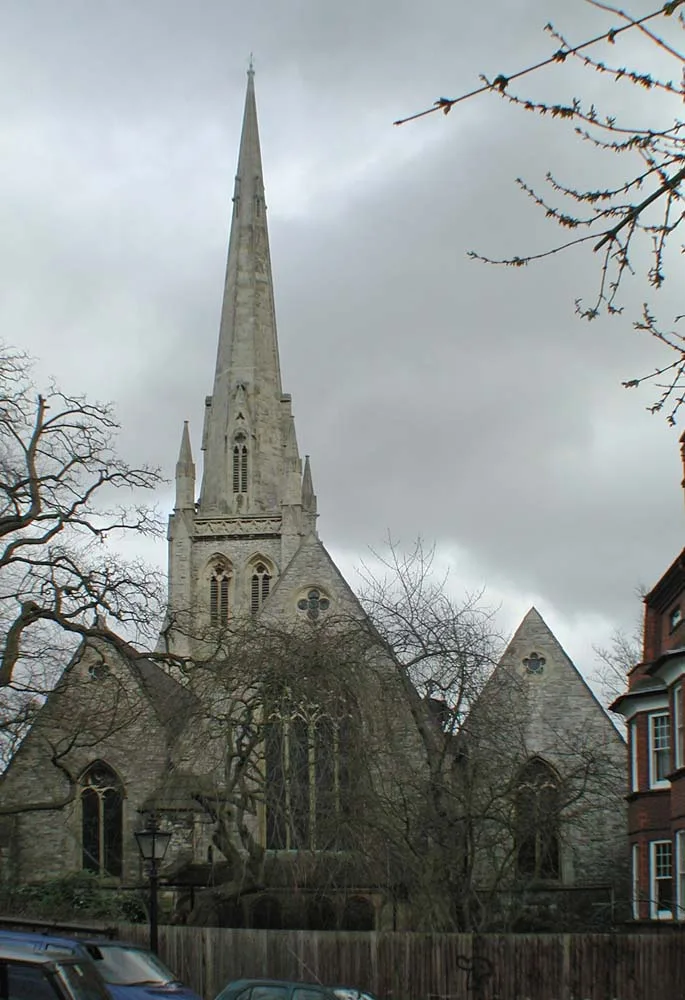
All Saints Church, West Dulwich
All Saints Church, West Dulwich — church in West Dulwich, London.
 📷 5
📷 5Historic churches · London
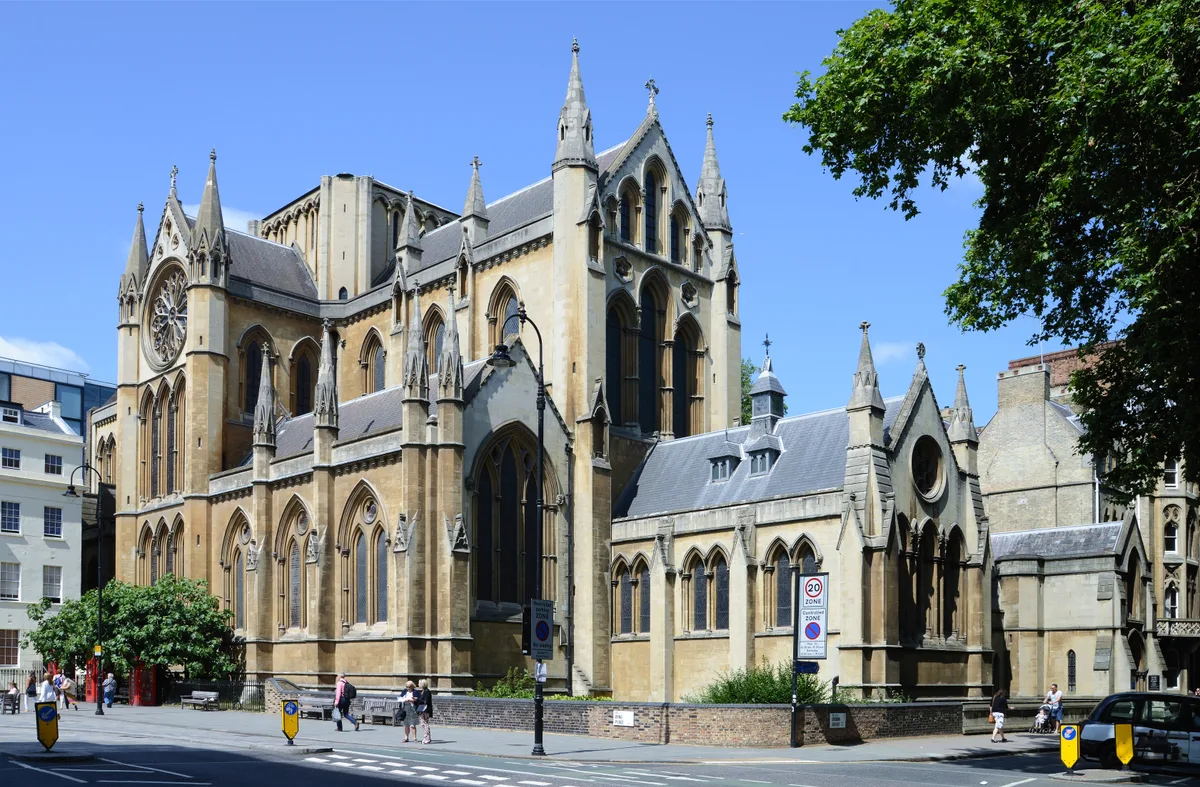
Christ Church
Christ Church — church in Hampstead, London.
 📷 5
📷 5Historic churches · London
Church of Christ the King, Bloomsbury
Church of Christ the King, Bloomsbury — church in Gordon Square, Bloomsbury, London.
 📷 5
📷 5Historic churches · London
Church of St Barnabas
Church of St Barnabas — church in Pimlico, London.
More places in this region
 📷 3
📷 3Historic churches · North West England
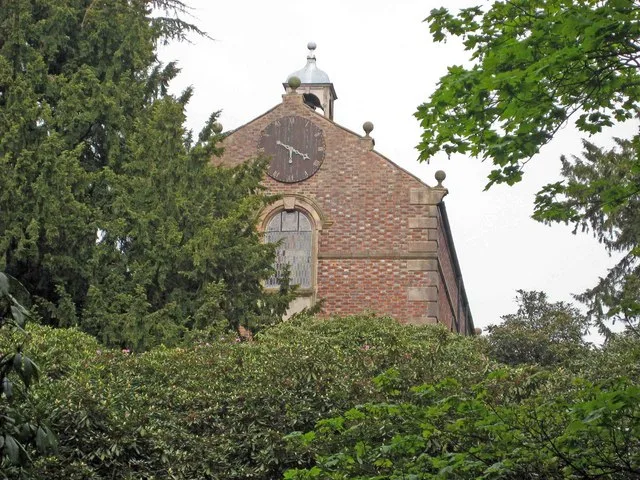
All Saints Chapel, Somerford
All Saints Chapel, Somerford — church in Cheshire East, Cheshire, England, UK.
 📷 3
📷 3Historic churches · North West England
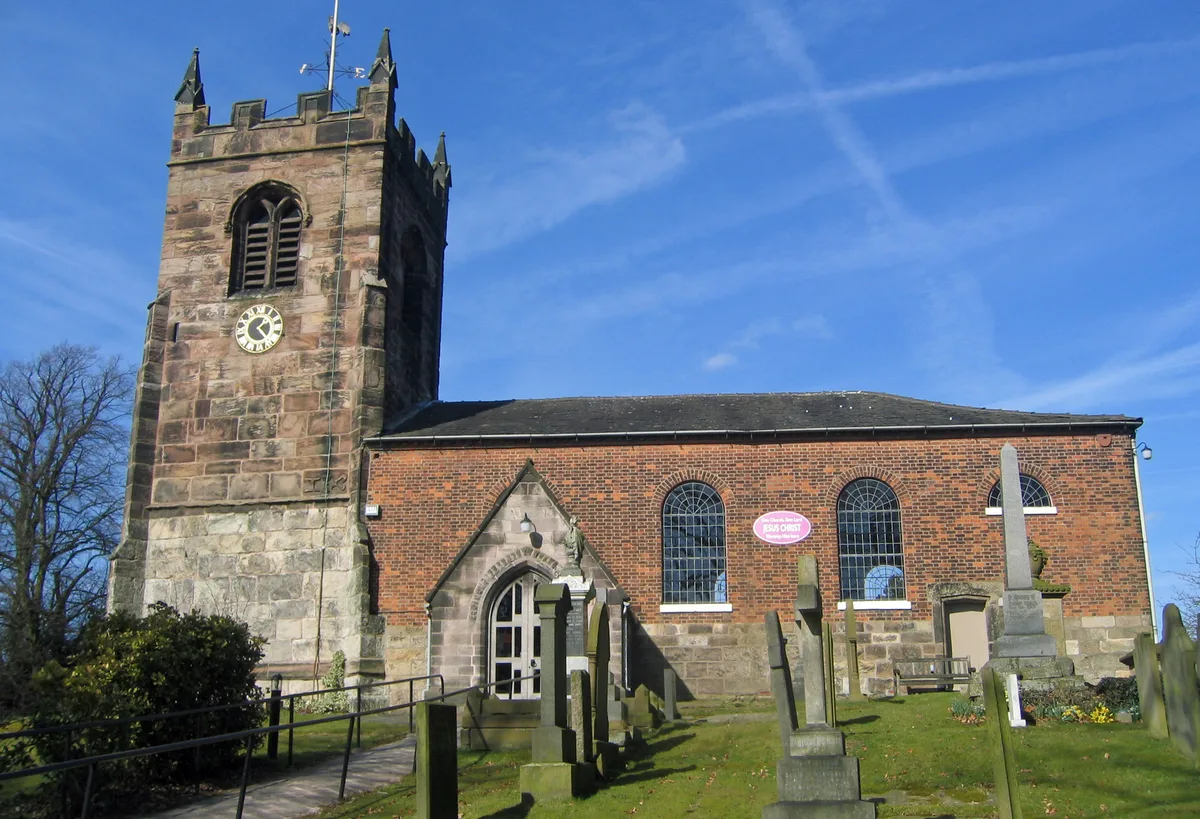
All Saints Church, Church Lawton
All Saints Church, Church Lawton — Grade II* listed church in Church Lawton, Cheshire East, Cheshire, England, UK.
 📷 3
📷 3Historic churches · North West England
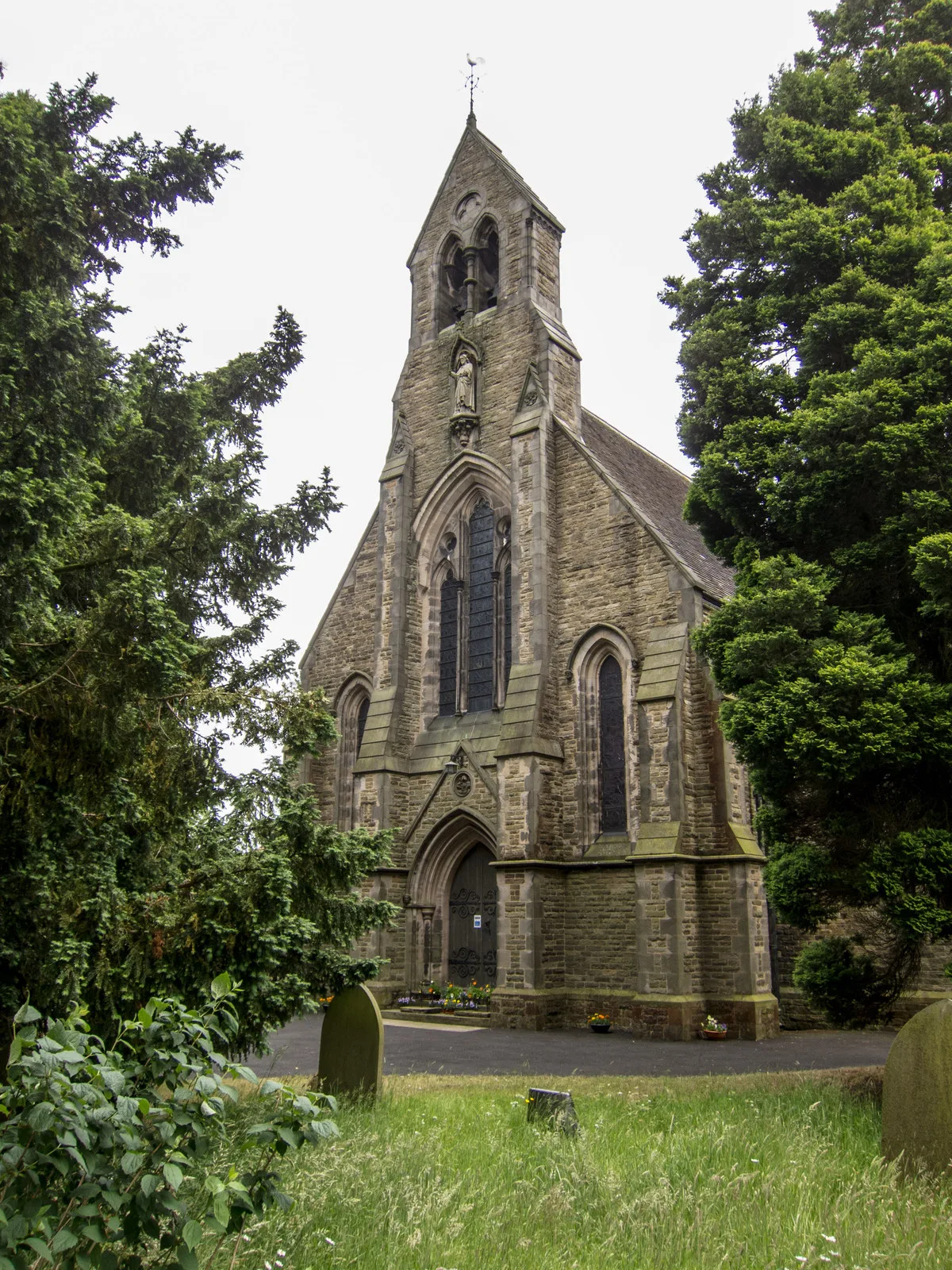
All Saints Church, Scholar Green
All Saints Church, Scholar Green — church in Cheshire East, Cheshire, England, UK.
 📷 3
📷 3Historic churches · North West England
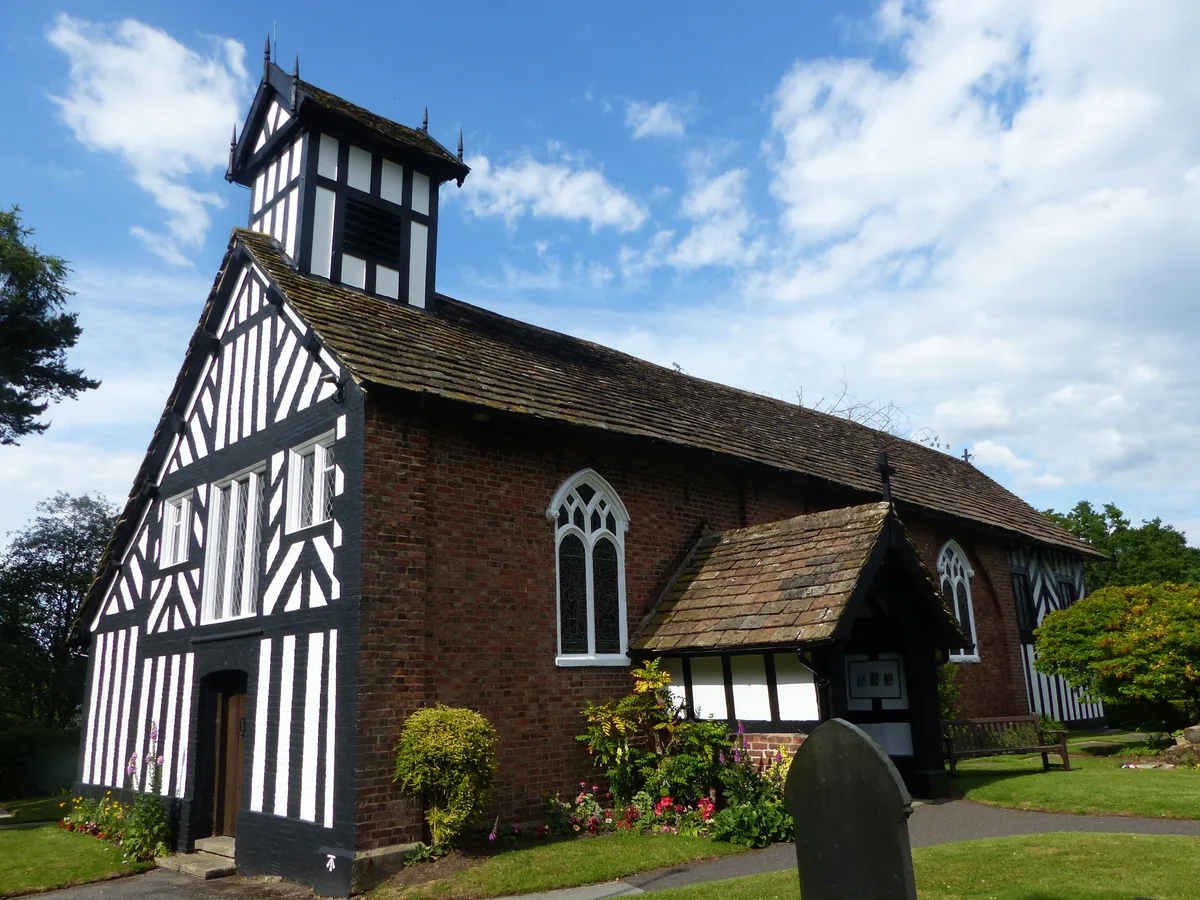
All Saints Church, Siddington
All Saints Church, Siddington — church in Cheshire East, Cheshire, England, UK.
Frequently asked questions
- Where is St Hildeburgh's Church, Hoylake?
- St Hildeburgh's Church, Hoylake is in North-West England, United Kingdom (postcode CH47 1JA), in the parish of Wirral, unparished area.
- What is St Hildeburgh's Church, Hoylake?
- St Hildeburgh's Church, Hoylake — grade II listed church in Hoylake, Wirral, Merseyside, England, UK.
- How do I get to St Hildeburgh's Church, Hoylake?
- The nearest railway station is Hoylake, about 0.3 km away. The nearest town is Meols. Drivers can use postcode CH47 1JA.
- When was St Hildeburgh's Church, Hoylake built?
- Built or established in 1899. Designed by Edmund Kirby.
- Is St Hildeburgh's Church, Hoylake a listed building?
- St Hildeburgh's Church, Hoylake is officially recognised as Grade II listed building listed.
- Is St Hildeburgh's Church, Hoylake a protected site?
- Yes — St Hildeburgh's Church, Hoylake is part of the Dee Estuary SSSI Site of Special Scientific Interest and the North Wirral Foreshore SSSI Site of Special Scientific Interest.
- Is St Hildeburgh's Church, Hoylake free to visit?
- Yes, St Hildeburgh's Church, Hoylake is free to enter.
- How do I get to St Hildeburgh's Church, Hoylake?
- The nearest railway station is Hoylake, about 0.3 km away. Drivers can navigate to postcode CH47 1JA.