
Historic churches · West Midlands
St Chad's Church, Hopwas
In or near Streethay.
St Chad's Church, Hopwas — grade II listed church in Wigginton and Hopwas, Lichfield, Staffordshire, England, UK.

Wikimedia Commons contributors — see linked file page for photographer and licence licence
.jpg)
Plan your visit
- Typical visit
- 30 min–1 h
- Nearest railway station
- Tamworth · 3.8 km
- Free entry
Getting there & planning your visit
St Chad's Church in Hopwas is located at postcode B78 3AL, with the nearest railway station being Tamworth, approximately 3.8 km away. Entry to the church is free.
About
St Chad's Church, Hopwas is a historic church in the United Kingdom. Records date its origin to 1881. Designed by John Douglas. Constructed primarily of wood. Heritage designation: Grade II listed building. Affiliated with Anglicanism. Wikidata describes it as: "grade II listed church in Wigginton and Hopwas, Lichfield, Staffordshire, England, UK". Coordinates: 52.6433°, -1.7418°.
Photo gallery
Heritage listing
St Chad's Church is in the village of Hopwas, Staffordshire, England. It is an active Anglican parish church in the deanery of Tamworth, the archdeaconry of Lichfield and the diocese of Lichfield. Its benefice is combined with those of St Editha, Tamworth, St Francis, Leyfields, and St Andrew, Kettlebrook. The church is recorded in the National Heritage List for England as a designated Grade II listed building.
From the Historic England List Entry under OGL v3.
Official information
St Chad's Church in Hopwas is a small, welcoming church that serves the local communities. Established in 1879, it offers traditional services with a hint of Celtic influence.
From the Wikipedia article
St Chad's Church is in the village of Hopwas, Staffordshire, England. It is an active Anglican parish church in the deanery of Tamworth, the archdeaconry of Lichfield and the diocese of Lichfield. Its benefice is combined with those of St Editha, Tamworth, St Francis, Leyfields, and St Andrew, Kettlebrook. The church is recorded in the National Heritage List for England as a designated Grade II listed building.
Excerpt from Wikipedia under CC BY-SA 4.0. See the source article linked in Sources below.
Background
History
The church was designed by the Chester architect John Douglas and built in 1881. It is built in red brick with timber framing in its upper parts, and has a roof of plain tiles.
Sourced from Wikipedia under CC BY-SA 4.0.
- Coordinates
- 52.6433, -1.7418
- County
- Staffordshire
- District
- Lichfield
- Parish
- Wigginton and Hopwas
- Postcode
- B78 3AL
- Parliamentary constituency
- Tamworth
- Phone
- 01827 289406
- Established
- 1881
- Nearest railway station
- Tamworth — 3.8 km
- Official site
- stchadhopwas.co.uk
Sources
- wikidata: Q7592787 (CC0)
- wikipedia: St Chad's Church, Hopwas (CC BY-SA 4.0)
- commons: St Chad's Church, Hopwas (2).jpg (CC BY-SA 4.0)
Other places nearby

Hopwas War Memorial
Memorials & monuments · 0.0 km

Hopwas Hays Woodhouse
Historic houses · 0.4 km

Hopwas Bridge
Historic bridges · 0.5 km

Dunstall Bridge (That Part In Fazeley Civil Parish)
Historic bridges · 1.6 km

The Devil's Dressing Room
Mountains & hills · 1.6 km

Packington Hall
Historic houses · 1.8 km

Tamworth View
Viewpoints · 1.9 km

Dunstall Farm Bridge
Historic bridges · 1.9 km

Birmingham And Fazeley Canal Tamhorn Farm Bridge
Historic bridges · 2.5 km

Hints Manor
Manor houses · 2.6 km

Sutton Road Bridge
Historic bridges · 2.6 km

The Rawlett School
Natural landmarks · 2.8 km
Nearby
📷 3Memorials & monuments · West Midlands
Hopwas War Memorial
Hopwas War Memorial — Grade II listed building-listed memorial in england-west-midlands, United Kingdom.
📷 3Historic houses · West Midlands
Hopwas Hays Woodhouse
Hopwas Hays Woodhouse — a historic house in england-west-midlands, United Kingdom.
📷 3Historic bridges · West Midlands
Hopwas Bridge
Hopwas Bridge — Grade II listed building-listed bridge in england-west-midlands, United Kingdom.
📷 3Historic bridges · West Midlands
Dunstall Bridge (That Part In Fazeley Civil Parish)
Dunstall Bridge (That Part In Fazeley Civil Parish) — Grade II listed building-listed bridge in england-west-midlands, United Kingdom.
📷 5Mountains & hills · West Midlands
The Devil's Dressing Room
The Devil's Dressing Room — a hill or mountain in england west midlands.
📷 3Historic houses · West Midlands
Packington Hall
Packington Hall — country house in Staffordshire, England, UK.
Where to eat & stay near St Chad's Church, Hopwas
Places to stay
 📷 5
📷 5Hotels · West Midlands
The Castle Hotel
The Castle Hotel — a hotel in england west midlands.
 📷 5
📷 5 📷 5
📷 5 📷 5
📷 5Caravan parks · West Midlands
Statfold
Statfold — a caravan park in england west midlands.
 📷 5
📷 5Hotels · West Midlands
George Hotel
George Hotel — a hotel in england west midlands.
 📷 5
📷 5Hotels · West Midlands
Moor Hall Hotel & Spa
Moor Hall Hotel & Spa — a hotel in england west midlands. 4-star. Brand: Best Western.
Places to eat & drink
 📷 7
📷 7Restaurants · West Midlands
Rainbow Cantonese
Rainbow Cantonese — a restaurant in england west midlands.
📷 7Restaurants · West Midlands
China Palace
China Palace — a restaurant in england west midlands.
📷 5Restaurants · West Midlands
China Aroma Chinese Takeaway
China Aroma Chinese Takeaway — a restaurant in england west midlands. Cuisine: chinese.
 📷 5
📷 5Historic pubs · West Midlands
Old Stone Cross Public House
Old Stone Cross Public House in England East Midlands, United Kingdom.
 📷 5
📷 5Historic pubs · West Midlands
The Bole Bridge
The Bole Bridge in England East Midlands, United Kingdom.
 📷 6
📷 6Historic pubs · West Midlands
The Bull's Head
The Bull's Head — Historic pub — listed building or notable heritage status.
Other works by John Douglas
 📷 3
📷 3Historic houses · North West England
Goldmine House
Goldmine House — Grade II listed house in Great Budworth, Cheshire, England, UK.
 📷 4
📷 4Historic churches · North West England
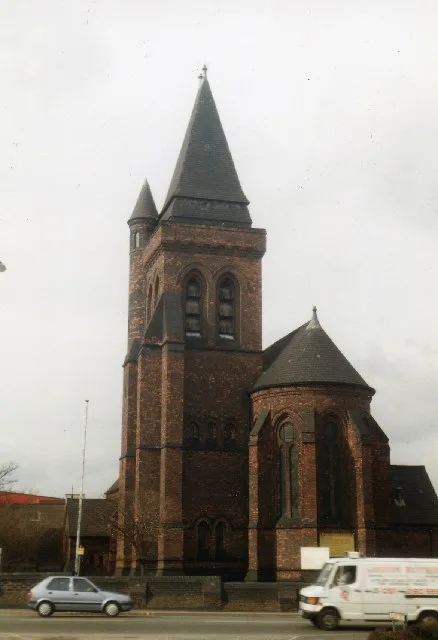
Old St Ann's Church, Warrington
Old St Ann's Church, Warrington — Grade II* listed church in Warrington, Cheshire, England, UK.
 📷 3
📷 3Historic churches · North West England
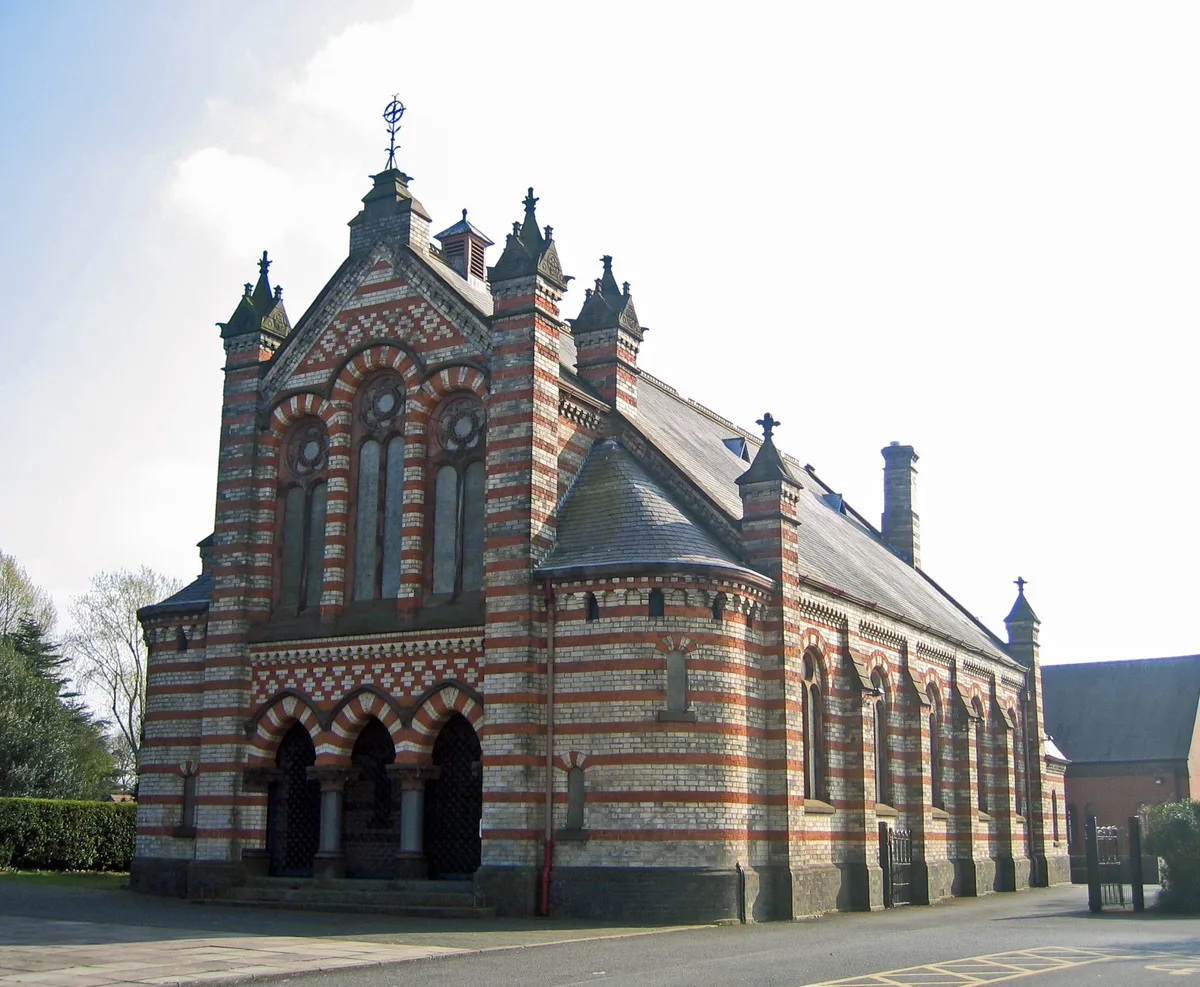
Over United Reformed Church
Over United Reformed Church — grade II listed church in Winsford, Cheshire West and Chester, Cheshire, England, UK.
 📷 3
📷 3Historic churches · North West England
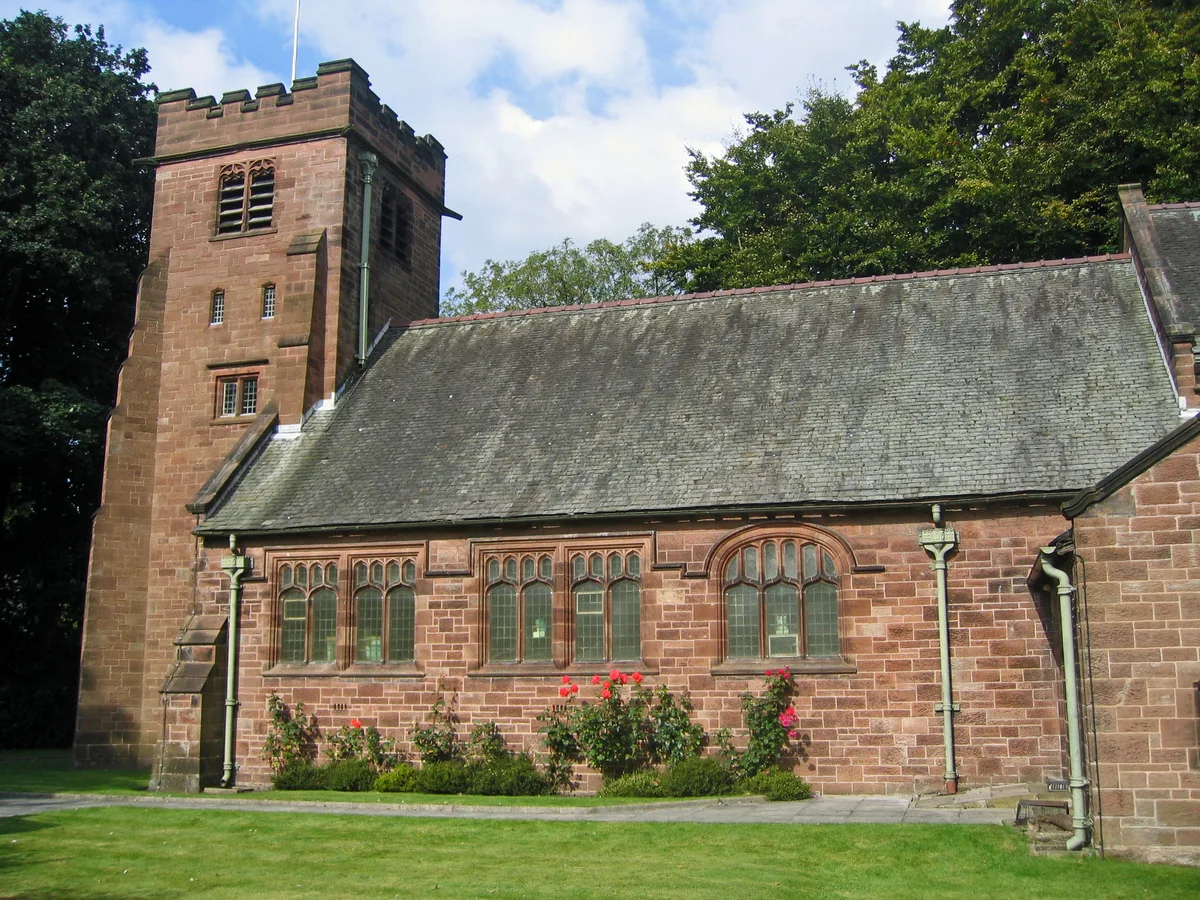
St John the Evangelist's Church, Sandiway
St John the Evangelist's Church, Sandiway — church in Sandiway, Cheshire, England, UK.
Other places from this era
 📷 5
📷 5Historic churches · London
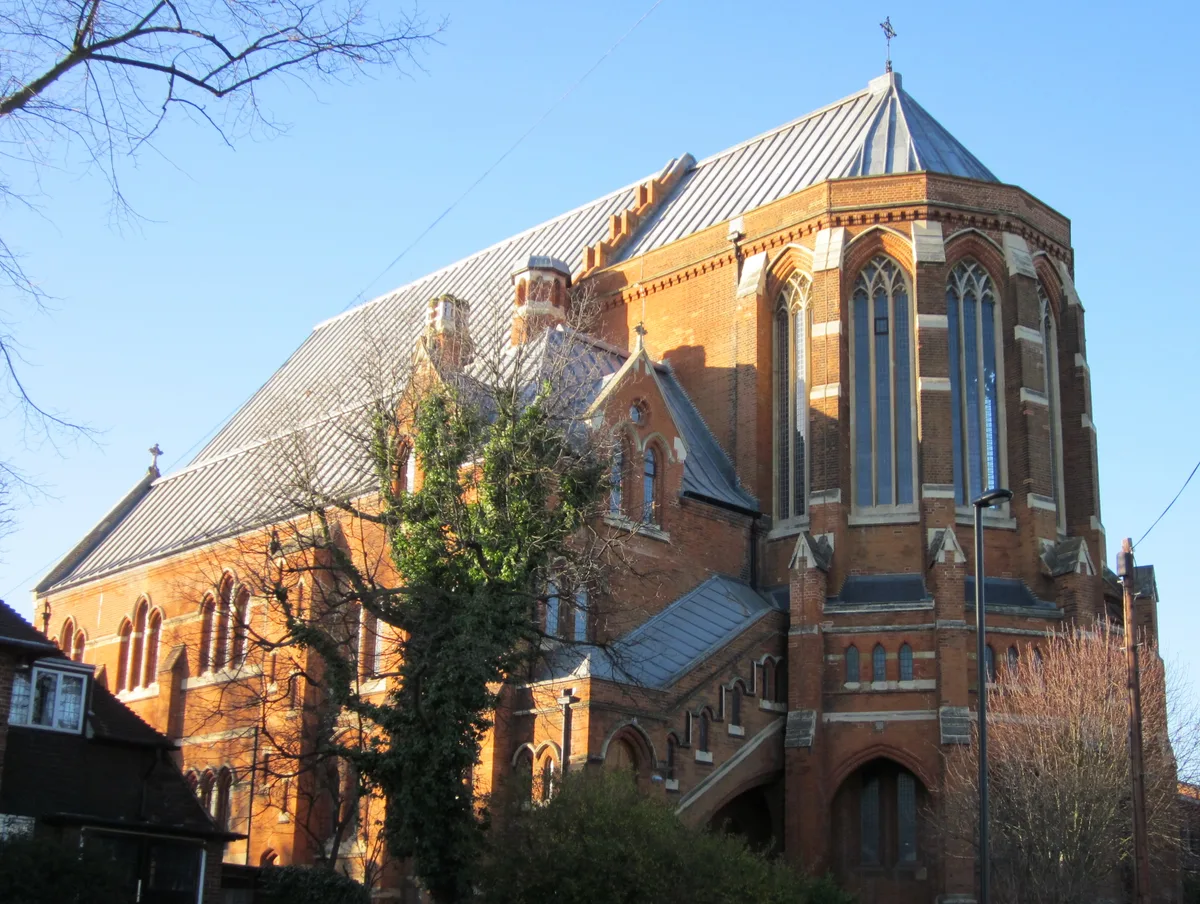
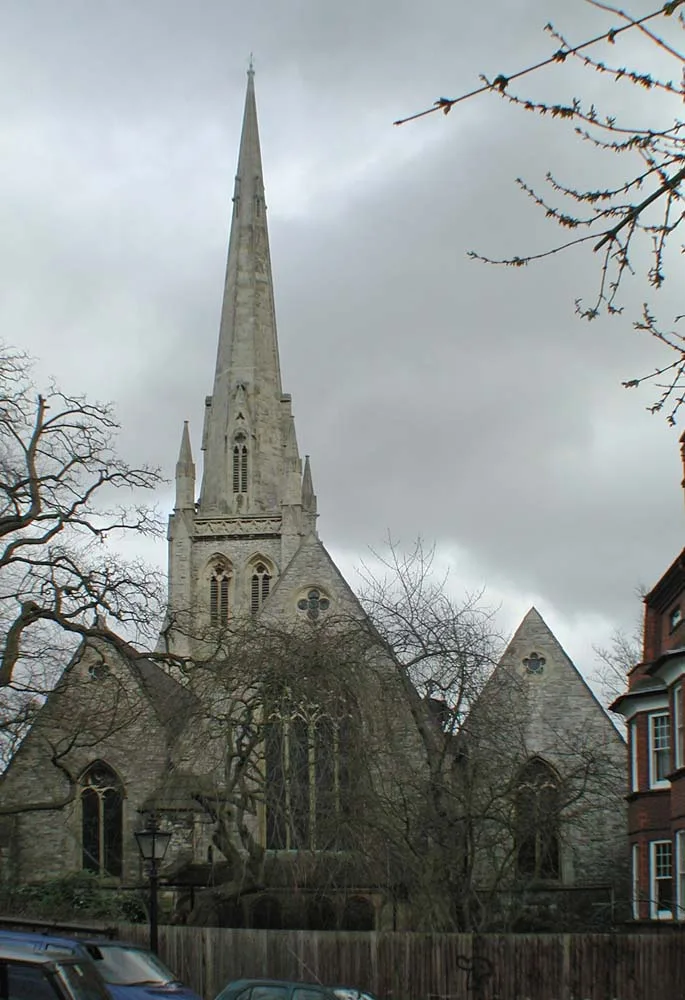
All Saints Church, West Dulwich
All Saints Church, West Dulwich — church in West Dulwich, London.
 📷 5
📷 5Historic churches · London
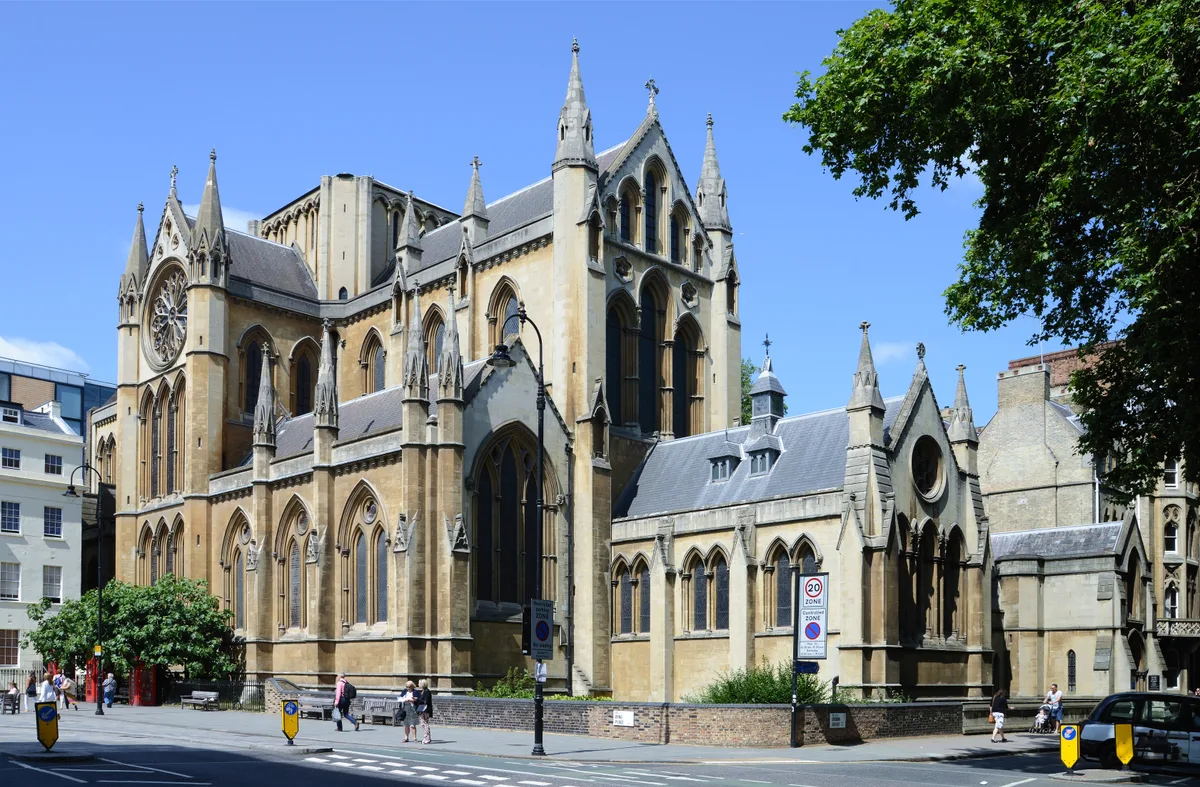
Christ Church
Christ Church — church in Hampstead, London.
 📷 5
📷 5Historic churches · London
Church of Christ the King, Bloomsbury
Church of Christ the King, Bloomsbury — church in Gordon Square, Bloomsbury, London.
 📷 5
📷 5Historic churches · London
Church of St Barnabas
Church of St Barnabas — church in Pimlico, London.
More places in this region
 📷 3
📷 3Historic churches · West Midlands
Church of All Saints
Church of All Saints — Grade I listed church in King's Bromley, Staffordshire, England, UK.
 📷 3
📷 3Historic churches · West Midlands
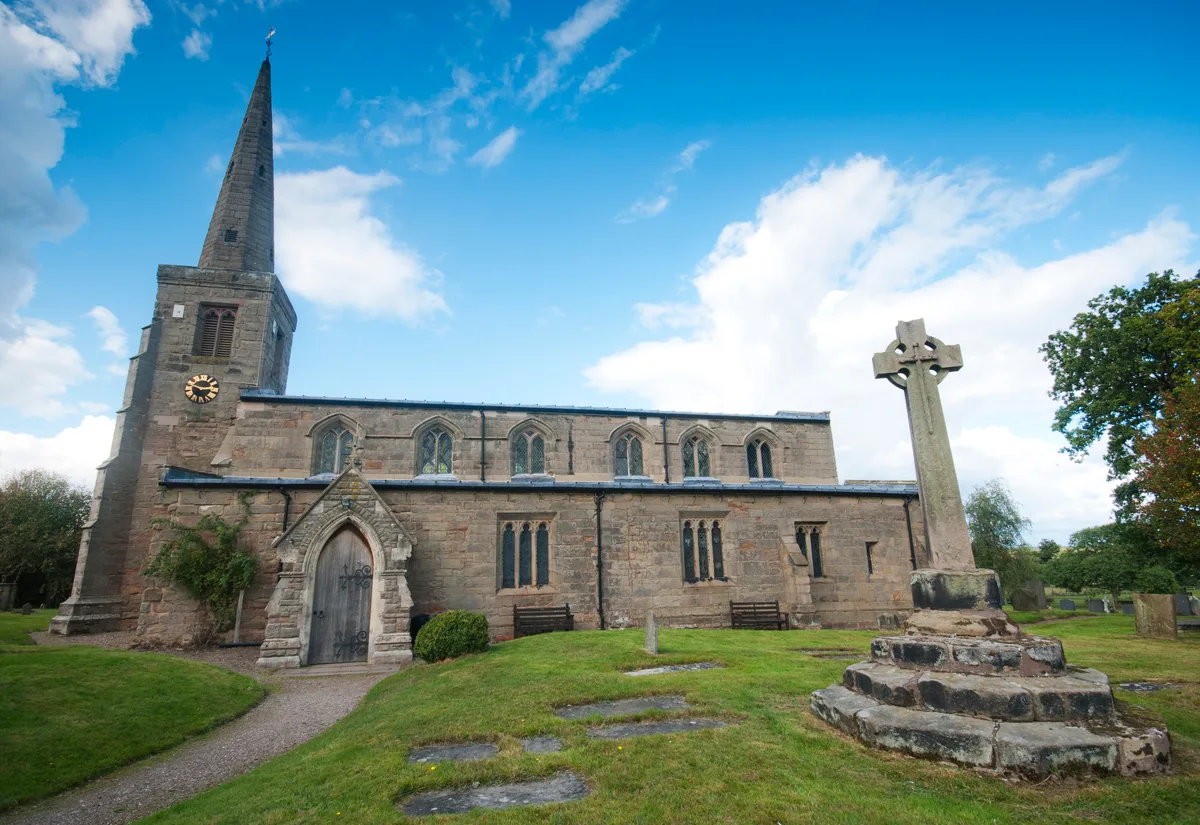
Church of St Leonard, Blithfield
Church of St Leonard, Blithfield — Grade I listed church, Blithfield, United Kingdom.
 📷 3
📷 3Historic churches · West Midlands
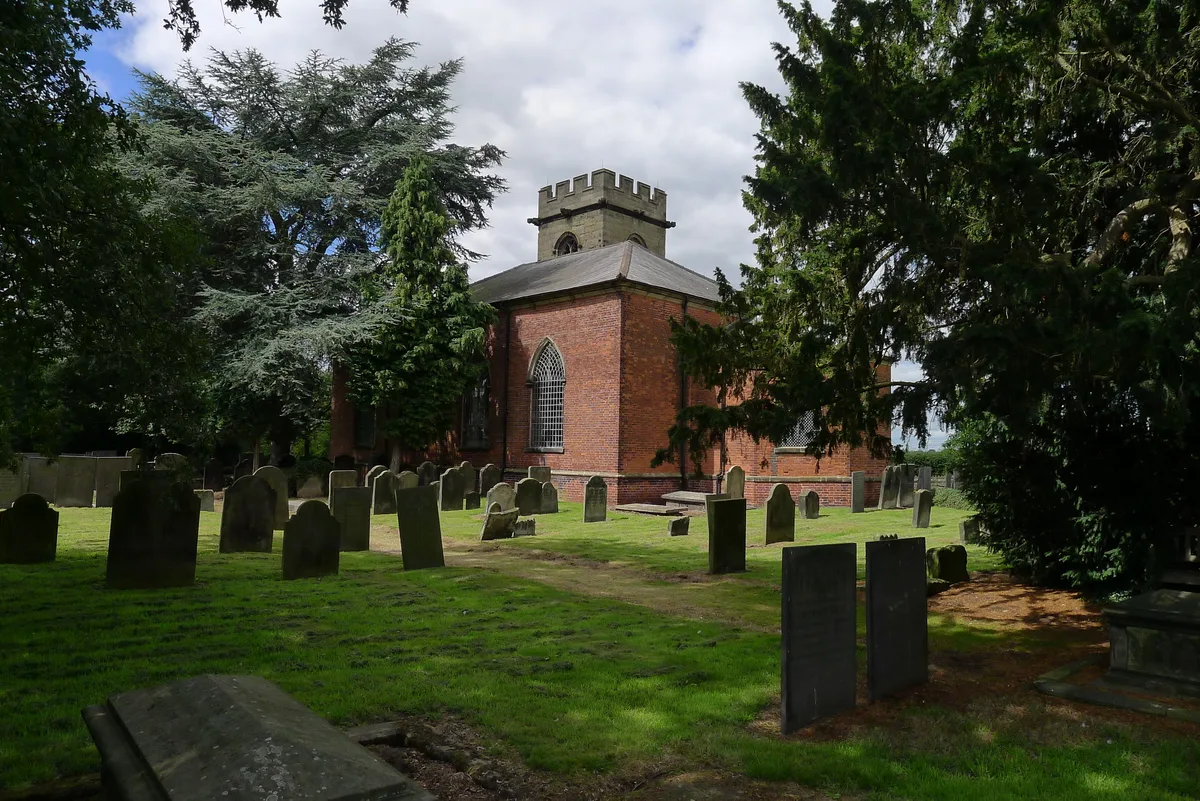
Church of St Michael and All Angels, Hamstall Ridware
Church of St Michael and All Angels, Hamstall Ridware — church in Hamstall Ridware, Staffordshire, England, UK.
 📷 5
📷 5Historic churches · West Midlands
Church of St Nicholas, Mavesyn Ridware
Church of St Nicholas, Mavesyn Ridware — church in Mavesyn Ridware, Staffordshire, England, UK.
Frequently asked questions
- Where is St Chad's Church, Hopwas?
- St Chad's Church, Hopwas is in Staffordshire, the West Midlands, United Kingdom (postcode B78 3AL), in the parish of Wigginton and Hopwas.
- What is St Chad's Church, Hopwas?
- St Chad's Church, Hopwas — grade II listed church in Wigginton and Hopwas, Lichfield, Staffordshire, England, UK.
- How do I get to St Chad's Church, Hopwas?
- The nearest railway station is Tamworth, about 3.8 km away. The nearest town is Streethay. Drivers can use postcode B78 3AL.
- When was St Chad's Church, Hopwas built?
- Built or established in 1881. Designed by John Douglas.
- Is St Chad's Church, Hopwas a listed building?
- St Chad's Church, Hopwas is officially recognised as Grade II listed building listed.
- Is St Chad's Church, Hopwas free to visit?
- Yes, St Chad's Church, Hopwas is free to enter.
- How do I get to St Chad's Church, Hopwas?
- The nearest railway station is Tamworth, about 3.8 km away. Drivers can navigate to postcode B78 3AL.