
Memorials & monuments · London
Sir Mortimer Wheeler
In or near London.
Sir Mortimer Wheeler — a memorial in england-london, United Kingdom.

John Salmon — CC BY-SA 2.0 via Wikimedia Commons licence

Plan your visit
- Typical visit
- 15 min–45 min
- Nearest railway station
- Piccadilly Circus · 0.3 km
- Free entry
- Dog-friendly
- Limited wheelchair access
Getting there & planning your visit
To visit the Sir Mortimer Wheeler memorial, the nearest railway station is Piccadilly Circus, located 0.3 km away. Entry is free, but please note that wheelchair accessibility is limited. The postcode for your sat-nav is SW1Y 4HT.
About
Sir Mortimer Wheeler is a memorial located in england-london, United Kingdom. Sourced from OpenStreetMap (ODbL licence); see local listings for visitor information, opening hours and admission details.
Photo gallery
See it from the streetimagery from 2026
Imagery © Mapillary contributors, CC BY-SA 4.0
Official information
The Theatre Royal Haymarket is a historic venue located in London's West End, known for its intimate atmosphere and excellent acoustics. Visitors can enjoy a variety of performances, including musicals and plays, throughout the year.
From the Wikipedia article
Sir Robert Eric Mortimer Wheeler (10 September 1890 – 22 July 1976) was a British archaeologist and officer in the British Army. Over the course of his career, he served as Director of both the National Museum of Wales and London Museum, Director-General of the Archaeological Survey of India, and the founder and Honorary Director of the Institute of Archaeology in London, in addition to writing twenty-four books on archaeological subjects. Born in Glasgow to a middle-class family, Wheeler was raised largely in Yorkshire before moving to London in his teenage years. After studying classics at University College London (UCL), he began working professionally in archaeology, specialising in the Romano-British period. During World War I he volunteered for service in the Royal Artillery, being stationed on the Western Front, where he rose to the rank of major and was awarded the Military Cross. Returning to Britain, he obtained his doctorate from UCL before taking on a position at the National Museum of Wales, first as Keeper of Archaeology and then as Director, during which time he oversaw excavation at the Roman forts of Segontium, Y Gaer, and Isca Augusta with the aid of his first wife, Tessa Wheeler. Influenced by the archaeologist Augustus Pitt Rivers, Wheeler argued that excavation and the recording of stratigraphic context required an increasingly scientific and methodical approach, developing the "Wheeler method". In 1926, he was appointed Keeper of the London Museum; there, he oversaw a reorganisation of the collection, successfully lobbied for increased funding, and began lecturing at UCL. In 1934, he established the Institute of Archaeology as part of the federal University of London, adopting the position of Honorary Director. In this period, he oversaw excavations of the Roman sites at Lydney Park and Verulamium and the Iron Age hill fort of Maiden Castle. During World War II, he re-joined the Armed Forces and rose to the rank of brigadier, serving in the North African Campaign and then the Allied invasion of Italy. In 1944 he was appointed Director-General of the Archaeological Survey of India, through which he oversaw excavations of sites at Harappa, Arikamedu, and Brahmagiri, and implemented reforms to the subcontinent's archaeological establishment. Returning to Britain in 1948, he divided his time between lecturing for the Institute of Archaeology and acting as archaeological adviser to Pakistan's government. In later life, his popular books, cruise ship lectures, and appearances on radio and television, particularly the BBC series Animal, Vegetable, Mineral?, helped to bring archaeology to a mass audience. Appointed Honorary Secretary of the British Academy, he raised large sums of money for archaeological projects, and was appointed British representative for several UNESCO projects. Wheeler is recognised as one of the most important British archaeologists of the 20th century, responsible for successfully encouraging British public interest in the discipline and advancing methodologies of excavation and recording. Furthermore, he is widely acclaimed as a major figure in the establishment of South Asian archaeology. However, many of his specific interpretations of archaeological sites have been discredited or reinterpreted.
Excerpt from Wikipedia under CC BY-SA 4.0. See the source article linked in Sources below.
- Coordinates
- 51.5091, -0.1305
- District
- Westminster
- Parish
- Westminster, unparished area
- Postcode
- SW1Y 4HT
- Parliamentary constituency
- Cities of London and Westminster
- Phone
- +44 20 7930 8800
- Nearest railway station
- Piccadilly Circus — 0.3 km
Sources
- osm: node/2345097821 (ODbL)
- wikipedia: Sir Mortimer Wheeler (CC BY-SA 4.0)
Other places nearby

Richard Dadd
Memorials & monuments · 0.0 km
18, Suffolk Street Sw1
Historic houses · 0.1 km

The Londoner
Hotels · 0.1 km

Z Hotel Piccadilly
Hotels · 0.1 km

Odeon Panton Street
Theatres · 0.1 km
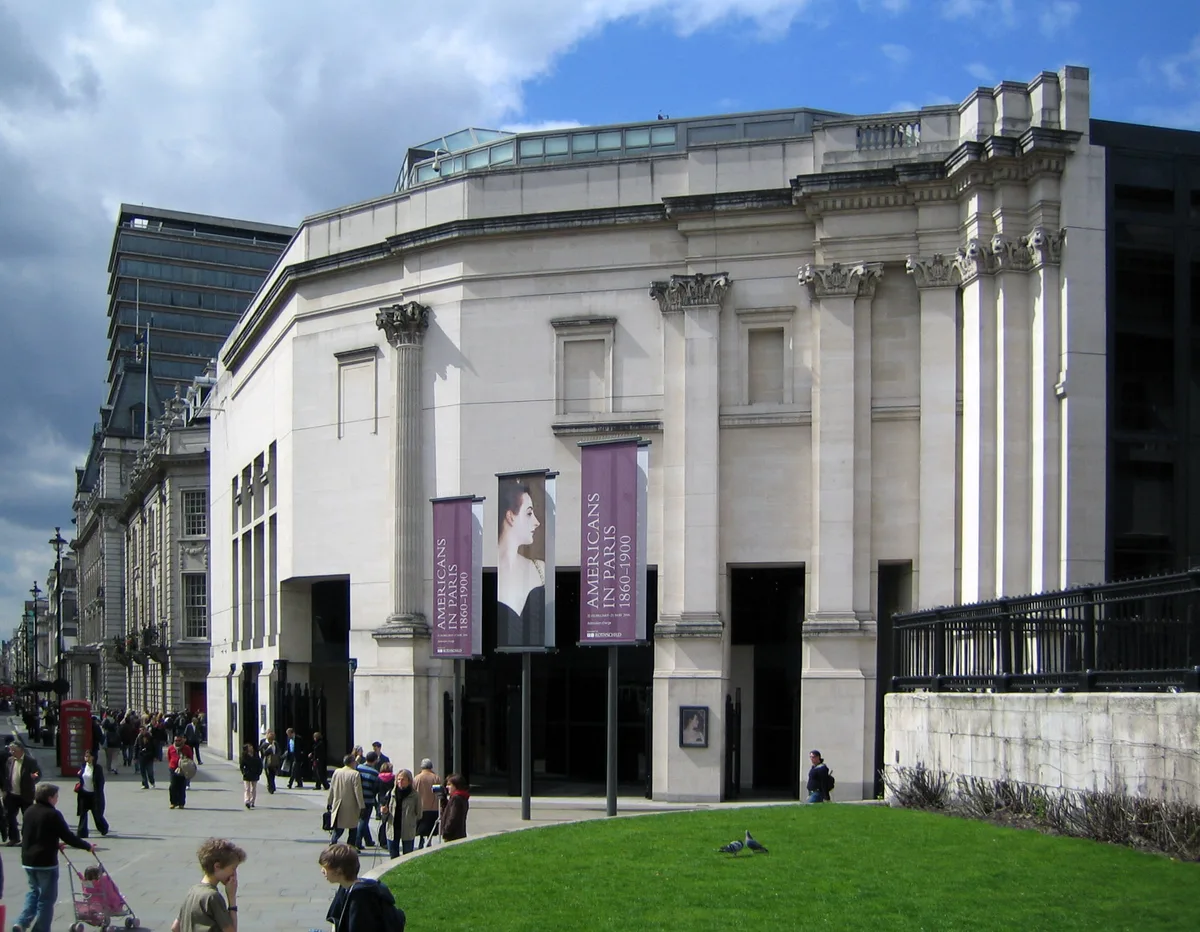
Sainsbury Wing
Galleries · 0.1 km
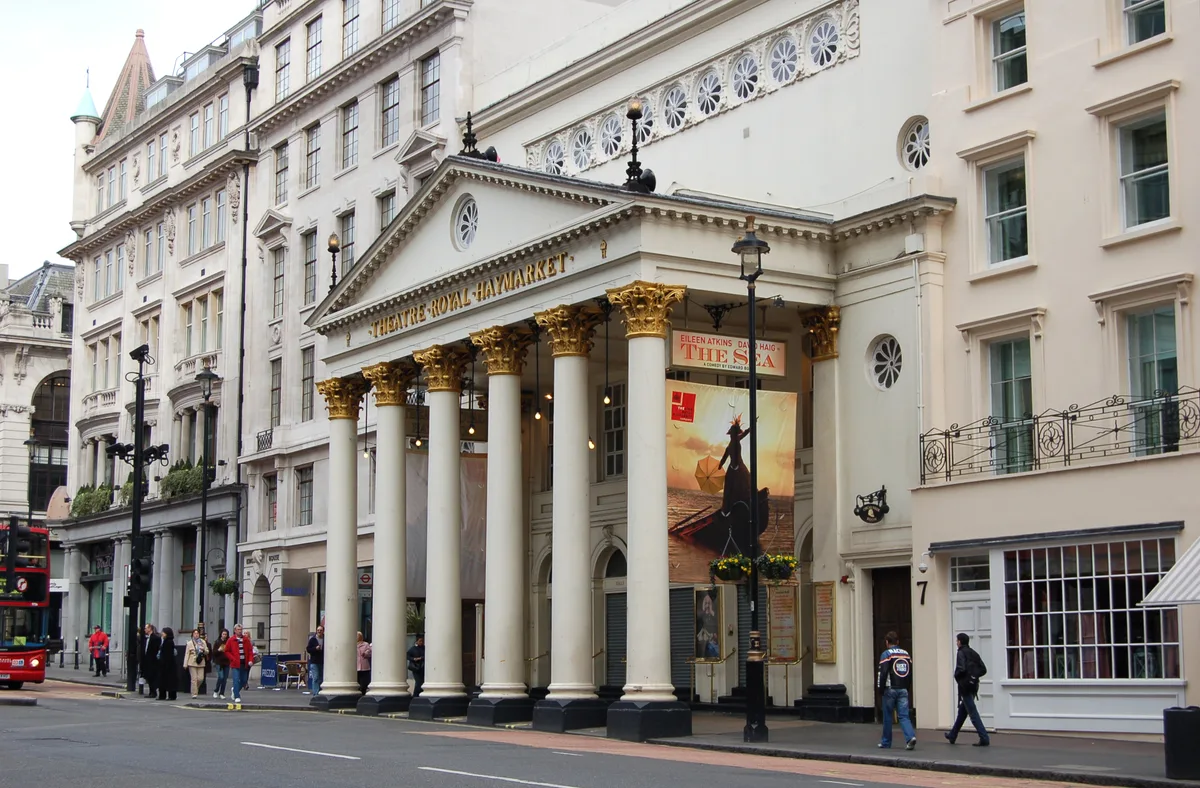
Theatre Royal Haymarket
Theatres · 0.1 km
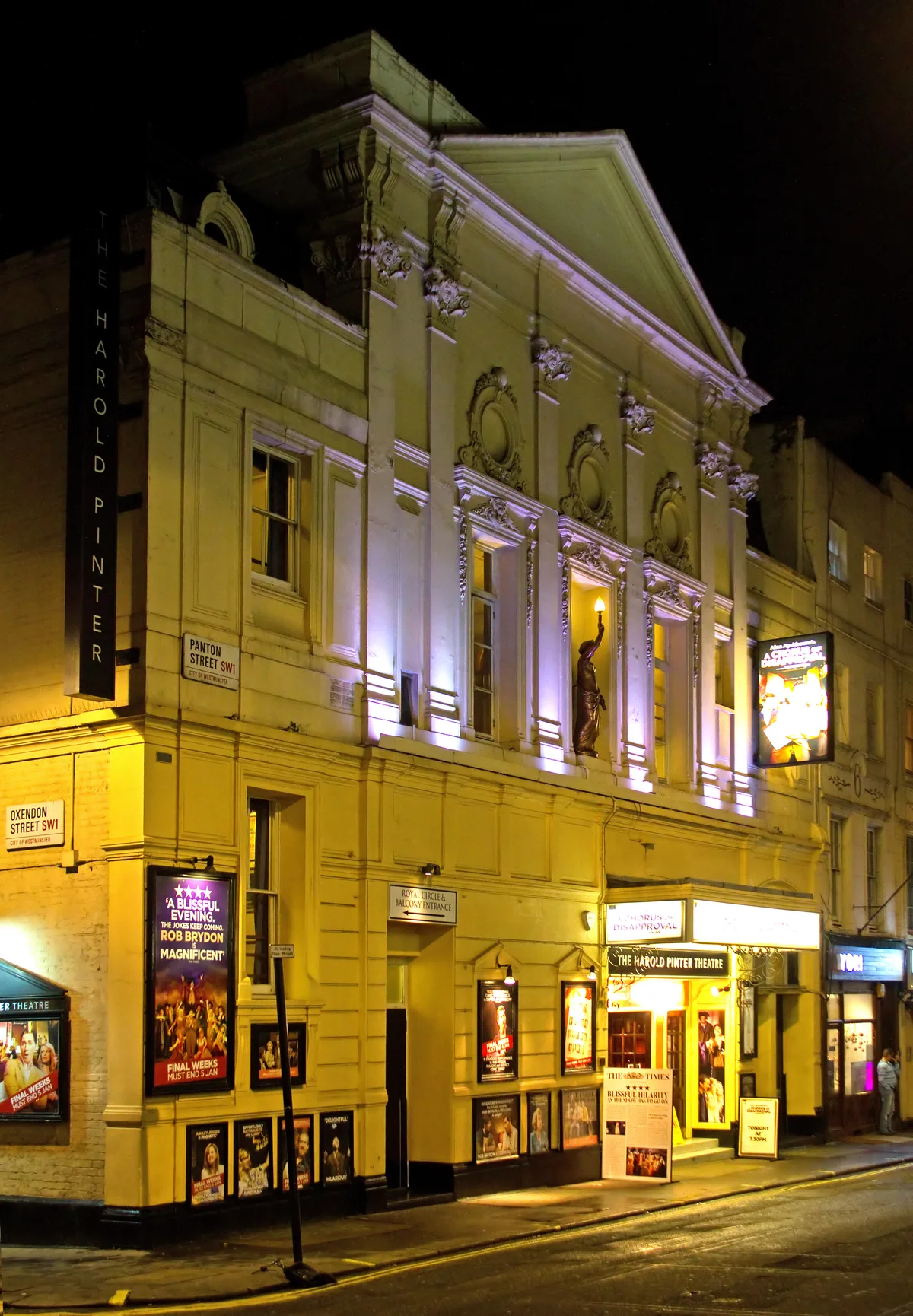
Harold Pinter Theatre
Theatres · 0.1 km

Pigott Theatre
Theatres · 0.1 km

Theatre Royal Haymarket
Open-air theatres · 0.1 km

Harold Pinter Theatre
Open-air theatres · 0.1 km

Odeon West End
Theatres · 0.1 km
Nearby
📷 5Memorials & monuments · London
Richard Dadd
Richard Dadd — a memorial in england-london, United Kingdom.
📷 5Historic houses · London
18, Suffolk Street Sw1
18, Suffolk Street Sw1 — a Grade I-listed historic house in england-london, United Kingdom.
📷 5📷 5Hotels · London
Z Hotel Piccadilly
Z Hotel Piccadilly — a hotel in england london.
📷 5Theatres · London
Odeon Panton Street
Odeon Panton Street — a cinema heritage in england-london, United Kingdom.
📷 5Galleries · London
Sainsbury Wing
Sainsbury Wing — extension to the National Gallery, London.
Where to eat & stay near Sir Mortimer Wheeler
Places to stay
📷 5📷 5Hotels · London
Z Hotel Piccadilly
Z Hotel Piccadilly — a hotel in england london.
📷 5 📷 5
📷 5Hotels · London
Radisson Edwardian Hampshire Hotel
Radisson Edwardian Hampshire Hotel — a hotel in england london. Brand: Radisson.
 📷 6
📷 6 📷 5
📷 5Hotels · London
Sofitel London St James
Sofitel London St James — a hotel in england london.
Places to eat & drink
 📷 5
📷 5Restaurants · London
Tiger Tiger
Tiger Tiger — a restaurant in england london.
 📷 5
📷 5 📷 5
📷 5 📷 7
📷 7 📷 5
📷 5 📷 5
📷 5More memorials in this region
.jpg?width=1200) 📷 5
📷 5Memorials & monuments · London
1st Surrey Rifles War Memorial
1st Surrey Rifles War Memorial is a memorial in the United Kingdom.
 📷 5
📷 5Memorials & monuments · London
24th East Surrey Division War Memorial
24th East Surrey Division War Memorial is a memorial in the United Kingdom.
 📷 5
📷 5Memorials & monuments · London
Abney Park Cemetery CWGC Cross
Abney Park Cemetery CWGC Cross is a memorial in the United Kingdom.
 📷 5
📷 5Memorials & monuments · London
Admiral Sir John Franklin
Admiral Sir John Franklin is a memorial in the United Kingdom.
Frequently asked questions
- Where is Sir Mortimer Wheeler?
- Sir Mortimer Wheeler is in London, United Kingdom (postcode SW1Y 4HT), in the parish of Westminster, unparished area.
- What is Sir Mortimer Wheeler?
- Sir Mortimer Wheeler — a memorial in england-london, United Kingdom.
- How do I get to Sir Mortimer Wheeler?
- The nearest railway station is Piccadilly Circus, about 0.3 km away. The nearest town is London. Drivers can use postcode SW1Y 4HT.
- Is Sir Mortimer Wheeler free to visit?
- Yes, Sir Mortimer Wheeler is free to enter.
- How do I get to Sir Mortimer Wheeler?
- The nearest railway station is Piccadilly Circus, about 0.3 km away. Drivers can navigate to postcode SW1Y 4HT.