
Castles · North East England
Silver Swan (automaton)
In or near Startforth.
The Silver Swan is an automaton dating from the 18th century and now housed in the Bowes Museum, Barnard Castle, Teesdale, County Durham, England. It was acquired by John Bowes, the museum's founder,

Dennis Thorley — CC BY-SA 2.0 via Wikimedia Commons licence

Plan your visit
- Typical visit
- 1.5 h–3 h
- Paid entry
- Family-friendly
- Limited wheelchair access
About
The Silver Swan is an automaton dating from the 18th century and now housed in the Bowes Museum, Barnard Castle, Teesdale, County Durham, England. It was acquired by John Bowes, the museum's founder, from a Parisian jeweller in 1872. The swan, which is life-sized, is a clockwork-driven device that includes a music box. The swan sits in a "stream" made of glass rods and surrounded by silver leaves. Small silver fish can be seen "swimming" in the stream. When the clockwork is wound, the music box plays and the glass rods rotate giving the illusion of flowing water. The swan turns its head from side to side and also preens itself. After a few moments the swan notices the swimming fish and bends down to catch and eat one. The swan's head then returns to the upright position and the performance, which lasts about 32 seconds, is over. The mechanism was designed and built by the Low Countries inventor John Joseph Merlin (1735–1803) in conjunction with the London inventor James Cox (1723–1800) in 1773. The swan was described in the Cox's Museum Act 1772 (13 Geo. 3. c. 41) as being 3 feet (0.91 m) in diameter and 18 feet (5.49 m) high. This would seem to indicate that at one time there was more to the swan than remains today as it is no longer that high. It is said that there was originally a waterfall behind the swan, which was stolen while it was on tour – this could possibly explain the height which is now 'missing'. It is known that the swan was sold several times and was shown…
Photo gallery
See it from the streetimagery from 2022
Imagery © Mapillary contributors, CC BY-SA 4.0
Summary from the official site
The Bowes Museum houses a diverse collection of art, fashion, and design, showcasing both historical and contemporary pieces. Visitors can explore various exhibitions and enjoy family-friendly activities in the museum's beautiful parkland.
Read more on the official property page.
Protected designations
- Area of Outstanding Natural Beauty: North Pennines
Designations sourced from Natural England open data under OGL v3.
From the Wikipedia article
The Silver Swan is an automaton dating from the 18th century and now housed in the Bowes Museum, Barnard Castle, Teesdale, County Durham, England. It was acquired by John Bowes, the museum's founder, from a Parisian jeweller in 1872. The swan, which is life-sized, is a clockwork-driven device that includes a music box. The swan sits in a "stream" made of glass rods and surrounded by silver leaves. Small silver fish can be seen "swimming" in the stream. When the clockwork is wound, the music box plays and the glass rods rotate giving the illusion of flowing water. The swan turns its head from side to side and also preens itself. After a few moments the swan notices the swimming fish and bends down to catch and eat one. The swan's head then returns to the upright position and the performance, which lasts about 32 seconds, is over. The mechanism was designed and built by the Low Countries inventor John Joseph Merlin (1735–1803) in conjunction with the London inventor James Cox (1723–1800) in 1773. The swan was described in the Cox's Museum Act 1772 (13 Geo. 3. c. 41) as being 3 feet (0.91 m) in diameter and 18 feet (5.49 m) high. This would seem to indicate that at one time there was more to the swan than remains today as it is no longer that high. It is said that there was originally a waterfall behind the swan, which was stolen while it was on tour – this could possibly explain the height which is now 'missing'. It is known that the swan was sold several times and was shown at the Exposition Universelle held in Paris in 1867. The American novelist Mark Twain observed the swan and recorded his observation in a chapter of the Innocents Abroad, writing that the swan "had a living grace about his movement and a living intelligence in his eyes." In 2017 starting in February the swan spent 6 weeks at the Science Museum as part of an exhibition on robots. To help preserve the mechanism, the swan is only operated once each day (twice on holidays). The museum was closed…
Excerpt from Wikipedia under CC BY-SA 4.0. See the source article linked in Sources below.
- Coordinates
- 54.5419, -1.9153
- District
- County Durham
- Parish
- Barnard Castle
- Postcode
- DL12 8NP
- Parliamentary constituency
- Bishop Auckland
- Phone
- +44 1833 690606
- Opening
- Daily 10am–5pm; closed 24–26 Dec
- Official site
- www.thebowesmuseum.org.uk
Sources
- wikipedia: Silver Swan (automaton) (CC BY-SA 4.0)
Featured in this guide
Other places nearby

The Bowes Museum
Museums · 0.0 km

Terrace Walls And Steps, And Heraldic Beasts, To South Of Bowes Museum
Holy wells · 0.0 km
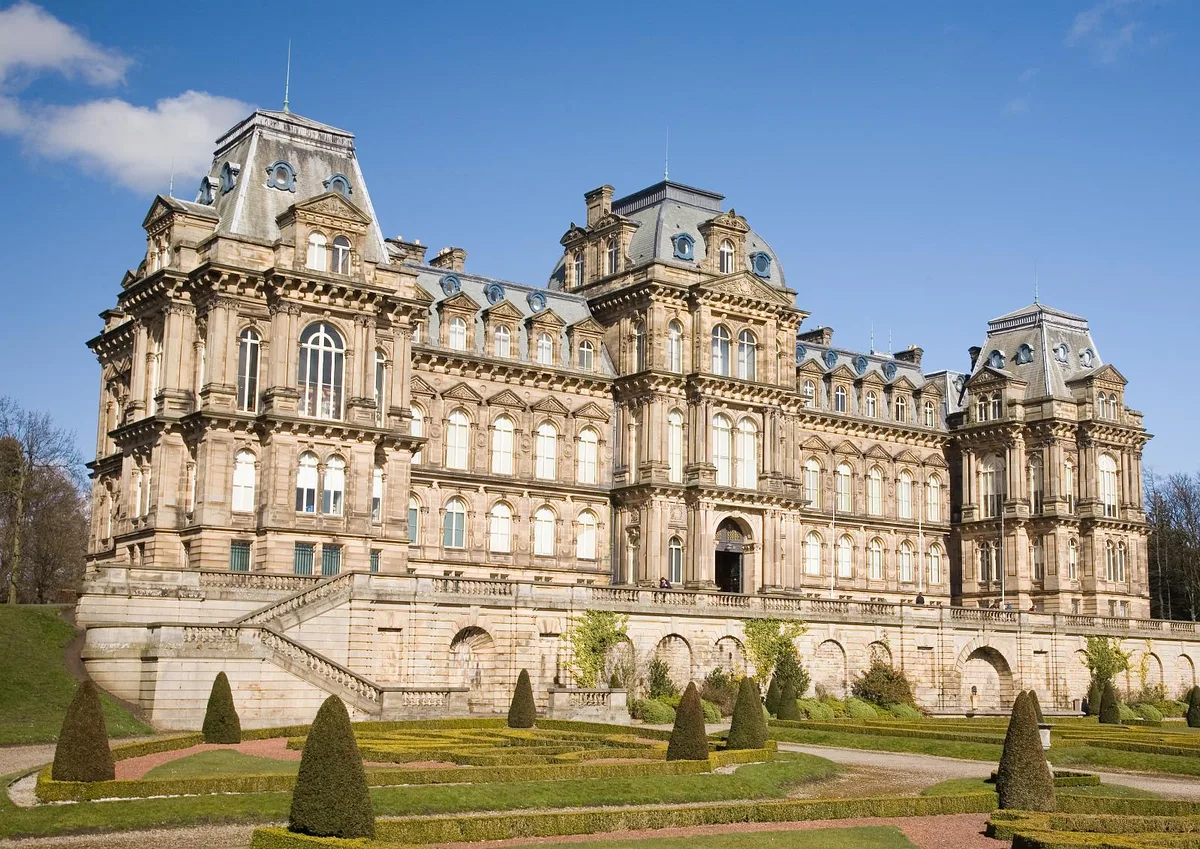
Bowes Museum
Galleries · 0.0 km

War Memorial to South West of Bowes Museum
Memorials & monuments · 0.1 km

Barnard Castle School
Castles · 0.3 km

Victoria Hall Cinema
Theatres · 0.3 km

Church of St Mary
Historic churches · 0.5 km

Turk's Head Public House
Historic pubs · 0.5 km

Witham Community Arts Centre
Theatres · 0.5 km

Market Cross
Memorials & monuments · 0.5 km

The Witham
Theatres · 0.6 km

The Tessdale Mercury
Memorials & monuments · 0.6 km
Nearby
📷 3Museums · North East England
The Bowes Museum
The Bowes Museum — a museum in North East England, United Kingdom.
📷 3Holy wells · North East England
Terrace Walls And Steps, And Heraldic Beasts, To South Of Bowes Museum
Terrace Walls And Steps, And Heraldic Beasts, To South Of Bowes Museum — Grade I listed wall in County Durham, England, UK.
📷 5Galleries · North East England
Bowes Museum
Bowes Museum — art museum in Barnard Catle, England, United Kingdom.
📷 3Memorials & monuments · North East England
War Memorial to South West of Bowes Museum
War Memorial to South West of Bowes Museum — Grade II listed building-listed memorial in england-north-east, United Kingdom.
📷 4Castles · North East England
Barnard Castle School
Barnard Castle School in England North East, United Kingdom.
📷 3Theatres · North East England
Victoria Hall Cinema
Victoria Hall Cinema in England North East, United Kingdom.
Where to eat & stay near Silver Swan (automaton)
Places to stay
 📷 5
📷 5Caravan parks · North East England
Teesdale Barnard Castle Caravan & Motorhome Club Campsite
Teesdale Barnard Castle Caravan & Motorhome Club Campsite — a caravan park in england north east.
 📷 5
📷 5Campsites · North East England
Barnard Castle Camping and Caravanning Club Site
Barnard Castle Camping and Caravanning Club Site — a campsite in england north east.
 📷 5
📷 5Caravan parks · North East England
Pecknell Farm Caravan Site
Pecknell Farm Caravan Site — a caravan park in england north east.
 📷 5
📷 5Hotels · North East England
The Morritt Hotel & Garage Spa
The Morritt Hotel & Garage Spa — a hotel in england north east.
 📷 5
📷 5Caravan parks · North East England
Bowfield Farm Camping and Caravaning
Bowfield Farm Camping and Caravaning — a caravan park in england north east.
 📷 5
📷 5Campsites · North East England
Hetherick Caravan Park
Hetherick Caravan Park — a campsite in england north east.
Places to eat & drink
📷 5Historic pubs · North East England
Turk's Head Public House
Turk's Head Public House in England North East, United Kingdom.
 📷 5
📷 5 📷 5
📷 5Historic pubs · North East England
Blue Bell Public House
Blue Bell Public House in England North East, United Kingdom.
 📷 6
📷 6Historic pubs · North East England
Cricketers' Arms Public House
Cricketers' Arms Public House in England North East, United Kingdom.
 📷 6
📷 6Historic pubs · North East England
Commercial Hotel
Commercial Hotel in England North East, United Kingdom.
 📷 5
📷 5Historic pubs · North East England
The White Swan Public House And Swan Cottage
The White Swan Public House And Swan Cottage in England North East, United Kingdom.
More castles in this region
 📷 3
📷 3Castles · North East England
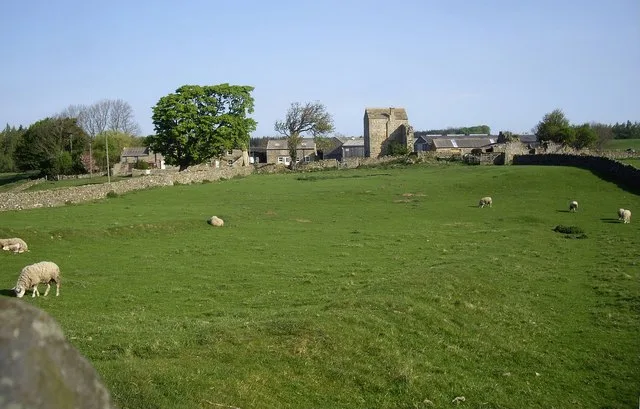
Scargill Castle
Scargill Castle — house in Scargill, County Durham, England, UK.
 📷 3
📷 3Castles · North East England
Roper Castle or Round Table (Roman Signal Station)
Roper Castle or Round Table (Roman Signal Station) — a castle in North East England, United Kingdom.
 📷 5
📷 5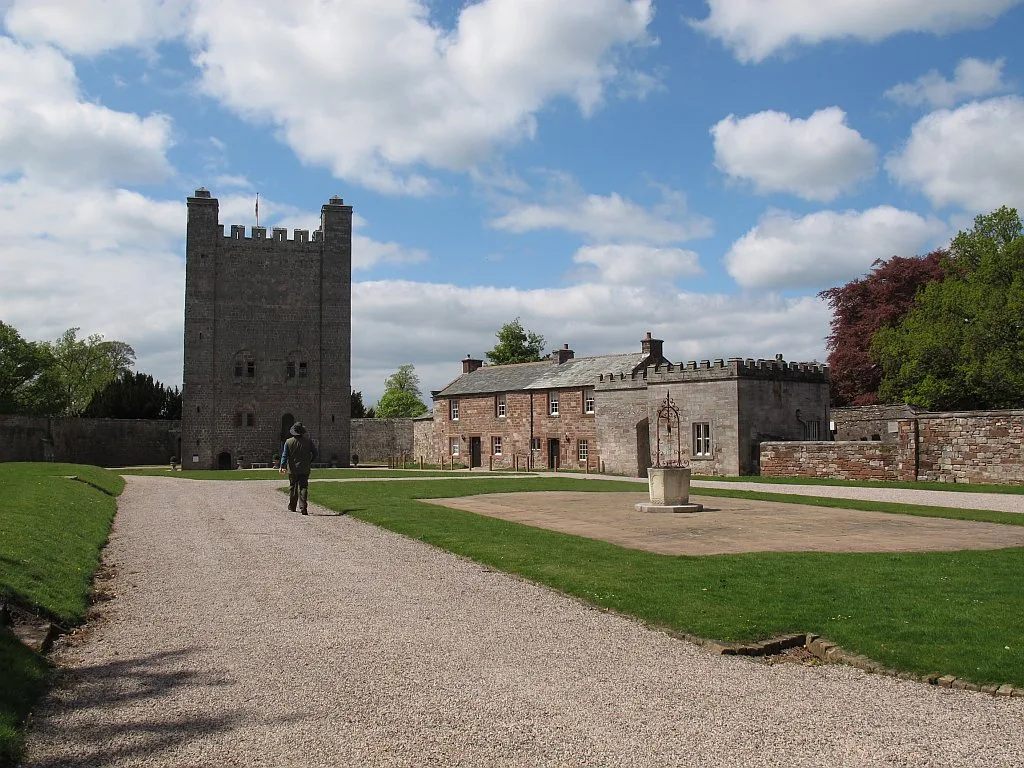 📷 5
📷 5Castles · North East England
Appleby Castle
Appleby Castle — Grade I listed English country house in Appleby-in-Westmorland, United Kingdom.
Frequently asked questions
- Where is Silver Swan (automaton)?
- Silver Swan (automaton) is in North-East England, United Kingdom (postcode DL12 8NP), in the parish of Barnard Castle.
- What is Silver Swan (automaton)?
- The Silver Swan is an automaton dating from the 18th century and now housed in the Bowes Museum, Barnard Castle, Teesdale, County Durham, England. It was acquired by John Bowes, the museum's founder,
- How do I get to Silver Swan (automaton)?
- The nearest town is Startforth. Drivers can use postcode DL12 8NP.
- Is Silver Swan (automaton) a protected site?
- Yes — Silver Swan (automaton) is part of the North Pennines National Landscape (AONB).
- Does Silver Swan (automaton) charge admission?
- Silver Swan (automaton) typically charges admission. Check the official site for current ticket prices and opening hours.
- How do I get to Silver Swan (automaton)?
- Drivers can navigate to postcode DL12 8NP. It sits within the Bishop Auckland parliamentary constituency.