
Museums · South Wales
RMS Lusitania
RMS Lusitania was a British ocean liner launched by the Cunard Line in 1906 as a Royal Mail Ship. She was the world's largest passenger ship until the completion of her running mate Mauretania three m

Wikimedia Commons licence
Plan your visit
- Typical visit
- 1.5 h–3 h
- Best time of year
- Year-round
- Family-friendly
- Limited wheelchair access
About
RMS Lusitania was a British ocean liner launched by the Cunard Line in 1906 as a Royal Mail Ship. She was the world's largest passenger ship until the completion of her running mate Mauretania three months later. In 1907, she gained the Blue Riband appellation for the fastest Atlantic crossing, which had been held by German ships for a decade. Though reserved for conversion as an armed merchant cruiser, Lusitania was not commissioned as such during WWI but continued a transatlantic passenger service, sometimes carrying war materials, including a quantity of .303 ammunition, in her cargo. The German submarine U-20 hit her with a torpedo on 7 May 1915 at 14:10, 11 nautical miles (20 km; 13 mi) off the Old Head of Kinsale, Ireland, leading to her sinking about 18 minutes later. Only six of several dozen lifeboats and rafts were successfully lowered; there were 763 survivors out of the 1,960 people on board, while 1,197 perished. The sinking killed 128 US citizens and significantly increased American public support for entering the war, which occurred in 1917 with the United States declaration of war on Germany after the torpedoeing of three other US merchant ships.
Photo gallery
From the Wikipedia article
RMS Lusitania was a British ocean liner launched by the Cunard Line in 1906 as a Royal Mail Ship. She was the world's largest passenger ship until the completion of her running mate Mauretania three months later. In 1907, she gained the Blue Riband appellation for the fastest Atlantic crossing, which had been held by German ships for a decade. Though reserved for conversion as an armed merchant cruiser, Lusitania was not commissioned as such during WWI but continued a transatlantic passenger service, sometimes carrying war materials, including a quantity of .303 ammunition, in her cargo. The German submarine U-20 hit her with a torpedo on 7 May 1915 at 14:10, 11 nautical miles (20 km; 13 mi) off the Old Head of Kinsale, Ireland, leading to her sinking about 18 minutes later. Only six of several dozen lifeboats and rafts were successfully lowered; there were 763 survivors out of the 1,960 people on board, while 1,197 perished. The sinking killed 128 US citizens and significantly increased American public support for entering the war, which occurred in 1917 with the United States declaration of war on Germany after the torpedoeing of three other US merchant ships.
Excerpt from Wikipedia under CC BY-SA 4.0. See the source article linked in Sources below.
Background
Architecture
]] Cunard established a committee to decide upon the design for the new ships, of which James Bain, Cunard's Marine Superintendent was the chairman. Other members included Rear Admiral H. J. Oram, who had been involved in designs for steam turbine-powered ships for the Royal Navy, and Charles Parsons, whose company Parsons Marine was now producing turbine engines. Parsons maintained that he could design engines capable of maintaining a speed of 25 kn, which would require 68,000 shp. The largest turbine sets built so far had been of for the battleship , and for s, which meant the engines would be of a new, untested design. Turbines offered the advantages of generating less vibration than the…
Description
German shipping lines were Cunard's main competitors for the custom of transatlantic passengers in the early 20th century, and Cunard responded by building two new 'ocean greyhounds': Lusitania and . Cunard used assistance from the British Admiralty to build both new ships, on the understanding that the ship would be available for military duty in time of war. During construction gun mounts for deck cannons were installed but no guns were ever fitted. Both Lusitania and Mauretania were powered by steam turbines which enabled them to maintain a service speed of 24 kn. They were equipped with lifts, wireless telegraph, and electric light, and provided 50 percent more passenger space than any…
Sourced from Wikipedia under CC BY-SA 4.0.
- Coordinates
- 51.4125, -8.5478
Sources
- wikipedia: RMS Lusitania (CC BY-SA 4.0)
Other places nearby
Loading nearby places…
More museums in this region
 📷 3
📷 3Museums · South Wales
Baked Bean Museum of Excellence
Baked Bean Museum of Excellence — food museum in Wales.
 📷 5
📷 5Museums · South Wales
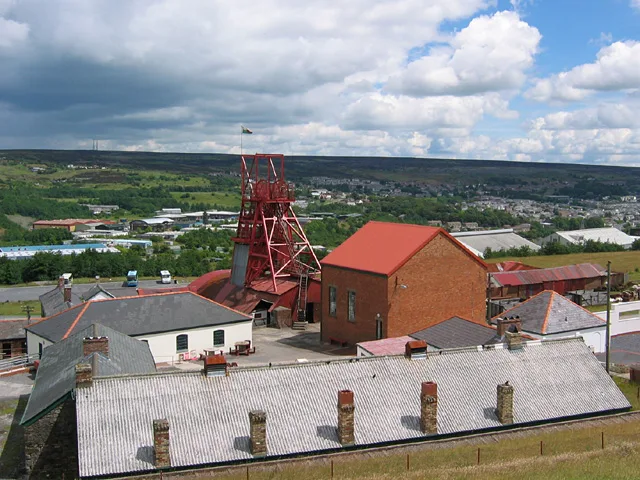
Big Pit National Coal Museum
Big Pit National Coal Museum — former coal mine and industrial heritage museum in Blaenavon in south-east Wales, United Kingdom.
 📷 5
📷 5Museums · South Wales
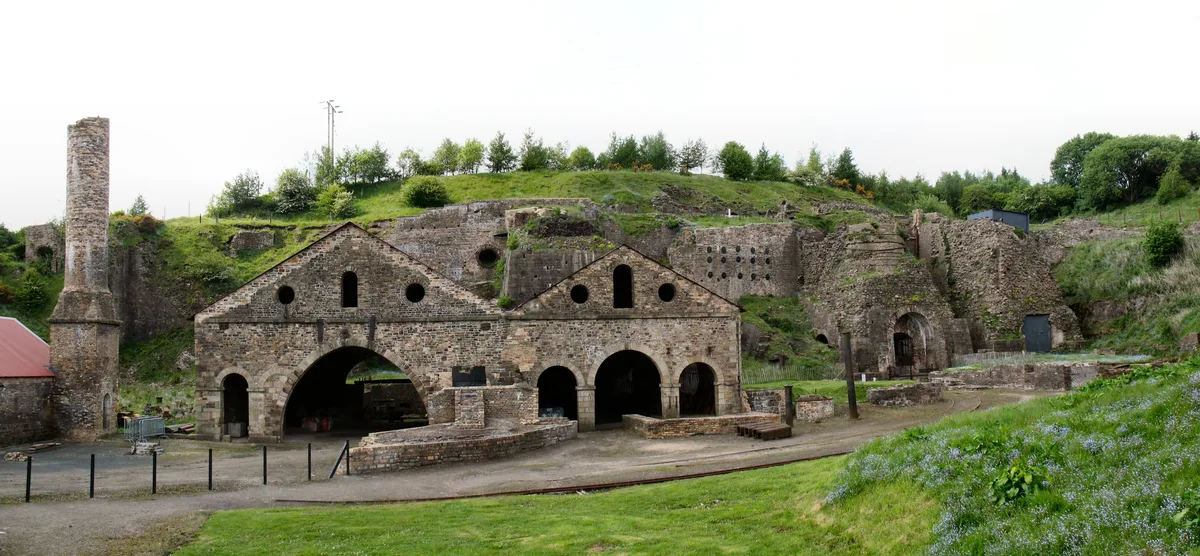
Blaenavon Ironworks
Blaenavon Ironworks — former ironworks transformed into a museum.
 📷 4
📷 4Museums · South Wales
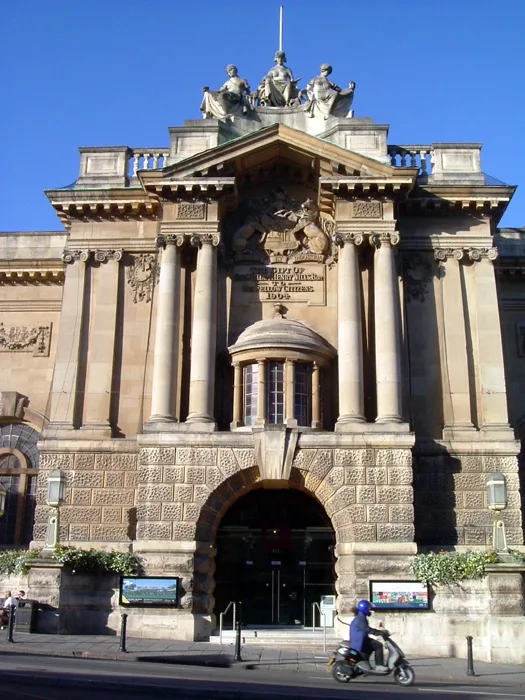
Bristol City Museum & Art Gallery
Bristol City Museum & Art Gallery is a museum in the United Kingdom.
Frequently asked questions
- Where is RMS Lusitania?
- RMS Lusitania is in South Wales, United Kingdom.
- What is RMS Lusitania?
- RMS Lusitania was a British ocean liner launched by the Cunard Line in 1906 as a Royal Mail Ship. She was the world's largest passenger ship until the completion of her running mate Mauretania three m
- How do I get to RMS Lusitania?
- Its coordinates are 51.4125°, -8.5478°.
- Who owns RMS Lusitania?
- RMS Lusitania is owned by border|20px Cunard Line.