
Palaces · London
Richmond Palace
In or near Thames Ditton.
Richmond Palace — former royal residence in London, England, UK.

Wikimedia Commons contributors — see linked file page for photographer and licence licence

Plan your visit
- Typical visit
- 2 h–3 h
- Nearest railway station
- Richmond · 0.7 km
- Free entry
- Family-friendly
- Limited wheelchair access
Getting there & planning your visit
To visit Richmond Palace, the nearest railway station is Richmond, which is 0.7 km away. The postcode for navigation is TW9 1NT. Please note that wheelchair accessibility is limited.
About
Richmond Palace is a palace in the United Kingdom — a residence built or used by royalty, the aristocracy, or a bishop. Heritage designation: Grade I listed building. Named after Earl of Richmond. Wikidata describes it as: "former royal residence in London, England, UK". Coordinates: 51.4604°, -0.3102°.
Photo gallery
360° view
Imagery © Mapillary contributors, CC BY-SA 4.0
Heritage listing
Richmond Palace was a Tudor royal residence on the River Thames in England which stood in the sixteenth and seventeenth centuries. Situated in what was then rural Surrey, it lay upstream and on the opposite bank from the Palace of Westminster, which was located nine miles (14 km) to the north-east. It was erected in about 1501 by Henry VII of England, formerly known as the Earl of Richmond, in honour of which the manor of Sheen had recently been renamed "Richmond". Richmond Palace therefore replaced Shene Palace, the latter palace being itself built on the site of an earlier manor house which had been appropriated by Edward I in 1299 and which was subsequently used by his next three direct descendants before it fell into disrepair.
From the Historic England List Entry under OGL v3.
Summary from the official site
Richmond Palace is a historic site located along the Thames, offering scenic boat trips and private hire options for events. Visitors can enjoy cruises that showcase the beautiful stretch of the river between Richmond and Hampton Court Palace.
Read more on the official property page.
From the Wikipedia article
Richmond Palace was a Tudor royal residence on the River Thames in England which stood in the sixteenth and seventeenth centuries. Situated in what was then rural Surrey, it lay upstream and on the opposite bank from the Palace of Westminster, which was located nine miles (14 km) to the north-east. It was erected in about 1501 by Henry VII of England, formerly known as the Earl of Richmond, in honour of which the manor of Sheen had recently been renamed "Richmond". Richmond Palace therefore replaced Shene Palace, the latter palace being itself built on the site of an earlier manor house which had been appropriated by Edward I in 1299 and which was subsequently used by his next three direct descendants before it fell into disrepair. In 1500, a year before the construction of the new Richmond Palace began, the name of the town of Sheen, which had grown up around the royal manor, was changed to "Richmond" by command of Henry VII. However, both names, Sheen and Richmond, continue to be used. Today's districts of East Sheen and North Sheen, now under the administrative control of the London Borough of Richmond upon Thames, were never in ancient times within the manor of Sheen, but were rather developed during the 19th and 20th centuries in parts of the adjoining manor and parish of Mortlake. Richmond remained part of the County of Surrey until April 1, 1965, when it was absorbed by the expansion of Greater London as a result of the London Government Act 1963. Richmond Palace was a favourite home of Elizabeth I, who died there in 1603. It remained a residence of the kings and queens of England until the death of Charles I of England in 1649. Within months of his execution, the palace was surveyed by order of the Parliament of England and was sold for £13,000. Over the following ten years it was largely demolished, the stones and timbers being re-used as building materials elsewhere. Only vestigial traces now survive, notably a palace gatehouse. (51°27'41"N 0°18'33"W).…
Excerpt from Wikipedia under CC BY-SA 4.0. See the source article linked in Sources below.
Background
History
.’ A 1765 engraving by James Basire, "based on an ancient drawing". Essentially as built by Henry VII in 1501. The outbuilding with a pointed roof at the far left (north) is the Great Kitchen. The chapel-like building adjoining the palace next to the kitchen is the Great Hall.]]
Architecture
All the accounts which have come down to us describe the furniture and decorations of Richmond Palace as superb, exhibiting in tapestries the deeds of kings and heroes.
Description
At Christmastide in 1497, a great fire broke out in the king's private chambers, destroying a large portion of the palace. The Milanese ambassador, Raimondo Soncino, witnessed the blaze, and estimated the damage at 60,000 ducats, in modern money about $10 million or £7 million. The fire lasted three hours and tore through the rest of the palace, causing hundreds to flee in panic. Much of the tapestry work of earlier ages was burnt to cinders, and losses included crown jewels and much of the royal wardrobe, including a large amount of cloth of gold, at this time a luxury item only wearable by royalty; and in the case of Sheen Palace it was a feature of the bedding. Accounts refer to Henry…
Sourced from Wikipedia under CC BY-SA 4.0.
- Coordinates
- 51.4604, -0.3102
- District
- Richmond upon Thames
- Parish
- Richmond upon Thames, unparished area
- Postcode
- TW9 1NT
- Parliamentary constituency
- Richmond Park
- Phone
- 0208 546 2434
- Nearest railway station
- Richmond — 0.7 km
Sources
- wikidata: Q1059945 (CC0)
- wikipedia: Richmond Palace (CC BY-SA 4.0)
- commons: Richmond Palace remains 7423.jpg (CC BY-SA 4.0)
Other places nearby

The Trumpeters' House
Historic houses · 0.1 km

The Wardrobe
Historic houses · 0.1 km

Asgill House
Historic houses · 0.1 km

Richmond Theatre
Open-air theatres · 0.2 km

Old Friars
Historic houses · 0.2 km

Lilian
Maritime museums · 0.2 km

Oak House
Historic houses · 0.2 km

White Cross
Historic houses · 0.2 km

White Cross
Historic pubs · 0.2 km
Richmond St. Helena Pier
Marinas · 0.2 km

Turk Launches - St. Helena Pier
Piers · 0.2 km

1 Old Palace Terrace
Historic houses · 0.2 km
Nearby
📷 5Historic houses · London
The Trumpeters' House
The Trumpeters' House — Grade I listed house in Richmond, London.
📷 5Historic houses · London
The Wardrobe
The Wardrobe — a Grade I-listed historic house in england-london, United Kingdom.
📷 5📷 5📷 5📷 5Where to eat & stay near Richmond Palace
Places to stay
 📷 5
📷 5Hotels · London
Richmond Hill Hotel
Richmond Hill Hotel — a hotel in england london.
 📷 5
📷 5 📷 5
📷 5 📷 6
📷 6Hotels · London
Novotel London Brentford
Novotel London Brentford — a hotel in england london.
 📷 7
📷 7 📷 5
📷 5Places to eat & drink
📷 5Historic pubs · London
White Cross
White Cross in England London, United Kingdom.
 📷 5
📷 5 📷 7
📷 7 📷 7
📷 7 📷 7📷 5
More palaces in this region
 Flagship📷 10
Palaces · London
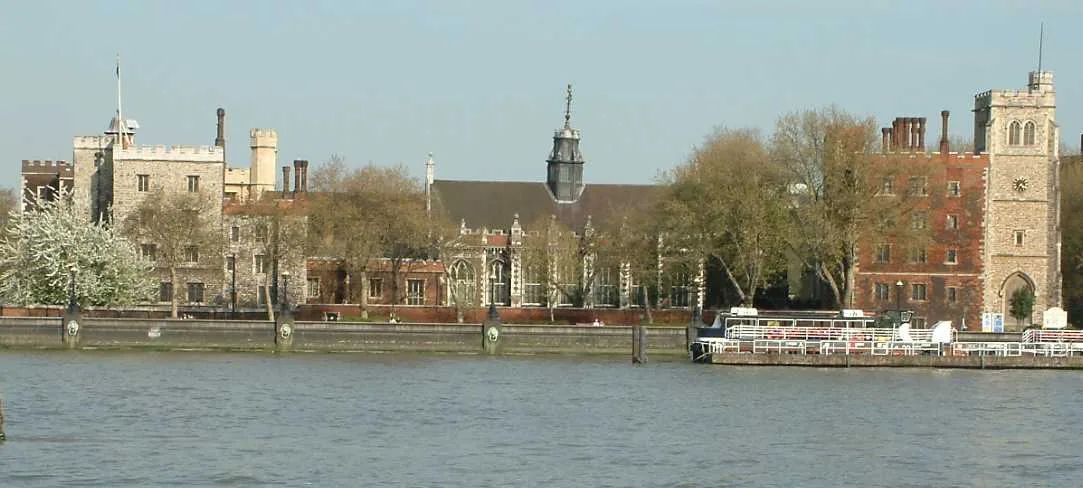
Lambeth Palace
Lambeth Palace — official London residence of the Archbishop of Canterbury.
 📷 5
📷 5Palaces · London
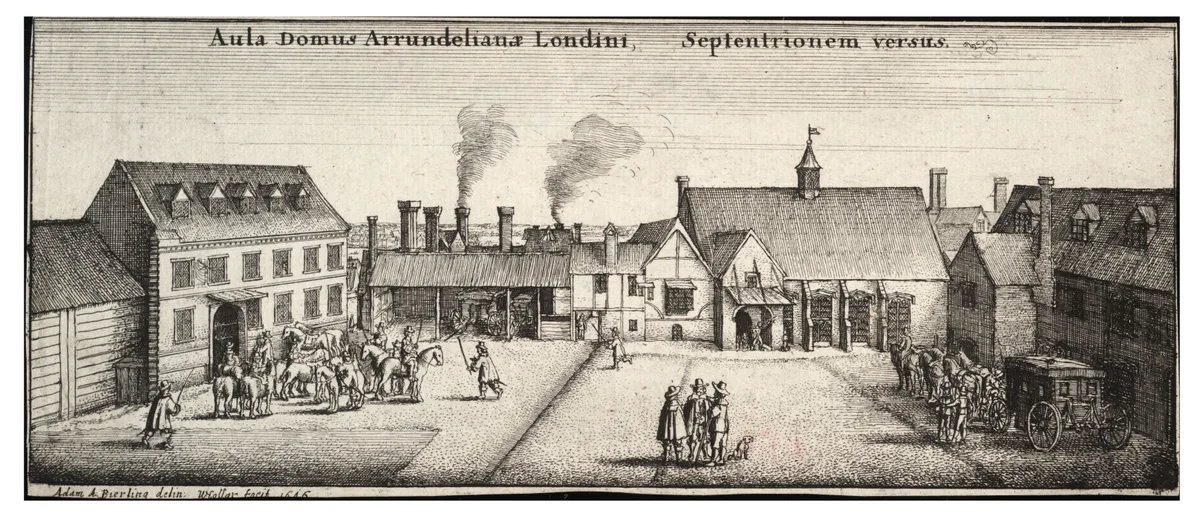
Arundel House
Arundel House — London town-house located between the Strand and the River Thames, near St Clement Danes.
 📷 5
📷 5Palaces · London
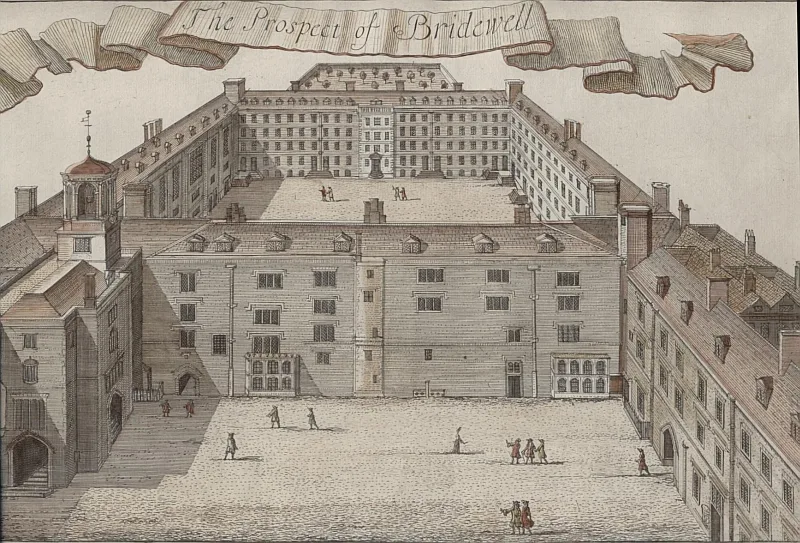
Bridewell Palace
Bridewell Palace — former palace in the City of London, England; former prison.
 ★ Iconic📷 5
Palaces · London
Bushy House
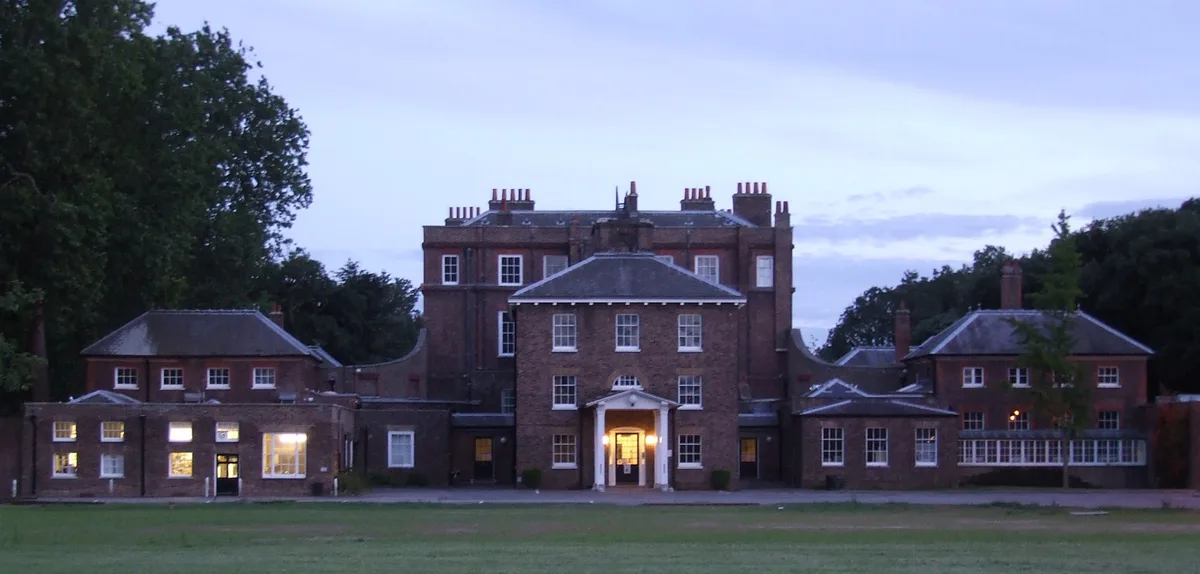
Bushy House — former royal residence in Teddington in South West London.
Frequently asked questions
- Where is Richmond Palace?
- Richmond Palace is in London, United Kingdom (postcode TW9 1NT), in the parish of Richmond upon Thames, unparished area.
- What is Richmond Palace?
- Richmond Palace — former royal residence in London, England, UK.
- How do I get to Richmond Palace?
- The nearest railway station is Richmond, about 0.7 km away. The nearest town is Thames Ditton. Drivers can use postcode TW9 1NT.
- Is Richmond Palace a listed building?
- Richmond Palace is officially recognised as Grade I listed building listed.
- Is Richmond Palace free to visit?
- Yes, Richmond Palace is free to enter.
- How do I get to Richmond Palace?
- The nearest railway station is Richmond, about 0.7 km away. Drivers can navigate to postcode TW9 1NT.