
Museums · South West England
Plymouth
In or near Tamerton Foliot.
Plymouth ( PLIM-əth) is a port city and unitary authority in Devon, England. It is located on Devon's south coast between the rivers Plym and Tamar, about 36 miles (58 km) southwest of Exeter and 193

Neil Owen — CC BY-SA 2.0 via Wikimedia Commons licence

Plan your visit
- Typical visit
- 1.5 h–3 h
- Best time of year
- Year-round
- Nearest railway station
- Plymouth · 0.8 km
- Family-friendly
- Limited wheelchair access
Getting there & planning your visit
To visit the museum in Plymouth, the nearest railway station is Plymouth, located 0.8 km away. The postcode for the museum is PL1 1LA. Please note that wheelchair accessibility is limited.
About
Plymouth ( PLIM-əth) is a port city and unitary authority in Devon, England. It is located on Devon's south coast between the rivers Plym and Tamar, about 36 miles (58 km) southwest of Exeter and 193 miles (311 km) southwest of London. It is the most populous city in Devon. Plymouth's history extends back to the Bronze Age, evolving from a trading post at Mount Batten into the thriving market town of Sutton, which was formally re-named as Plymouth in 1439 when it was made a borough. The settlement has played a significant role in English history, notably in 1588 when an English fleet based here defeated the Spanish Armada, and in 1620 as the departure point for the Pilgrim Fathers to the New World. During the English Civil War, the town was held by the Parliamentarians and was besieged between 1642 and 1646. In 1690 a dockyard was established on the River Tamar for the Royal Navy and Plymouth grew as a commercial shipping port throughout the Industrial Revolution. After absorbing nearby settlements in 1914, the borough was awarded city status in 1928. During World War II, Plymouth suffered extensive damage in the Plymouth Blitz, leading to post-war rebuilding that significantly shaped its modern appearance. A further expansion of its boundaries in 1967 contributed to its current status as the 30th-most populous built-up area in the UK and the second-largest city in the South West after Bristol, with a population in 2024 of 272,067. Plymouth's economy, historically rooted in
Photo gallery
See it from the streetimagery from 2024
Imagery © Mapillary contributors, CC BY-SA 4.0
Official information
The Theatre Royal in Plymouth is a prominent venue for live performances, showcasing a variety of shows including musicals, plays, and special events. Visitors can enjoy a diverse range of entertainment options throughout the year.
Protected designations
- Area of Outstanding Natural Beauty: Tamar Valley
Designations sourced from Natural England open data under OGL v3.
From the Wikipedia article
Plymouth ( PLIM-əth) is a port city and unitary authority in Devon, England. It is located on Devon's south coast between the rivers Plym and Tamar, about 36 miles (58 km) southwest of Exeter and 193 miles (311 km) southwest of London. It is the most populous city in Devon. Plymouth's history extends back to the Bronze Age, evolving from a trading post at Mount Batten into the thriving market town of Sutton, which was formally re-named as Plymouth in 1439 when it was made a borough. The settlement has played a significant role in English history, notably in 1588 when an English fleet based here defeated the Spanish Armada, and in 1620 as the departure point for the Pilgrim Fathers to the New World. During the English Civil War, the town was held by the Parliamentarians and was besieged between 1642 and 1646. In 1690 a dockyard was established on the River Tamar for the Royal Navy and Plymouth grew as a commercial shipping port throughout the Industrial Revolution. After absorbing nearby settlements in 1914, the borough was awarded city status in 1928. During World War II, Plymouth suffered extensive damage in the Plymouth Blitz, leading to post-war rebuilding that significantly shaped its modern appearance. A further expansion of its boundaries in 1967 contributed to its current status as the 30th-most populous built-up area in the UK and the second-largest city in the South West after Bristol, with a population in 2024 of 272,067. Plymouth's economy, historically rooted in shipbuilding and seafaring, has transitioned towards a service-based economy since the 1990s. It maintains strong maritime connections, hosting HMNB Devonport, the largest operational naval base in Western Europe, and offering ferry links to Brittany and Spain. The city is also home to the University of Plymouth, reflecting its educational and cultural significance. Today, the city is governed locally by Plymouth City Council and is represented nationally by three Members of Parliament.
Excerpt from Wikipedia under CC BY-SA 4.0. See the source article linked in Sources below.
Background
History
Upper Palaeolithic deposits, including bones of Homo sapiens have been found in local caves, and artefacts dating from the Bronze Age to the Middle Iron Age have been found at Mount Batten, showing that it was one of few principal trading ports of pre-Roman Britannia dominating continental trade with Armorica. An unidentified settlement named TAMARI OSTIA (mouth/estuaries of the Tamar) is listed in Ptolemy's Geographia and is presumed to be located in the area of the modern city. An ancient promontory fort was located at Rame Head at the mouth of Plymouth Sound with ancient hillforts located at Lyneham Warren to the east, Boringdon Camp and Maristow Camp to the north. The settlement of…
Sourced from Wikipedia under CC BY-SA 4.0.
- Coordinates
- 50.3714, -4.1422
- District
- Plymouth
- Parish
- Plymouth, unparished area
- Postcode
- PL1 1LA
- Parliamentary constituency
- Plymouth Sutton and Devonport
- Nearest railway station
- Plymouth — 0.8 km
- Official site
- www.theatreroyal.com
Sources
- wikipedia: Plymouth (CC BY-SA 4.0)
Other places nearby
Armada Way Sundial
Public art & sculpture · 0.0 km

Messenger
Public art & sculpture · 0.2 km

Riding a Wave
Public art & sculpture · 0.2 km

Odeon Plymouth
Theatres · 0.2 km
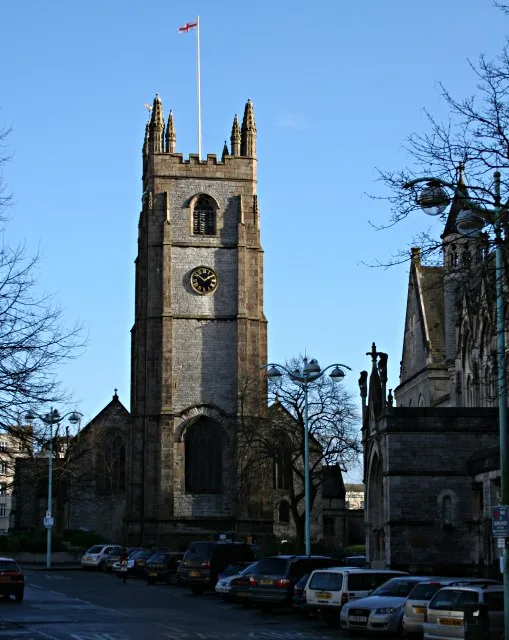
Plymouth Minster
Historic churches · 0.2 km

Plymouth Synagogue
Historic churches · 0.2 km
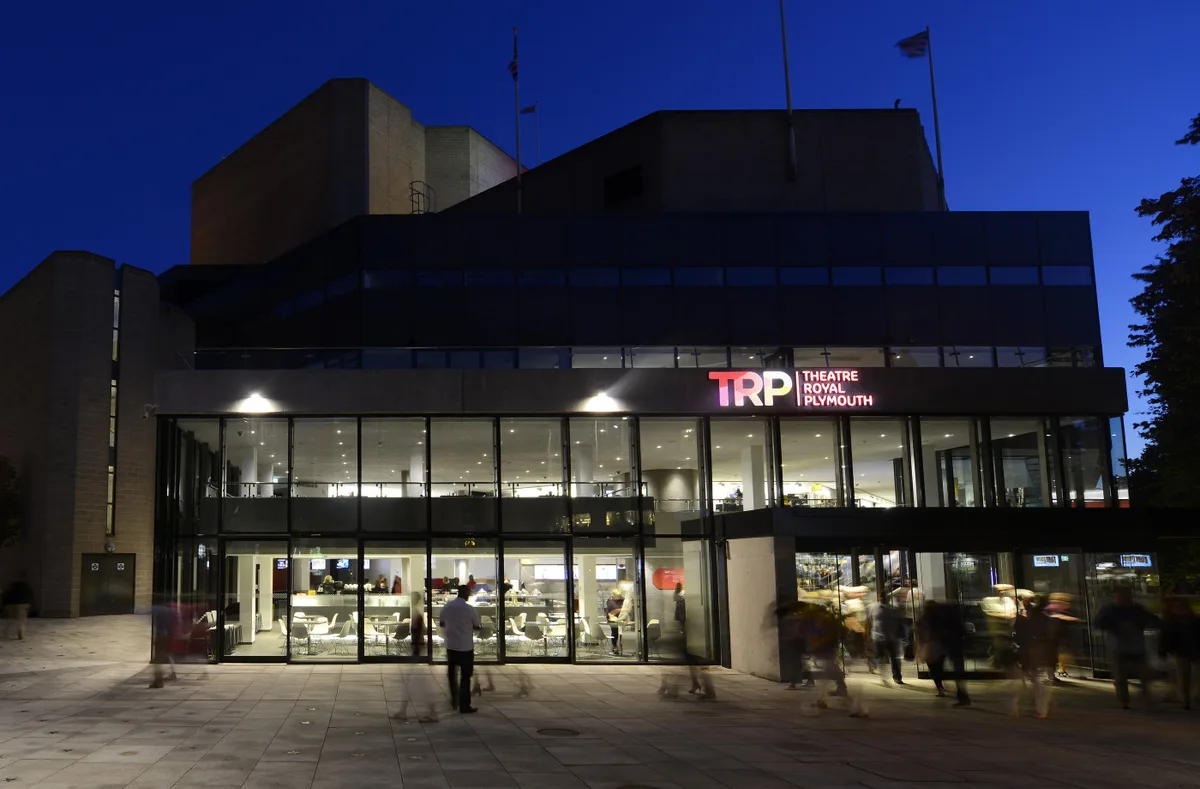
Theatre Royal & The Drum
Theatres · 0.2 km

The Bank Public House
Historic pubs · 0.3 km

Drum Theatre
Open-air theatres · 0.3 km
Theatre Royal
Open-air theatres · 0.3 km

Derry's clock
Natural landmarks · 0.3 km

Prysten House
Gardens · 0.3 km
Nearby
📷 3Public art & sculpture · South West England
Armada Way Sundial
Armada Way Sundial in England South West, United Kingdom.
📷 4Public art & sculpture · South West England
Messenger
Messenger in England South West, United Kingdom.
📷 3Public art & sculpture · South West England
Riding a Wave
Riding a Wave — a public art in South West England, United Kingdom.
📷 5Theatres · South West England
Odeon Plymouth
Odeon Plymouth — a cinema heritage in england-south-west, United Kingdom.
📷 5Historic churches · South West England
Plymouth Minster
Plymouth Minster — Anglican church in Plymouth, England.
📷 5Historic churches · South West England
Plymouth Synagogue
Plymouth Synagogue — a synagogue in england-south-west, United Kingdom.
Where to eat & stay near Plymouth
Places to stay
 📷 7
📷 7 📷 5
📷 5Hotels · South West England
Moxy Hotel
Moxy Hotel — a hotel in england south west.
 📷 5
📷 5Hostels · South West England
Plymouth Backpackers
Plymouth Backpackers — a hostel in england south west.
 📷 5
📷 5Hostels · South West England
Mount Batten Centre
Mount Batten Centre — a hostel in england south west.
 📷 5
📷 5 📷 5
📷 5Places to eat & drink
📷 5Historic pubs · South West England
The Bank Public House
The Bank Public House in England South West, United Kingdom.
 📷 5
📷 5Historic pubs · South West England
Minerva Inn (Number 31)
Minerva Inn (Number 31) in England South West, United Kingdom.
 📷 5
📷 5Historic pubs · South West England
Plymouth Gin Distillery
Plymouth Gin Distillery in England South West, United Kingdom.
 📷 5
📷 5 📷 7
📷 7 📷 5
📷 5Restaurants · South West England
Miller & Carter
Miller & Carter — a restaurant in england south west. Cuisine: steak. Brand: Miller & Carter.
More museums in this region
 📷 5
📷 5Museums · South West England
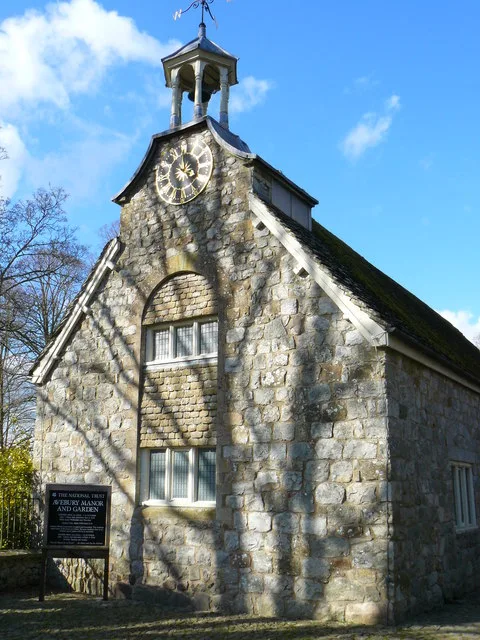
Alexander Keiller Museum
Alexander Keiller Museum — museum in South West England, United Kingdom.
 📷 5
📷 5Museums · South West England
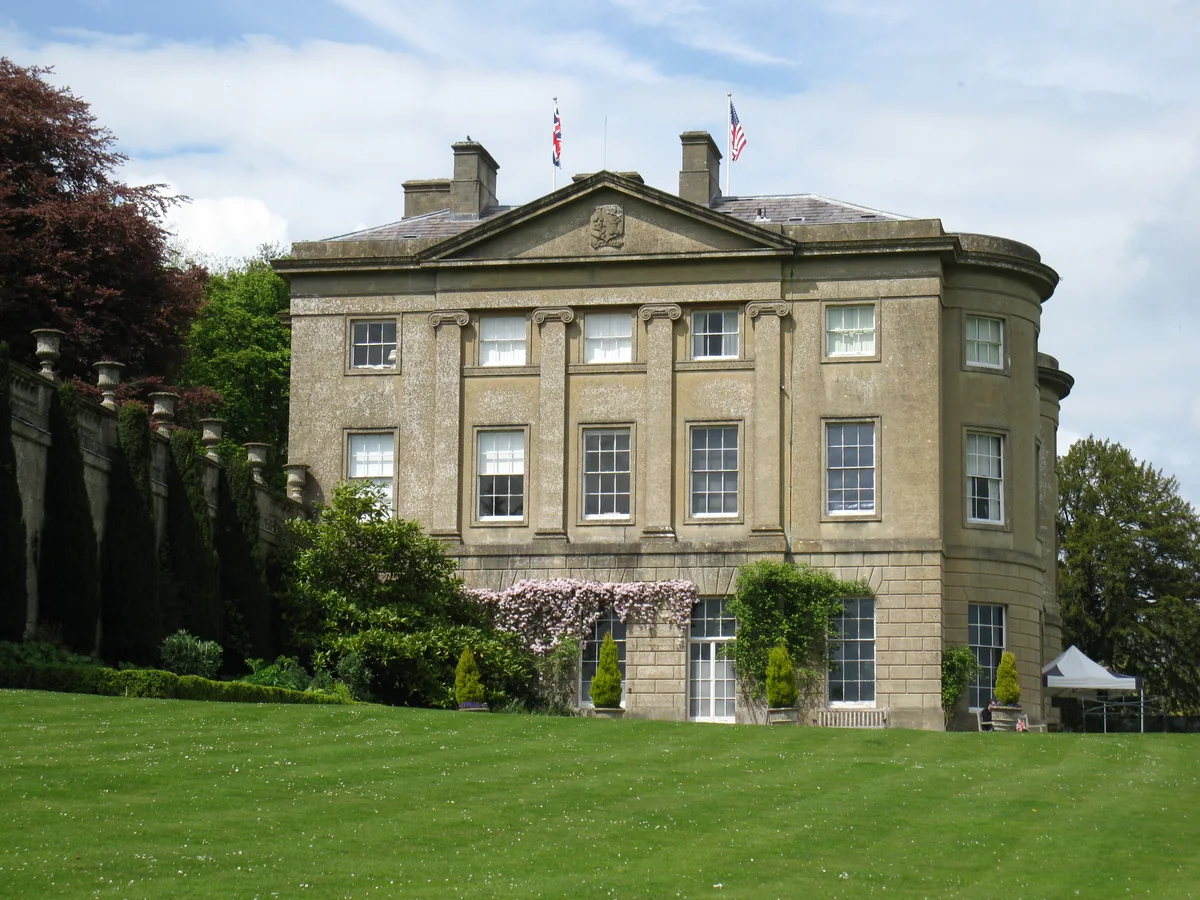
American Museum and Gardens
American Museum and Gardens — culture and arts museum near Bath, England, United Kingdom.
 📷 5
📷 5Museums · South West England
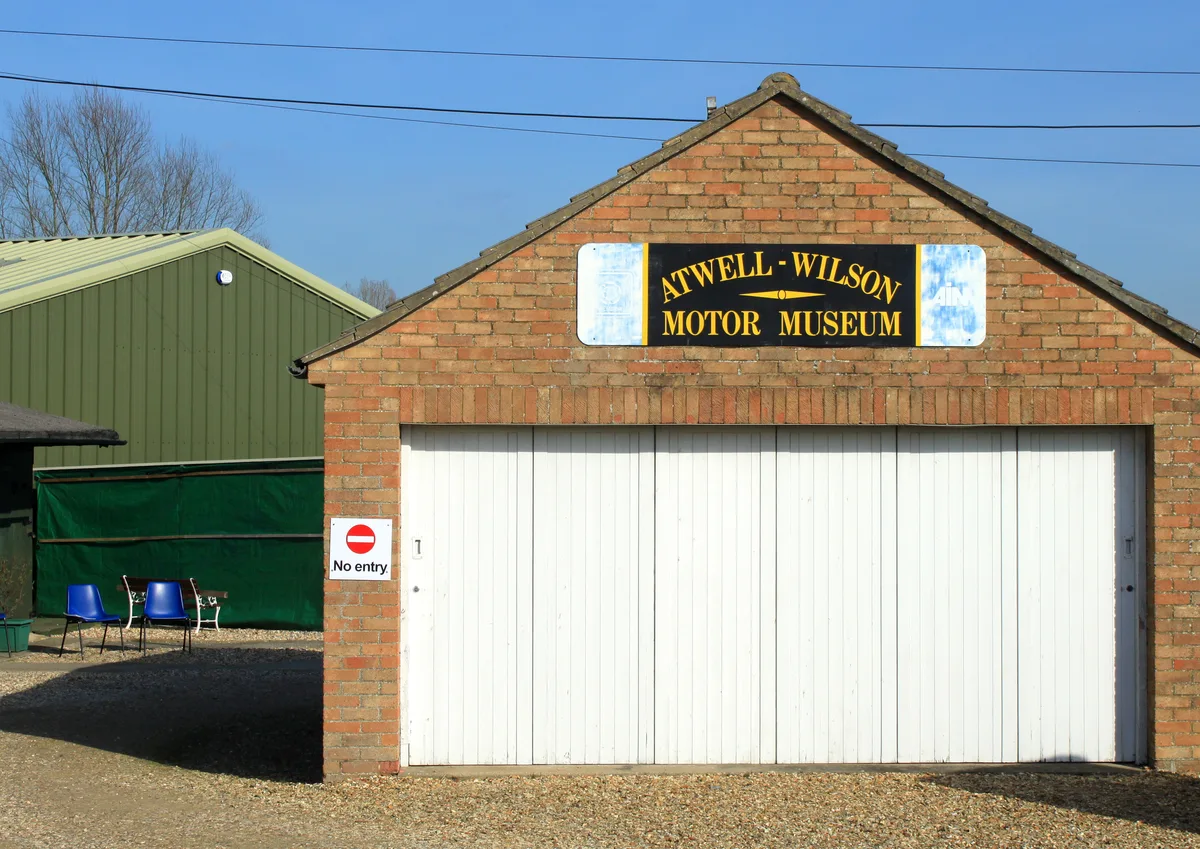
Atwell-Wilson Motor Museum
Atwell-Wilson Motor Museum — museum in Calne, England, UK.
 📷 5
📷 5Museums · South West England
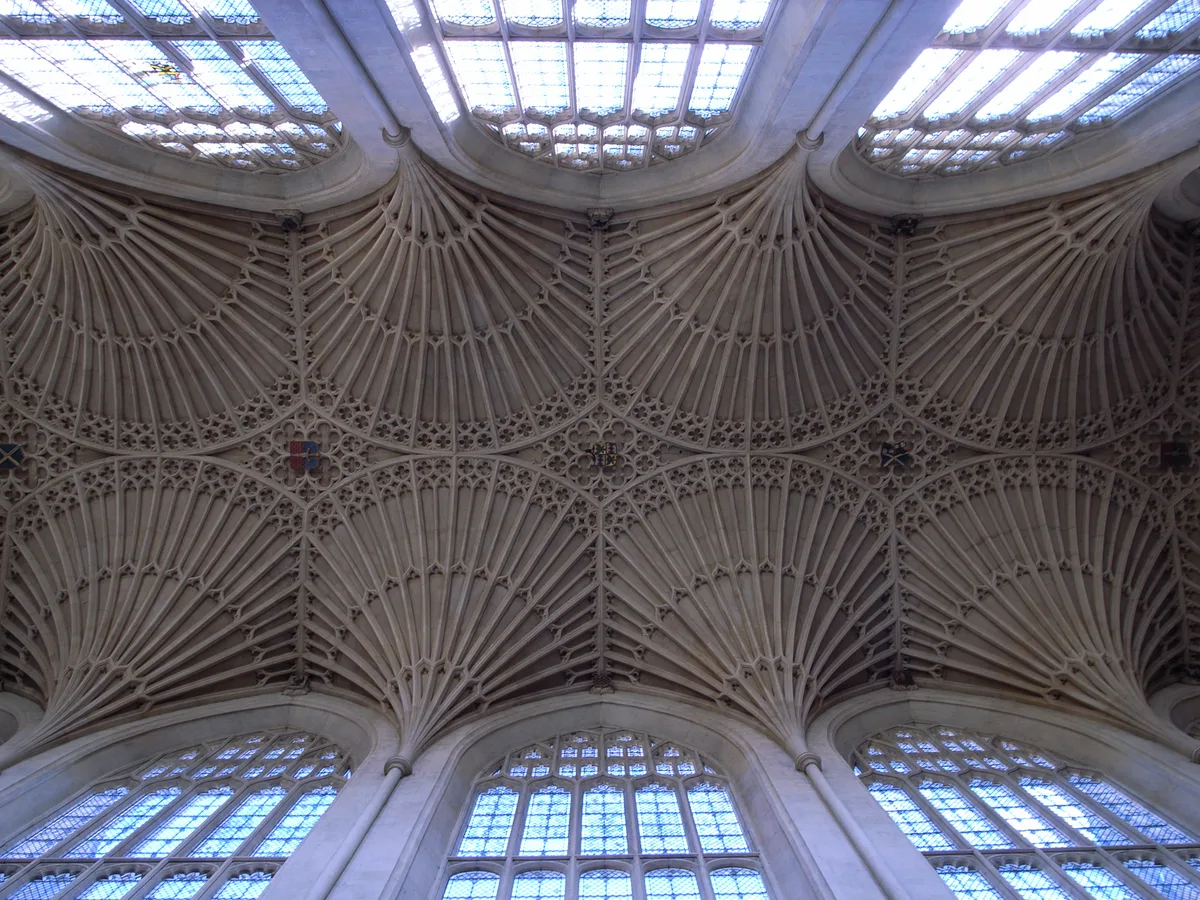
Bath Abbey Heritage Vaults
Bath Abbey Heritage Vaults — museum in Bath Abbey, Bath, England, UK.
Frequently asked questions
- Where is Plymouth?
- Plymouth is in South-West England, United Kingdom (postcode PL1 1LA), in the parish of Plymouth, unparished area.
- What is Plymouth?
- Plymouth ( PLIM-əth) is a port city and unitary authority in Devon, England. It is located on Devon's south coast between the rivers Plym and Tamar, about 36 miles (58 km) southwest of Exeter and 193
- How do I get to Plymouth?
- The nearest railway station is Plymouth, about 0.8 km away. The nearest town is Tamerton Foliot. Drivers can use postcode PL1 1LA.
- Who owns Plymouth?
- Plymouth is owned by Plymouth City Council.
- Is Plymouth a protected site?
- Yes — Plymouth is part of the Tamar Valley National Landscape (AONB).
- How do I get to Plymouth?
- The nearest railway station is Plymouth, about 0.8 km away. Drivers can navigate to postcode PL1 1LA.