
Follies · London
Pagoda
In or near Thames Ditton.
Pagoda — Folly or eyecatcher.

Wikimedia Commons contributors — see linked file page for photographer and licence licence

Plan your visit
- Typical visit
- 20 min–45 min
- Nearest railway station
- North Sheen · 0.9 km
- Paid entry
- Family-friendly
- Dog-friendly
Getting there & planning your visit
To visit the Pagoda, the nearest railway station is North Sheen, located 0.9 km away. The postcode for the Pagoda is TW9 2AS, and entry is free.
About
Pagoda is a folly — a piece of decorative architecture built more for the view than any practical purpose — in the United Kingdom. Records date its origin to 1762. Designed by William Chambers. Wikidata describes it as: "Folly or eyecatcher.". Coordinates: 51.4713°, -0.2957°.
Photo gallery
360° viewimagery from 2026
Imagery © Mapillary contributors, CC BY-SA 4.0
Official information
The Kew Explorer land train offers a convenient way to explore the Kew Gardens, showcasing a variety of highlights across the UNESCO World Heritage site. Visitors can enjoy a relaxed ride while learning about the diverse living collections and various attractions within the gardens.
From the Wikipedia article
The Great Pagoda at Kew Gardens in southwest London was built in 1761 by Sir William Chambers as a present for Princess Augusta, the founder of the gardens. Constructed of grey brick, the pagoda comprises 10 storeys, totalling 163 ft (50 m) in height, with 253 steps to the viewing gallery. Closed for repairs in 2006, the pagoda was reopened in 2018 following a major programme of restoration. It is a Grade I listed building. The ground floor roof is supported on wooden pillars. The storeys above this have arcaded balconies with Chinese Chippendale railings and curved roofs. The roofs are now of lead although they were originally covered in alternating bands of green and white tiles. The 80 restored dragons surmount each roof. Bridget Cherry, in her London 2: South volume of the Buildings of England series, describes the pagoda as "this supreme example of chinoiserie". A study of 2019, written after the restoration, ranked it as "the most important surviving chinoiserie building in Europe".
Excerpt from Wikipedia under CC BY-SA 4.0. See the source article linked in Sources below.
Background
History
Princess Augusta, widow of Frederick, Prince of Wales, established the botanic garden at Kew in 1759. Augusta employed Sir William Chambers to construct a number of architectural features in the gardens, including temples, a ruined arch and the Great Pagoda. The 18th century saw great increases in trade between China and the West, and led to an explosion of interest in Chinese art and culture. Chambers' pagoda was an early example of this. Born in Sweden, although educated in England, Chambers enlisted with the Swedish East India Company making three voyages to China and Bengal in the 1740s. Later in life, he was to publish a Dissertation on Oriental Gardening and he had already, in 1757,…
Sourced from Wikipedia under CC BY-SA 4.0.
- Coordinates
- 51.4713, -0.2957
- District
- Richmond upon Thames
- Parish
- Richmond upon Thames, unparished area
- Postcode
- TW9 2AS
- Parliamentary constituency
- Richmond Park
- Established
- 1762
- Nearest railway station
- North Sheen — 0.9 km
- Opening
- Daily from 11am
Sources
- osm: w4806085 (ODbL)
- wikipedia: Great Pagoda, Kew Gardens (CC BY-SA 4.0)
- commons: The Chinese Pagoda in Kew Gardens.JPG (CC BY-SA 4.0)
Other places nearby

Stop 3 - The Great Pagoda
Natural landmarks · 0.1 km
.jpg?width=1200)
Ruined Arch
Follies · 0.3 km

Stop 2 - Temperate House
Historic houses · 0.3 km

Shepherd by John Cheere
Public art & sculpture · 0.4 km

Temperate House
Historic houses · 0.4 km

Kew Gardens
Villages · 0.4 km

Replica of Donatello's David in the Temperate House, Kew Gardens
Public art & sculpture · 0.4 km

Marianne North Gallery
Galleries · 0.4 km

Shirley Sherwood Gallery
Galleries · 0.4 km
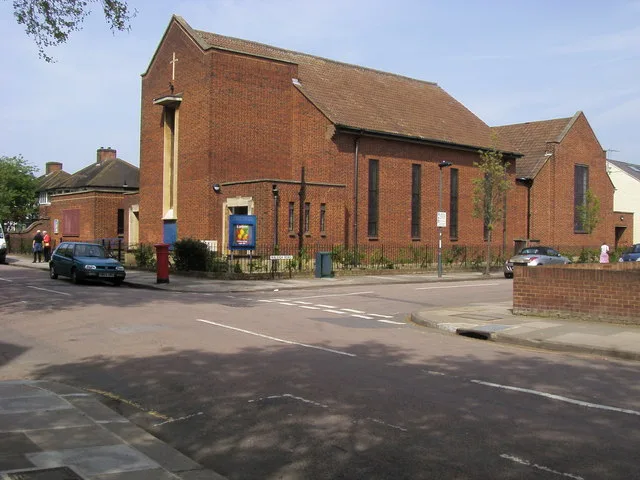
Raleigh Road United Church
Historic churches · 0.5 km
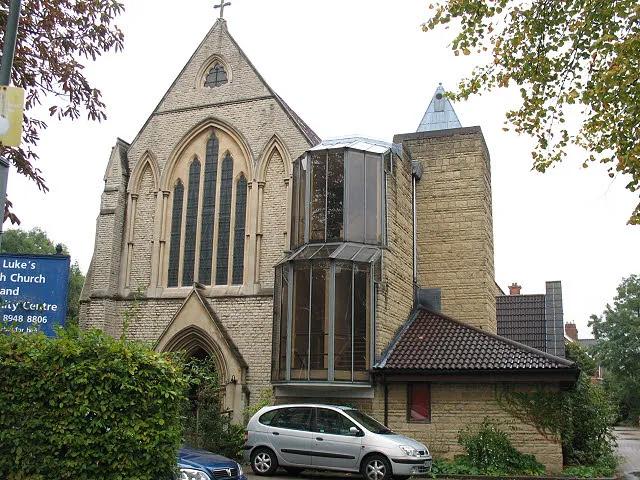
St Luke's Church, Kew
Historic churches · 0.5 km

Stag Beetle Loggery
Natural landmarks · 0.6 km
Nearby
📷 5Natural landmarks · London
Stop 3 - The Great Pagoda
Stop 3 - The Great Pagoda — a place in London, United Kingdom.
📷 5📷 5Historic houses · London
Stop 2 - Temperate House
Stop 2 - Temperate House — a place in London, United Kingdom.
📷 5Public art & sculpture · London
Shepherd by John Cheere
Shepherd by John Cheere in England London, United Kingdom.
Flagship📷 5Historic houses · London
Temperate House
Temperate House — a Grade I-listed historic house in england-london, United Kingdom.
📷 5Where to eat & stay near Pagoda
Places to stay
 📷 5
📷 5 📷 5
📷 5Hotels · London
Richmond Hill Hotel
Richmond Hill Hotel — a hotel in england london.
 📷 6
📷 6Hotels · London
Novotel London Brentford
Novotel London Brentford — a hotel in england london.
 📷 7
📷 7 📷 5
📷 5 📷 5
📷 5Places to eat & drink
 📷 5📷 7
 📷 7
📷 7 📷 5
📷 5 📷 5
📷 5 📷 7
📷 7Other works by William Chambers
 📷 5
📷 5Galleries · London
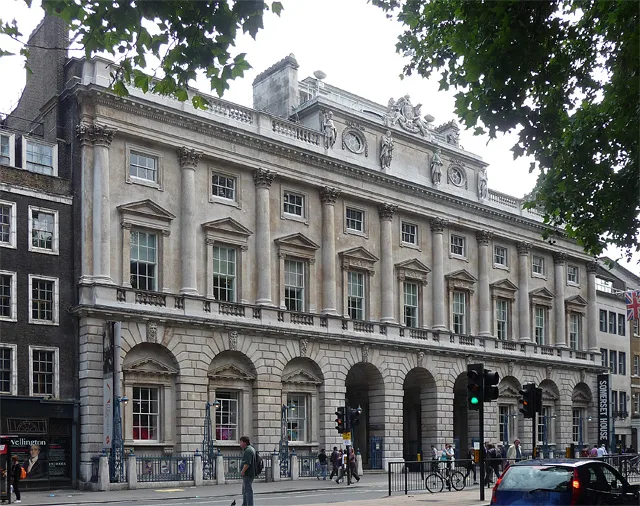
Courtauld Gallery
Courtauld Gallery — art museum of the Courtauld Institute of Art, located in Somerset House, London.
 📷 5
📷 5Gardens · London
Kew Observatory
Kew Observatory — a garden in england-london, United Kingdom.
 Flagship📷 5
Historic houses · London
Parkstead House
Parkstead House — a Grade I-listed historic house in england-london, United Kingdom.
📷 5Other follies from this era
📷 5.jpg?width=1200) 📷 5
📷 5 📷 5
📷 5 📷 3
📷 3More follies in this region
 📷 5
📷 5Follies · London
Arrows and Obelisk
Arrows and Obelisk — Public artwork (sculpture) by Peter Logan.
 📷 5
📷 5 📷 5
📷 5Follies · London
Brent river Weir Folly
Brent river Weir Folly — Folly or eyecatcher.
 📷 5
📷 5Frequently asked questions
- Where is Pagoda?
- Pagoda is in London, United Kingdom (postcode TW9 2AS), in the parish of Richmond upon Thames, unparished area.
- What is Pagoda?
- Pagoda — Folly or eyecatcher.
- How do I get to Pagoda?
- The nearest railway station is North Sheen, about 0.9 km away. The nearest town is Thames Ditton. Drivers can use postcode TW9 2AS.
- When was Pagoda built?
- Built or established in 1762. Designed by William Chambers.
- Who owns Pagoda?
- Pagoda is owned by Historic Royal Palaces.
- How do I get to Pagoda?
- The nearest railway station is North Sheen, about 0.9 km away. Drivers can navigate to postcode TW9 2AS.