
Historic churches · East Midlands
Milton Mausoleum
In or near Kirton.
Milton Mausoleum — church in Milton, West Markham, Nottinghamshire, England, UK.

Wikimedia Commons contributors — see linked file page for photographer and licence licence

Plan your visit
- Typical visit
- 30 min–1 h
- Nearest railway station
- Retford · 7.3 km
- Free entry
Getting there & planning your visit
To visit Milton Mausoleum, the nearest railway station is Retford, located 7.3 km away. The postcode for navigation is NG22 0PW, and entry is free.
About
Milton Mausoleum is a historic church in the United Kingdom. Records date its origin to 1832. Designed by Robert Smirke. Built in the Neoclassical architecture style. Heritage designation: Grade I listed building. Wikidata describes it as: "church in Milton, West Markham, Nottinghamshire, England, UK". Coordinates: 53.2493°, -0.9297°.
Photo gallery
Heritage listing
The Milton Mausoleum is a redundant Anglican church in the village of Milton, Nottinghamshire, England. It is recorded in the National Heritage List for England as a designated Grade I listed building, and is under the care of The Churches Conservation Trust. The church, which stands on a hill and is visible from the Markham Moor junction on the A1 road, has also been known as All Saints Church, West Markham, and been confused with the medieval parish church of All Saints' Church, West Markham.
From the Historic England List Entry under OGL v3.
From the Wikipedia article
The Milton Mausoleum is a redundant Anglican church in the village of Milton, Nottinghamshire, England. It is recorded in the National Heritage List for England as a designated Grade I listed building, and is under the care of The Churches Conservation Trust. The church, which stands on a hill and is visible from the Markham Moor junction on the A1 road, has also been known as All Saints Church, West Markham, and been confused with the medieval parish church of All Saints' Church, West Markham.
Excerpt from Wikipedia under CC BY-SA 4.0. See the source article linked in Sources below.
Background
History
The building was commissioned by the 4th Duke of Newcastle in memory of his wife. It was designed by Sir Robert Smirke and completed in 1833. Most of the building served as a family mausoleum, with the nave as a parish church.
Architecture
Inside the west entrance is a porch, with a doorway on the south side, and steps leading up to a gallery to the north. At the east end of the nave is a screen in Ionic style with a dentil cornice containing boards painted with biblical texts. In the nave are box pews. Its ceiling is panelled, and on the south wall is a monument dated 1863. Beyond the screen is a rotunda with four round archways alternating with four round-arched niches. In the south chamber is a mid 19th-century memorial to the Dukes of Newcastle, carved by William Grinsell Nicholl. On its south wall is a board containing seven brass memorial plaques. The eastern arch leads by a passage to the east door. On its south side…
Sourced from Wikipedia under CC BY-SA 4.0.
- Coordinates
- 53.2493, -0.9297
- County
- Nottinghamshire
- District
- Bassetlaw
- Parish
- West Markham
- Postcode
- NG22 0PW
- Parliamentary constituency
- Newark
- Established
- 1832
- Nearest railway station
- Retford — 7.3 km
- Official site
- www.visitchurches.org.uk
Sources
- wikidata: Q15253430 (CC0)
- wikipedia: Milton Mausoleum (CC BY-SA 4.0)
- commons: Milton Mausoleum - geograph.org.uk - 55750.jpg (CC BY-SA 4.0)
Other places nearby
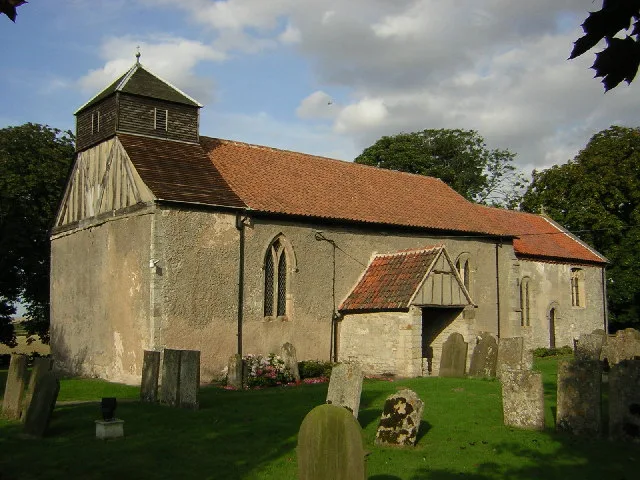
All Saints' Church, West Markham
Historic churches · 0.7 km

Medieval settlement including a moated site and open field system, immediately north east and south of Hall Farm
Vineyards · 0.8 km

Markham Moor Scorer Building
Gardens · 0.9 km

Eel Pie Bridge
Historic bridges · 1.2 km
Markham Moor Bridge (or 'Mirihil' Bridge)
Historic bridges · 1.2 km

Lound Hall
Gardens · 1.5 km

Jacket Watermill
Watermills · 1.7 km
St Paul's Church, West Drayton
Historic churches · 1.8 km

West Drayton
Villages · 1.9 km

Windmill At Mill Mount
Windmills · 2.2 km

East Markham
Villages · 2.4 km

East Markham War Memorial
Memorials & monuments · 2.4 km
Nearby
📷 3Historic churches · East Midlands
All Saints' Church, West Markham
All Saints' Church, West Markham — church in West Markham, Nottinghamshire, England, UK.
📷 5Vineyards · East Midlands
Medieval settlement including a moated site and open field system, immediately north east and south of Hall Farm
Medieval settlement including a moated site and open field system, immediately north east and south of Hall Farm — a UK vineyard in england east midlands, producing English or Welsh wine from cool-climate grape varieties.
📷 4Gardens · East Midlands
Markham Moor Scorer Building
Markham Moor Scorer Building — a garden in england-east-midlands, United Kingdom.
📷 3Historic bridges · East Midlands
Eel Pie Bridge
Eel Pie Bridge — Grade II listed building-listed bridge in england-east-midlands, United Kingdom.
📷 3Historic bridges · East Midlands
Markham Moor Bridge (or 'Mirihil' Bridge)
Markham Moor Bridge (or 'Mirihil' Bridge) — scheduled monument-listed bridge in england-east-midlands, United Kingdom.
📷 4Gardens · East Midlands
Lound Hall
Lound Hall — a garden in england-east-midlands, United Kingdom.
Where to eat & stay near Milton Mausoleum
Places to stay
 📷 5
📷 5 📷 5
📷 5Campsites · East Midlands
Greenacres Caravan and Touring Park
Greenacres Caravan and Touring Park — a campsite in england east midlands.
 📷 5
📷 5Campsites · East Midlands
Orchard Park Tour. C. & C. P.
Orchard Park Tour. C. & C. P. — a campsite in england east midlands.
 📷 5
📷 5Campsites · East Midlands
Walesby Forest
Walesby Forest — a campsite in england east midlands.
 📷 5
📷 5 📷 5
📷 5Caravan parks · East Midlands
Clumber Park Caravan and Motorhome Club
Clumber Park Caravan and Motorhome Club — a caravan park in england east midlands.
Places to eat & drink
 📷 5
📷 5Historic pubs · East Midlands
The Newcastle Arms
The Newcastle Arms in England East Midlands, United Kingdom.
 📷 5
📷 5Historic pubs · East Midlands
New Inn Public House
New Inn Public House in England Yorkshire, United Kingdom.
 📷 5
📷 5Historic pubs · East Midlands
Hop Pole Hotel And Adjoining Stable Block And Outbuilding
Hop Pole Hotel And Adjoining Stable Block And Outbuilding in England East Midlands, United Kingdom.
 📷 5
📷 5 📷 5
📷 5Historic pubs · East Midlands
Newcastle Arms Public House
Newcastle Arms Public House in England Yorkshire, United Kingdom.
 📷 7
📷 7Historic pubs · East Midlands
Black Boy Public House
Black Boy Public House in England Yorkshire, United Kingdom.
Other works by Robert Smirke
 📷 5
📷 5Museums · London
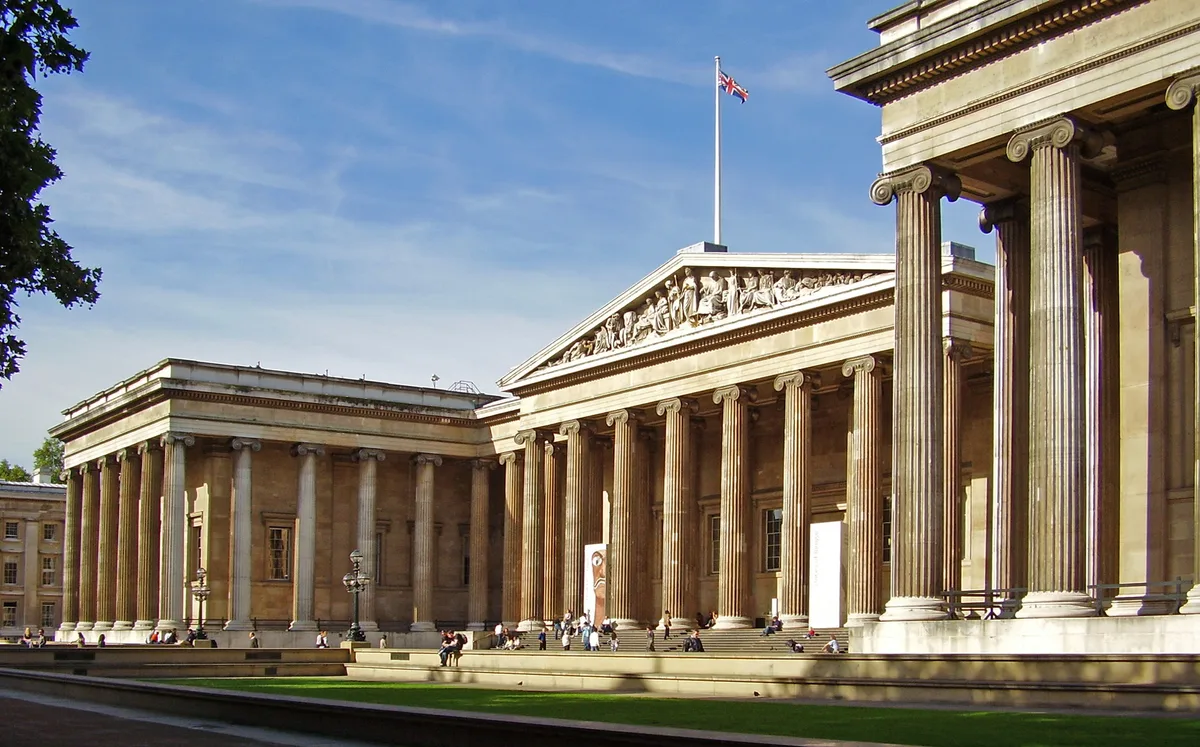
British Museum
British Museum — national museum in London, United Kingdom.
 📷 5
📷 5Historic churches · London
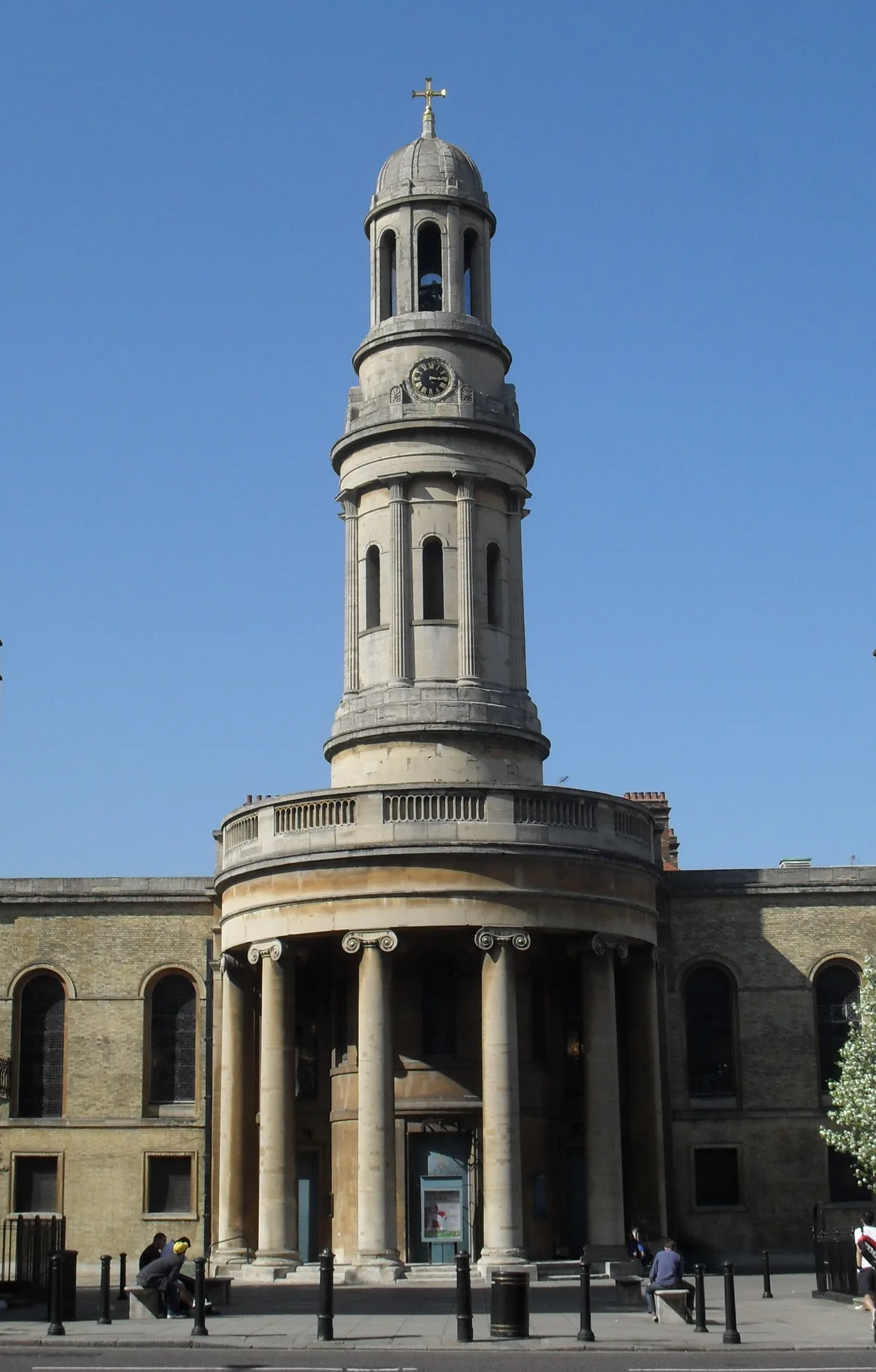
St Mary's, Bryanston Square
St Mary's, Bryanston Square — church of England church in London.
 📷 5
📷 5Gardens · London
King's Building
King's Building — a garden in england-london, United Kingdom.
 📷 4
📷 4Gardens · South West England
Old Council House, Bristol
Old Council House, Bristol — a garden in wales-south, United Kingdom.
Other places from this era
 📷 5
📷 5Historic churches · London
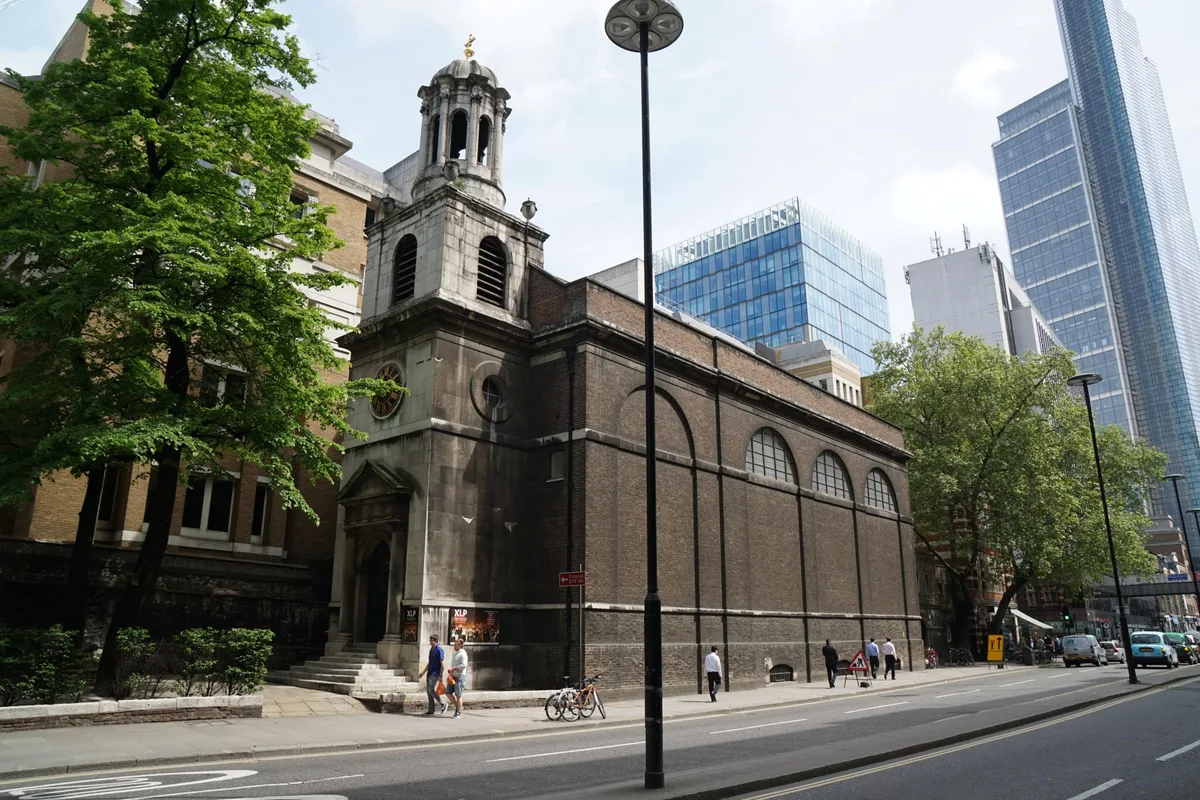
All Hallows-on-the-Wall
All Hallows-on-the-Wall — church in City of London, UK.
 📷 5
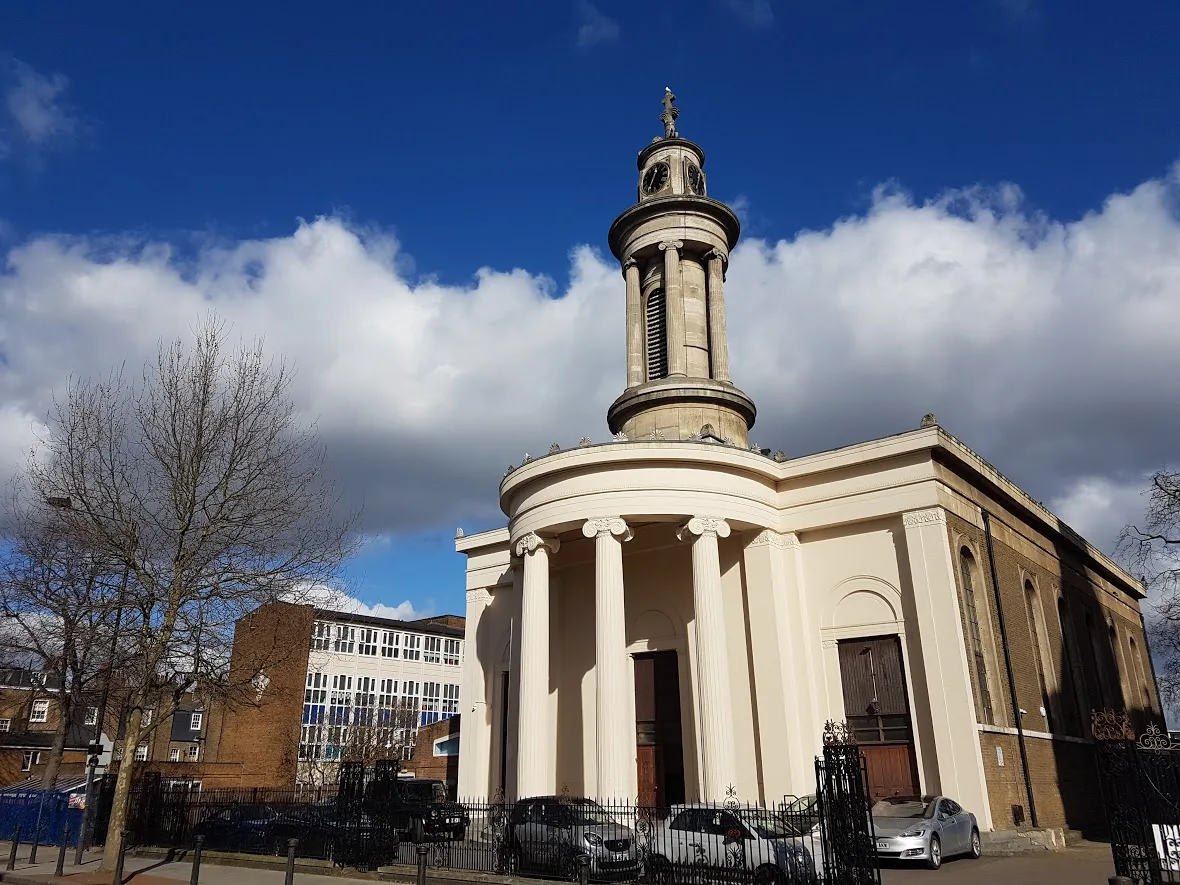
📷 5Historic churches · London
All Saints, Camden Town
All Saints, Camden Town — Greek Orthodox cathedral church in London, UK.
 📷 5
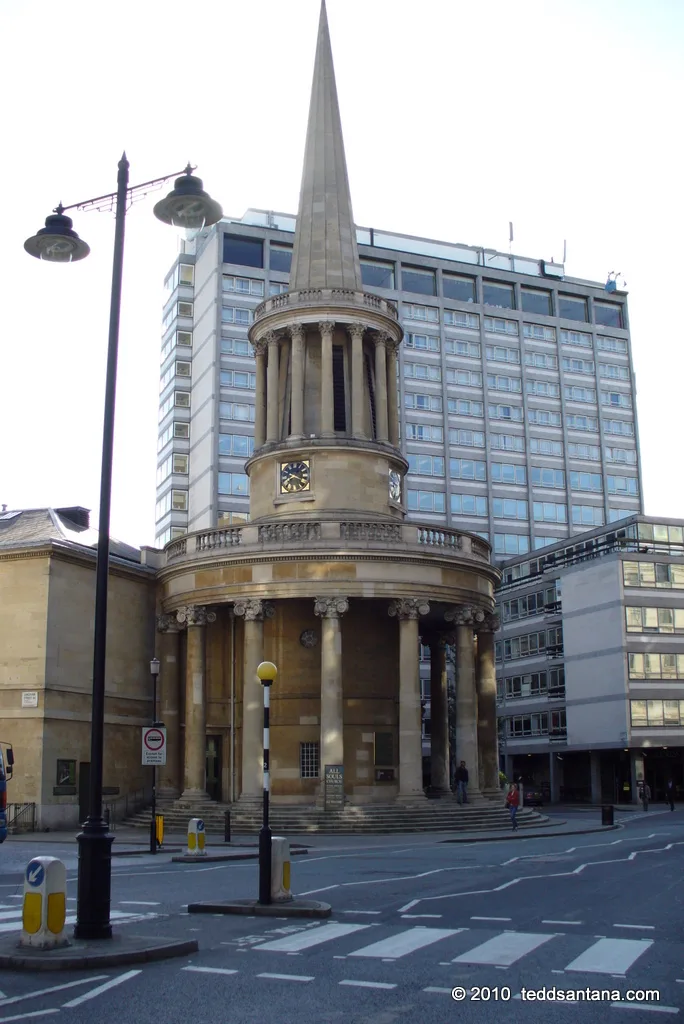
📷 5Historic churches · London
All Souls Church, Langham Place
All Souls Church, Langham Place — church building in Westminster, London, England, UK.
 📷 5
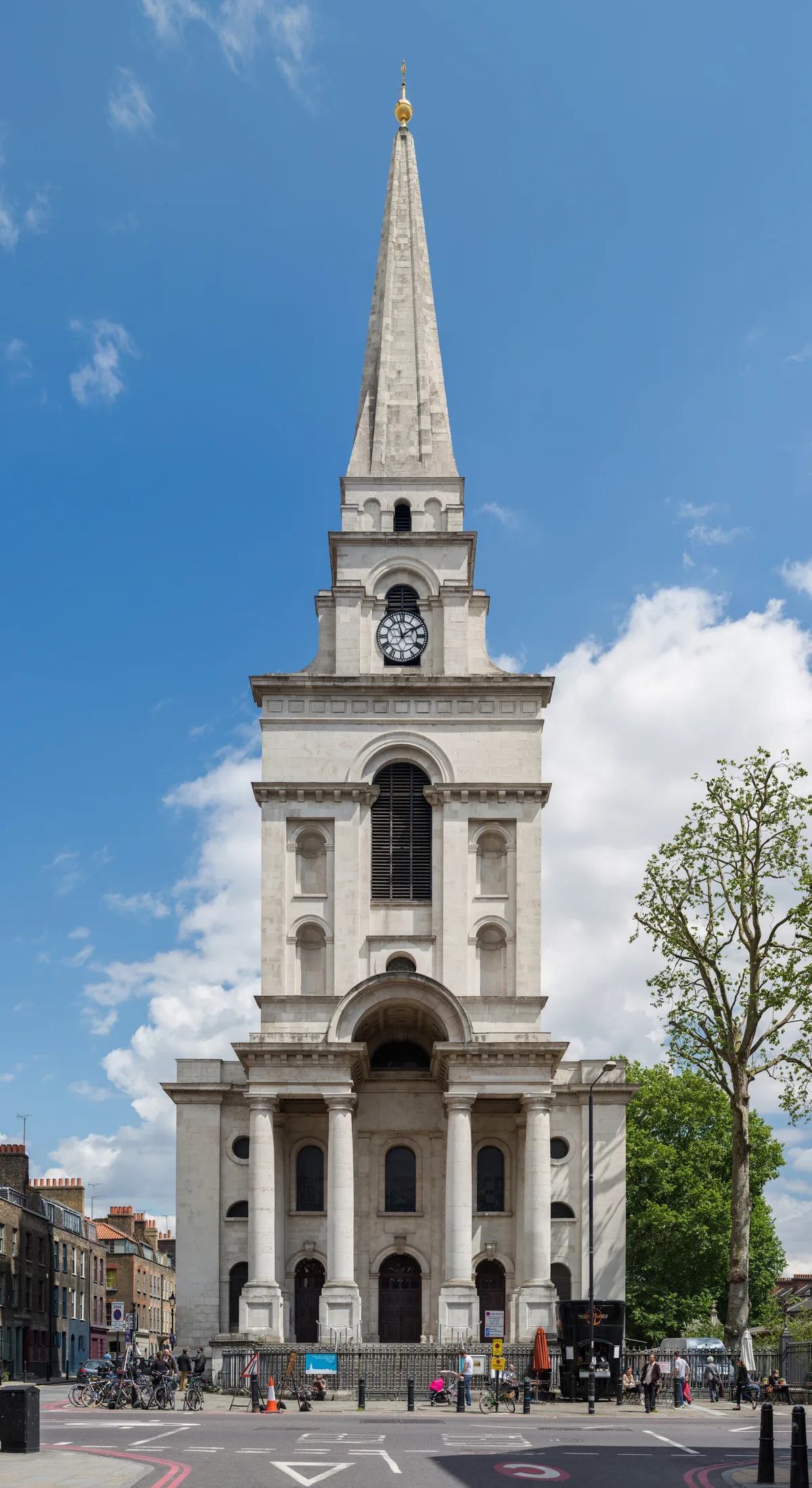
📷 5Historic churches · London
Christ Church, Spitalfields
Christ Church, Spitalfields — church in Spitalfields, London.
More places in this region
 📷 5
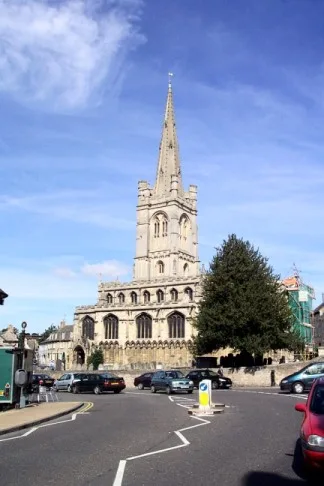
📷 5Historic churches · East Midlands
All Saints' Church, Stamford
All Saints' Church, Stamford — church in Stamford, Lincolnshire, England, UK.
 📷 5
📷 5Historic churches · East Midlands
Church of All Saints
Church of All Saints — church in Little Casterton, Rutland, United Kingdom.
 📷 5
📷 5Historic churches · East Midlands
Church of All Saints
Church of All Saints — church in Fenland, UK.
 📷 5
📷 5Historic churches · East Midlands
Church of St Leonard
Church of St Leonard — church in Fenland, UK.
Frequently asked questions
- Where is Milton Mausoleum?
- Milton Mausoleum is in Nottinghamshire, the East Midlands, United Kingdom (postcode NG22 0PW), in the parish of West Markham.
- What is Milton Mausoleum?
- Milton Mausoleum — church in Milton, West Markham, Nottinghamshire, England, UK.
- How do I get to Milton Mausoleum?
- The nearest railway station is Retford, about 7.3 km away. The nearest town is Kirton. Drivers can use postcode NG22 0PW.
- When was Milton Mausoleum built?
- Built or established in 1832. Designed by Robert Smirke.
- Is Milton Mausoleum a listed building?
- Milton Mausoleum is officially recognised as Grade I listed building listed.
- Is Milton Mausoleum free to visit?
- Yes, Milton Mausoleum is free to enter.
- How do I get to Milton Mausoleum?
- The nearest railway station is Retford, about 7.3 km away. Drivers can navigate to postcode NG22 0PW.