
Public art & sculpture · North West England
Lord Wilson of Rievaulx
In or near Roby.
Lord Wilson of Rievaulx — a public art in wales-north, United Kingdom.

Sue Adair — CC BY-SA 2.0 via Wikimedia Commons licence

Plan your visit
- Typical visit
- 1 h–2 h
- Nearest railway station
- Huyton · 0.3 km
- Free entry
- Dog-friendly
Getting there & planning your visit
To visit Lord Wilson of Rievaulx, the nearest railway station is Huyton, located 0.3 km away. The postcode for your sat-nav is L36 0WW, and entry is free.
About
Lord Wilson of Rievaulx is a public art located in wales-north, United Kingdom. Sourced from OpenStreetMap (ODbL licence); see local listings for visitor information, opening hours and admission details.
Photo gallery
From the Wikipedia article
James Harold Wilson, Baron Wilson of Rievaulx (11 March 1916 – c. 23 May 1995), was a British politician who twice served as Prime Minister of the United Kingdom, from 1964 to 1970 and from 1974 to 1976. He was Leader of the Labour Party from 1963 to 1976, Leader of the Opposition twice from 1963 to 1964 and again from 1970 to 1974, and a Member of Parliament (MP) from 1945 to 1983. Wilson is the only Labour leader to have formed governments following four general elections. Born in Huddersfield, Yorkshire, to a politically active lower middle-class family, Wilson studied philosophy, politics and economics at Jesus College, Oxford. He was later an Economic History lecturer at New College, Oxford, and a research fellow at University College, Oxford. Elected to Parliament in 1945, Wilson was appointed to the Attlee government as a Parliamentary secretary; he became Secretary for Overseas Trade in 1947, and was elevated to the Cabinet shortly thereafter as President of the Board of Trade. Following Labour's defeat at the 1955 election, Wilson joined the Shadow Cabinet as Shadow Chancellor, and was moved to the role of Shadow Foreign Secretary in 1961. When Labour leader Hugh Gaitskell died in January 1963, Wilson won the leadership election to replace him, becoming Leader of the Opposition. Wilson led Labour to a narrow victory at the 1964 election. His first period as prime minister saw a period of low unemployment and economic prosperity; this was however hindered by significant problems with Britain's external balance of payments. His government oversaw significant societal changes, abolishing both capital punishment and theatre censorship, partially decriminalising male homosexuality in England and Wales, relaxing the divorce laws, limiting immigration, outlawing racial discrimination, and liberalising birth control and abortion law. In the midst of this programme, Wilson called a snap election in 1966, which Labour won with a much increased majority. His government armed Nigeria during the Biafran War. In 1969, he sent British troops to Northern Ireland. After unexpectedly losing the 1970 election to Edward Heath's Conservatives, Wilson chose to remain in the Labour leadership, and resumed the role of Leader of the Opposition for four years before leading Labour through the February 1974 election, which resulted in a hung parliament. Wilson was appointed prime minister for a second time; he called a snap election in October 1974, which gave Labour a small majority. During his second term as prime minister, Wilson oversaw the referendum that confirmed the UK's membership of the European Communities. In 1975, his government set up the Northern Ireland Constitutional Convention as an attempt to deal with constitutional issues surrounding the status of Northern Ireland. While out of office in late 1971, Wilson had formulated a 15-year programme that was designed to pave the way for the unification of Ireland. In March 1976, Wilson suddenly resigned as prime minister. He remained in the House of Commons until retiring in 1983 when he was elevated to the House of Lords as Lord Wilson of Rievaulx. While seen by admirers as leading the Labour Party through difficult political issues with considerable skill, Wilson's reputation was low when he left office and is still disputed in historiography. Some scholars praise his unprecedented electoral success for a Labour prime minister and holistic approach to governance, while others criticise his…
Excerpt from Wikipedia under CC BY-SA 4.0. See the source article linked in Sources below.
- Coordinates
- 53.4106, -2.8396
- District
- Knowsley
- Parish
- Knowsley, unparished area
- Postcode
- L36 0WW
- Parliamentary constituency
- Knowsley
- Nearest railway station
- Huyton — 0.3 km
Sources
- osm: node/6397063129 (ODbL)
- wikipedia: Lord Wilson of Rievaulx (CC BY-SA 4.0)
Other places nearby

Huyton
Museums · 0.1 km

Stuart Sutcliffe grave
Natural landmarks · 0.4 km

Huyton Hill Preparatory School
Natural landmarks · 0.5 km
.JPG?width=1200)
Roby
Towns & cities · 0.9 km

Huyton Quarry
Villages · 1.0 km

Roby
Villages · 1.1 km
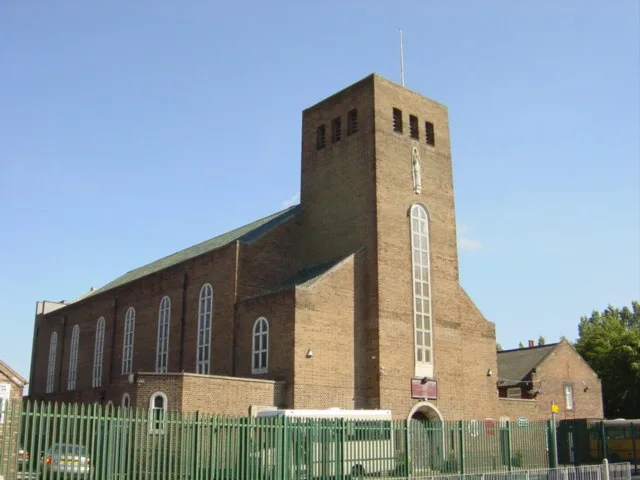
St. Aloysius Catholic Church
Historic churches · 1.2 km

Bowring Park, Knowsley
Parks · 1.6 km
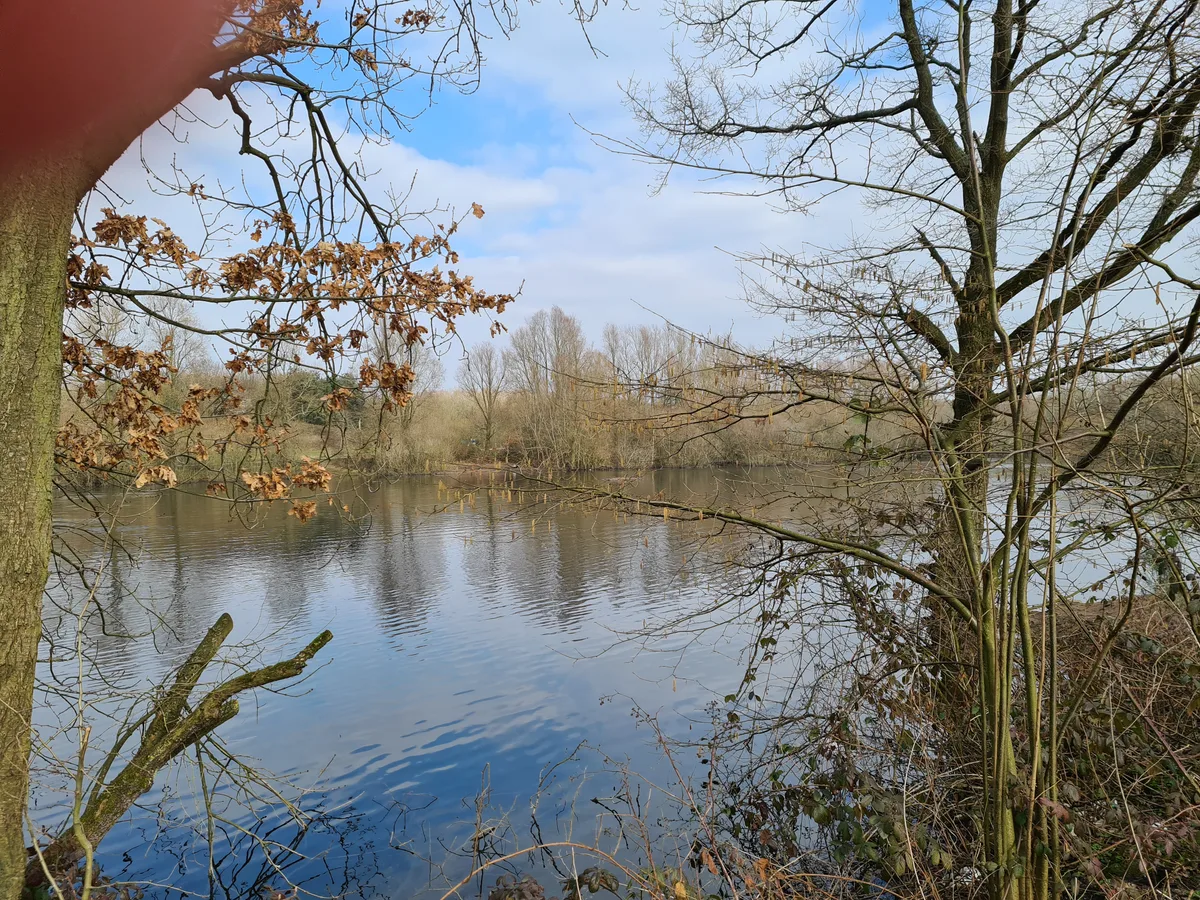
Stadt Moers Park
Parks · 1.8 km

C.F. Mott College of Education
Natural landmarks · 2.0 km
Wire sculpture
Public art & sculpture · 2.1 km

Granada Cinema, Dovecot
Theatres · 2.4 km
Nearby
📷 5📷 3Natural landmarks · North West England
Stuart Sutcliffe grave
Stuart Sutcliffe grave — a other in wales-north, United Kingdom.
📷 5Natural landmarks · North West England
Huyton Hill Preparatory School
Huyton Hill Preparatory School — a school heritage in wales-north, United Kingdom.
📷 5Towns & cities · North West England
Roby
Roby — village in the Metropolitan Borough of Knowsley, Merseyside, England.
📷 5📷 5Where to eat & stay near Lord Wilson of Rievaulx
Places to stay
 📷 5
📷 5 📷 5
📷 5Campsites · North West England
Sunny Side Naturist Camp
Sunny Side Naturist Camp — a campsite in wales north.
Caravan parks · North West England
Sherdley Road Caravan Site
Sherdley Road Caravan Site — a caravan park in england north west.
 📷 5
📷 5Hotels · North West England
Hampton by Hilton Liverpool/John Lennon Airport
Hampton by Hilton Liverpool/John Lennon Airport — a hotel in wales north. 3-star. Brand: Hampton.
 📷 5
📷 5Hostels · North West England
Everton Hostel
Everton Hostel — a hostel in wales north.
 📷 5
📷 5Places to eat & drink
 📷 5
📷 5Historic pubs · North West England
The Hare And Hounds Public House
The Hare And Hounds Public House in Wales North, United Kingdom.
 📷 5
📷 5Historic pubs · North West England
Allerton Hall
Allerton Hall in Wales North, United Kingdom.
 📷 5
📷 5Historic pubs · North West England
Boundary Public House
Boundary Public House in Wales North, United Kingdom.
 📷 7
📷 7Historic pubs · North West England
Royal Park Hotel, Toxteth
Royal Park Hotel, Toxteth in Wales North, United Kingdom.
 ★ Iconic📷 4
Historic pubs · North West England
The Philharmonic Dining Rooms
Britain's only Grade I-listed pub interior, with the famous marble urinals.
 📷 5
📷 5Historic pubs · North West England
Philharmonic Dining Rooms
Philharmonic Dining Rooms in Wales North, United Kingdom.
More places in this region
 📷 3
📷 3Public art & sculpture · North West England
Anyone Who Has a Heart
Anyone Who Has a Heart — Public artwork (sculpture).
 📷 3
📷 3Public art & sculpture · North West England
Generation of Possibilities
Generation of Possibilities — Public artwork (sculpture) by Paul Frank Lewthwaite.
 📷 3
📷 3Public art & sculpture · North West England
Inhuman barriers
Inhuman barriers — Public artwork (mural) by Never Crew.
 📷 3
📷 3Public art & sculpture · North West England
James Fraser
James Fraser — Public artwork (statue) by Thomas Woolner.
Frequently asked questions
- Where is Lord Wilson of Rievaulx?
- Lord Wilson of Rievaulx is in North-West England, United Kingdom (postcode L36 0WW), in the parish of Knowsley, unparished area.
- What is Lord Wilson of Rievaulx?
- Lord Wilson of Rievaulx — a public art in wales-north, United Kingdom.
- How do I get to Lord Wilson of Rievaulx?
- The nearest railway station is Huyton, about 0.3 km away. The nearest town is Roby. Drivers can use postcode L36 0WW.
- Is Lord Wilson of Rievaulx free to visit?
- Yes, Lord Wilson of Rievaulx is free to enter.
- How do I get to Lord Wilson of Rievaulx?
- The nearest railway station is Huyton, about 0.3 km away. Drivers can navigate to postcode L36 0WW.