
Wildlife reserves · Central Scotland
Glen Nant
In or near Taynuilt.
Glen Nant in Scotland Islands, United Kingdom.

Hugh Venables — CC BY-SA 2.0 via Wikimedia Commons licence

Plan your visit
- Typical visit
- 2 h–4 h
- Best time of year
- Autumn & winter (migration & wildfowl)
- Nearest railway station
- Taynuilt · 3.7 km
- Free entry
- Dog-friendly
Getting there & planning your visit
To visit Glen Nant in the Scottish Highlands, the nearest railway station is Taynuilt, which is 3.7 km away. Entry to the wildlife reserve is free.
About
Glen Nant is a place of interest in Scotland Islands, United Kingdom — drawn from open-data sources for visitor reference. See the linked Wikipedia article for the full description.
Photo gallery
Official information
Glen Nant is a scenic nature reserve known for its rich biodiversity and beautiful landscapes. Visitors can explore walking trails and enjoy the natural beauty of the area.
From the Wikipedia article
Glen Nant (Scottish Gaelic: Gleann Neannta) is a glen lying to the south of Taynuilt in the Argyll and Bute council area of Scotland. An area of woodland of 339 hectares on the western side of the River Nant is designated as national nature reserve (NNR), which is owned and managed by Forestry and Land Scotland (FLS). It is an example of an Atlantic Oakwood, and is one of largest areas of upland oak woodland in north Argyll. The woodland at Glen Nant was coppiced during the 18th and 19th centuries to maximise production of bark for the tanning industry and charcoal for iron smelting, with charcoal being supplied to the iron furnace at Bonawe. Oak was the favoured species for both purposes, leading to a dominance of oak trees in the area. Other tree species remained mostly in areas that were difficult to manage, such as along the river. During the 1970s the Forestry Commission (predecessor body of FLS) planted areas with commercial conifer species such as Sitka spruce. By the later 1970s the focus on increasing the amount of commercial forestry led to oak woodland on the eastern side of the lower glen being felled in preparation for conifer plantations: following negotiations between the Nature Conservancy Council (predecessor body of NatureScot) and the Forestry Commission the area was declared a national nature reserve (NNR) in 1979. Deer fences were erected to encourage natural regeneration of the forest. Work has since been undertaken to remove non-native conifer species and reinstate the coppicing of some areas of trees. In 2003 the NNR was extended to include the FCS woodland on the western side of the lower glen.
Excerpt from Wikipedia under CC BY-SA 4.0. See the source article linked in Sources below.
- Coordinates
- 56.4000, -5.2167
- Address
- Argyll and Bute, Scotland
- Established
- 1979
- Nearest railway station
- Taynuilt — 3.7 km
- Official site
- sitelink.nature.scot
Sources
Other places nearby

Eas nan Clag
Natural landmarks · 1.3 km

Dun Mhuirageul, dun site
Archaeological sites · 2.4 km

Loch Awe Holiday Park
Caravan parks · 2.5 km

Cruach Airdeny
Mountains & hills · 2.5 km

Old Bridge of Awe
Historic bridges · 2.5 km
Bridge of Awe
Historic bridges · 2.6 km

Cnoc Ichrachan
Mountains & hills · 2.8 km

Airdeny
Natural landmarks · 2.9 km

Tom an Iasgaire
Vineyards · 2.9 km

Tom an Iasgaire Fort
Archaeological sites · 2.9 km

Cruach Achadh na Craoibhe
Mountains & hills · 2.9 km
River Awe
Memorials & monuments · 3.1 km
Nearby
📷 4Natural landmarks · Central Scotland
Eas nan Clag
Eas nan Clag in Scotland Islands, United Kingdom.
📷 3Archaeological sites · Central Scotland
Dun Mhuirageul, dun site
Dun Mhuirageul, dun site — an archaeological site in Central Scotland, United Kingdom.
📷 5Caravan parks · Central Scotland
Loch Awe Holiday Park
Loch Awe Holiday Park — a caravan park in scotland highlands.
📷 5Mountains & hills · Central Scotland
Cruach Airdeny
Cruach Airdeny — a hill or mountain in scotland highlands.
📷 3Historic bridges · Central Scotland
Old Bridge of Awe
Old Bridge of Awe in Scotland Islands, United Kingdom.
📷 5Historic bridges · Central Scotland
Bridge of Awe
Bridge of Awe — category B listed building-listed bridge in scotland-highlands, United Kingdom.
Where to eat & stay near Glen Nant
Places to stay
📷 5Caravan parks · Central Scotland
Loch Awe Holiday Park
Loch Awe Holiday Park — a caravan park in scotland highlands.
 📷 5
📷 5 📷 5
📷 5Hotels · Central Scotland
Ardanaiseig Hotel
Ardanaiseig Hotel — a hotel in scotland highlands.
 📷 7
📷 7Hotels · Central Scotland
Loch Awe Hotel
Loch Awe Hotel — a hotel in scotland highlands.
 📷 5
📷 5Caravan parks · Central Scotland
North Ledaig Caravan Site
North Ledaig Caravan Site — a caravan park in scotland highlands.
 📷 5
📷 5Caravan parks · Central Scotland
Oban Camping & Caravanning Club Site
Oban Camping & Caravanning Club Site — a caravan park in scotland highlands.
Places to eat & drink
 📷 3
📷 3Historic pubs · Central Scotland
Ardbrecknish House
Ardbrecknish House — Historic pub — listed building or notable heritage status.
 📷 7
📷 7Historic pubs · Central Scotland
King's Arms Flats, 28 George Street, Oban
King's Arms Flats, 28 George Street, Oban in Scotland Central, United Kingdom.
 📷 7
📷 7Historic pubs · Central Scotland
Caledonian Hotel, George Street, Oban
Caledonian Hotel, George Street, Oban in Scotland Central, United Kingdom.
 📷 7
📷 7 📷 5
📷 5Historic pubs · Central Scotland
Tigh an Truish Inn
Tigh an Truish Inn — Historic pub — listed building or notable heritage status.
More places in this region
 📷 3
📷 3Wildlife reserves · Central Scotland
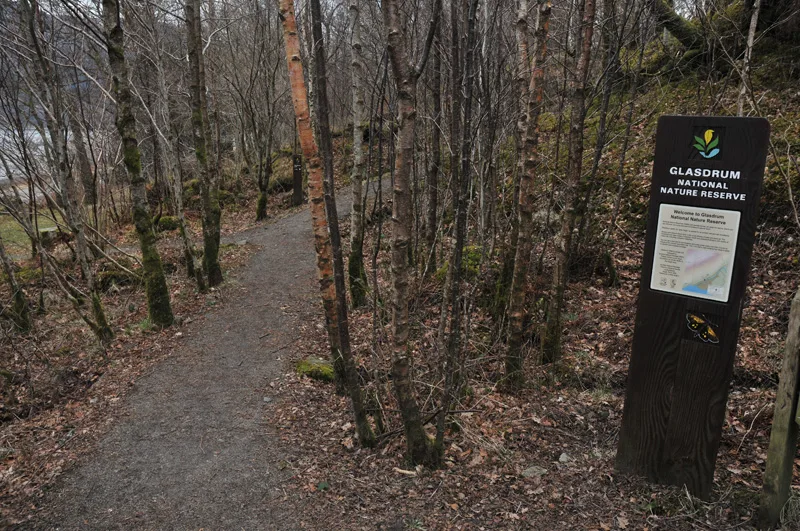
Glasdrum Wood National Nature Reserve
Glasdrum Wood National Nature Reserve is a wildlife reserve in the United Kingdom.
 📷 3
📷 3Wildlife reserves · Central Scotland
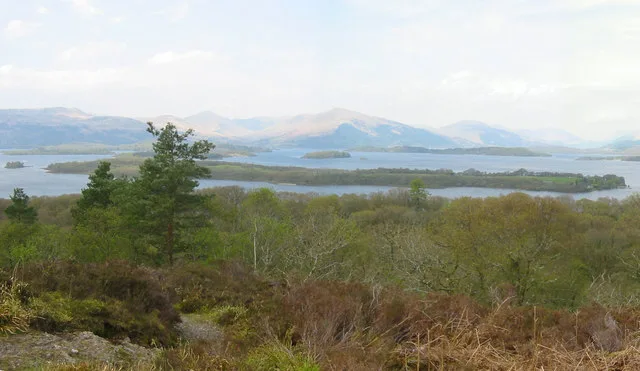
Loch Lomond National Nature Reserve
Loch Lomond National Nature Reserve — nature reserve in Stirling, Scotland, UK.
 📷 3
📷 3Wildlife reserves · Central Scotland
Moine Mhòr
Moine Mhòr in Scotland Islands, United Kingdom.
 📷 4
📷 4Wildlife reserves · Central Scotland
South Tayside Goose Roosts
South Tayside Goose Roosts in Scotland Islands, United Kingdom.
Frequently asked questions
- Where is Glen Nant?
- Glen Nant is in central Scotland, United Kingdom.
- What is Glen Nant?
- Glen Nant in Scotland Islands, United Kingdom.
- How do I get to Glen Nant?
- The nearest railway station is Taynuilt, about 3.7 km away. The nearest town is Taynuilt. Its coordinates are 56.4000°, -5.2167°.
- When was Glen Nant built?
- Built or established in 1979.
- Who owns Glen Nant?
- Glen Nant is owned by Forestry and Land Scotland (FLS).
- Is Glen Nant free to visit?
- Yes, Glen Nant is free to enter.
- How do I get to Glen Nant?
- The nearest railway station is Taynuilt, about 3.7 km away.
- Are dogs allowed at Glen Nant?
- Most wildlife reserves allow dogs on lead only, with restrictions during ground-nesting bird season (March-July). Check signage at the reserve.