
Parks · North West England
Gambier Terrace
In or near Liverpool.
Gambier Terrace is a street of 19th-century houses in Liverpool, England, overlooking St James's Mount and Gardens and the cathedral. It is generally reckoned to be in Canning, although it falls withi

Basher Eyre — CC BY-SA 2.0 via Wikimedia Commons licence
_-_geograph.org.uk_-_3064941.jpg)
Plan your visit
- Typical visit
- 1 h–2 h
- Nearest railway station
- Liverpool Central · 0.9 km
- Free entry
- Family-friendly
- Dog-friendly
- Wheelchair accessible
Getting there & planning your visit
To visit Gambier Terrace, you can take the train to Liverpool Central, which is 0.9 km away. Entry is free, and the park is wheelchair accessible. The postcode for your sat-nav is L1 7BG.
About
Gambier Terrace is a street of 19th-century houses in Liverpool, England, overlooking St James's Mount and Gardens and the cathedral. It is generally reckoned to be in Canning, although it falls within the Rodney Street conservation area, together with Hope Street and Rodney Street. It was named after James Gambier. Nos. 1 to 10 are Grade II* listed buildings, as is the northernmost house in the terrace, which has the address of Canning Street around the corner. They were probably designed by John Foster, Junior. The terrace was built in 1832–1837. It was originally planned that the entire row would be built in a single style but construction was halted in the slump of 1837, and the demand for large city houses declined as the middle class moved out to the new suburbs. No. 10 was the last of the original build. The terrace was later completed to a cheaper specification. During the First World War, No. 1 Gambier Terrace was the location of the Women's War Service Bureau which assisted soldiers and their families. The service expanded into five additional premises on Bold Street and Berry Street. In the 1950s and 1960s, Nos. 11–12 Gambier Terrace was home to the Liverpool Art High School, the junior section of the Liverpool College of Art. The students were aged 13–16 years of age who won scholarships to attend the school. Cynthia Lennon was a student there before she met John Lennon of The Beatles. In the 1960s the terrace was in poor condition. John Lennon lived at No. 3 Gamb
Photo gallery
360° viewimagery from 2014
Imagery © Mapillary contributors, CC BY-SA 4.0
Official information
Liverpool Cathedral is the largest cathedral in the UK, offering visitors a chance to explore its rich history, stunning architecture, and hidden treasures. The site features a variety of services and events, making it a vibrant place for worship and community engagement.
From the Wikipedia article
Gambier Terrace is a street of 19th-century houses in Liverpool, England, overlooking St James's Mount and Gardens and the cathedral. It is generally reckoned to be in Canning, although it falls within the Rodney Street conservation area, together with Hope Street and Rodney Street. It was named after James Gambier. Nos. 1 to 10 are Grade II* listed buildings, as is the northernmost house in the terrace, which has the address of Canning Street around the corner. They were probably designed by John Foster, Junior. The terrace was built in 1832–1837. It was originally planned that the entire row would be built in a single style but construction was halted in the slump of 1837, and the demand for large city houses declined as the middle class moved out to the new suburbs. No. 10 was the last of the original build. The terrace was later completed to a cheaper specification. During the First World War, No. 1 Gambier Terrace was the location of the Women's War Service Bureau which assisted soldiers and their families. The service expanded into five additional premises on Bold Street and Berry Street. In the 1950s and 1960s, Nos. 11–12 Gambier Terrace was home to the Liverpool Art High School, the junior section of the Liverpool College of Art. The students were aged 13–16 years of age who won scholarships to attend the school. Cynthia Lennon was a student there before she met John Lennon of The Beatles. In the 1960s the terrace was in poor condition. John Lennon lived at No. 3 Gambier Terrace in 1960 with former Beatles bassist Stuart Sutcliffe after Sutcliffe asked the others who lived there, including fellow student and future well-known artist Margaret Chapman if the homeless Lennon could move in. They all attended the nearby Liverpool College of Art. The large number of students and artists living there led to a reporter from The Sunday People paying a visit for a story headlined "This is the Beatnik Horror", inadvertently including the first known published photograp
Excerpt from Wikipedia under CC BY-SA 4.0. See the source article linked in Sources below.
- Coordinates
- 53.3980, -2.9710
- District
- Liverpool
- Parish
- Liverpool, unparished area
- Postcode
- L1 7BG
- Parliamentary constituency
- Liverpool Riverside
- Established
- 1837
- Nearest railway station
- Liverpool Central — 0.9 km
Sources
- wikipedia: Gambier Terrace (CC BY-SA 4.0)
Other places nearby

St James Cemetery
Parks · 0.1 km

Huskisson Monument
Memorials & monuments · 0.1 km

Anglican Diocese of Liverpool
Historic churches · 0.1 km

Liverpool Cathedral
Cathedrals · 0.2 km

The Oratory, Liverpool
Historic churches · 0.2 km
The Oratory
Natural landmarks · 0.2 km
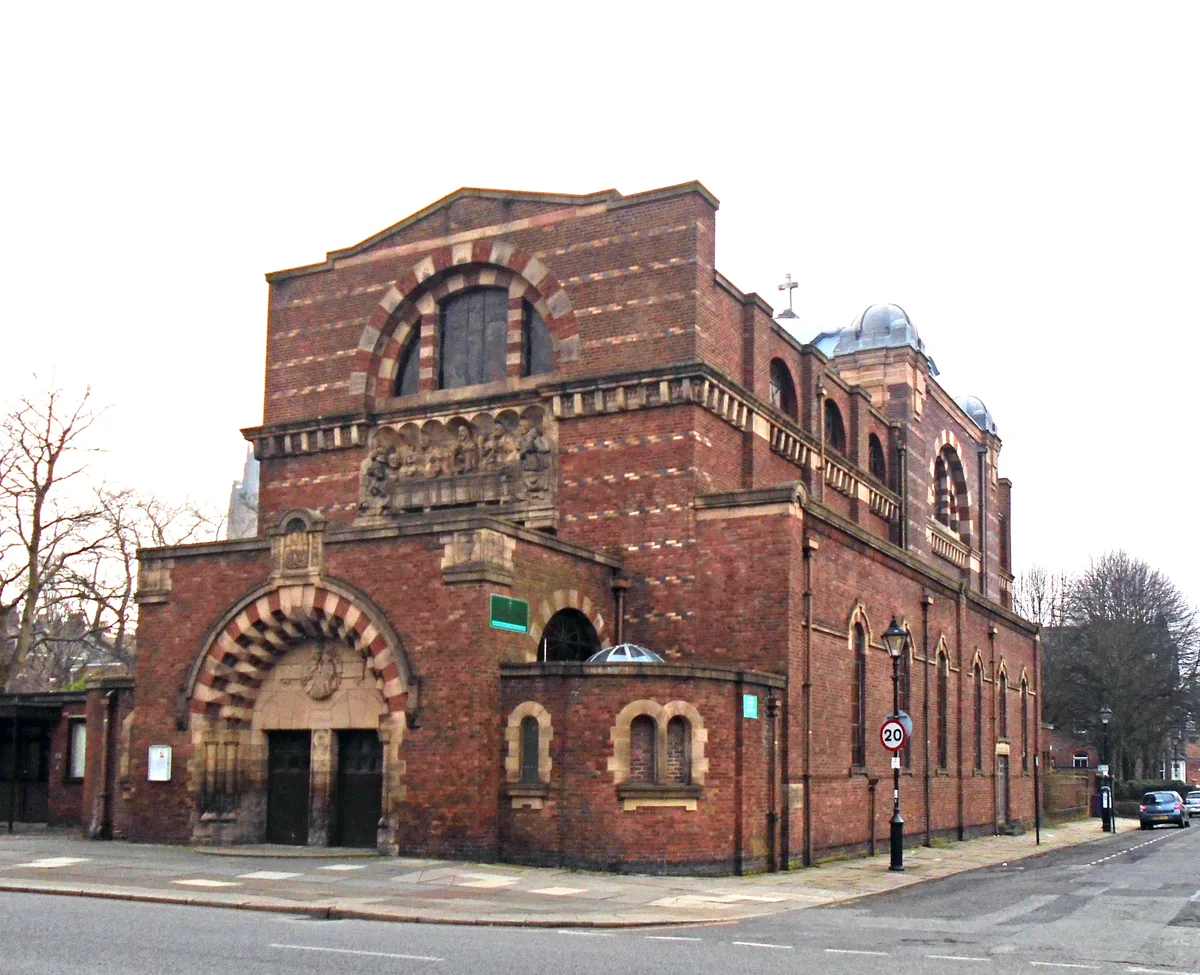
Church of St Philip Neri
Historic churches · 0.2 km
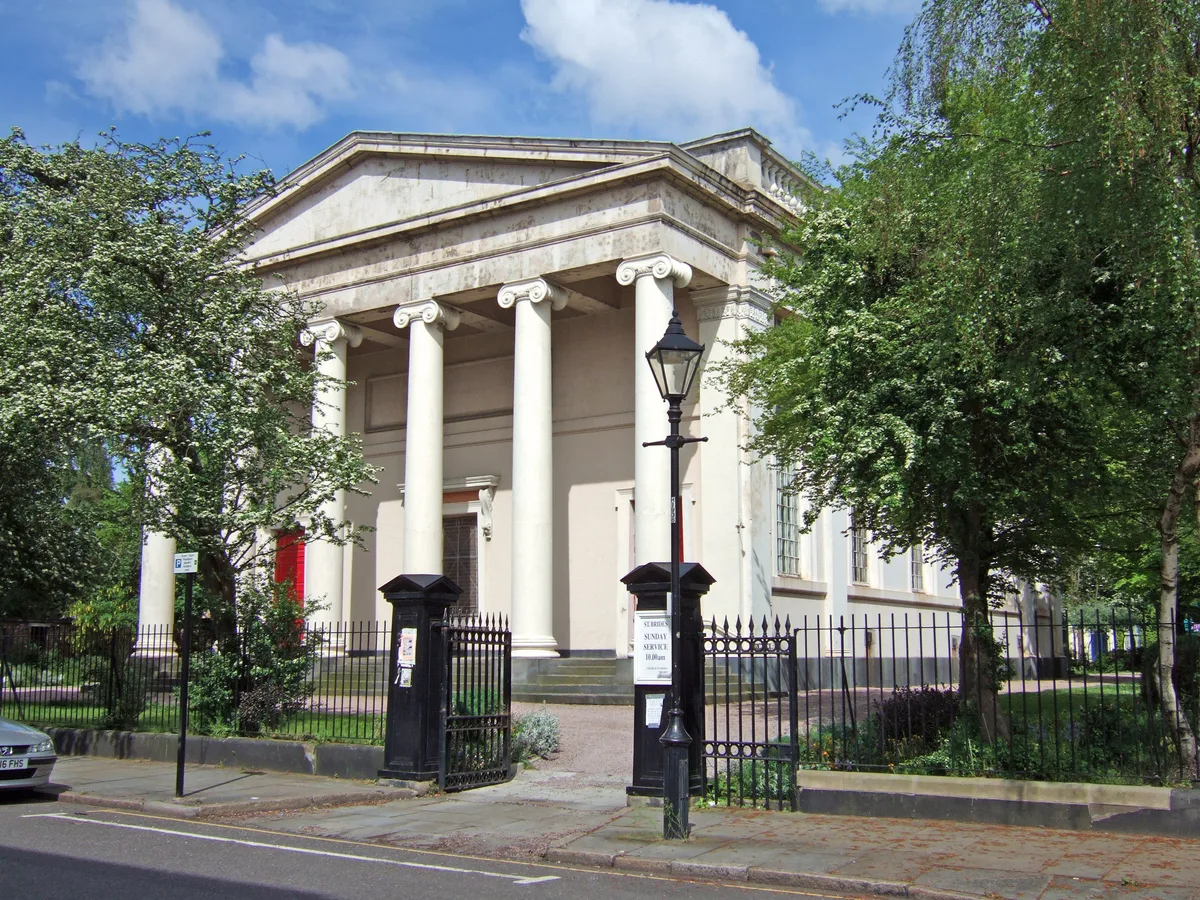
St Bride's Church, Liverpool
Historic churches · 0.2 km

Liverpool Institute for Performing Arts
Natural landmarks · 0.2 km

A Case History
Public art & sculpture · 0.2 km

Blackburne House
Historic houses · 0.2 km
The Hardmans' House
Museums · 0.3 km
Nearby
📷 5Parks · North West England
St James Cemetery
St James Cemetery — a park in wales-north, United Kingdom.
📷 3Memorials & monuments · North West England
Huskisson Monument
Huskisson Monument is a memorial in the United Kingdom.
📷 5Historic churches · North West England
Anglican Diocese of Liverpool
The diocese of Liverpool is a diocese of the Church of England in North West England. The diocese covers Merseyside north of the River Mersey, south-west Lancashire, western Greater Manchester, and pa
📷 3Cathedrals · North West England
Liverpool Cathedral
Liverpool Cathedral — a cathedral in North West England, United Kingdom.
📷 5Historic churches · North West England
The Oratory, Liverpool
The Oratory, Liverpool — a other in wales-north, United Kingdom.
📷 3Natural landmarks · North West England
The Oratory
The Oratory — a place in North West England, United Kingdom.
Where to eat & stay near Gambier Terrace
Places to stay
 📷 5
📷 5Hotels · North West England
Hope Street Hotel
Hope Street Hotel — a hotel in wales north.
 📷 5
📷 5Hostels · North West England
International Inn
International Inn — a hostel in wales north.
 📷 5
📷 5 📷 5
📷 5 📷 5📷 5
Places to eat & drink
 📷 5
📷 5 📷 5
📷 5Historic pubs · North West England
Philharmonic Dining Rooms
Philharmonic Dining Rooms in Wales North, United Kingdom.
 📷 7
📷 7 ★ Iconic📷 4
Historic pubs · North West England
The Philharmonic Dining Rooms
Britain's only Grade I-listed pub interior, with the famous marble urinals.
 📷 5
📷 5Historic pubs · North West England
Grapes Public House And Higsons Brewery
Grapes Public House And Higsons Brewery in Wales North, United Kingdom.
 📷 6
📷 6Historic pubs · North West England
The Vines Public House
The Vines Public House in Wales North, United Kingdom.
More parks in this region
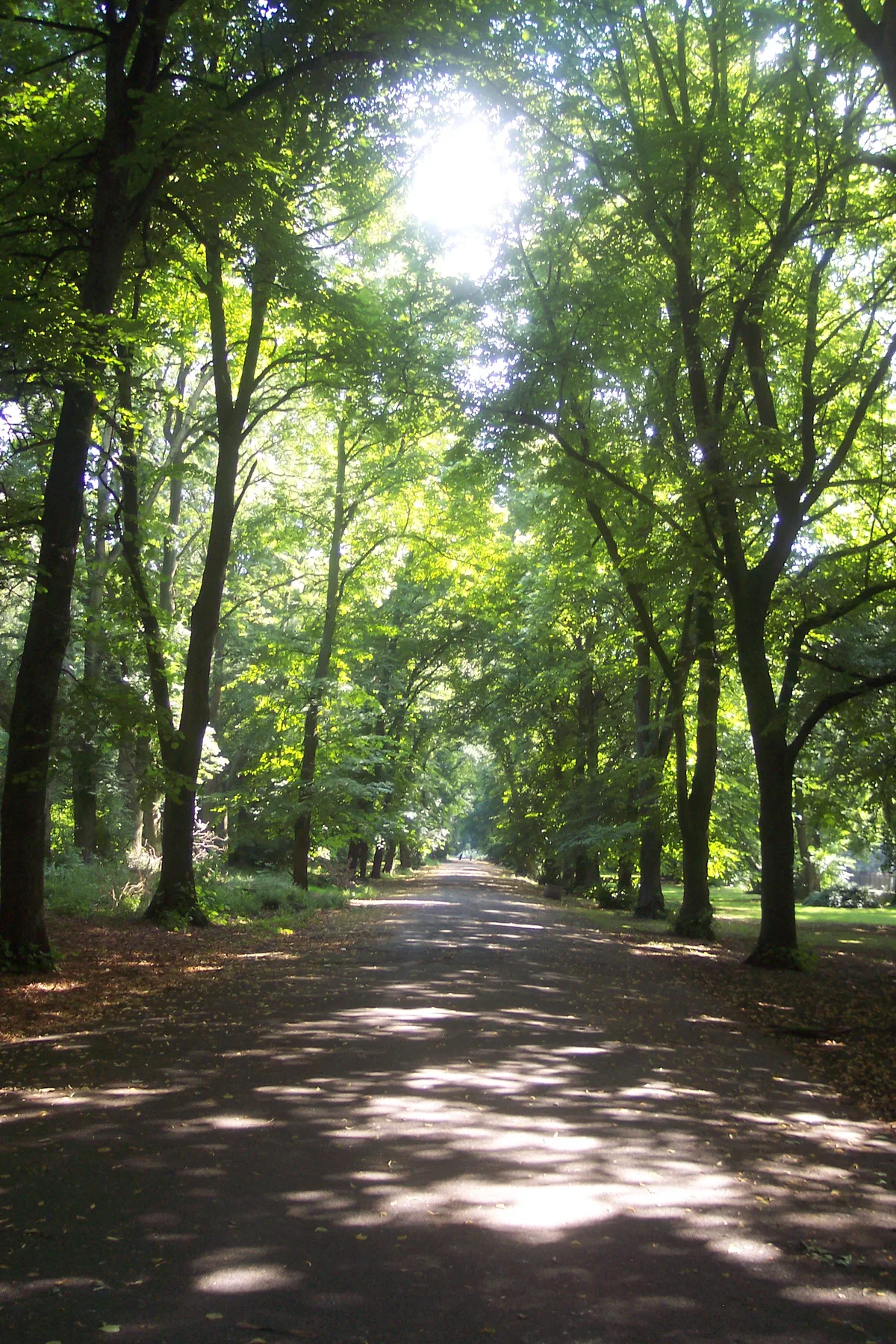 📷 4
📷 4Parks · North West England
Alexandra Park, Manchester
Alexandra Park, Manchester — park in Whalley Range, United Kingdom.
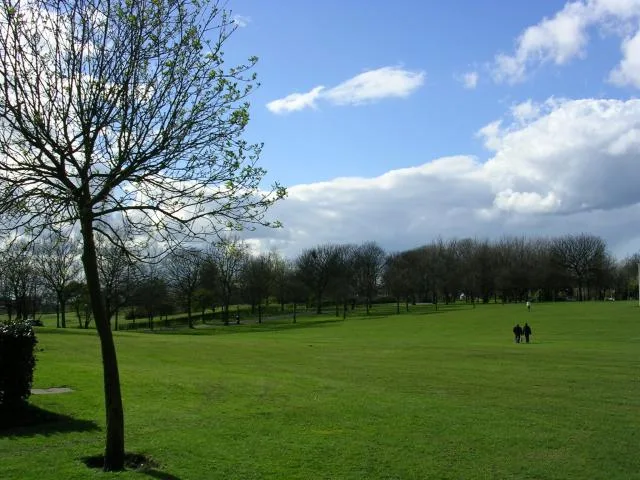 📷 5
📷 5Parks · North West England
Buile Hill Park
Buile Hill Park — park in Seedley, Salford, Greater Manchester, England, UK.
 📷 4
📷 4Parks · North West England
Queen's Park, Crewe
Queen's Park, Crewe — Park in Crewe, Cheshire, England, UK.
 📷 3
📷 3Parks · North West England
Ardwick Green
Ardwick Green — public park in Ardwick, Manchester, England.
Frequently asked questions
- Where is Gambier Terrace?
- Gambier Terrace is in North-West England, United Kingdom (postcode L1 7BG), in the parish of Liverpool, unparished area.
- What is Gambier Terrace?
- Gambier Terrace is a street of 19th-century houses in Liverpool, England, overlooking St James's Mount and Gardens and the cathedral. It is generally reckoned to be in Canning, although it falls withi
- How do I get to Gambier Terrace?
- The nearest railway station is Liverpool Central, about 0.9 km away. The nearest town is Liverpool. Drivers can use postcode L1 7BG.
- When was Gambier Terrace built?
- Built or established in 1837.
- Is Gambier Terrace free to visit?
- Yes, Gambier Terrace is free to enter.
- How do I get to Gambier Terrace?
- The nearest railway station is Liverpool Central, about 0.9 km away. Drivers can navigate to postcode L1 7BG.