
Museums · South West England
Finch Foundry
In or near Gidleigh.
Finch Foundry is a 19th-century water-powered forge situated in Sticklepath, a small village at the foot of a steep hill on the road from Exeter to Okehampton, Devon, England. Its original name was Ma

JThomas — CC BY-SA 2.0 via Wikimedia Commons licence

Plan your visit
- Typical visit
- 1.5 h–3 h
- Best time of year
- Year-round
- Nearest railway station
- Okehampton · 5.0 km
- Family-friendly
- Limited wheelchair access
About
Finch Foundry is a 19th-century water-powered forge situated in Sticklepath, a small village at the foot of a steep hill on the road from Exeter to Okehampton, Devon, England. Its original name was Manor Mills, and it was originally used to produce agricultural and mining hand tools. At its peak, the foundry produced around 400 edge-tools a day. The founder was William Finch, who was born in 1779. Several generations of the family ran the foundry, most notably Rebecca Finch, who managed the business at its peak. It remained an active foundry until 1960 when the roof collapsed and has been a National Trust property since 1994. It contains examples of a tilt hammer, drop hammer, and shear hammer all powered by water wheels. The Trust maintains the forge in working order and demonstrations of the tools are given. The Finch Foundry (originally Manor Mills) was operated by John Browning and John Stanbury in 1805. The foundry was formed by William Finch in 1814 in the cloth mill, and the deeds show that at this time William Finch was John Stanbury's tennant. The Finch family operated the foundry continuously from 1814 to the end of the First World War, when the Finch brothers, Albany, James and Thomas, finally formed a partnership and bought the property so that they could expand. This expansion survived the depression of the 1930s until the death of Albany Finch in 1945. After this, the family business became a limited company under the directors Ralph Finch, Charles Bowden and R
Photo gallery
From the Wikipedia article
Finch Foundry is a 19th-century water-powered forge situated in Sticklepath, a small village at the foot of a steep hill on the road from Exeter to Okehampton, Devon, England. Its original name was Manor Mills, and it was originally used to produce agricultural and mining hand tools. At its peak, the foundry produced around 400 edge-tools a day. The founder was William Finch, who was born in 1779. Several generations of the family ran the foundry, most notably Rebecca Finch, who managed the business at its peak. It remained an active foundry until 1960 when the roof collapsed and has been a National Trust property since 1994. It contains examples of a tilt hammer, drop hammer, and shear hammer all powered by water wheels. The Trust maintains the forge in working order and demonstrations of the tools are given. The Finch Foundry (originally Manor Mills) was operated by John Browning and John Stanbury in 1805. The foundry was formed by William Finch in 1814 in the cloth mill, and the deeds show that at this time William Finch was John Stanbury's tennant. The Finch family operated the foundry continuously from 1814 to the end of the First World War, when the Finch brothers, Albany, James and Thomas, finally formed a partnership and bought the property so that they could expand. This expansion survived the depression of the 1930s until the death of Albany Finch in 1945. After this, the family business became a limited company under the directors Ralph Finch, Charles Bowden and Richard Barron. The company survived until the collapse of the south wall of the foundry in 1960.
Excerpt from Wikipedia under CC BY-SA 4.0. See the source article linked in Sources below.
- Coordinates
- 50.7306, -3.9261
- County
- Devon
- District
- West Devon
- Parish
- Sticklepath
- Postcode
- EX20 2NW
- Parliamentary constituency
- Central Devon
- Nearest railway station
- Okehampton — 5 km
- Official site
- www.visitdevon.co.uk
Sources
- wikipedia: Finch Foundry (CC BY-SA 4.0)
Other places nearby

Finch Foundry (NT)
Museums · 0.0 km
_13.jpg?width=1200)
Finch Foundry and Foundry House
Historic houses · 0.0 km

Sticklepath Bridge
Historic bridges · 0.2 km

White Rock
Natural landmarks · 0.4 km
Sticklepath
Museums · 0.6 km
.jpg?width=1200)
Chapel Of St Mary Including Boundary Walls Adjoining To North West
Chapels · 1.1 km

South Zeal
Villages · 1.1 km

The Oxenham Arms
Historic pubs · 1.1 km

Moons Cross
Memorials & monuments · 1.1 km
_10.jpg?width=1200)
Mill House
Historic houses · 1.1 km

South Tawton
Villages · 1.2 km

Church of St Andrew
Historic churches · 1.2 km
Nearby
📷 3Museums · South West England
Finch Foundry (NT)
Finch Foundry (NT) — a museum in england-south-west, United Kingdom.
📷 5Historic houses · South West England
Finch Foundry and Foundry House
Finch Foundry and Foundry House — house in Sticklepath, West Devon, England, UK.
📷 3Historic bridges · South West England
Sticklepath Bridge
Sticklepath Bridge — Grade II listed building-listed bridge in england-south-west, United Kingdom.
📷 3Natural landmarks · South West England
White Rock
White Rock — a other in england-south-west, United Kingdom.
📷 5Museums · South West England
Sticklepath
Sticklepath — a museum in england-south-west, United Kingdom.
📷 5Chapels · South West England
Chapel Of St Mary Including Boundary Walls Adjoining To North West
Chapel Of St Mary Including Boundary Walls Adjoining To North West — church in South Zeal, Devon, England, UK.
Where to eat & stay near Finch Foundry
Places to stay
 📷 5
📷 5Campsites · South West England
Elvan Farm Pop-up Campsite
Elvan Farm Pop-up Campsite — a campsite in england south west.
 📷 5
📷 5Caravan parks · South West England
Dartmoor View Holiday Park
Dartmoor View Holiday Park — a caravan park in england south west.
 📷 5
📷 5 📷 5
📷 5Hostels · South West England
YHA Okehampton
YHA Okehampton — a hostel in england south west. Brand: Youth Hostels Association.
 📷 5
📷 5Hostels · South West England
YHA Bracken Tor
YHA Bracken Tor — a hostel in england south west. Brand: Youth Hostels Association.
 📷 7
📷 7Hotels · South West England
The White Hart Hotel
The White Hart Hotel — a hotel in england south west.
Places to eat & drink
📷 5Historic pubs · South West England
The Oxenham Arms
The Oxenham Arms in England South West, United Kingdom.
 📷 5
📷 5Historic pubs · South West England
Tom Cobley Tavern
Tom Cobley Tavern in England South West, United Kingdom.
 📷 5
📷 5 📷 7
📷 7Historic pubs · South West England
White Hart Hotel
White Hart Hotel in England South West, United Kingdom.
 📷 7
📷 7Historic pubs · South West England
Warren House Inn
Warren House Inn in England South West, United Kingdom.
 📷 7
📷 7More museums in this region
 📷 5
📷 5Museums · South West England
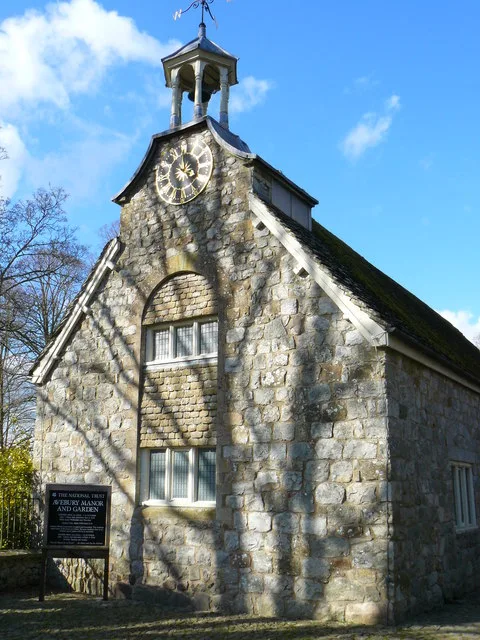
Alexander Keiller Museum
Alexander Keiller Museum — museum in South West England, United Kingdom.
 📷 5
📷 5Museums · South West England
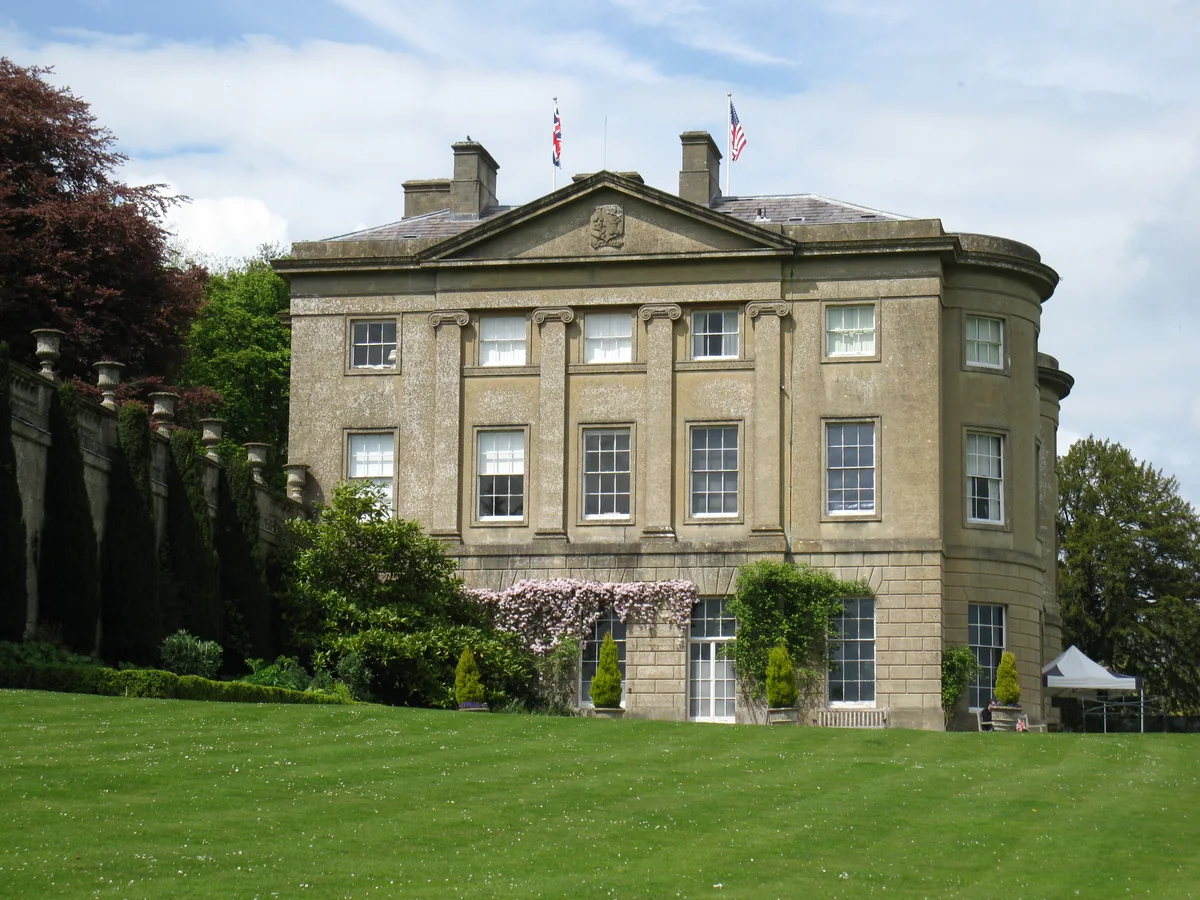
American Museum and Gardens
American Museum and Gardens — culture and arts museum near Bath, England, United Kingdom.
 📷 5
📷 5Museums · South West England
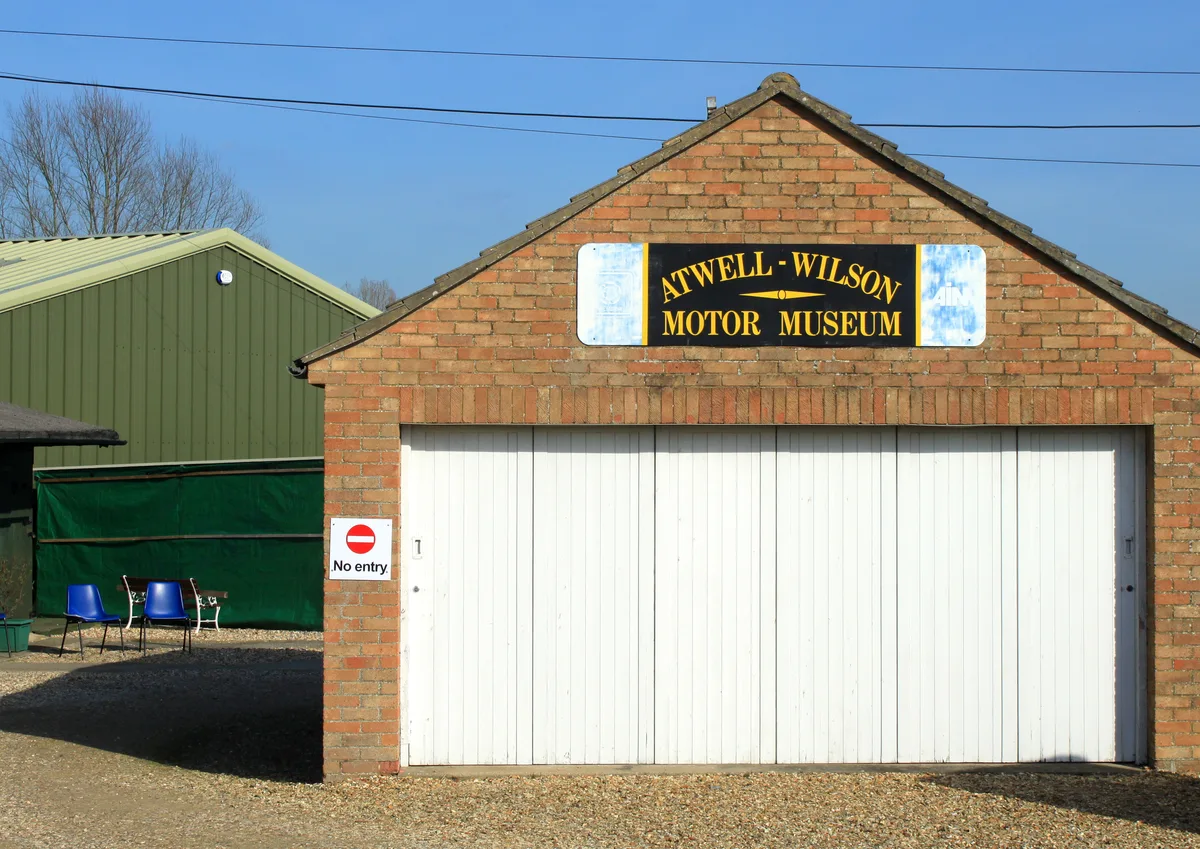
Atwell-Wilson Motor Museum
Atwell-Wilson Motor Museum — museum in Calne, England, UK.
 📷 5
📷 5Museums · South West England
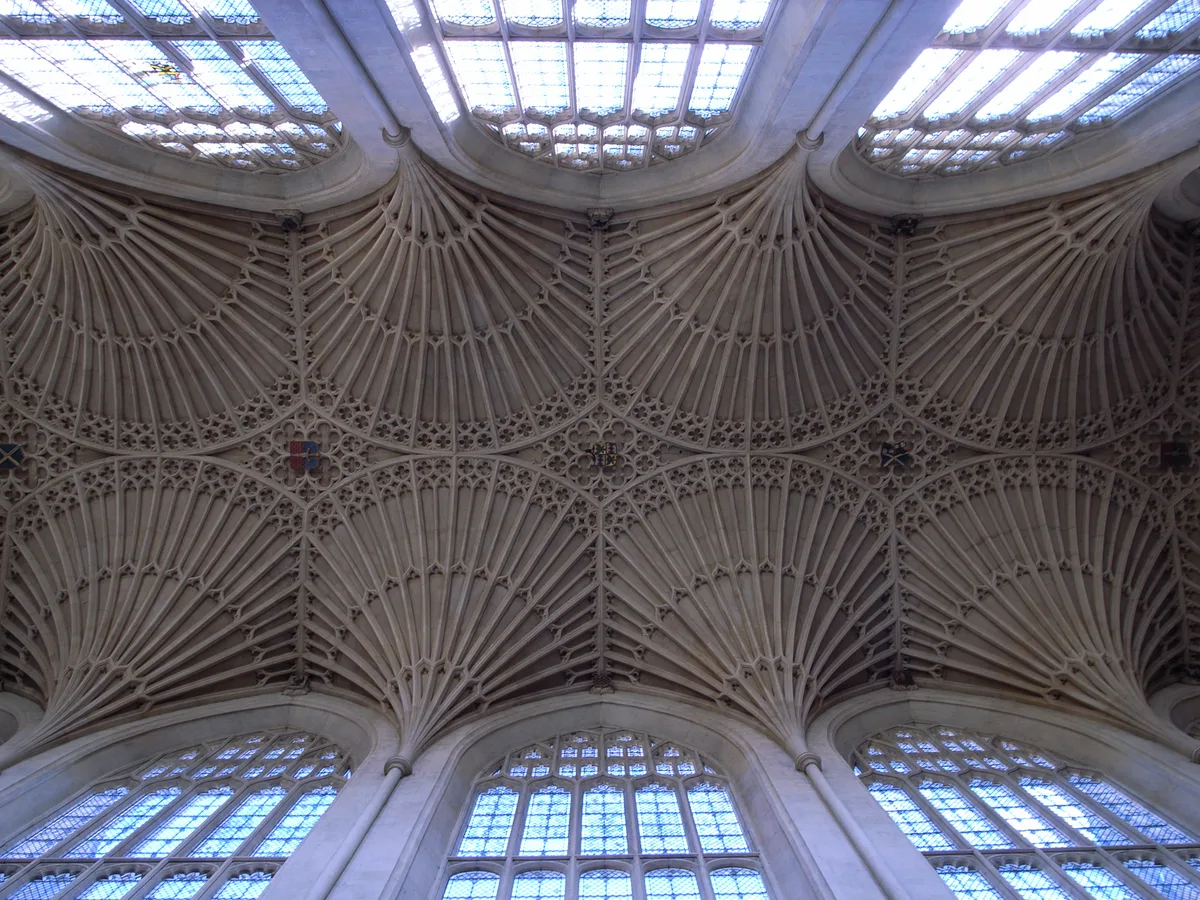
Bath Abbey Heritage Vaults
Bath Abbey Heritage Vaults — museum in Bath Abbey, Bath, England, UK.
Frequently asked questions
- Where is Finch Foundry?
- Finch Foundry is in Devon, South-West England, United Kingdom (postcode EX20 2NW), in the parish of Sticklepath.
- What is Finch Foundry?
- Finch Foundry is a 19th-century water-powered forge situated in Sticklepath, a small village at the foot of a steep hill on the road from Exeter to Okehampton, Devon, England. Its original name was Ma
- How do I get to Finch Foundry?
- The nearest railway station is Okehampton, about 5.0 km away. The nearest town is Gidleigh. Drivers can use postcode EX20 2NW.
- How do I get to Finch Foundry?
- The nearest railway station is Okehampton, about 5.0 km away. Drivers can navigate to postcode EX20 2NW.