
Museums · North West England
Crewe Works
In or near Aston juxta Mondrum.
Crewe Works is a railway engineering facility located in the town of Crewe, in Cheshire, England. It was opened originally by the Grand Junction Railway in March 1843 and employed 7-8,000 workers at i

Richard Sutcliffe — CC BY-SA 2.0 via Wikimedia Commons licence

Plan your visit
- Typical visit
- 1.5 h–3 h
- Best time of year
- Year-round
- Nearest railway station
- Crewe · 2.2 km
- Family-friendly
- Limited wheelchair access
Getting there & planning your visit
Crewe Works is located at postcode CW1 3JB, approximately 2.2 km from Crewe railway station. Entry is paid, and wheelchair accessibility is limited.
About
Crewe Works is a railway engineering facility located in the town of Crewe, in Cheshire, England. It was opened originally by the Grand Junction Railway in March 1843 and employed 7-8,000 workers at its peak. In the 1980s, much of the engineering works were closed; most of the site has since been redeveloped, but the remaining parts are owned and operated by Alstom. During the late 19th century, the London and North Western Railway (LNWR) used Crewe Works to produce many famous locomotives, such as the Webb 2-4-0 Jumbo class and the compounds, the Whale Experiment and Precursor classes, and the Bowen-Cooke Claughtons. In particular, Whale's 1912 superheated G1 Class 0-8-0 developed from a locomotive introduced by Webb in 1892, lasted, in many cases until 1964, near the end of steam in 1968. After grouping, the works were taken over by London, Midland and Scottish Railway (LMS), the successor to the LNWR. It was during this period that the works reached its zenith in size and output. Creating notable steam engines such as Sir William Stanier's locomotives as well as the 'Jubilee' and Class 5 4-6-0s, the 'Princess Royal' and the 'Princess Coronation' 4-6-2s. The works continued to produce engines under British Railways, such as the Britannia 4-6-2s and the Franco-Crosti boilered Class 9 freight locomotives. In the 1980s, a large part of the works was sold for redevelopment. Due to the scale of the works, it had its own internal narrow gauge tramway, the Crewe Works Railway, whi
Photo gallery
From the Wikipedia article
Crewe Works is a railway engineering facility located in the town of Crewe, in Cheshire, England. It was opened originally by the Grand Junction Railway in March 1843 and employed 7-8,000 workers at its peak. In the 1980s, much of the engineering works were closed; most of the site has since been redeveloped, but the remaining parts are owned and operated by Alstom. During the late 19th century, the London and North Western Railway (LNWR) used Crewe Works to produce many famous locomotives, such as the Webb 2-4-0 Jumbo class and the compounds, the Whale Experiment and Precursor classes, and the Bowen-Cooke Claughtons. In particular, Whale's 1912 superheated G1 Class 0-8-0 developed from a locomotive introduced by Webb in 1892, lasted, in many cases until 1964, near the end of steam in 1968. After grouping, the works were taken over by London, Midland and Scottish Railway (LMS), the successor to the LNWR. It was during this period that the works reached its zenith in size and output. Creating notable steam engines such as Sir William Stanier's locomotives as well as the 'Jubilee' and Class 5 4-6-0s, the 'Princess Royal' and the 'Princess Coronation' 4-6-2s. The works continued to produce engines under British Railways, such as the Britannia 4-6-2s and the Franco-Crosti boilered Class 9 freight locomotives. In the 1980s, a large part of the works was sold for redevelopment. Due to the scale of the works, it had its own internal narrow gauge tramway, the Crewe Works Railway, which was used from 1862 until 1932.
Excerpt from Wikipedia under CC BY-SA 4.0. See the source article linked in Sources below.
- Coordinates
- 53.1000, -2.4600
- District
- Cheshire East
- Parish
- Crewe
- Postcode
- CW1 3JB
- Parliamentary constituency
- Crewe and Nantwich
- Established
- 1840
- Nearest railway station
- Crewe — 2.2 km
Sources
- wikipedia: Crewe Works (CC BY-SA 4.0)
Other places nearby
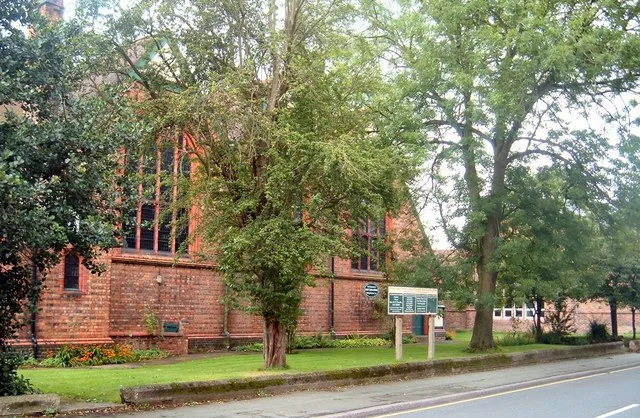
St Barnabas' Church, Crewe
Historic churches · 0.3 km

No. 6201 Princess Elizabeth
Memorials & monuments · 0.4 km

No. 1159 Ralph Brocklebank
Memorials & monuments · 0.5 km
No. 3020 Cornwall
Memorials & monuments · 0.5 km
Precursor
Memorials & monuments · 0.5 km

Clock Tower
Memorials & monuments · 0.5 km

Odeon Crewe
Theatres · 0.6 km

Boer War Memorial, Crewe
Memorials & monuments · 0.7 km
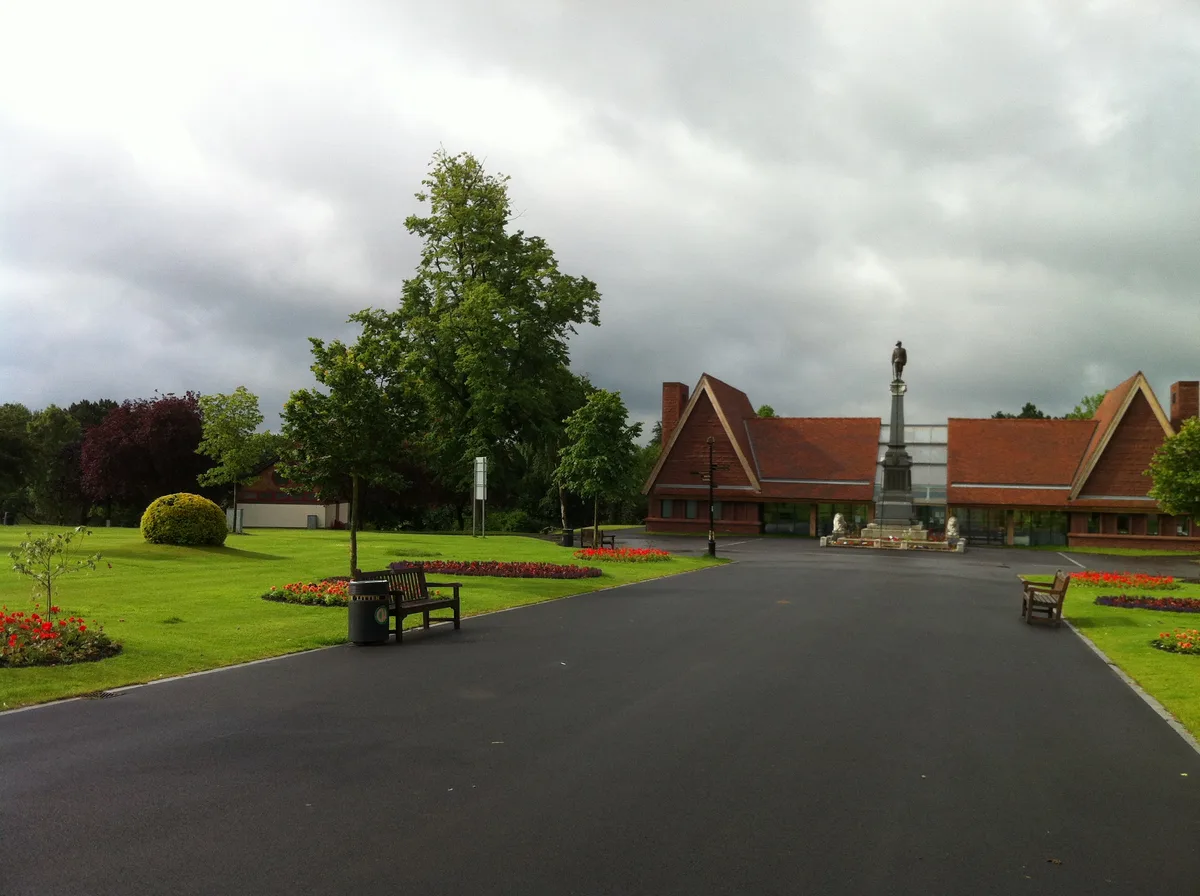
Queen's Park, Crewe
Parks · 0.7 km
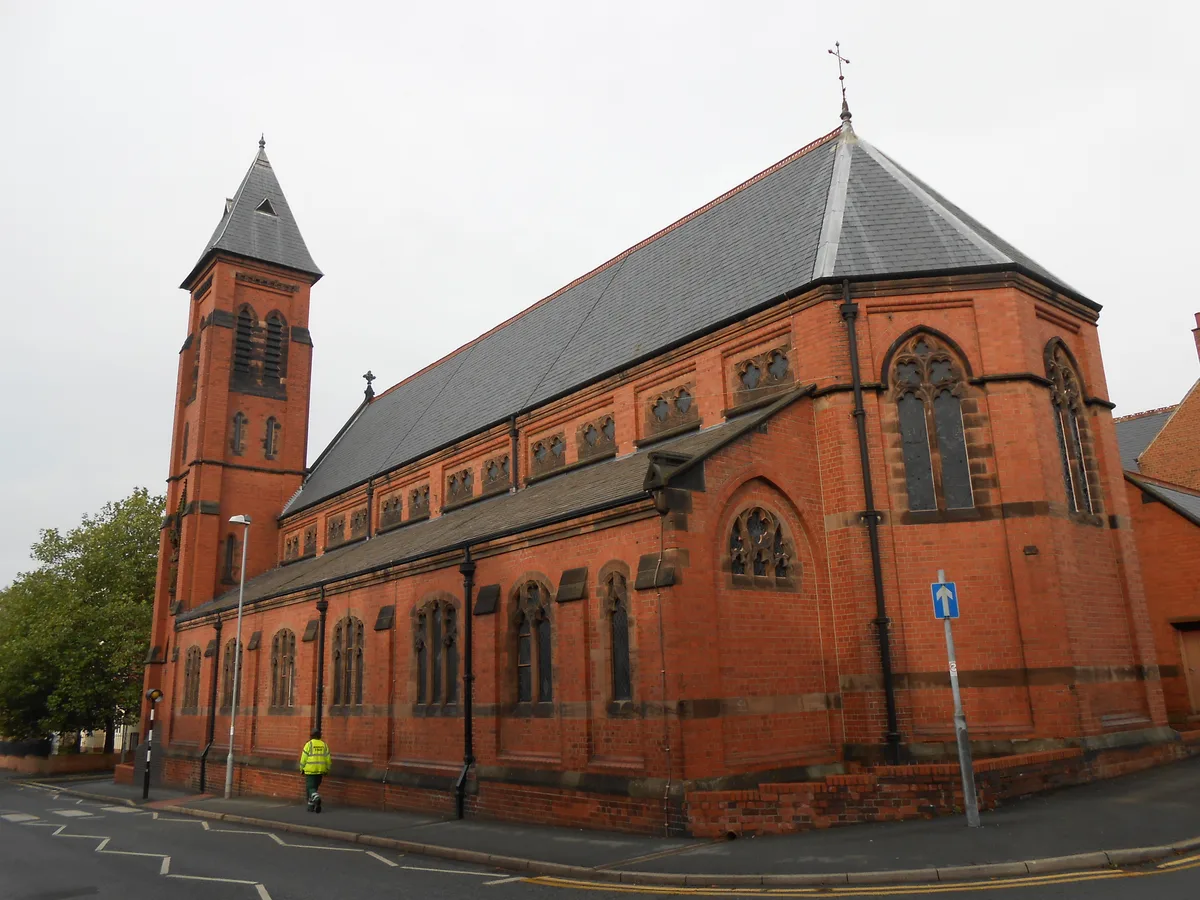
St Mary's Church, Crewe
Historic churches · 0.9 km
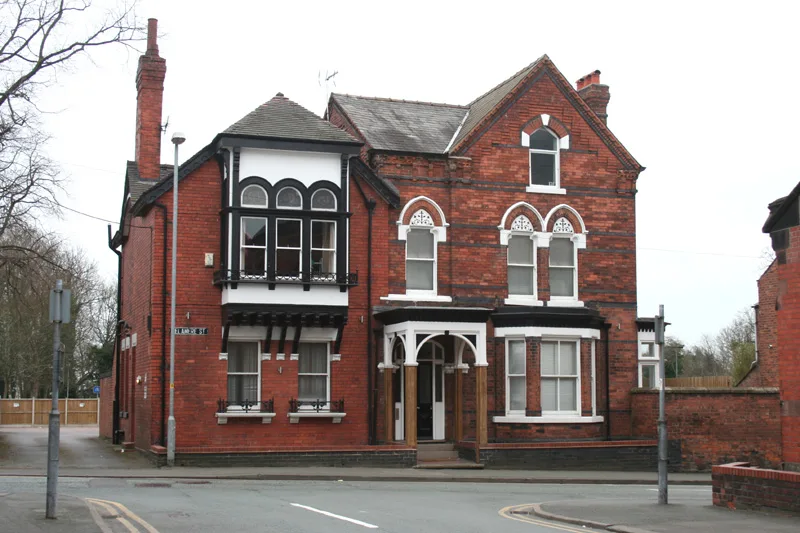
47, Delamere Street
Abbeys & priories · 0.9 km
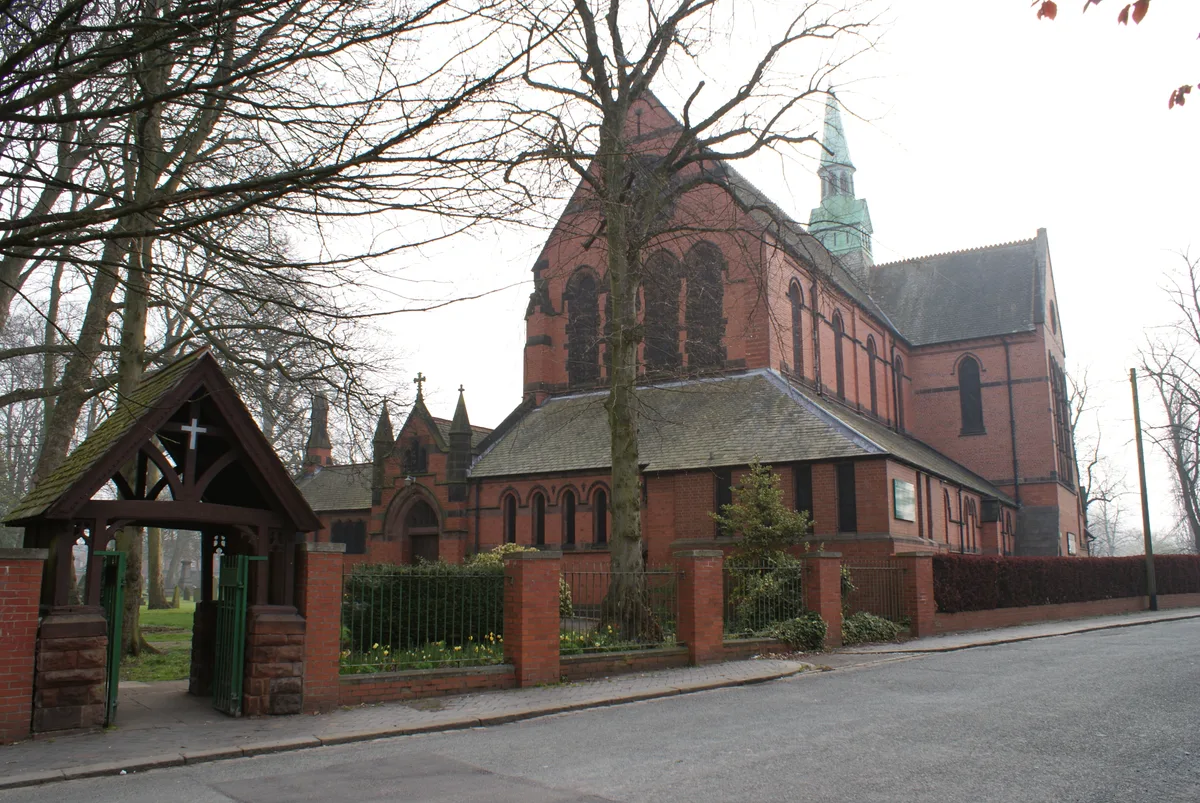
St Michael's Church, Coppenhall
Historic churches · 1.1 km
Nearby
📷 3Historic churches · North West England
St Barnabas' Church, Crewe
St Barnabas' Church, Crewe — grade II listed church in Crewe, Cheshire, England, UK.
📷 3Memorials & monuments · North West England
No. 6201 Princess Elizabeth
No. 6201 Princess Elizabeth — a memorial in North West England, United Kingdom.
📷 3Memorials & monuments · North West England
No. 1159 Ralph Brocklebank
No. 1159 Ralph Brocklebank — a memorial in North West England, United Kingdom.
📷 3Memorials & monuments · North West England
No. 3020 Cornwall
No. 3020 Cornwall — a memorial in North West England, United Kingdom.
📷 3Memorials & monuments · North West England
Precursor
Precursor — a memorial in North West England, United Kingdom.
📷 3Memorials & monuments · North West England
Clock Tower
Clock Tower is a memorial in the United Kingdom.
Where to eat & stay near Crewe Works
Places to stay
 📷 5
📷 5Hotels · North West England
The Waverley Hotel
The Waverley Hotel — a hotel in england west midlands.
 📷 5
📷 5 📷 5
📷 5Hotels · North West England
Crown Hotel, Bar & Grill
Crown Hotel, Bar & Grill — a hotel in england west midlands.
 📷 5
📷 5Caravan parks · North West England
Finneys Caravan Park
Finneys Caravan Park — a caravan park in england west midlands.
 📷 5
📷 5Caravan parks · North West England
Fields Farm Campsite
Fields Farm Campsite — a caravan park in england west midlands.
 📷 5
📷 5Caravan parks · North West England
Kinderton Park
Kinderton Park — a caravan park in england west midlands.
Places to eat & drink
 📷 5
📷 5 📷 5
📷 5Restaurants · North West England
The Cheshire Cat
The Cheshire Cat — a restaurant in england west midlands.
 📷 5
📷 5Historic pubs · North West England
The Commercial Hotel
The Commercial Hotel in England North West, United Kingdom.
 📷 5
📷 5Historic pubs · North West England
Old Hall Hotel, Sandbach
Old Hall Hotel, Sandbach in England North West, United Kingdom.
 📷 5
📷 5 📷 5
📷 5Historic pubs · North West England
Swettenham Arms
Swettenham Arms in England North West, United Kingdom.
More museums in this region
 📷 3
📷 3Museums · North West England
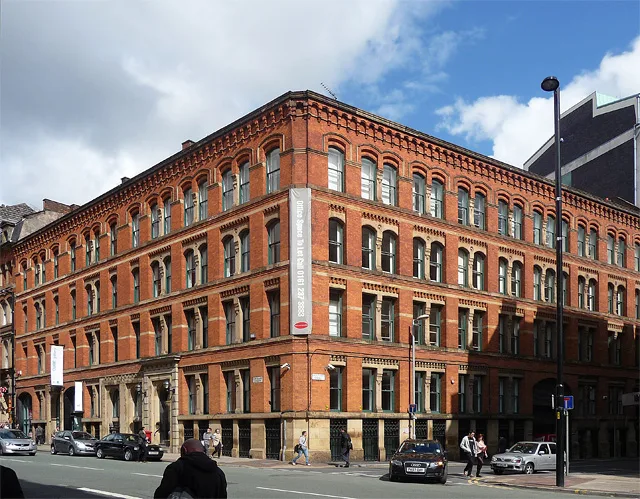
Cube Gallery
Cube Gallery — former architecture museum in Manchester, England.
 📷 3
📷 3Museums · North West England
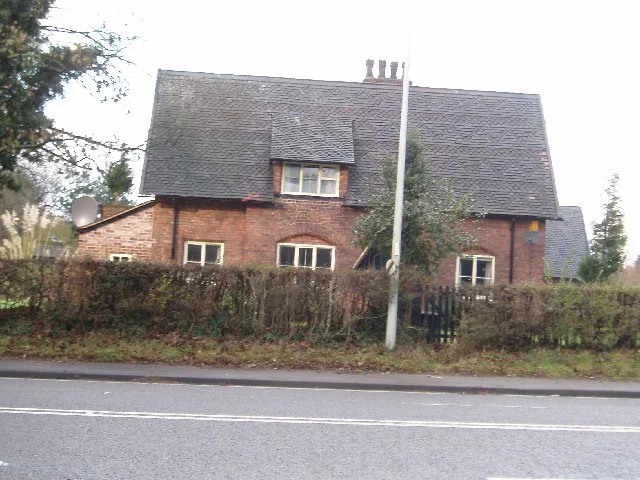
Cuckooland Museum
Cuckooland Museum — horological museum in England, UK.
 📷 4
📷 4Museums · North West England
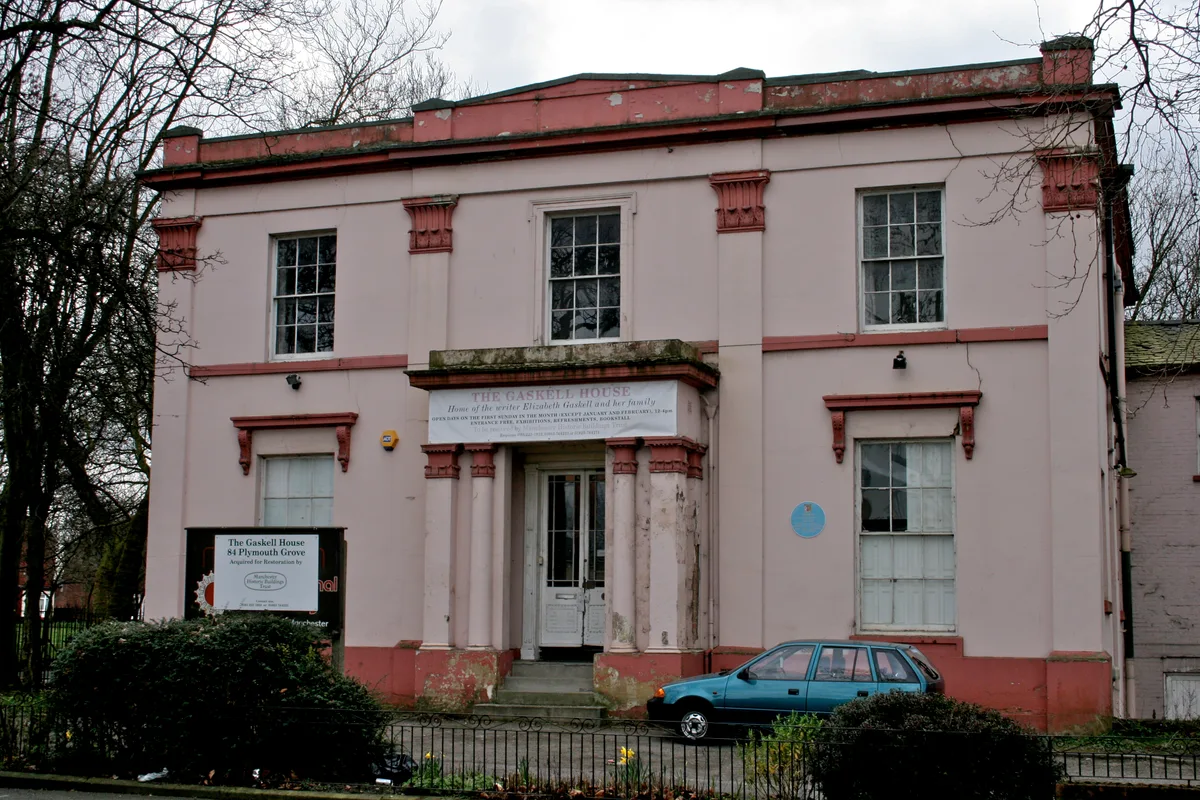
Elizabeth Gaskell's House
Elizabeth Gaskell's House — museum in Manchester.
 📷 3
📷 3Museums · North West England
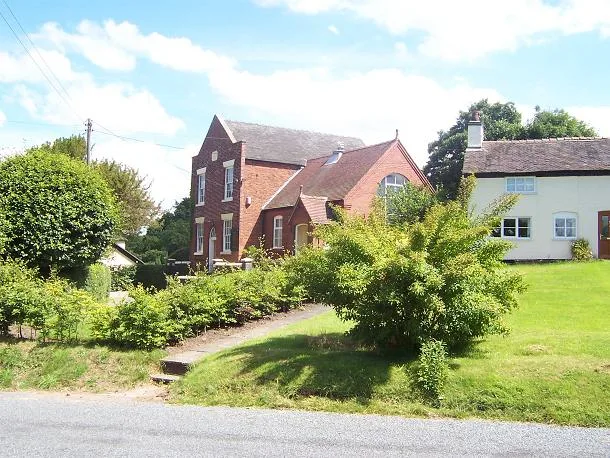
Englesea Brook Chapel and Museum of Primitive Methodism
Englesea Brook Chapel and Museum of Primitive Methodism — Primitive Methodist chapel and museum, United Kingdom.
Frequently asked questions
- Where is Crewe Works?
- Crewe Works is in North-West England, United Kingdom (postcode CW1 3JB), in the parish of Crewe.
- What is Crewe Works?
- Crewe Works is a railway engineering facility located in the town of Crewe, in Cheshire, England. It was opened originally by the Grand Junction Railway in March 1843 and employed 7-8,000 workers at i
- How do I get to Crewe Works?
- The nearest railway station is Crewe, about 2.2 km away. The nearest town is Aston juxta Mondrum. Drivers can use postcode CW1 3JB.
- When was Crewe Works built?
- Built or established in 1840.
- Who owns Crewe Works?
- Crewe Works is owned by | website =.
- How do I get to Crewe Works?
- The nearest railway station is Crewe, about 2.2 km away. Drivers can navigate to postcode CW1 3JB.