
Historic churches · South West England
Church of St James the Less
In or near Halse.
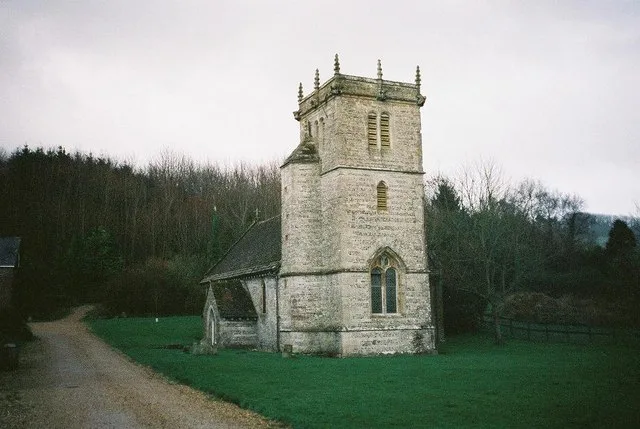
Church of St James the Less — church in Halse, Somerset, England, UK.

Wikimedia Commons contributors — see linked file page for photographer and licence licence

Plan your visit
- Typical visit
- 30 min–1 h
- Nearest railway station
- Bishops Lydeard · 2.7 km
- Free entry
Getting there & planning your visit
The Church of St James the Less is located in Somerset with the postcode TA4 3AD. The nearest railway station is Bishops Lydeard, which is 2.7 km away. Entry to the church is free.
About
Church of St James the Less is a historic church in the United Kingdom. Records date its origin to 1401. Heritage designation: Grade I listed building. Affiliated with Anglicanism. Wikidata describes it as: "church in Halse, Somerset, England, UK". Coordinates: 51.0425°, -3.2283°.
Photo gallery
Heritage listing
The Church of St James in Halse, Somerset, England dates from the Norman period and is dedicated St James the Less. It has been designated as a Grade I listed building. The church includes some 12th and 13th century work, including the tower, but the current building was mainly built in the 15th century. The north aisle was built around 1546 and the church was restored in 1900. The brickwork is red sandstone which was laid down during the Triassic Period, with dressings of Hamstone. The interior includes a fan-vaulted rood screen, which was previously larger but parts of it were removed in 1803.
From the Historic England List Entry under OGL v3.
From the Wikipedia article
The Church of St James in Halse, Somerset, England dates from the Norman period and is dedicated St James the Less. It has been designated as a Grade I listed building. The church includes some 12th and 13th century work, including the tower, but the current building was mainly built in the 15th century. The north aisle was built around 1546 and the church was restored in 1900. The brickwork is red sandstone which was laid down during the Triassic Period, with dressings of Hamstone. The interior includes a fan-vaulted rood screen, which was previously larger but parts of it were removed in 1803. The Anglican parish is within the benefice of Milverton with Halse, Fitzhead and Ash Priors within the archdeaconry of Taunton.
Excerpt from Wikipedia under CC BY-SA 4.0. See the source article linked in Sources below.
- Coordinates
- 51.0425, -3.2283
- District
- Somerset
- Parish
- Halse
- Postcode
- TA4 3AD
- Parliamentary constituency
- Tiverton and Minehead
- Established
- 1401
- Nearest railway station
- Bishops Lydeard — 2.7 km
Sources
- wikidata: Q5117429 (CC0)
- wikipedia: Church of St James, Halse (CC BY-SA 4.0)
- commons: Halse - St James Church - geograph.org.uk - 50055.jpg (CC BY-SA 4.0)
Other places nearby

Halse
Towns & cities · 0.2 km

Denbury Farm Fishing & Wildlife Holidays
Farms (open to visitors) · 1.9 km
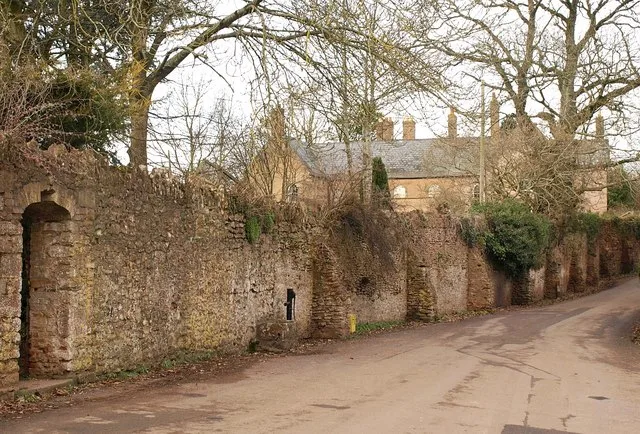
Fitzhead Court and The Manor
Stately homes · 1.9 km

Fitzhead
Villages · 2.1 km

Bridge Over Hillfarrance Brook
Historic bridges · 2.3 km

Bridge Over Mill Leat, Wall Linking Bridge To North-West And Returning Wall To North, Town Mills
Historic bridges · 2.3 km

Spurway Memorial
Memorials & monuments · 2.4 km

The Old House, Milverton
Gardens · 2.5 km

Oake
Villages · 2.6 km
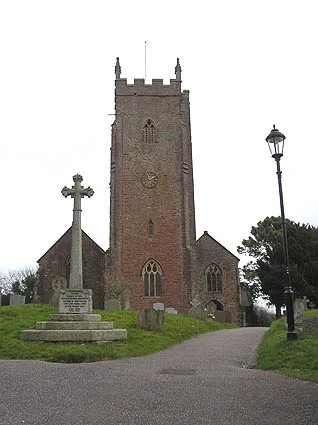
Church of St Michael, Milverton
Historic churches · 2.6 km

War Memorial in churchyard of St Michael's Church
Memorials & monuments · 2.6 km

Sandhill Park
Historic houses · 2.7 km
Nearby
📷 5Towns & cities · South West England
Halse
Halse — village and civil parish in Taunton Deane, Somerset, England.
📷 3Farms (open to visitors) · South West England
Denbury Farm Fishing & Wildlife Holidays
Denbury Farm Fishing & Wildlife Holidays — a place in South West England, United Kingdom.
📷 5Stately homes · South West England
Fitzhead Court and The Manor
Fitzhead Court and The Manor — house in Fitzhead, Somerset, England, UK.
📷 5📷 3Historic bridges · South West England
Bridge Over Hillfarrance Brook
Bridge Over Hillfarrance Brook — Grade II listed building-listed bridge in england-south-west, United Kingdom.
📷 3Historic bridges · South West England
Bridge Over Mill Leat, Wall Linking Bridge To North-West And Returning Wall To North, Town Mills
Bridge Over Mill Leat, Wall Linking Bridge To North-West And Returning Wall To North, Town Mills — Grade II listed building-listed bridge in england-south-west, United Kingdom.
Where to eat & stay near Church of St James the Less
Places to stay
 📷 7
📷 7B&Bs · South West England
Farrington Bed & Breakfast
Farrington Bed & Breakfast — a bed-and-breakfast in england south west.
 📷 5
📷 5B&Bs · South West England
West View Bed & Breakfast
West View Bed & Breakfast — a bed-and-breakfast in england south west.
 📷 5
📷 5Caravan parks · South West England
Hurley View
Hurley View — a caravan park in england south west.
 📷 3
📷 3Campsites · South West England
Middle Stone Farm Glamping
Middle Stone Farm Glamping — a campsite in england south west.
 📷 5
📷 5Campsites · South West England
Middle Stone Farm Glamping
Middle Stone Farm Glamping — a campsite in england south west.
 📷 5
📷 5Caravan parks · South West England
Cadeside Caravan Club Site
Cadeside Caravan Club Site — a caravan park in england south west.
Places to eat & drink
 📷 3
📷 3Historic pubs · South West England
The Chapel
The Chapel — Historic pub — listed building or notable heritage status.
 📷 3
📷 3Historic pubs · South West England
The Farmers Arms
The Farmers Arms — Historic pub — listed building or notable heritage status.
 📷 7
📷 7Historic pubs · South West England
The Vintage Public House
The Vintage Public House in England South West, United Kingdom.
 📷 7
📷 7Historic pubs · South West England
The Wheel Tapper Public House
The Wheel Tapper Public House in England South West, United Kingdom.
 📷 5
📷 5Historic pubs · South West England
The Carew Arms And Attached Outbuilding
The Carew Arms And Attached Outbuilding in England South West, United Kingdom.
 📷 5
📷 5Historic pubs · South West England
Winchester Arms Hotel
Winchester Arms Hotel in England South West, United Kingdom.
Other places from this era
 📷 5
📷 5Historic churches · London
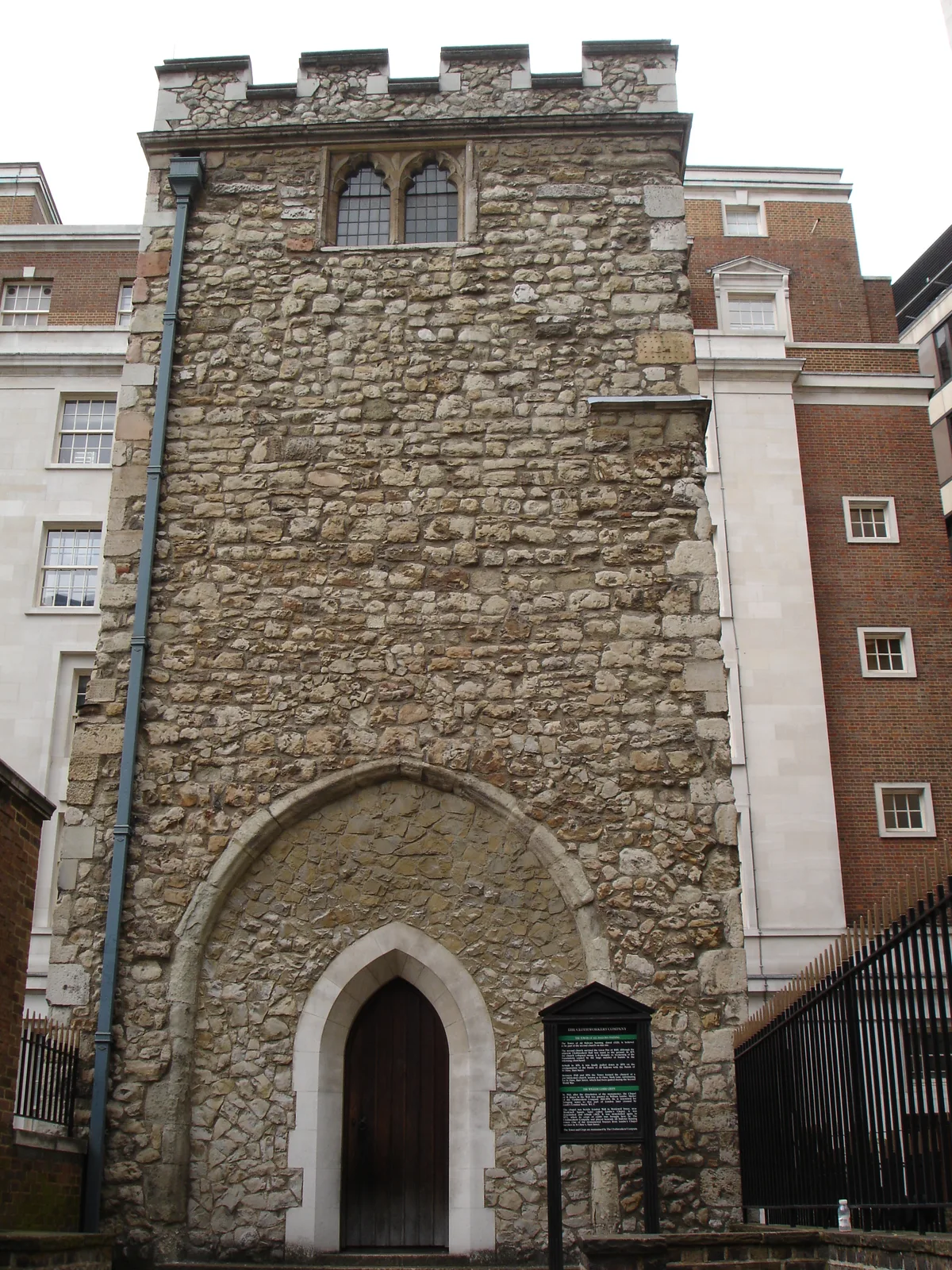
All Hallows Staining
All Hallows Staining — church in City of London, UK.
 📷 5
📷 5Historic churches · London
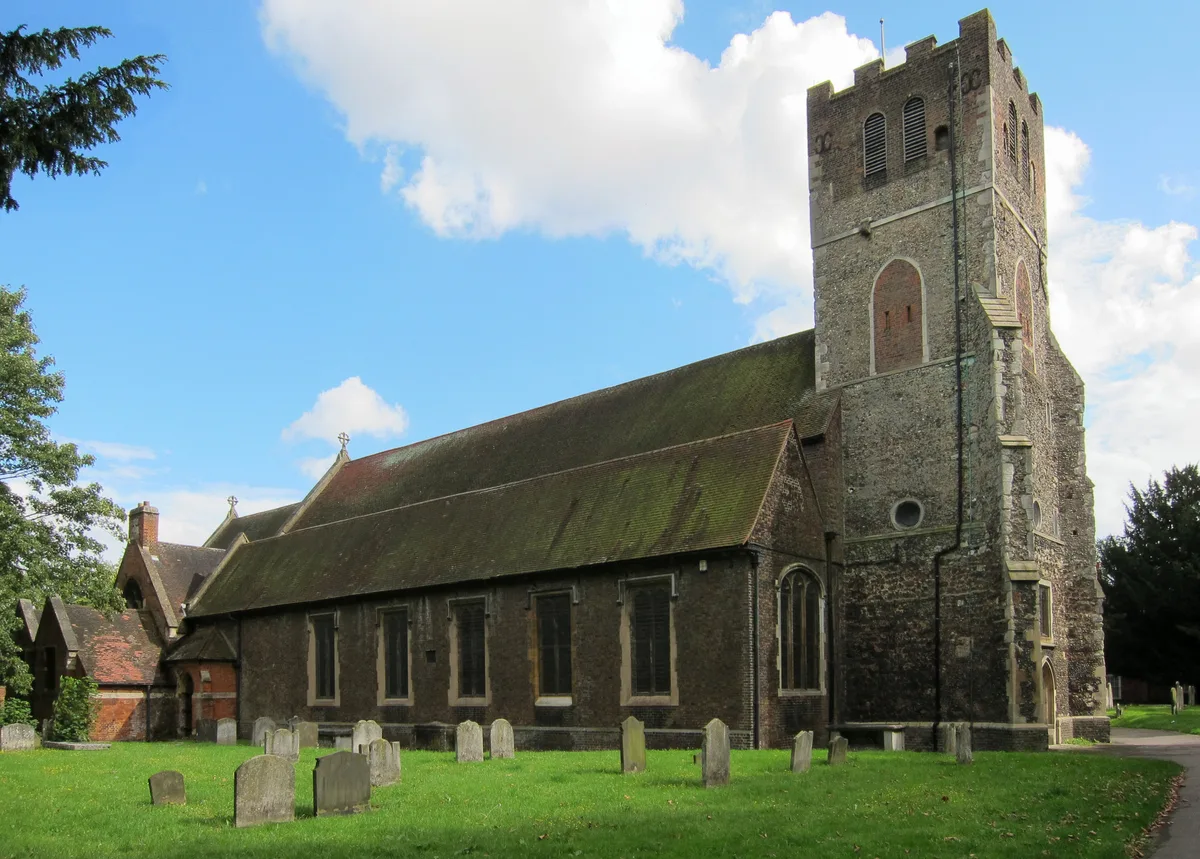
All Hallows' Church, Tottenham
All Hallows' Church, Tottenham — church in Tottenham, London.
 📷 5
📷 5Historic churches · London
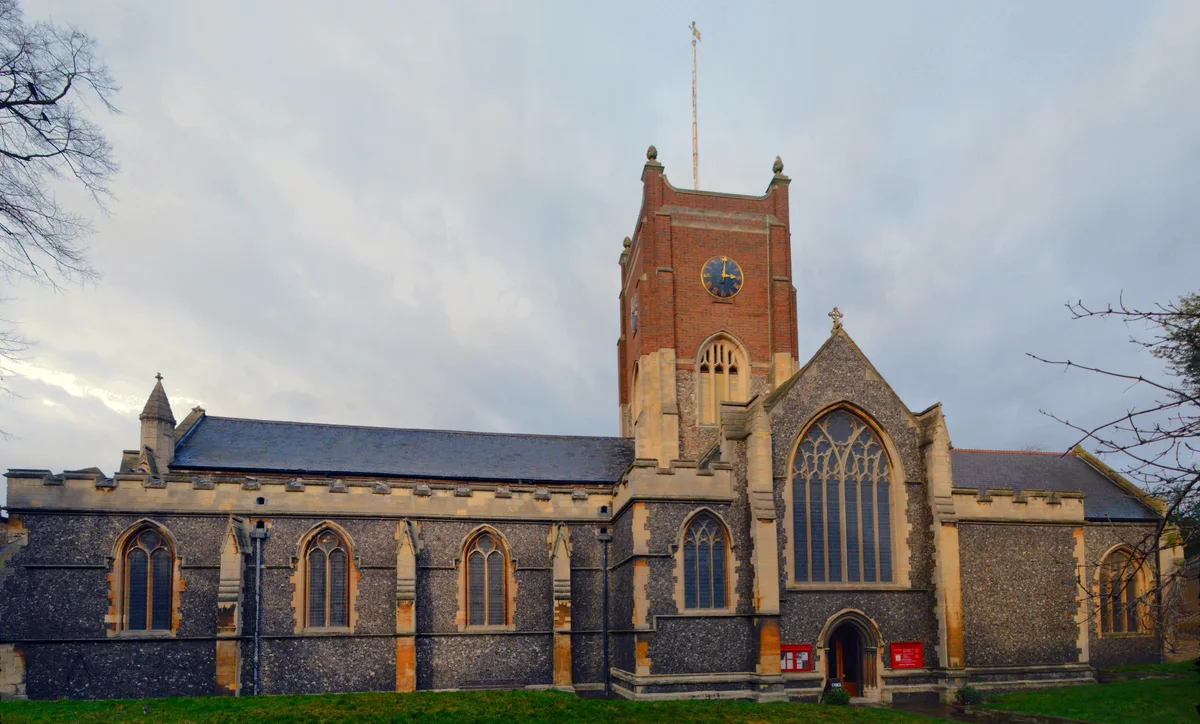
All Saints Church, Kingston upon Thames
All Saints Church, Kingston upon Thames — church in Kingston upon Thames, London.
 📷 5
📷 5Historic churches · London
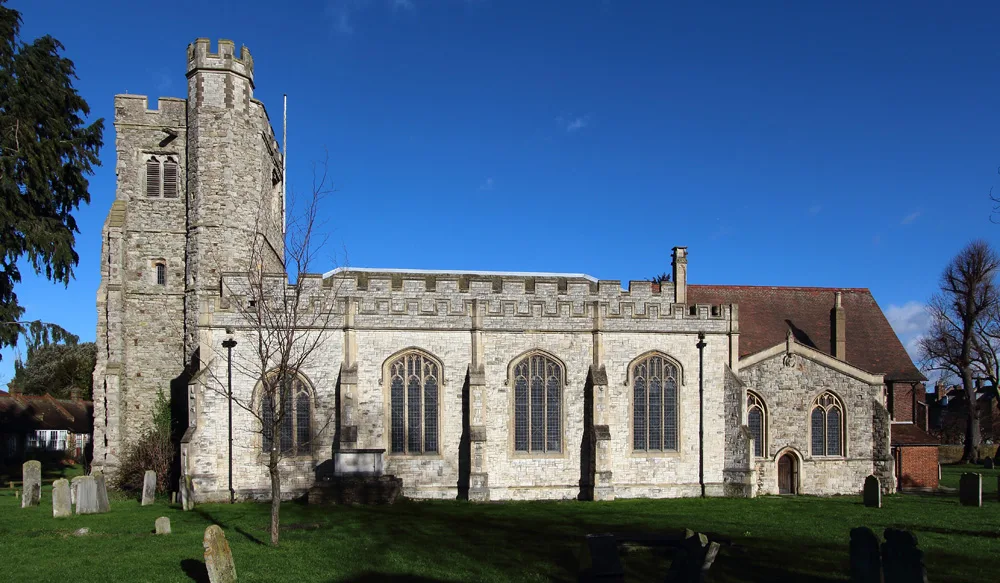
All Saints' Church, Edmonton
All Saints' Church, Edmonton — church in Edmonton, London.
More places in this region
 📷 5
📷 5Historic churches · South West England
Abbey Church of St Gregory the Great, Downside Abbey
Abbey Church of St Gregory the Great, Downside Abbey — church in Stratton-on-the-Fosse, Somerset, England, UK.
 📷 5
📷 5Historic churches · South West England
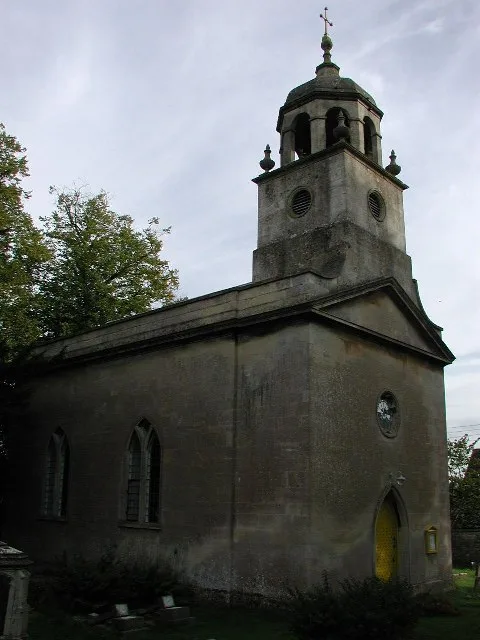
All Saints Church
All Saints Church — Grade I listed church in Woolley, Somerset, England, UK.
 📷 5
📷 5Historic churches · South West England
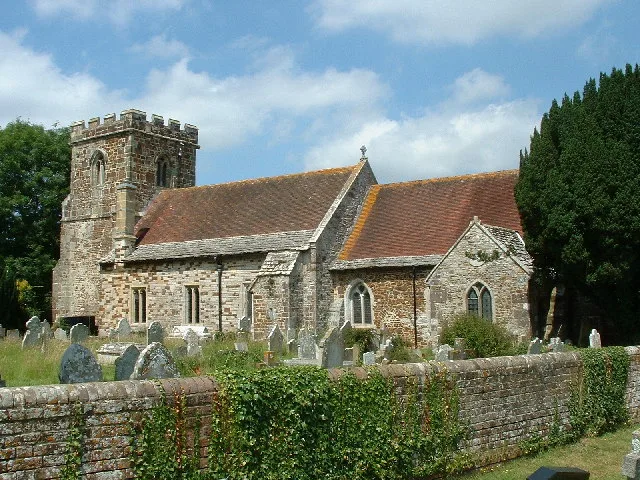
All Saints Church, Hampreston
All Saints Church, Hampreston — church in Hampreston, Dorset, England, UK.
 📷 5
📷 5Historic churches · South West England
All Saints Church, Nether Cerne
All Saints Church, Nether Cerne — church in Nether Cerne, Dorset, England, UK.
Frequently asked questions
- Where is Church of St James the Less?
- Church of St James the Less is in South-West England, United Kingdom (postcode TA4 3AD), in the parish of Halse.
- What is Church of St James the Less?
- Church of St James the Less — church in Halse, Somerset, England, UK.
- How do I get to Church of St James the Less?
- The nearest railway station is Bishops Lydeard, about 2.7 km away. The nearest town is Halse. Drivers can use postcode TA4 3AD.
- When was Church of St James the Less built?
- Built or established in 1401.
- Is Church of St James the Less a listed building?
- Church of St James the Less is officially recognised as Grade I listed building listed.
- Is Church of St James the Less free to visit?
- Yes, Church of St James the Less is free to enter.
- How do I get to Church of St James the Less?
- The nearest railway station is Bishops Lydeard, about 2.7 km away. Drivers can navigate to postcode TA4 3AD.