
Historic churches · Yorkshire & the Humber
Church of St Edmund
In or near Beal.
Church of St Edmund — church in Kellington, North Yorkshire, England, UK.

Wikimedia Commons contributors — see linked file page for photographer and licence licence

Plan your visit
- Typical visit
- 30 min–1 h
- Nearest railway station
- Whitley Bridge · 1.9 km
- Free entry
Getting there & planning your visit
The Church of St Edmund is located in North Yorkshire, postcode DN14 0SB. The nearest railway station is Whitley Bridge, which is 1.9 km away. Entry to the church is free.
About
Church of St Edmund is a historic church in the United Kingdom. Records date its origin to 1150. Heritage designation: Grade I listed building. Affiliated with Anglicanism. Wikidata describes it as: "church in Kellington, North Yorkshire, England, UK". Coordinates: 53.7146°, -1.1713°.
Photo gallery
Heritage listing
The Church of St Edmund King and Martyr, Kellington, is a grade I listed 12th century church in the village of Kellington, North Yorkshire, England. Excavations at the site have revealed the 14th century tomb related to the Knights Templar, and in the 1990s, the foundations of the church were underpinned because of possible subsidence effects from the nearby Kellingley Colliery. Its separation from the village upon elevated land, makes it a local landmark and it has been commented upon throughout history. A stone with Medieval carvings upon it was found in the church and has given rise to a legend attached to it about a shepherd fighting a snake.
From the Historic England List Entry under OGL v3.
Official information
St Edmund's Church is located in Kellington, North Yorkshire, and offers a serene environment for worship and reflection. Visitors can explore the church's history and enjoy its peaceful surroundings.
From the Wikipedia article
The Church of St Edmund King and Martyr, Kellington, is a grade I listed 12th century church in the village of Kellington, North Yorkshire, England. Excavations at the site have revealed the 14th century tomb related to the Knights Templar, and in the 1990s, the foundations of the church were underpinned because of possible subsidence effects from the nearby Kellingley Colliery. Its separation from the village upon elevated land, makes it a local landmark and it has been commented upon throughout history. A stone with Medieval carvings upon it was found in the church and has given rise to a legend attached to it about a shepherd fighting a snake. The Kellington Serpent-Stone is one of the attractions of the church.
Excerpt from Wikipedia under CC BY-SA 4.0. See the source article linked in Sources below.
Background
History
The church is located 0.25 mi outside of the village to the west on elevated ground. Excavations detailed the possibility that the low hill that the church sits on had earlier religious significance, with the belief that a Saxon church once stood on the site. The English antiquary, Roger Dodsworth, stated that the church was in "splendid isolation" from the village. Likewise, the local plan as created by Selby District Council states "St Edmund's Church, to the west of Kellington, dominates the skyline when viewed from the village and is a particularly fine Grade I listed building." The church was recorded in the late 12th century when the Knights Templar appointed John de Kellington as the…
Sourced from Wikipedia under CC BY-SA 4.0.
- Coordinates
- 53.7146, -1.1713
- District
- North Yorkshire
- Parish
- Kellington
- Postcode
- DN14 0SB
- Parliamentary constituency
- Selby
- Phone
- (01977) 671415
- Established
- 1150
- Nearest railway station
- Whitley Bridge — 1.9 km
- Opening
- Every Sunday 08:30 - 11:30
- Official site
- www.achurchnearyou.com
Sources
- wikidata: Q17526244 (CC0)
- wikipedia: Church of St Edmund King and Martyr, Kellington (CC BY-SA 4.0)
- commons: Kellington - St Edmunds Church - geograph.org.uk - 225302.jpg (CC BY-SA 4.0)
Other places nearby

Kellington Windmill
Windmills · 0.4 km

Beal Stone
Memorials & monuments · 1.3 km

Beal
Towns & cities · 1.8 km

Silver Jubilee of Queen Elizabeth II
Memorials & monuments · 1.9 km

Whitleybridge
Villages · 2.4 km

Church of St Mary
Historic churches · 2.6 km

Birkin Stone
Memorials & monuments · 2.7 km

Gale Common
Mountains & hills · 3.0 km

Tankards Bridge
Historic bridges · 3.1 km

Daffodil Field Park Memorial
Memorials & monuments · 3.1 km

Chapel Haddlesey
Villages · 3.7 km

Whitley
Villages · 3.7 km
Nearby
📷 3Windmills · Yorkshire & the Humber
Kellington Windmill
Kellington Windmill is a windmill in the United Kingdom.
📷 3Memorials & monuments · Yorkshire & the Humber
Beal Stone
Beal Stone — a memorial in Yorkshire & the Humber, United Kingdom.
📷 3Towns & cities · Yorkshire & the Humber
Beal
Beal — village and civil parish in North Yorkshire, England.
📷 3Memorials & monuments · Yorkshire & the Humber
Silver Jubilee of Queen Elizabeth II
Silver Jubilee of Queen Elizabeth II — a memorial in Yorkshire & the Humber, United Kingdom.
📷 5📷 5Historic churches · Yorkshire & the Humber
Church of St Mary
Church of St Mary — church in Birkin, Selby, North Yorkshire, England, UK.
Where to eat & stay near Church of St Edmund
Places to stay
 📷 5
📷 5Campsites · Yorkshire & the Humber
Sloop Inn Campsite
Sloop Inn Campsite — a campsite in england yorkshire.
 📷 5
📷 5Campsites · Yorkshire & the Humber
Apple Blossom Caravan and Camping
Apple Blossom Caravan and Camping — a campsite in england yorkshire.
 📷 5
📷 5Caravan parks · Yorkshire & the Humber
Oakland Hill Estate
Oakland Hill Estate — a caravan park in england yorkshire.
 📷 5
📷 5 📷 6
📷 6 📷 5
📷 5Campsites · Yorkshire & the Humber
Moss Hagg Farm Campsite
Moss Hagg Farm Campsite — a campsite in england yorkshire.
Places to eat & drink
 📷 7
📷 7Historic pubs · Yorkshire & the Humber
The Horse Vaults Public House
The Horse Vaults Public House in England Yorkshire, United Kingdom.
 📷 7
📷 7Historic pubs · Yorkshire & the Humber
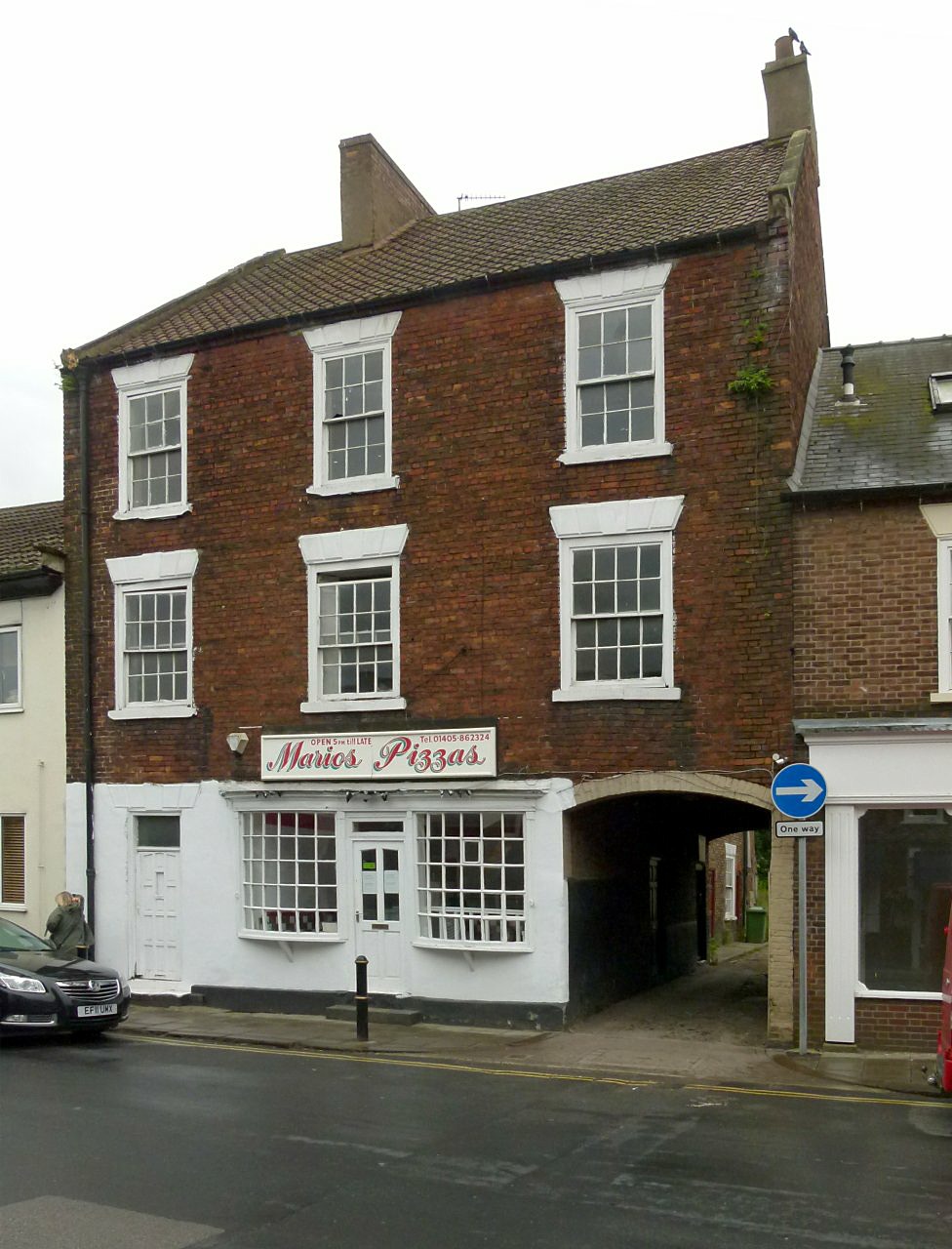
The Green Dragon Public House
The Green Dragon Public House in England Yorkshire, United Kingdom.
 📷 7
📷 7Historic pubs · Yorkshire & the Humber
The Plough Inn
The Plough Inn in England Yorkshire, United Kingdom.
 📷 7
📷 7Historic pubs · Yorkshire & the Humber
Pontefract Barracks
Pontefract Barracks in England Yorkshire, United Kingdom.
 📷 5
📷 5Historic pubs · Yorkshire & the Humber
The Commercial
The Commercial in England Yorkshire, United Kingdom.
 📷 5
📷 5Historic pubs · Yorkshire & the Humber
Old Tree Inn
Old Tree Inn in England Yorkshire, United Kingdom.
Other places from this era
 📷 5
📷 5Historic churches · London
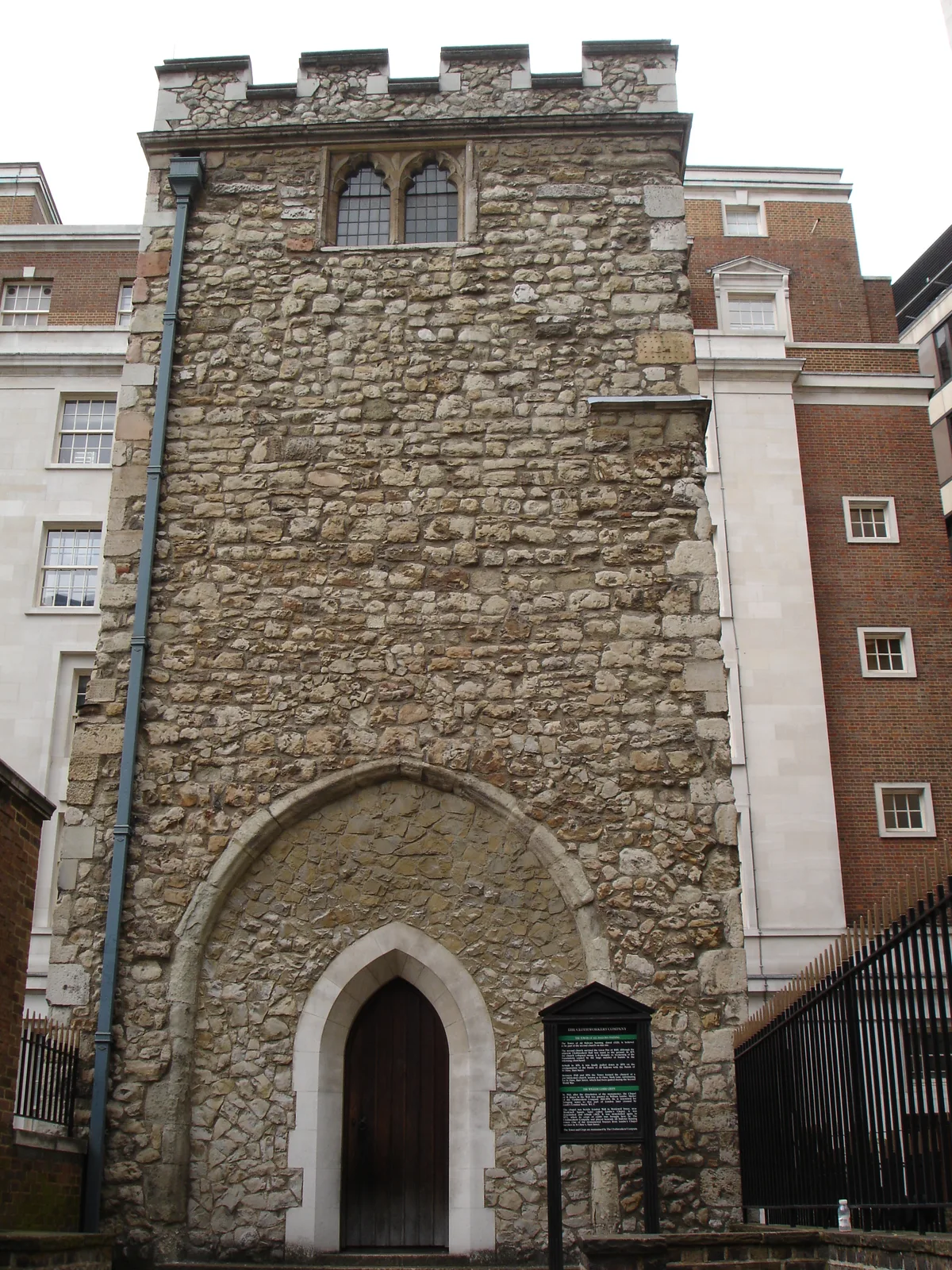
All Hallows Staining
All Hallows Staining — church in City of London, UK.
 📷 5
📷 5Historic churches · London
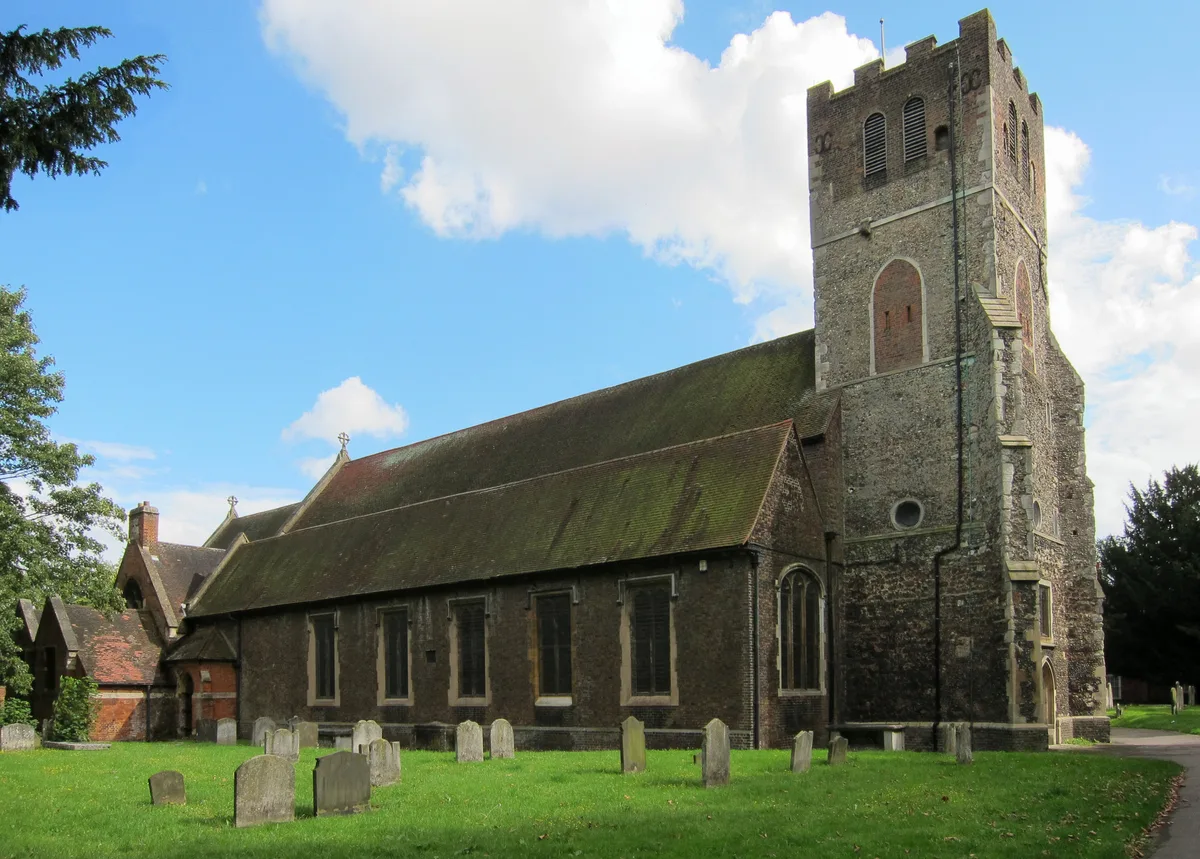
All Hallows' Church, Tottenham
All Hallows' Church, Tottenham — church in Tottenham, London.
 📷 5
📷 5Historic churches · London
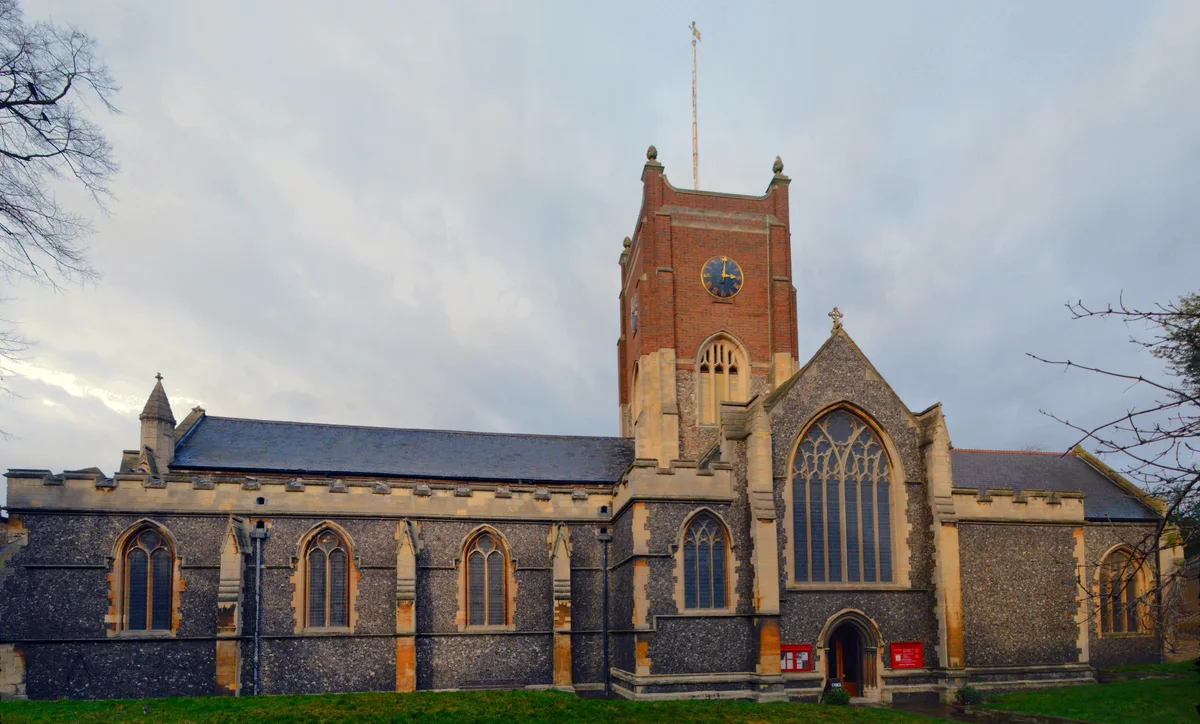
All Saints Church, Kingston upon Thames
All Saints Church, Kingston upon Thames — church in Kingston upon Thames, London.
 📷 5
📷 5Historic churches · London
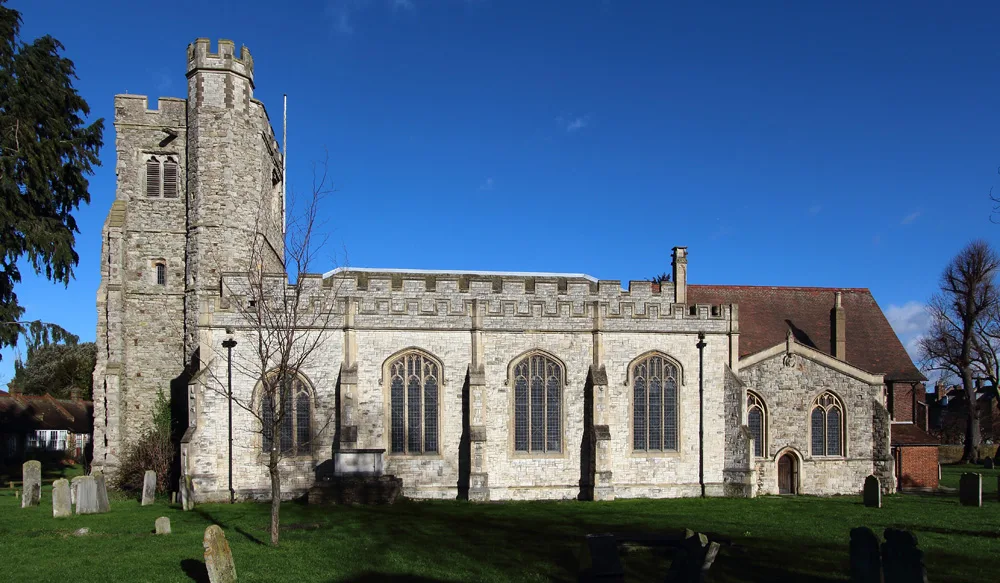
All Saints' Church, Edmonton
All Saints' Church, Edmonton — church in Edmonton, London.
More places in this region
 📷 5
📷 5Historic churches · Yorkshire & the Humber
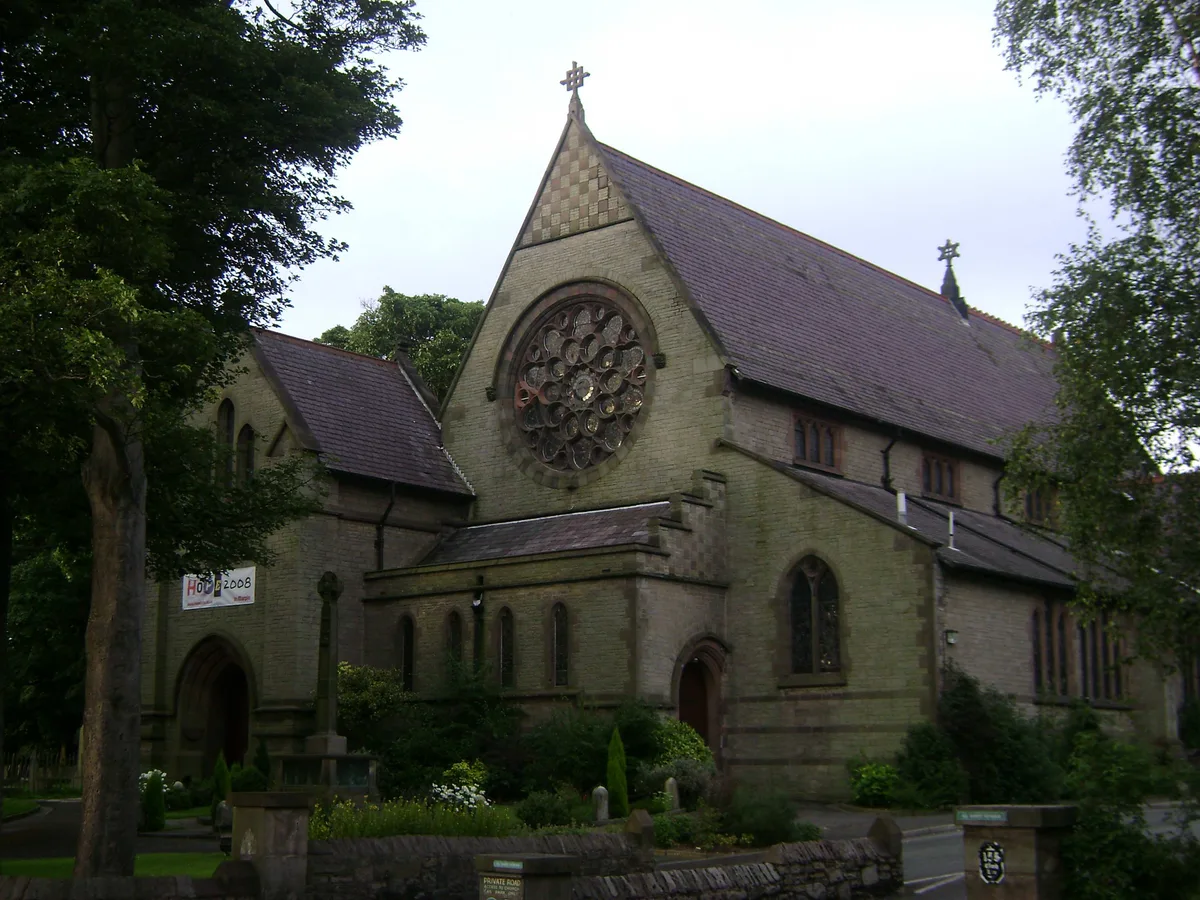
All Saints Church, Marple
All Saints Church, Marple — church in Marple, Greater Manchester, England, UK.
 📷 3
📷 3Historic churches · Yorkshire & the Humber
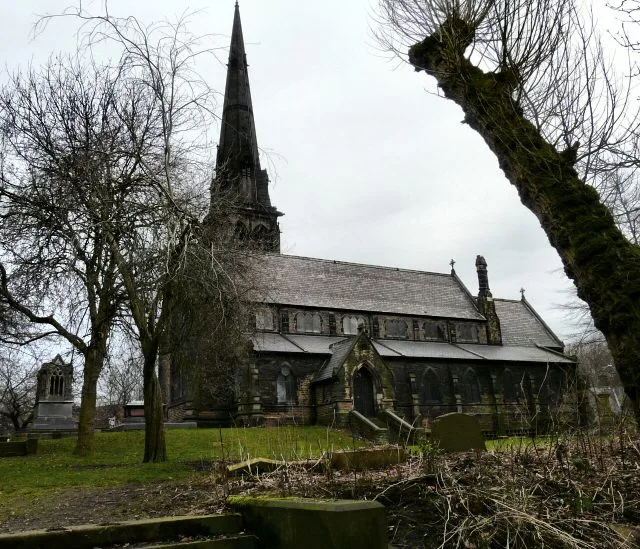
Brookfield Unitarian Church
Brookfield Unitarian Church — church in Manchester, UK.
 📷 5
📷 5Historic churches · Yorkshire & the Humber
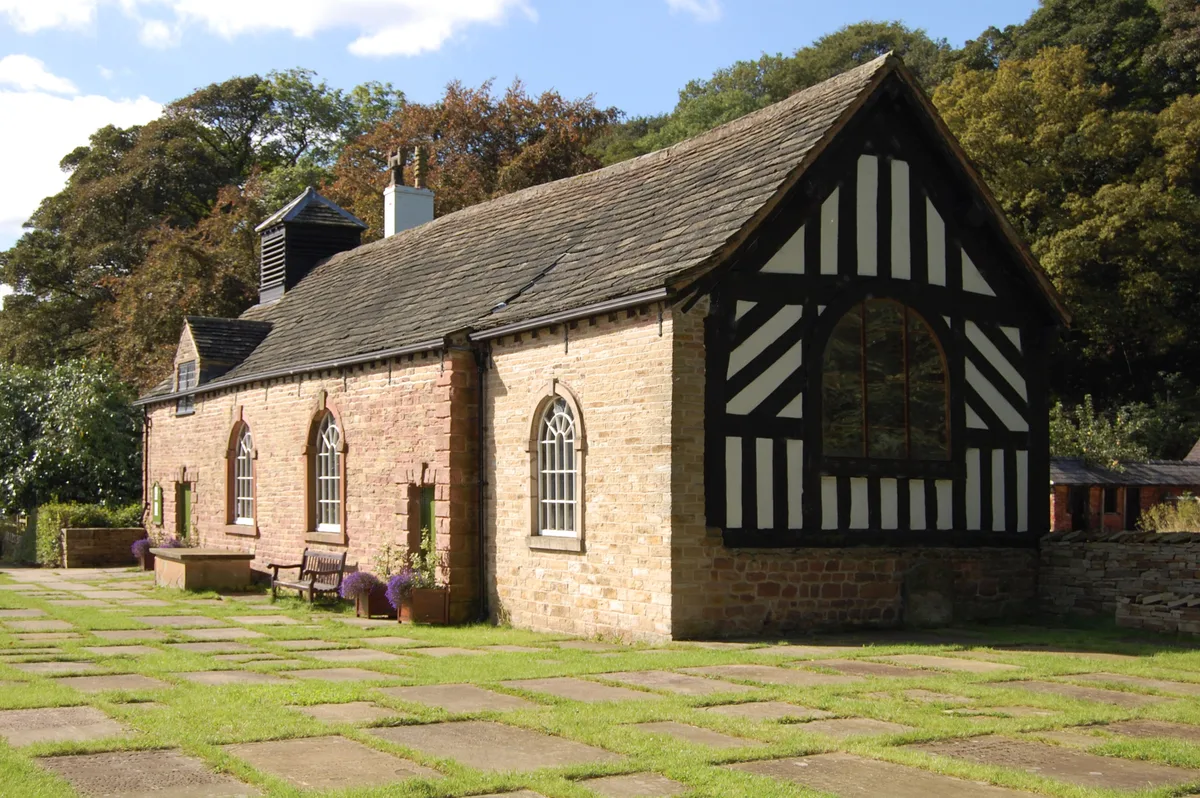
Chadkirk Chapel
Chadkirk Chapel — church and museum in Stockport, United Kingdom.
 📷 3
📷 3Historic churches · Yorkshire & the Humber
Christ Church, Heaton Norris
Christ Church, Heaton Norris — church in Stockport, UK.
Frequently asked questions
- Where is Church of St Edmund?
- Church of St Edmund is in Yorkshire, United Kingdom (postcode DN14 0SB), in the parish of Kellington.
- What is Church of St Edmund?
- Church of St Edmund — church in Kellington, North Yorkshire, England, UK.
- How do I get to Church of St Edmund?
- The nearest railway station is Whitley Bridge, about 1.9 km away. The nearest town is Beal. Drivers can use postcode DN14 0SB.
- When was Church of St Edmund built?
- Built or established in 1150.
- Is Church of St Edmund a listed building?
- Church of St Edmund is officially recognised as Grade I listed building listed.
- Is Church of St Edmund free to visit?
- Yes, Church of St Edmund is free to enter.
- How do I get to Church of St Edmund?
- The nearest railway station is Whitley Bridge, about 1.9 km away. Drivers can navigate to postcode DN14 0SB.