
Historic churches · Central Scotland
Church of Scotland
Also known as: Eglwys yr Alban, Eaglais na h-Alba
In or near Edinburgh.
The Church of Scotland (CoS; Scots: The Kirk o Scotland; Scottish Gaelic: Eaglais na h-Alba) is a Reformed denomination of Christianity that holds the status of the national and established church of

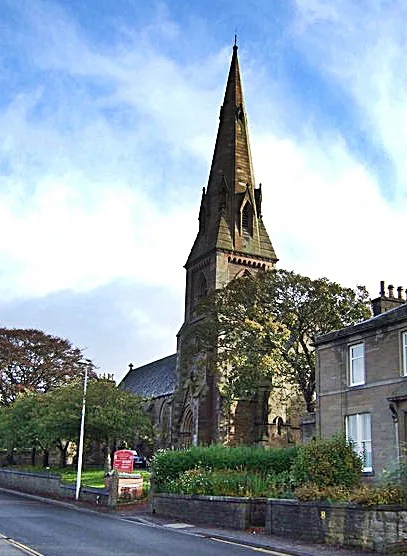
kim traynor — CC BY-SA 2.0 via Wikimedia Commons licence

Plan your visit
- Typical visit
- 30 min–1 h
- Nearest railway station
- Edinburgh Waverley · 0.4 km
- Free entry
- Family-friendly
Getting there & planning your visit
To visit the Church of Scotland, the nearest railway station is Edinburgh Waverley, located 0.4 km away. Entry is free, but please note that the church is not wheelchair accessible. The postcode for sat-nav is EH1 2PA.
About
The Church of Scotland (CoS; Scots: The Kirk o Scotland; Scottish Gaelic: Eaglais na h-Alba) is a Reformed denomination of Christianity that holds the status of the national and established church of Scotland. It is one of the country's larger denominations, having 229.000 members in 2025, or 4% of the Scottish population. In the 2022 census, 1,108,796 people, or 20 % of the Scottish population, claimed affiliation with the church. The Church of Scotland is Presbyterian in structure, meaning that is governed by presbyters or elders, selected from the body of the church. There is no one person who acts as the head of the faith, as the church believes that role is the "Lord God's". It is known familiarly as "the Kirk", this being the Scots equivalent of "church". The Church of Scotland was principally shaped by John Knox in the Reformation of 1560, when it split from the Catholic Church and established itself as a church in the Reformed tradition. The Church of Scotland celebrates two sacraments, baptism and the Lord's Supper, as well as five other ordinances, such as confirmation and matrimony. The church adheres to the Bible and the Westminster Confession of Faith and is a member of the World Communion of Reformed Churches. The annual meeting of the church's general assembly is chaired by the Moderator of the General Assembly of the Church of Scotland.
Photo gallery
Official information
The Writers' Museum is dedicated to the lives of three prominent Scottish authors: Robert Burns, Sir Walter Scott, and Robert Louis Stevenson. Located in a historic 17th-century townhouse, it features portraits, rare books, and personal artifacts related to these literary figures.
From the Wikipedia article
The Church of Scotland (CoS; Scots: The Kirk o Scotland; Scottish Gaelic: Eaglais na h-Alba) is a Reformed denomination of Christianity that holds the status of the national and established church of Scotland. It is one of the country's larger denominations, having 229.000 members in 2025, or 4% of the Scottish population. In the 2022 census, 1,108,796 people, or 20 % of the Scottish population, claimed affiliation with the church. The Church of Scotland is Presbyterian in structure, meaning that is governed by presbyters or elders, selected from the body of the church. There is no one person who acts as the head of the faith, as the church believes that role is the "Lord God's". It is known familiarly as "the Kirk", this being the Scots equivalent of "church". The Church of Scotland was principally shaped by John Knox in the Reformation of 1560, when it split from the Catholic Church and established itself as a church in the Reformed tradition. The Church of Scotland celebrates two sacraments, baptism and the Lord's Supper, as well as five other ordinances, such as confirmation and matrimony. The church adheres to the Bible and the Westminster Confession of Faith and is a member of the World Communion of Reformed Churches. The annual meeting of the church's general assembly is chaired by the Moderator of the General Assembly of the Church of Scotland.
Excerpt from Wikipedia under CC BY-SA 4.0. See the source article linked in Sources below.
Background
History
The Church of Scotland, in its current form, traces its origins to the Scottish Reformation of 1560. At that point, many in the then church in Scotland broke with Rome in a process of Protestant reform led, among others, by John Knox. It reformed its doctrines and government, drawing on the principles of John Calvin, which Knox had been exposed to while living in Geneva, Switzerland. By skillful manipulation of both church and state, he steadily reintroduced parliamentary and then diocesan episcopacy; this approximately mirrored the structure of the Church of England, of which James had become Supreme Governor when he succeeded to the English throne in 1603. By the time he died in 1625, the…
Description
Episcopacy was reintroduced to Scotland after the Restoration, which caused considerable discontent, especially in the country's southwest, where the Presbyterian tradition was strongest. The modern situation largely dates from 1690, when after the Glorious Revolution, the majority of Scottish bishops were non-jurors; that is, they believed they could not swear allegiance to William III of England and Mary II of England while James VII lived. To reduce their influence, the Scots Parliament guaranteed Presbyterian governance of the church with the Confession of Faith Ratification Act, excluding what became the Scottish Episcopal Church. Most of the remaining Covenanters disagreed with the…
Sourced from Wikipedia under CC BY-SA 4.0.
- Coordinates
- 55.9497, -3.1950
- District
- City of Edinburgh
- Postcode
- EH1 2PA
- Parliamentary constituency
- Edinburgh East and Musselburgh
- Nearest railway station
- Edinburgh Waverley — 0.4 km
- Opening
- Daily 10am–5pm; closed 19, 20, 22 July
- Official site
- www.edinburghmuseums.org.uk
Sources
- wikipedia: Church of Scotland (CC BY-SA 4.0)
Other places nearby

John Knox Memorial
Memorials & monuments · 0.0 km

Black Watch Memorial
Memorials & monuments · 0.1 km

Bust of Carlo Antonio del Pozzo
Public art & sculpture · 0.1 km

Free Church College
Historic churches · 0.1 km
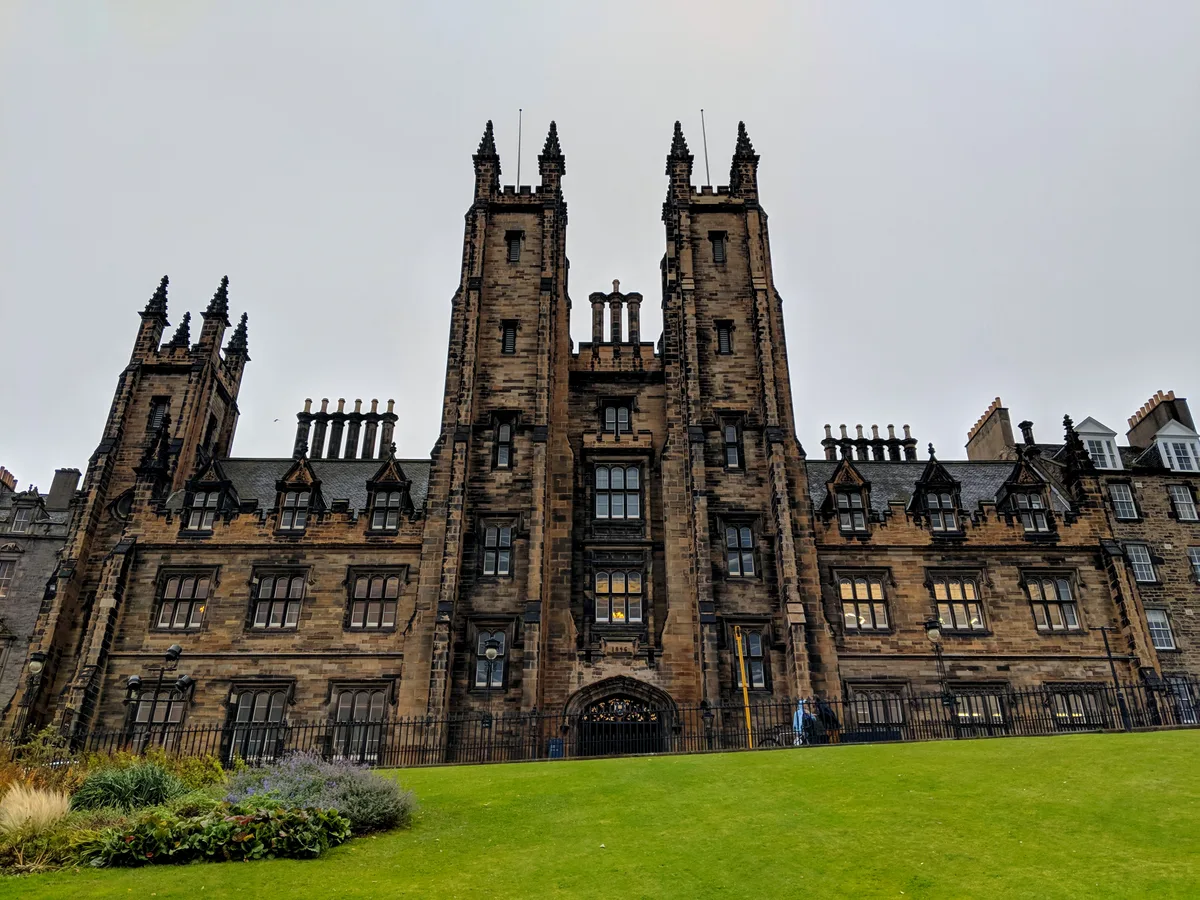
General Assembly Hall
Theatres · 0.1 km

Zannah Stephen Memorial
Public art & sculpture · 0.1 km

Lady Stair's House
Gardens · 0.1 km
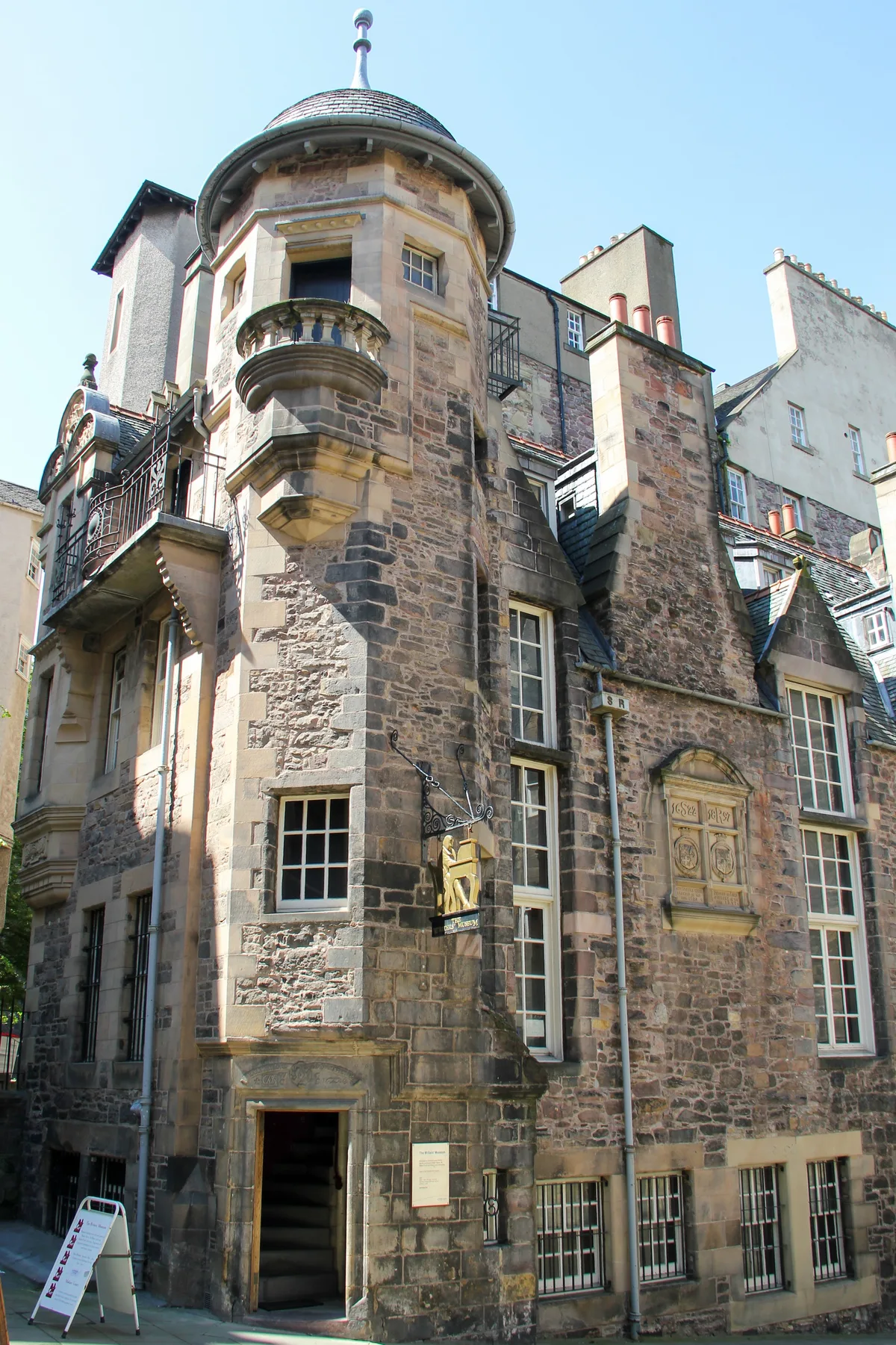
Writers' Museum
Museums · 0.1 km

Scottish War Poets' War Memorial
Memorials & monuments · 0.1 km

Camera Obscura & World of Illusions
Natural landmarks · 0.1 km
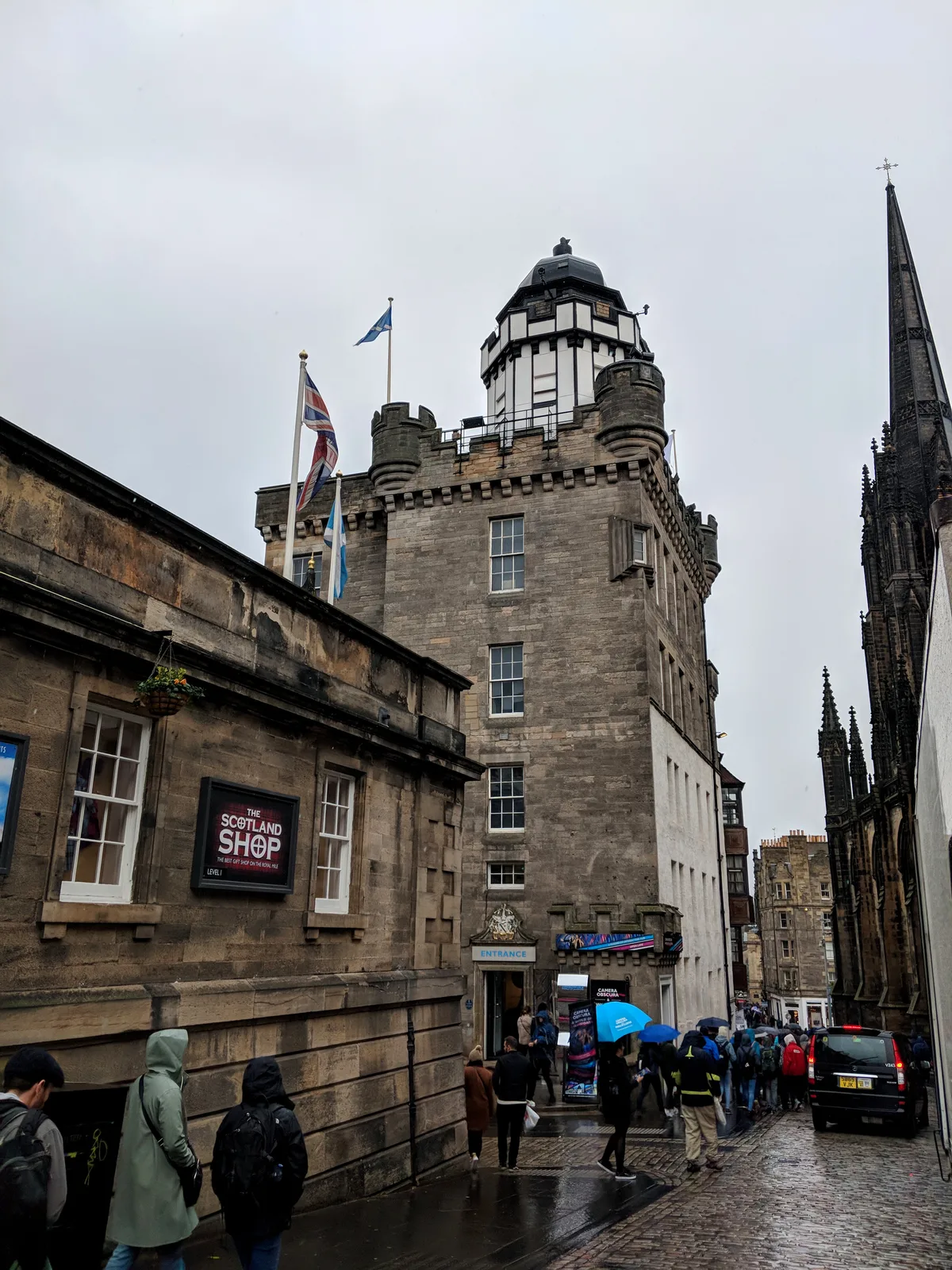
Camera Obscura
Observatories · 0.1 km

Gladstone's Land
Natural landmarks · 0.1 km
Nearby
📷 3Memorials & monuments · Central Scotland
John Knox Memorial
John Knox Memorial — a memorial in Central Scotland, United Kingdom.
Memorials & monuments · Central Scotland
Black Watch Memorial
Black Watch Memorial — a memorial in scotland central.
📷 4Public art & sculpture · Central Scotland
Bust of Carlo Antonio del Pozzo
Bust of Carlo Antonio del Pozzo in Scotland Central, United Kingdom.
📷 5Historic churches · Central Scotland
Free Church College
Free Church College — a school heritage in scotland-central, United Kingdom.
📷 3Theatres · Central Scotland
General Assembly Hall
General Assembly Hall is a theatre in the United Kingdom.
📷 3Public art & sculpture · Central Scotland
Zannah Stephen Memorial
Zannah Stephen Memorial in Scotland Central, United Kingdom.
Where to eat & stay near Church of Scotland
Places to stay
 📷 5
📷 5Hostels · Central Scotland
Castle Rock Hostel
Castle Rock Hostel — a hostel in scotland central.
 📷 5
📷 5 📷 5📷 5
 📷 5
📷 5 📷 5
📷 5Hotels · Central Scotland
Apex Edinburgh International
Apex Edinburgh International — a hotel in scotland central.
Places to eat & drink
 📷 5
📷 5Restaurants · Central Scotland
The Witchery
The Witchery — a restaurant in scotland central.
 📷 5
📷 5Cafés · Central Scotland
Hideout Cafe
Hideout Cafe — a café in scotland central.
 📷 5
📷 5Historic pubs · Central Scotland
156-158 High Street, Edinburgh
156-158 High Street, Edinburgh in Scotland Central, United Kingdom.
 📷 5
📷 5Historic pubs · Central Scotland
Public House, 30, 32, 34 Candlemaker Row, Edinburgh
Public House, 30, 32, 34 Candlemaker Row, Edinburgh in Scotland Central, United Kingdom.
 📷 5
📷 5Restaurants · Central Scotland
The Dome Bar and Grill
The Dome Bar and Grill — a restaurant in scotland central.
 📷 7
📷 7Restaurants · Central Scotland
Number One
Number One — a restaurant in scotland central.
More places in this region
 📷 5
📷 5Historic churches · Central Scotland
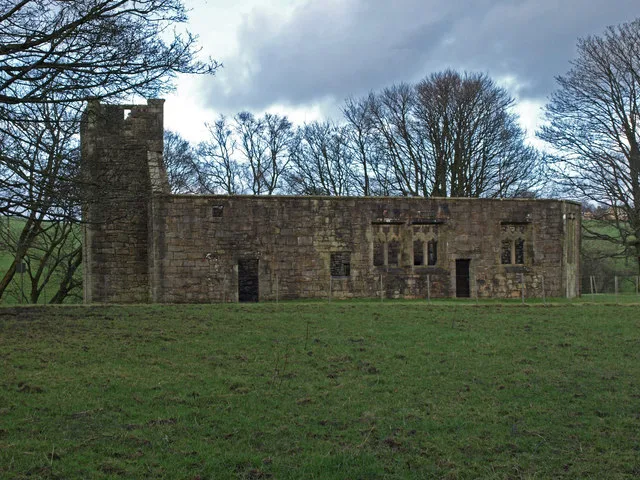
Castle Semple Collegiate Church
Castle Semple Collegiate Church — church building in Renfrewshire, Scotland, UK.
 📷 3
📷 3Historic churches · Central Scotland
Chapel of St Fyndoca, Inishail
Chapel of St Fyndoca, Inishail — architectural structure in Argyll and Bute, Scotland, UK.
 📷 3
📷 3Historic churches · Central Scotland
Chapel of St. Oran, Colonsay
Chapel of St. Oran, Colonsay — chapel on Colonsay, Argyll and Bute, Scotland, UK.
 📷 3
📷 3Historic churches · Central Scotland
Church of St Mary the Virgin, Arbroath
Church of St Mary the Virgin, Arbroath — church in Arbroath, UK.
Frequently asked questions
- Where is Church of Scotland?
- Church of Scotland is in central Scotland, United Kingdom (postcode EH1 2PA).
- What is Church of Scotland?
- The Church of Scotland (CoS; Scots: The Kirk o Scotland; Scottish Gaelic: Eaglais na h-Alba) is a Reformed denomination of Christianity that holds the status of the national and established church of
- How do I get to Church of Scotland?
- The nearest railway station is Edinburgh Waverley, about 0.4 km away. The nearest town is Edinburgh. Drivers can use postcode EH1 2PA.
- Is Church of Scotland free to visit?
- Yes, Church of Scotland is free to enter.
- How do I get to Church of Scotland?
- The nearest railway station is Edinburgh Waverley, about 0.4 km away. Drivers can navigate to postcode EH1 2PA.