
Historic churches · South East England
Church of King Charles the Martyr, Royal Tunbridge Wells
In or near Pembury.
Church of King Charles the Martyr, Royal Tunbridge Wells — church in Tunbridge Wells, UK.

Wikimedia Commons contributors — see linked file page for photographer and licence licence

Plan your visit
- Typical visit
- 30 min–1 h
- Nearest railway station
- Tunbridge Wells · 0.4 km
- Free entry
Getting there & planning your visit
The Church of King Charles the Martyr is located in Royal Tunbridge Wells, Kent, with the postcode TN1 1DH. The nearest railway station is Tunbridge Wells, which is 0.4 km away. Entry to the church is free.
About
Church of King Charles the Martyr, Royal Tunbridge Wells is a historic church in the United Kingdom. Records date its origin to 1676. Designed by Thomas Neale. Heritage designation: Grade I listed building. Affiliated with Anglicanism. Wikidata describes it as: "church in Tunbridge Wells, UK". Coordinates: 51.1268°, 0.2593°.
Photo gallery
Heritage listing
The Church of King Charles the Martyr is a Church of England parish church in Royal Tunbridge Wells, Kent, England. It is a Grade I listed building.
From the Historic England List Entry under OGL v3.
Protected designations
- Area of Outstanding Natural Beauty: High Weald
- Area of Outstanding Natural Beauty: Kent Downs
Designations sourced from Natural England open data under OGL v3.
From the Wikipedia article
The Church of King Charles the Martyr is a Church of England parish church in Royal Tunbridge Wells, Kent, England. It is a Grade I listed building.
Excerpt from Wikipedia under CC BY-SA 4.0. See the source article linked in Sources below.
Background
History
In the 1670s, Tunbridge Wells had few permanent structures when it started to receive visits from members of the English Royal Family. The church was built on land belonging to Viscountess Purbeck as a chapel of ease for those visiting The Pantiles and was opened in 1676 after being constructed by Thomas Neale. It was dedicated to King Charles the Martyr: the cult of Charles I, who was executed in 1649 and whose son Charles II had been restored in 1660. While it was a chapel of ease, it served the parishes of Frant, Speldhurst and Tonbridge. When it was built, the church was the first substantial building constructed in Tunbridge Wells. The church had no resident vicar until 1709, and…
Architecture
The church was built using red bricks. The ceilings inside are made of plaster with five domes and were designed in 1678 by John Wetherell. In 1688, Henry Doogood, the chief plasterer of Sir Christopher Wren, expanded it. In 1846, a vestry and a schoolroom was added. In 1882, Ewan Christian re-orientated the church while adding a chancel and reinforcing the church with steel. Outside the church is a stone set into the pavement which marked the parish boundaries of Speldhurst, Tonbridge and Frant, and also of Kent and Sussex before the county boundaries were redrawn. In 1969, Lawrence Lee produced The Ruth Window, a small two-light window with the figure of Ruth in one light and her work -…
Sourced from Wikipedia under CC BY-SA 4.0.
- Coordinates
- 51.1268, 0.2593
- County
- Kent
- District
- Tunbridge Wells
- Parish
- Tunbridge Wells, unparished area
- Postcode
- TN1 1DH
- Parliamentary constituency
- Tunbridge Wells
- Established
- 1676
- Nearest railway station
- Tunbridge Wells — 0.4 km
Sources
- wikidata: Q6484295 (CC0)
- wikipedia: Church of King Charles the Martyr, Royal Tunbridge Wells (CC BY-SA 4.0)
- commons: King Charles the Martyr's Church, Mount Sion, Tunbridge Wells.JPG (CC BY-SA 4.0)
Other places nearby

The Pantiles
Museums · 0.1 km

Theatre, Tunbridge Wells
Open-air theatres · 0.1 km

The Sussex Arms Public House
Historic pubs · 0.2 km

The Swan Hotel
Hotels · 0.2 km

Borough of Tunbridge Wells
Historic churches · 0.3 km

Bijou Cinema
Theatres · 0.4 km

Entrance to Grove Hill Gardens, The Grove
Memorials & monuments · 0.5 km

ABC Tunbridge Wells
Theatres · 0.6 km

68 London Road
Historic houses · 0.6 km

Royal Tunbridge Wells
Historic churches · 0.6 km

Ashton Lodge
Gardens · 0.6 km

Entrance to Grove Hill Gardens, Grove Hill Gardens
Memorials & monuments · 0.6 km
Nearby
📷 5Museums · South East England
The Pantiles
The Pantiles is a Georgian colonnade in the town of Royal Tunbridge Wells, Kent, England. Formerly known as "The Walks" and the (Royal) "Parade", it leads from the well that gave the town its name. Th
📷 5Open-air theatres · South East England
Theatre, Tunbridge Wells
former theatre (1802-?) in Tunbridge Wells, England, replaced by the Corn Exchange, now a small shopping centre, only the façade remaining
📷 5Historic pubs · South East England
The Sussex Arms Public House
The Sussex Arms Public House in England South East, United Kingdom.
📷 5📷 5Historic churches · South East England
Borough of Tunbridge Wells
The Borough of Tunbridge Wells is a local government district with borough status in Kent, England. It takes its name from its main town, Royal Tunbridge Wells. The borough also contains the towns of
📷 5Where to eat & stay near Church of King Charles the Martyr, Royal Tunbridge Wells
Places to stay
📷 5 📷 5
📷 5Hotels · South East England
The Royal Wells Hotel
The Royal Wells Hotel — a hotel in england south east.
 📷 7
📷 7Hotels · South East England
The Spa Hotel
The Spa Hotel — a hotel in england south east.
 📷 5
📷 5 📷 5
📷 5Campsites · South East England
Adamswell Scout Camp
Adamswell Scout Camp — a campsite in england south east.
 📷 5
📷 5Hotels · South East England
The Camden Arms Hotel
The Camden Arms Hotel — a hotel in england south east.
Places to eat & drink
📷 5Historic pubs · South East England
The Sussex Arms Public House
The Sussex Arms Public House in England South East, United Kingdom.
 📷 6
📷 6Historic pubs · South East England
Opera House, Royal Tunbridge Wells
Opera House, Royal Tunbridge Wells in England South East, United Kingdom.
 📷 7
📷 7Historic pubs · South East England
5-11, Langton Road
5-11, Langton Road in England South East, United Kingdom.
 📷 5
📷 5Historic pubs · South East England
The George
The George — Historic pub — listed building or notable heritage status.
 📷 7
📷 7Historic pubs · South East England
The George And Dragon
The George And Dragon in England South East, United Kingdom.
.jpg?width=1200) 📷 5
📷 5Historic pubs · South East England
Nevill Crest and Gun
Nevill Crest and Gun — Historic pub — listed building or notable heritage status.
Other places from this era
 📷 5
📷 5Historic churches · London
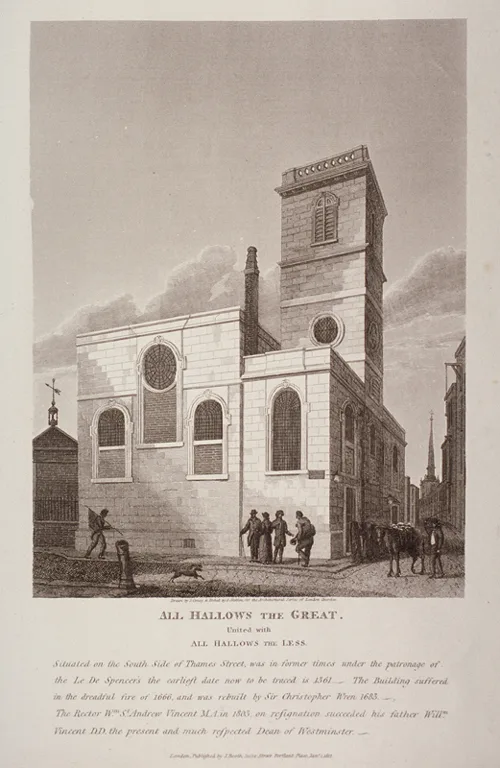
All-Hallows-the-Great
All-Hallows-the-Great — church in City of London, UK.
 📷 5
📷 5Historic churches · London
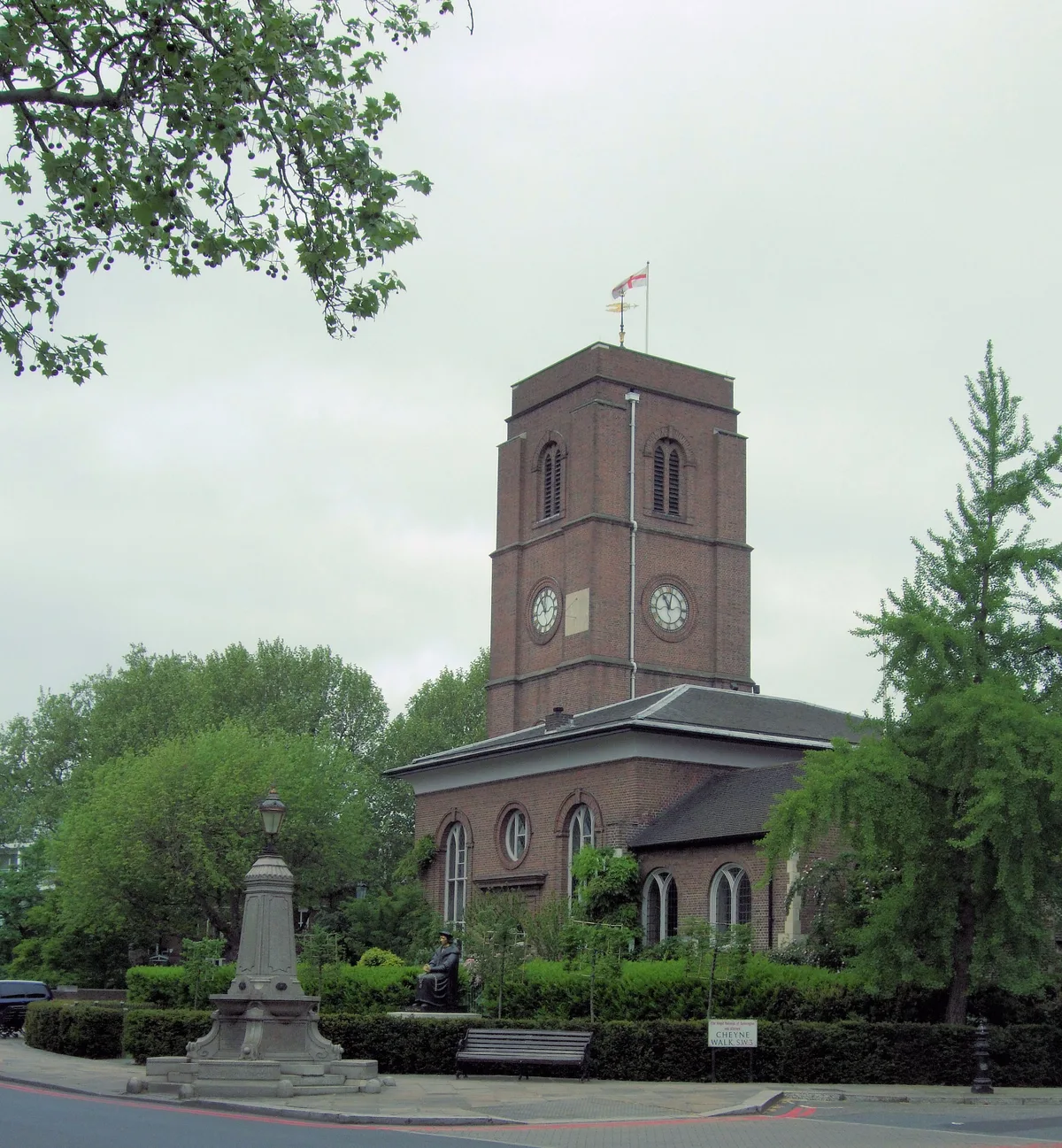
Chelsea Old Church
Chelsea Old Church — church in Royal Borough of Kensington and Chelsea, UK.
 📷 5
📷 5Historic churches · London
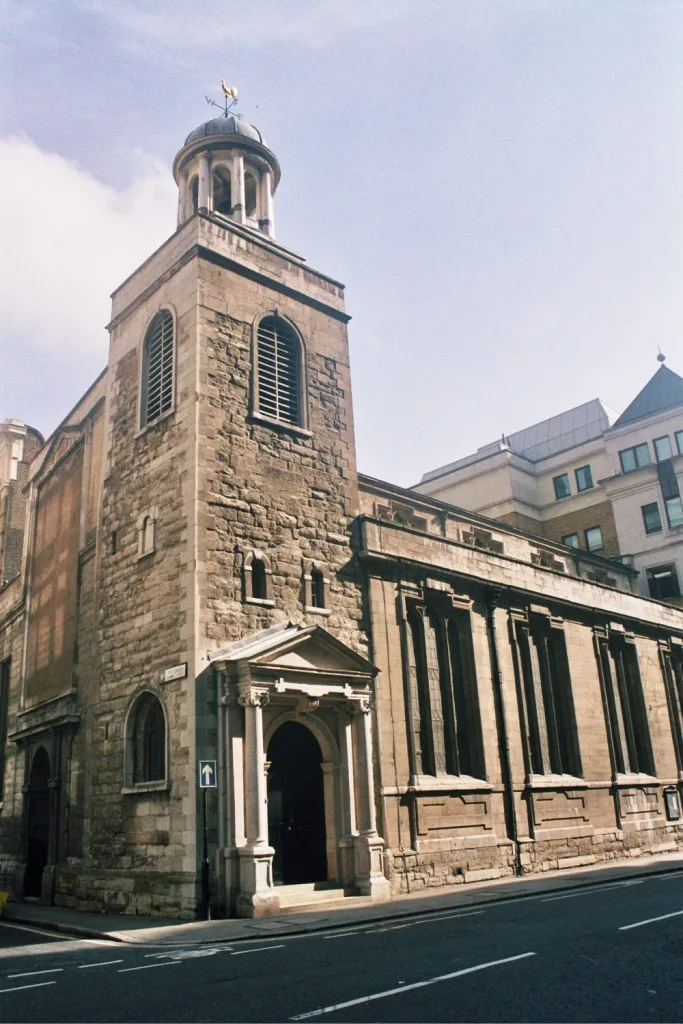
Church of St Katharine Cree, London
Church of St Katharine Cree, London — church in City of London, UK.
 📷 5
📷 5Historic churches · London
Church of St Lawrence, Little Stanmore
Church of St Lawrence, Little Stanmore — church of England church in Stanmore, London.
More places in this region
 📷 5
📷 5Historic churches · South East England
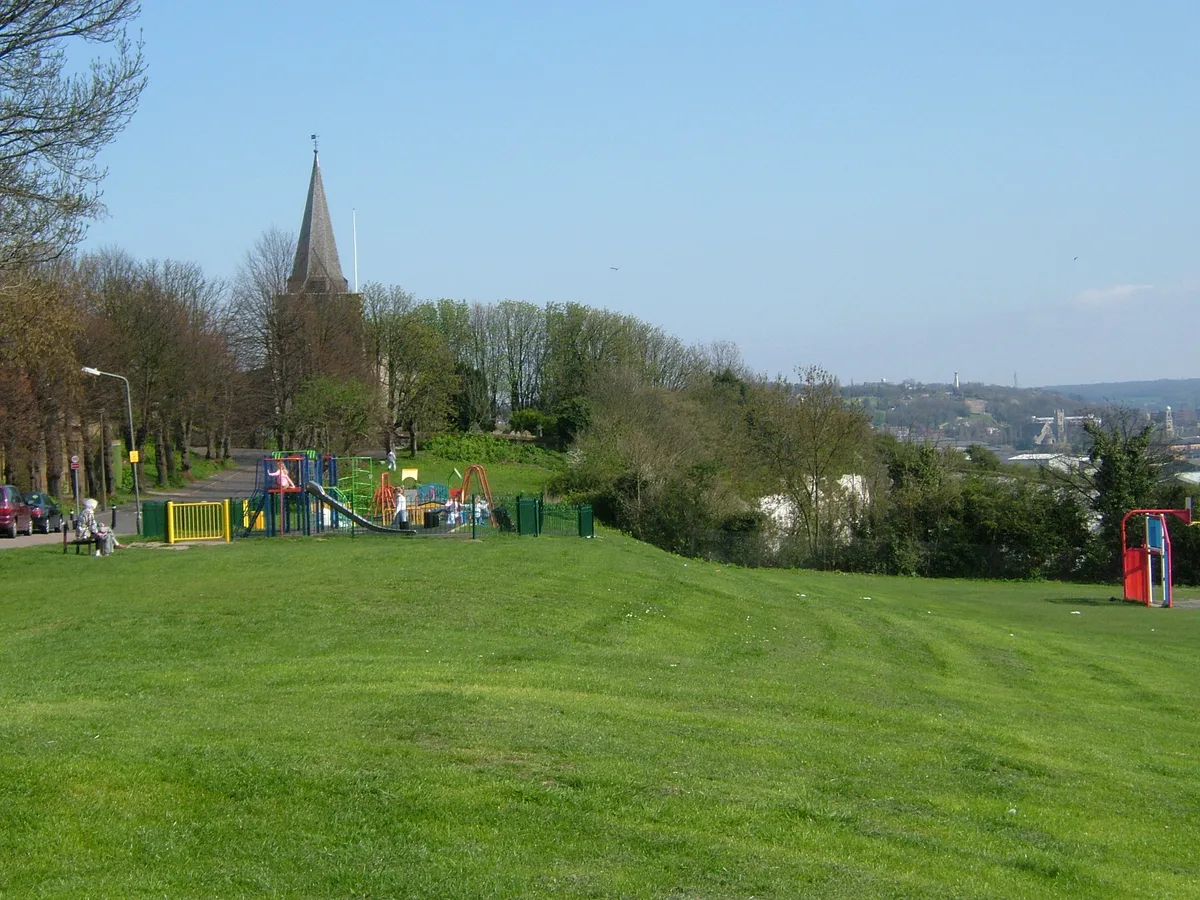
All Saints Church, Frindsbury
All Saints Church, Frindsbury — church in Medway, UK.
 📷 5
📷 5Historic churches · South East England
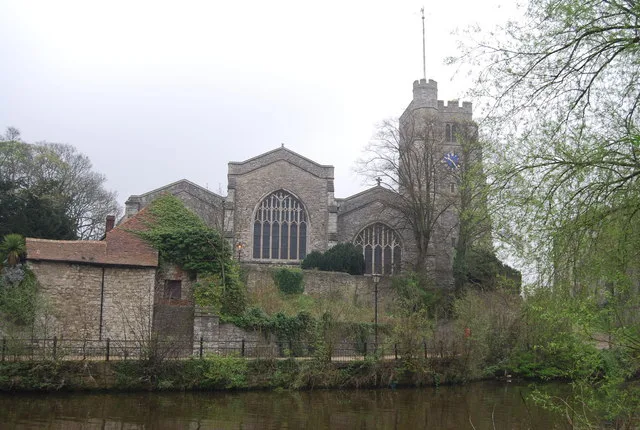
All Saints Church, Maidstone
All Saints Church, Maidstone — parish church associated with the Archbishop's Palace, Maidstone, Kent, England, UK.
 📷 5
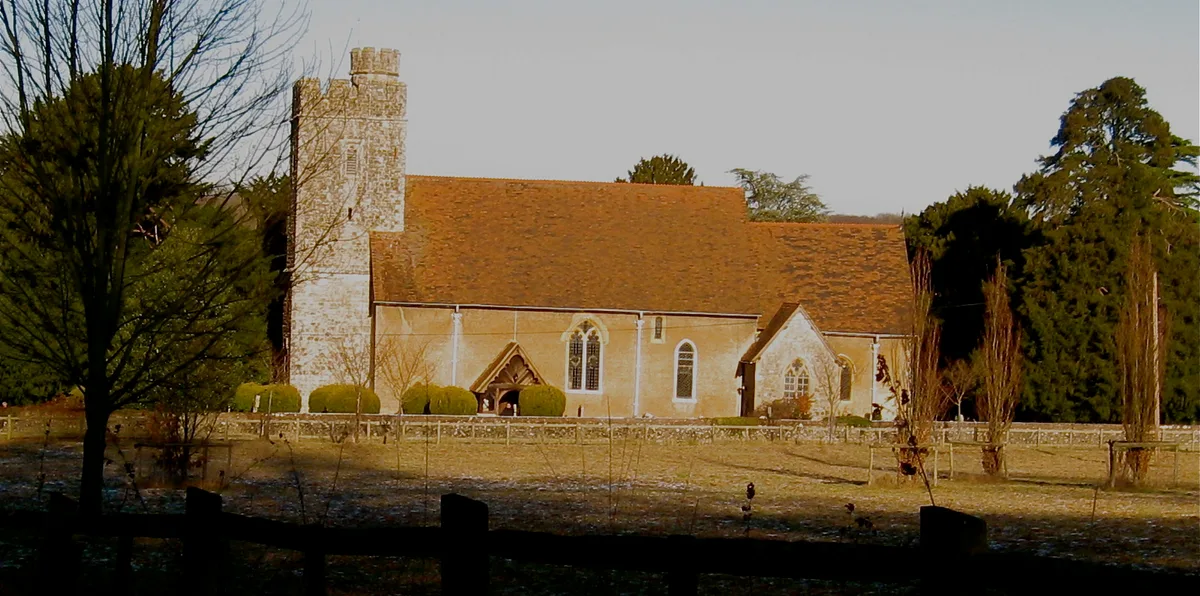
📷 5Historic churches · South East England
All Saints Church, West Farleigh
All Saints Church, West Farleigh — Grade I listed church in West Farleigh, Maidstone, Kent, England, UK.
 📷 5
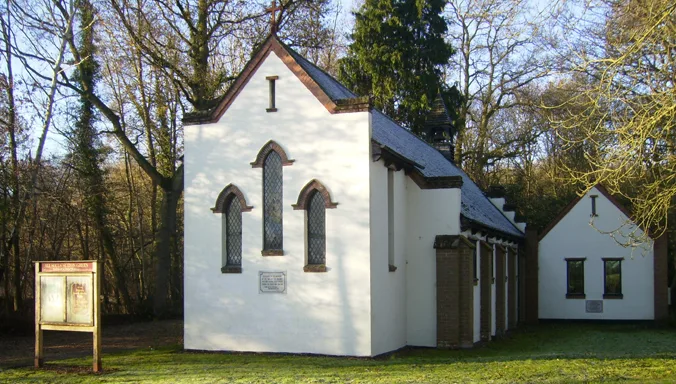
📷 5Historic churches · South East England
All Souls' Church, Sutton Green
All Souls' Church, Sutton Green — church in Guildford, England.
Frequently asked questions
- Where is Church of King Charles the Martyr, Royal Tunbridge Wells?
- Church of King Charles the Martyr, Royal Tunbridge Wells is in Kent, South-East England, United Kingdom (postcode TN1 1DH), in the parish of Tunbridge Wells, unparished area.
- What is Church of King Charles the Martyr, Royal Tunbridge Wells?
- Church of King Charles the Martyr, Royal Tunbridge Wells — church in Tunbridge Wells, UK.
- How do I get to Church of King Charles the Martyr, Royal Tunbridge Wells?
- The nearest railway station is Tunbridge Wells, about 0.4 km away. The nearest town is Pembury. Drivers can use postcode TN1 1DH.
- When was Church of King Charles the Martyr, Royal Tunbridge Wells built?
- Built or established in 1676. Designed by Thomas Neale.
- Is Church of King Charles the Martyr, Royal Tunbridge Wells a listed building?
- Church of King Charles the Martyr, Royal Tunbridge Wells is officially recognised as Grade I listed building listed.
- Is Church of King Charles the Martyr, Royal Tunbridge Wells a protected site?
- Yes — Church of King Charles the Martyr, Royal Tunbridge Wells is part of the High Weald National Landscape (AONB) and the Kent Downs National Landscape (AONB).
- Is Church of King Charles the Martyr, Royal Tunbridge Wells free to visit?
- Yes, Church of King Charles the Martyr, Royal Tunbridge Wells is free to enter.
- How do I get to Church of King Charles the Martyr, Royal Tunbridge Wells?
- The nearest railway station is Tunbridge Wells, about 0.4 km away. Drivers can navigate to postcode TN1 1DH.