
Gardens · London
Cannons
In or near Elstree.
Cannons — a garden in england-london, United Kingdom.

DS Pugh — CC BY-SA 2.0 via Wikimedia Commons licence

Plan your visit
- Typical visit
- 1 h–2.5 h
- Best time of year
- Spring & summer (Apr–Sep)
- Nearest railway station
- Canons Park · 0.2 km
- Paid entry
- Dog-friendly
Getting there & planning your visit
To visit Cannons, the nearest railway station is Canons Park, located just 0.2 km away. Entry is paid, and the postcode for sat-nav is HA8 6RH.
About
Cannons is a garden of interest in england-london, United Kingdom — drawn from open-data sources for visitor reference. See the linked Wikipedia article for the full description.
Photo gallery
Summary from the official site
Canons is a historic mansion located in Little Stanmore, originally built by James Brydges, duke of Chandos, in the 18th century. The area has a rich history, with connections to notable figures and its development closely tied to the surrounding parishes of Edgware and Great Stanmore.
Read more on the official property page.
From the Wikipedia article
Cannons was a stately home in Little Stanmore, Middlesex, England. It was built by James Brydges, 1st Duke of Chandos, between 1713 and 1724 at a cost of £200,000 (equivalent to £37,960,000 today), replacing an earlier house on the site. Chandos' house was razed in 1747 and its contents dispersed. The name "Cannons" is an obsolete spelling of "canons" and refers to the Augustinian canons of St Bartholomew's Hospital, London, which owned the estate before the English Reformation. Cannons was the focus of the first Duke's artistic patronage – patronage which led to his nickname "The Apollo of the Arts". Brydges filled Cannons with Old Masters and Grand Tour acquisitions, and also appointed Handel as resident house composer from 1717 to 1718. Such was the fame of Cannons that members of the public flocked to visit the estate in great numbers and Alexander Pope was unjustly accused of having represented the house as "Timon's Villa" in his Epistle of Taste (1731). The Cannons estate was acquired by Chandos in 1713 from the uncle of his first wife, Mary Lake. Mary's great-grandfather Sir Thomas Lake had acquired the manor of Great Stanmore in 1604. Following the first Duke's death in 1744, Cannons passed to his son Henry Brydges, 2nd Duke of Chandos. Due to the cost of building Cannons and significant losses to the family fortune in the South Sea Bubble there was little liquid capital in Henry's inheritance, so in 1747 he held a twelve-day demolition sale at Cannons which saw both the contents and the very structure of the house itself sold piecemeal leaving little more than a ruin barely thirty years after its inception. The subsequent villa built by William Hallett is now occupied by North London Collegiate School.
Excerpt from Wikipedia under CC BY-SA 4.0. See the source article linked in Sources below.
Background
History
There is archaeological evidence the site was used in Roman times for brick and tile making. In mediaeval times the site was a part of the endowment of the Priory of St Bartholomew's which operated St Bartholomew's Hospital in London. This gave it the name Cannons, canon was an archaic term for certain orders of monks including the Augustinians of St Bartholomew's Priory. At the Dissolution of the Monasteries the land was sold into private hands in 1543. A large house was built during the 16th and 17th centuries at one point owned by Thomas Lake, James I's Chancellor of the Exchequer. James Brydges was an MP for Hereford who achieved the post of Paymaster General to the Forces. He retired…
Architecture
.]] Chandos remodelled the pre-existing Jacobean house built by Thomas Lake (which is believed to have been designed by John Thorpe). The new three-storey house took 10 years to complete and was designed as a square block with four new pedimented facades and a large internal courtyard. The Duke went through several architects beginning with William Talman in 1713 who produced twelve plans but was dismissed in 1714 before starting any building on the main house. Next was John James who designed the north and west ranges (and also rebuilt the local parish church, St Lawrence, Whitchurch, with a baroque interior). On advice from Sir John Vanbrugh the Duke appointed James Gibbs in 1715. Gibbs…
Visiting
Such was the fame of the house that the duke had to introduce crowd control measures – including a one-way system – to manage the large numbers of visitors who flocked to the estate.}} A few years later Alexander Pope was seen as satirising Cannons in his poem Of Taste (1731), which ridicules the villa of an aristocrat called "Timon" and includes the lines: you devoutly stare, Where sprawl the Saints of Verrio or Laguerre... |source=lines 143-146}} Timon, like Chandos, is a patron of the painter Louis Laguerre and listens to elaborate music in his chapel. After adverse comment, including a caricature by William Hogarth of Pope splattering Chandos' carriage, the poet apologised to the Duke,…
Sourced from Wikipedia under CC BY-SA 4.0.
- Coordinates
- 51.6094, -0.2922
- District
- Harrow
- Parish
- Harrow, unparished area
- Postcode
- HA8 6RH
- Parliamentary constituency
- Harrow East
- Established
- 1724
- Nearest railway station
- Canons Park — 0.2 km
- Official site
- www.british-history.ac.uk
Sources
- wikidata: Q5032843 (CC0)
- wikipedia: Cannons (house) (CC BY-SA 4.0)
Other places nearby

Church of St Lawrence, Little Stanmore
Historic churches · 0.2 km

Canons Park
Parks · 0.3 km

Little Stanmore
Chapels · 0.7 km
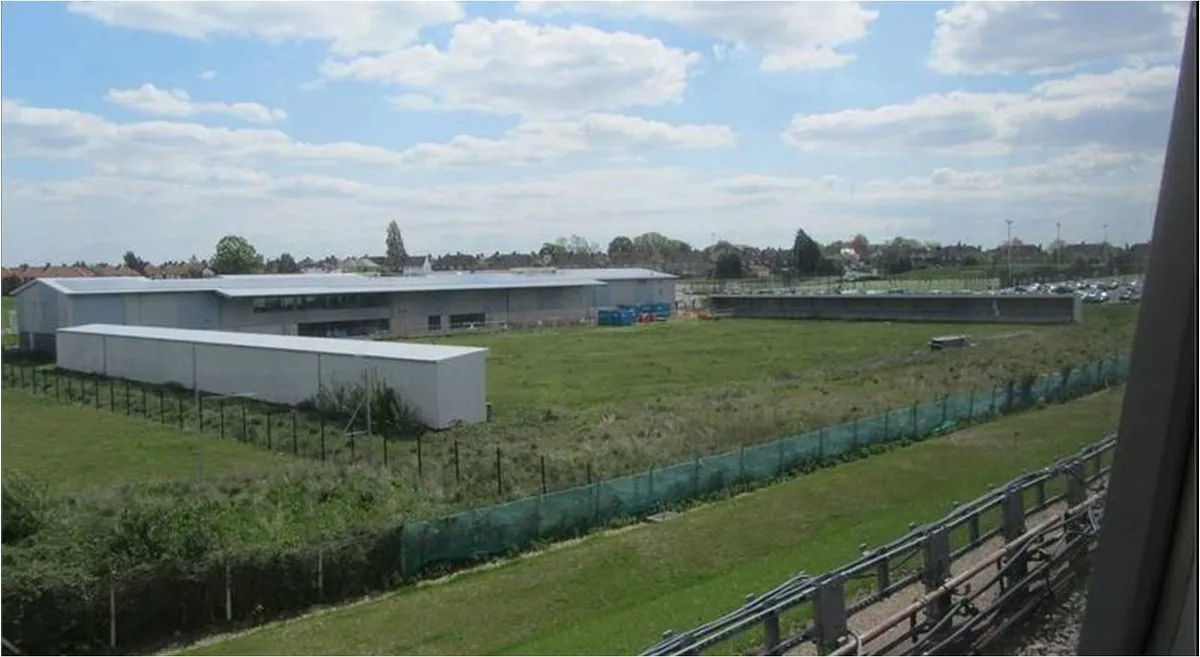
The Hive Stadium
Stadiums · 0.8 km

Flash Musicals Youth Theatre
Theatres · 0.8 km

Edgware War Memorial
Memorials & monuments · 0.9 km

St Margaret of Antioch, Edgware
Historic churches · 1.0 km

Railway Hotel
Historic pubs · 1.0 km

Edgware & District Reform Synagogue
Historic churches · 1.1 km
Edgware and District Reform Synagogue
Historic churches · 1.1 km

Kol Nefesh Masorti Synagogue
Historic churches · 1.2 km
Cinemax Cinema
Theatres · 1.2 km
Nearby
📷 5Historic churches · London
Church of St Lawrence, Little Stanmore
Church of St Lawrence, Little Stanmore — church of England church in Stanmore, London.
📷 5📷 5Chapels · London
Little Stanmore
Little Stanmore — a methodist chapel in england-london, United Kingdom.
📷 5Stadiums · London
The Hive Stadium
The Hive Stadium — soccer ground in London, England, UK.
📷 5Theatres · London
Flash Musicals Youth Theatre
Flash Musicals Youth Theatre is a theatre in the United Kingdom.
📷 5Memorials & monuments · London
Edgware War Memorial
Edgware War Memorial — Grade II listed building-listed memorial in england-london, United Kingdom.
Where to eat & stay near Cannons
Places to stay
 📷 5
📷 5Caravan parks · London
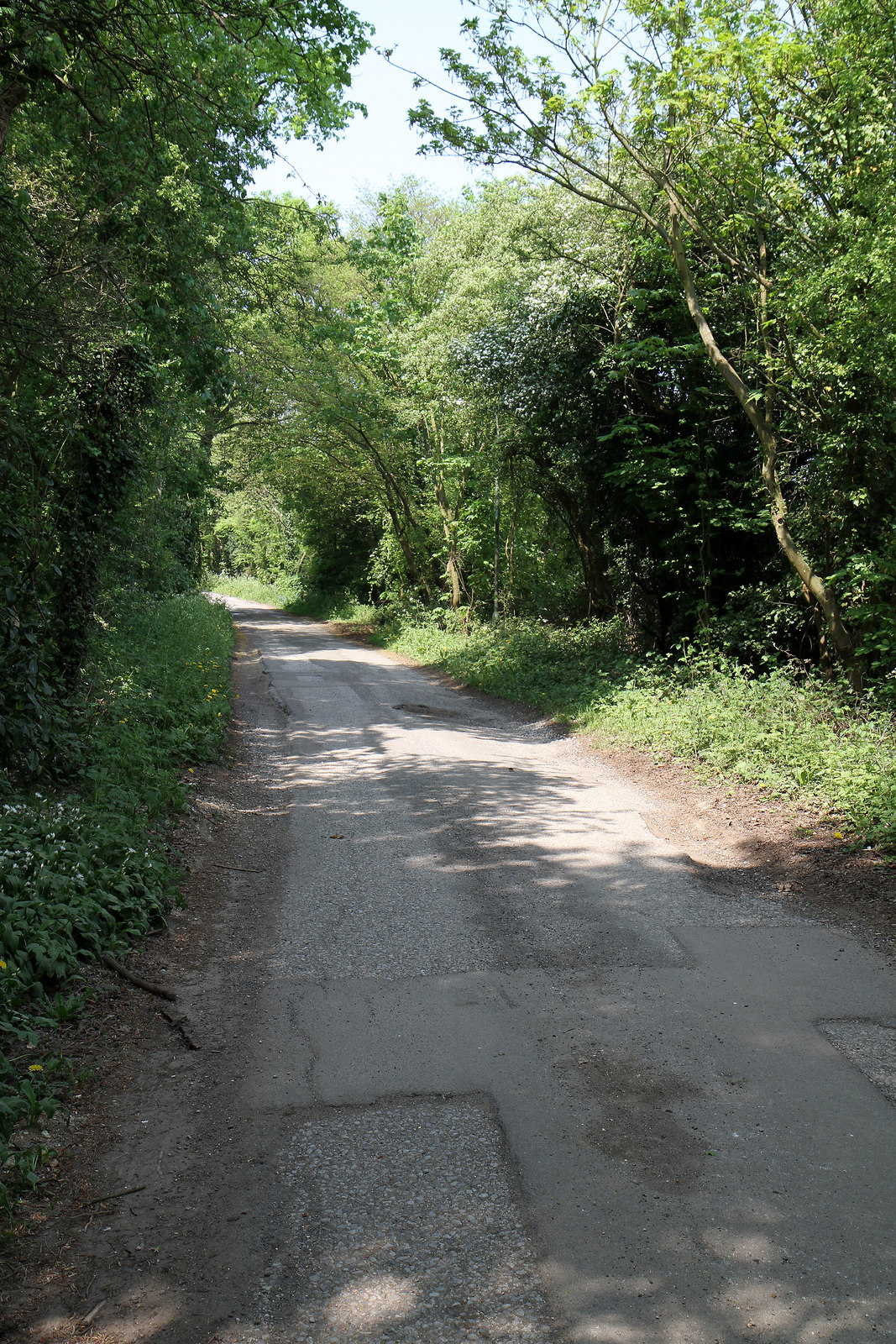
Watling Farm Caravan Site
Watling Farm Caravan Site — a caravan park in england london.
 📷 5
📷 5 📷 5
📷 5 📷 5
📷 5Campsites · London
Home Farm Glamping
Home Farm Glamping — a campsite in england london.
 📷 5
📷 5Hostels · London
London Backpackers
London Backpackers — a hostel in england london.
 📷 5
📷 5Hotels · London
Novotel London Wembley
Novotel London Wembley — a hotel in england london.
Places to eat & drink
📷 5 📷 5
📷 5 📷 5
📷 5 📷 5
📷 5.jpg?width=1200) 📷 5
📷 5Historic pubs · London
The Windermere
The Windermere — Historic pub — listed building or notable heritage status.
 📷 5
📷 5Other works by William Talman
 📷 5
📷 5 📷 5
📷 5Historic houses · London
The Pavilion
The Pavilion — house in Hampton Court Park, London Borough of Richmond upon Thames, England, UK.
More gardens in this region
 Flagship📷 10
Gardens · London
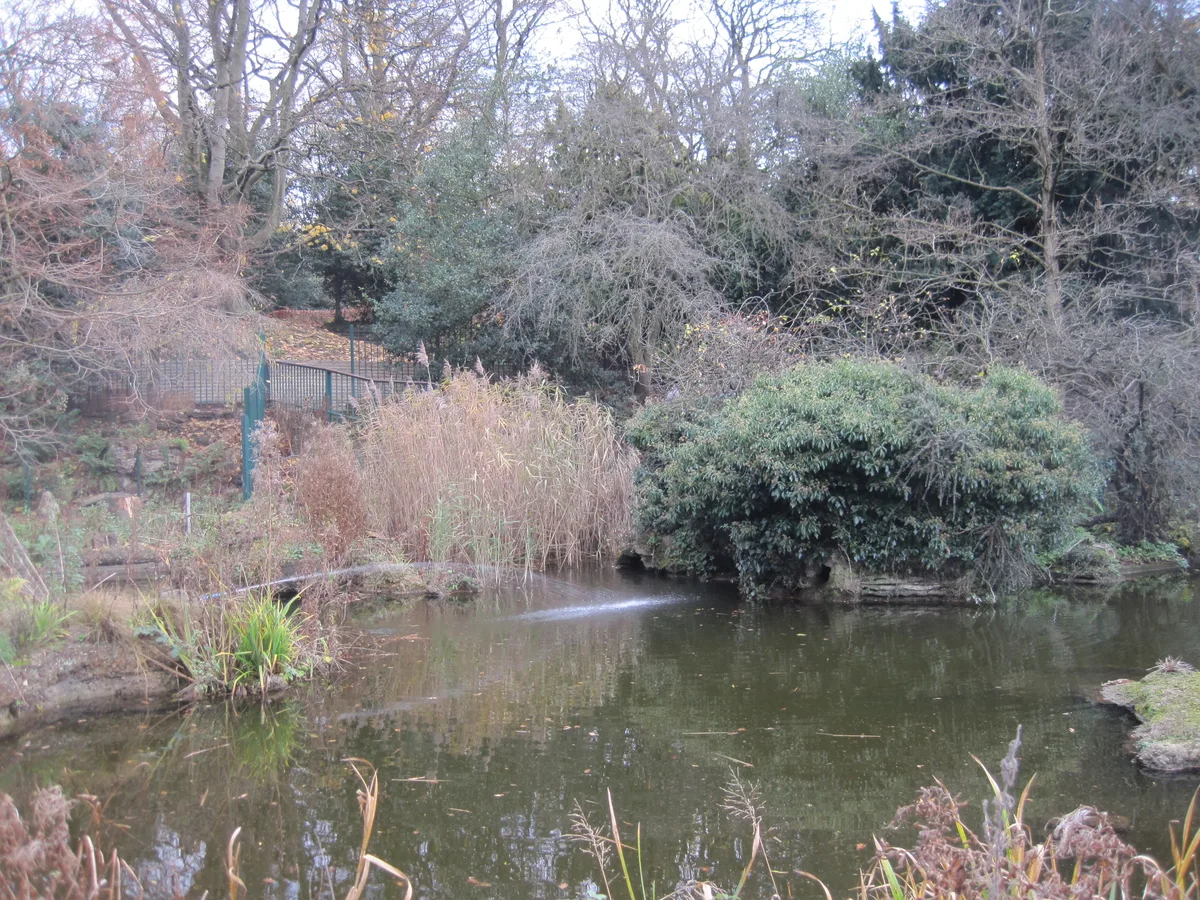
Avenue House Grounds
Avenue House Grounds — garden in London Borough of Barnet, United Kingdom.
 📷 10
📷 10Gardens · London
St. Johns Memorial Garden
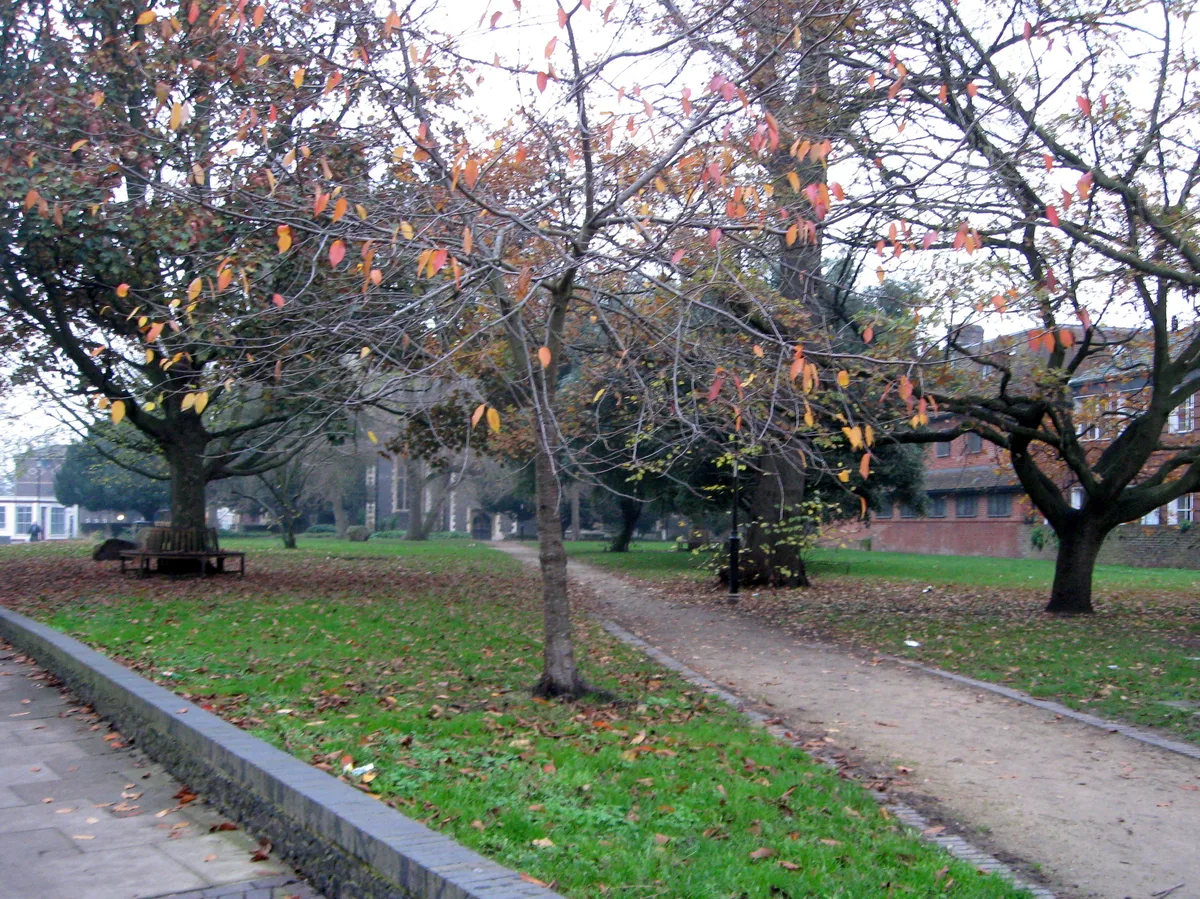
St. Johns Memorial Garden is a garden in the United Kingdom.
 📷 10
📷 10Gardens · London
Woodside Green
Woodside Green — street and green space in the London Borough of Croydon, England, UK.
 📷 5
📷 5Gardens · London
A Maximis Ad Minima
A Maximis Ad Minima — Public artwork (sculpture) by Eduardo Paolozzi.
Frequently asked questions
- Where is Cannons?
- Cannons is in London, United Kingdom (postcode HA8 6RH), in the parish of Harrow, unparished area.
- What is Cannons?
- Cannons — a garden in england-london, United Kingdom.
- How do I get to Cannons?
- The nearest railway station is Canons Park, about 0.2 km away. The nearest town is Elstree. Drivers can use postcode HA8 6RH.
- When was Cannons built?
- Built or established in 1724. Designed by William Talman.
- How do I get to Cannons?
- The nearest railway station is Canons Park, about 0.2 km away. Drivers can navigate to postcode HA8 6RH.