
Natural landmarks · Northern Ireland
Bloody Sunday
Also known as: Bloody Sunday Derry 1972, Domhnach na Fola (1972), Dy'Sul Gosek
In or near Derry.
Bloody Sunday in Northern Ireland, United Kingdom.

Joseph Mischyshyn — CC BY-SA 2.0 via Wikimedia Commons licence
_-_geograph.org.uk_-_3733089.jpg)
Plan your visit
- Typical visit
- 1 h–2 h
- Nearest railway station
- Derry~Londonderry · 0.9 km
- Paid entry
- Family-friendly
- Dog-friendly
Getting there & planning your visit
To visit Bloody Sunday, the nearest railway station is Derry~Londonderry, located 0.9 km away. The postcode for navigation is BT48 9DR, and entry is free.
About
Bloody Sunday is a place of interest in Northern Ireland, United Kingdom — drawn from open-data sources for visitor reference. See the linked Wikipedia article for the full description.
Photo gallery
See it from the streetimagery from 2025
Imagery © Mapillary contributors, CC BY-SA 4.0
Official information
The Museum of Free Derry is located in the historic Bogside area and focuses on the events surrounding Bloody Sunday and the civil rights movement in Derry from 1968 to 1972. It houses an extensive archive of artifacts and offers self-guided tours that provide insight into the community's struggle for justice and equality.
From the Wikipedia article
Bloody Sunday, or the Bogside Massacre, occurred on 30 January 1972 when British soldiers shot 26 unarmed civilians during a protest march in the Bogside area of Derry, Northern Ireland. Thirteen men were killed outright, and the death of another man four months later has been attributed to his gunshot injuries. Many of the victims were shot while fleeing from the soldiers and some were shot while trying to help the wounded. All of those shot were Catholics. The march had been organised by the Northern Ireland Civil Rights Association (NICRA) to protest against internment without trial. The soldiers were from the 1st Battalion of the Parachute Regiment ("1 Para"), the same battalion implicated in the Ballymurphy massacre several months earlier. The incident became one of the most significant events of the Troubles. It was the highest number of people killed in a single shooting during the conflict, and is regarded as the worst mass shooting in Northern Irish history. Bloody Sunday fuelled Catholic and Irish nationalist hostility towards the British Army, intensified the conflict, and led to a surge of support for the Provisional Irish Republican Army (IRA), especially in Derry. The Republic of Ireland held a national day of mourning, and crowds besieged and burnt down the chancery of the British Embassy in Dublin. Two investigations were held by the Government of the United Kingdom. The Widgery Tribunal, conducted shortly after the event, largely accepted the soldiers' accounts and was widely criticised as a whitewash. In 1998, the Saville Inquiry was established to reinvestigate the killings. Its 2010 report concluded that the shootings were "unjustified" and "unjustifiable", that none of those shot posed a threat, and that soldiers had given false accounts to justify their actions. British Prime Minister David Cameron formally apologised on behalf of the United Kingdom. Following the Saville Report, police opened a murder investigation. One former soldier was…
Excerpt from Wikipedia under CC BY-SA 4.0. See the source article linked in Sources below.
Background
History
The City of Derry was widely regarded by many Catholics and Irish nationalists in Northern Ireland as emblematic of what they described as "fifty years of Unionist misrule". Although the city had a nationalist majority, gerrymandering ensured that elections to the City Corporation consistently returned a unionist majority. Derry was also perceived to have been deprived of public investment: motorways were not extended to the city, a new university was established in the smaller (Protestant-majority) town of Coleraine rather than in Derry (see University for Derry Committee), and the city's housing stock was generally in poor condition. As a result, Derry became a major focus of the civil…
Sourced from Wikipedia under CC BY-SA 4.0.
- Coordinates
- 54.9970, -7.3256
- District
- Derry City and Strabane
- Postcode
- BT48 9DR
- Parliamentary constituency
- Foyle
- Phone
- +44 (0) 28 7136 0880
- Nearest railway station
- Derry~Londonderry — 0.9 km
- Opening
- Monday – Friday 9:30am – 6:00pm; Saturday – Sunday 10:00am – 4:00pm; closed 22 Dec – 2 Jan
Sources
- wikidata: Q190819 (CC0)
- wikipedia: Bloody Sunday (1972) (CC BY-SA 4.0)
Other places nearby

Museum of Free Derry
Museums · 0.0 km

Bloody Sunday Memorial
Memorials & monuments · 0.0 km

H-Block Memorial
Memorials & monuments · 0.1 km

Abbey Bed & Breakfast
B&Bs · 0.1 km

Bogside
Natural landmarks · 0.1 km
Battle of the Bogside
Battlefields & battle sites · 0.1 km

Free Derry Corner
Memorials & monuments · 0.2 km

Seán Ó Cianáin
Memorials & monuments · 0.2 km

Butcher Gate
Historic bridges · 0.2 km

Apprentice Boys of Derry
Museums · 0.2 km

Maldron Hotel Derry
Hotels · 0.2 km

Walker's Plinth
Memorials & monuments · 0.2 km
Nearby
📷 3Museums · Northern Ireland
Museum of Free Derry
Museum of Free Derry — Museum in Northern Ireland.
📷 3Memorials & monuments · Northern Ireland
Bloody Sunday Memorial
Bloody Sunday Memorial — a memorial in northern-ireland, United Kingdom.
📷 3Memorials & monuments · Northern Ireland
H-Block Memorial
H-Block Memorial — a memorial in northern-ireland, United Kingdom.
📷 5B&Bs · Northern Ireland
Abbey Bed & Breakfast
Abbey Bed & Breakfast — a bed-and-breakfast in northern ireland.
📷 3📷 3Battlefields & battle sites · Northern Ireland
Battle of the Bogside
Battle of the Bogside in Northern Ireland, United Kingdom.
Where to eat & stay near Bloody Sunday
Places to stay
📷 5B&Bs · Northern Ireland
Abbey Bed & Breakfast
Abbey Bed & Breakfast — a bed-and-breakfast in northern ireland.
📷 5Hotels · Northern Ireland
Maldron Hotel Derry
Maldron Hotel Derry — a hotel in northern ireland. 4-star. Brand: Maldron Hotels.
 📷 5
📷 5 📷 5
📷 5Hotels · Northern Ireland
Shipquay Hotel
Shipquay Hotel — a hotel in northern ireland.
 📷 5
📷 5Hostels · Northern Ireland
Derry City Independent Hostel
Derry City Independent Hostel — a hostel in northern ireland.
 📷 5
📷 5Hotels · Northern Ireland
Travelodge Derry
Travelodge Derry — a hotel in northern ireland.
More natural landmarks in this region
 Flagship📷 4
Natural landmarks · Northern Ireland
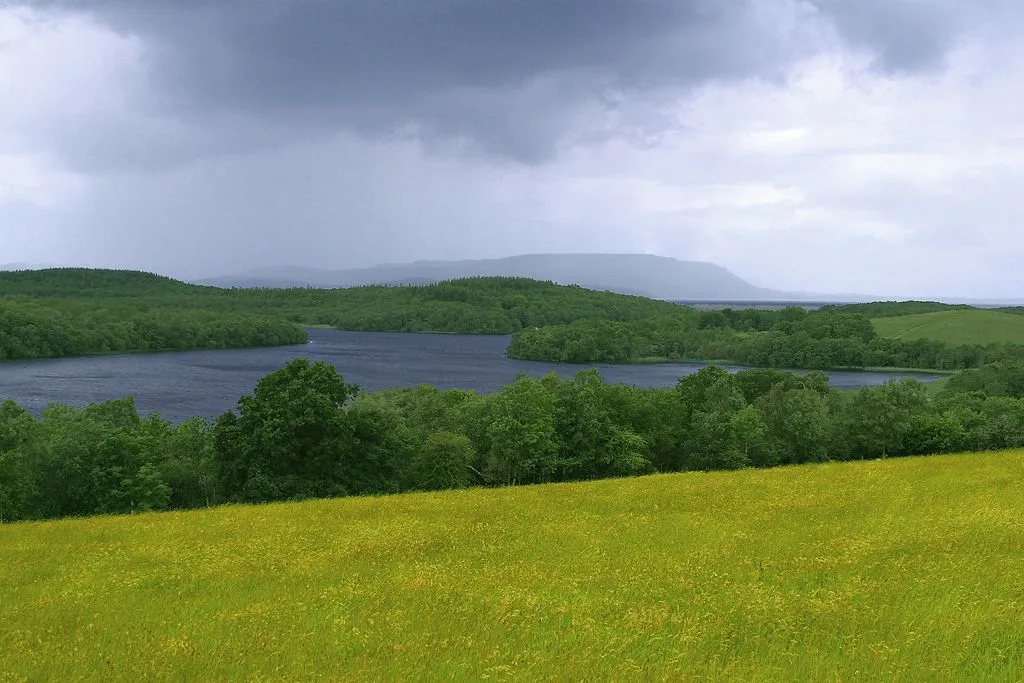
Lough Erne
Lough Erne — lake in County Fermanagh, Northern Ireland, UK.
 Flagship📷 4
Natural landmarks · Northern Ireland
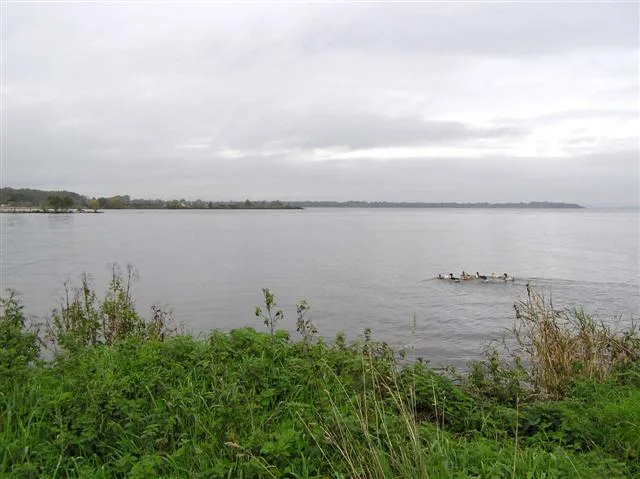
Lough Neagh
Lough Neagh — large lake in Northern Ireland.
 📷 3
📷 3Natural landmarks · Northern Ireland
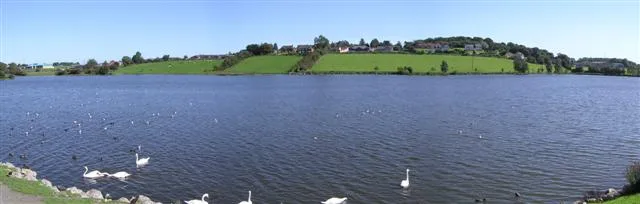
Ballysaggart Lough
Ballysaggart Lough — lake in the United Kingdom.
 📷 5
📷 5Natural landmarks · Northern Ireland
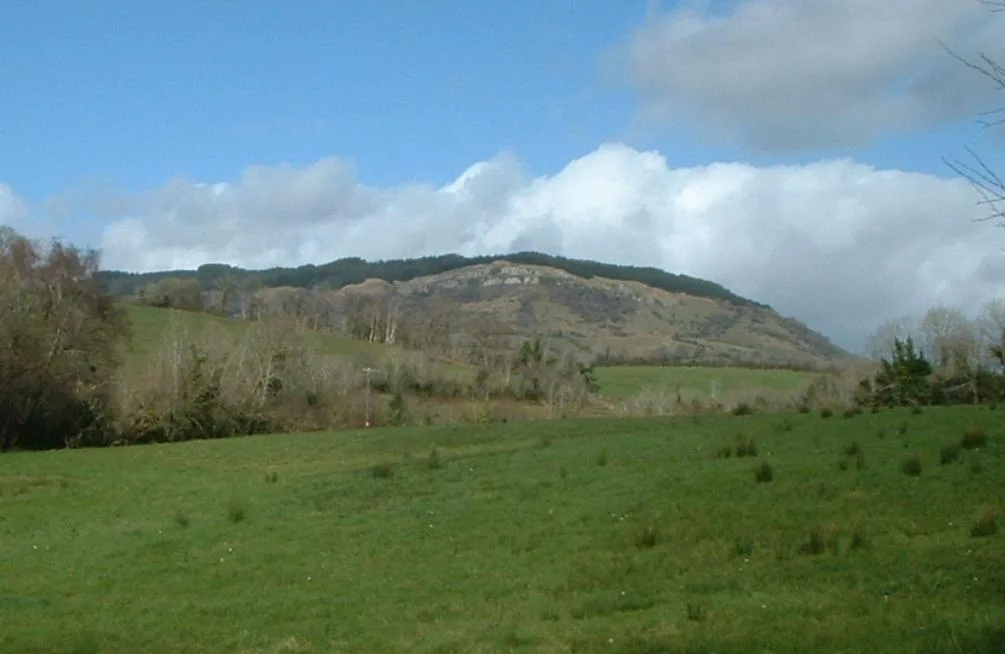
Belmore Mountain
Belmore Mountain — mountain in the United Kingdom.
Frequently asked questions
- Where is Bloody Sunday?
- Bloody Sunday is in Northern Ireland, United Kingdom (postcode BT48 9DR).
- What is Bloody Sunday?
- Bloody Sunday in Northern Ireland, United Kingdom.
- How do I get to Bloody Sunday?
- The nearest railway station is Derry~Londonderry, about 0.9 km away. The nearest town is Derry. Drivers can use postcode BT48 9DR.
- How do I get to Bloody Sunday?
- The nearest railway station is Derry~Londonderry, about 0.9 km away. Drivers can navigate to postcode BT48 9DR.